
Dogs scratch. It’s normal—occasional scratching is part of life. But when your dog becomes a relentless itch machine, licking paws raw or rubbing against furniture until fur falls out, it’s time to intervene. Chronic itching isn’t just uncomfortable; it can signal underlying health issues ranging from allergies to parasites. Left untreated, it leads to skin infections, hot spots, and severe discomfort. The good news: most causes of canine itch are manageable with the right approach. This guide walks you through identifying root causes, applying safe treatments, and preventing future flare-ups—so your dog can live comfortably, itch-free.
Understanding the Causes of Canine Itching
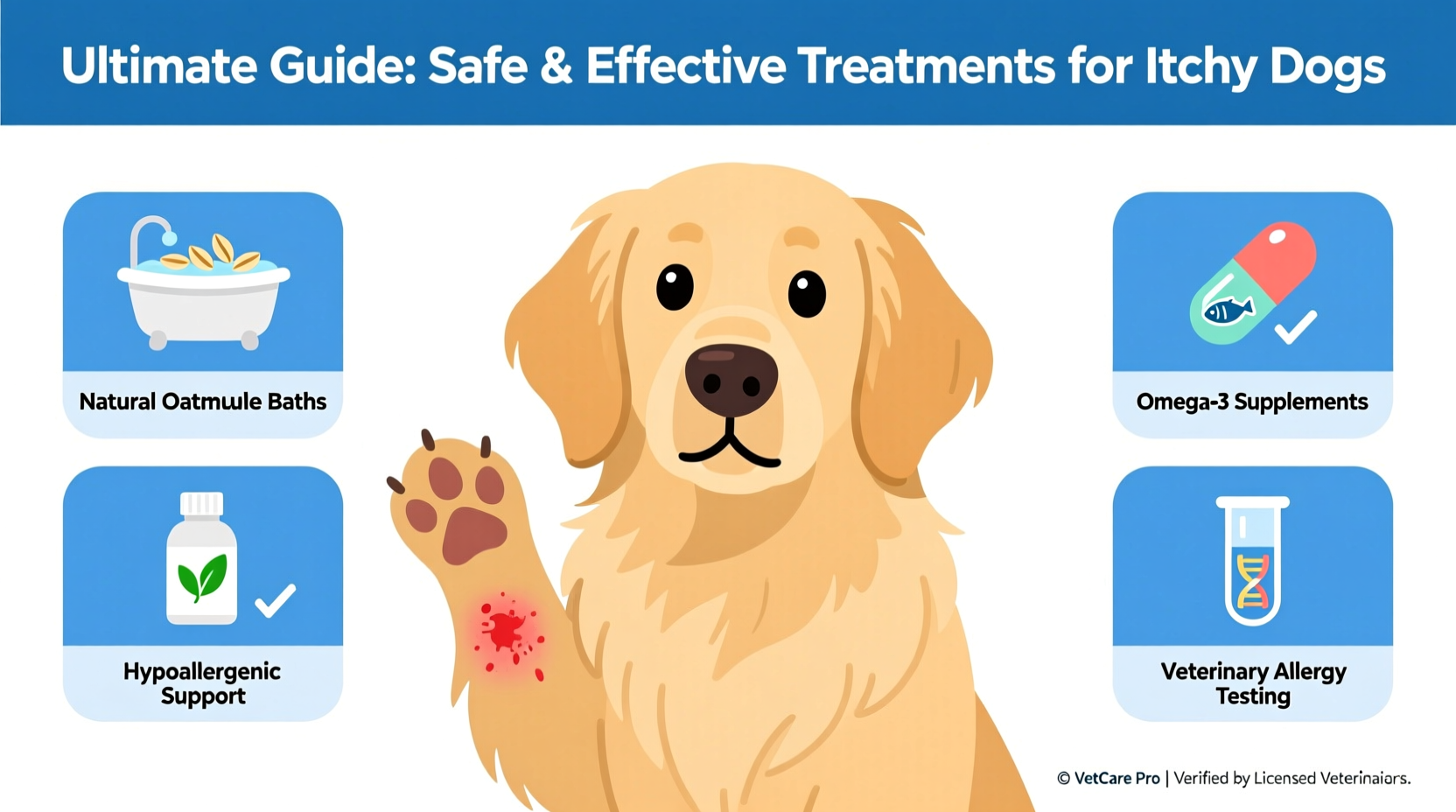
Itching in dogs, medically known as pruritus, stems from multiple sources. Identifying the cause is critical before treatment begins. Treating symptoms without addressing the trigger often leads to temporary relief at best—and worsening conditions at worst.
- Allergies: Flea allergy dermatitis, food sensitivities, and environmental allergens (pollen, mold, dust mites) are top culprits.
- Parasites: Fleas, ticks, mites (especially Sarcoptes and Demodex), and lice directly irritate the skin.
- Infections: Bacterial (Staphylococcus) and yeast (Malassezia) overgrowths thrive in inflamed or moist skin.
- Dry Skin: Low humidity, poor diet, or frequent bathing with harsh shampoos strip natural oils.
- Hormonal Imbalances: Conditions like hypothyroidism or Cushing’s disease affect skin health.
- Poor Nutrition: Deficiencies in essential fatty acids impair skin barrier function.
Safe and Effective Treatment Options
Effective treatment combines medical intervention with supportive care. Never assume home remedies alone will resolve persistent itching—consult your veterinarian first to rule out serious conditions.
Veterinary Treatments
Your vet may recommend one or more of the following based on diagnosis:
| Condition | Treatment | Effectiveness Timeline |
|---|---|---|
| Flea Allergy Dermatitis | Topical/oral flea preventives + corticosteroids for inflammation | Days to weeks |
| Yeast Infection | Antifungal shampoos (e.g., chlorhexidine & ketoconazole), oral antifungals | 2–6 weeks |
| Food Allergy | Elimination diet trial (8–12 weeks) | Weeks to months |
| Environmental Allergies | Immunotherapy (allergy shots), Apoquel, Cytopoint injections | Weeks to months |
“Chronic itching should never be ignored. Early diagnosis prevents secondary infections and improves long-term outcomes.” — Dr. Lena Torres, DVM, Board-Certified Veterinary Dermatologist
Natural and Supportive Remedies
While not replacements for medical care, these options provide comfort and support healing:
- Oatmeal Baths: Colloidal oatmeal soothes irritated skin. Use lukewarm water and rinse thoroughly.
- Coconut Oil: Applied topically in small amounts, it moisturizes dry skin and has mild antimicrobial properties.
- Omega-3 Fatty Acids: Found in fish oil supplements, they reduce inflammation and strengthen the skin barrier.
- Aloe Vera (Pet-Safe): Soothes minor irritation—but ensure your dog doesn’t lick it off, as large amounts can be toxic.
Step-by-Step Guide to Relieving Your Dog’s Itch
Follow this timeline-based plan to systematically address and resolve itching:
- Day 1–3: Assess & Isolate Triggers
Check for fleas, review recent diet changes, note environment (new carpet, cleaning products). Take photos of affected areas. - Day 4: Visit the Veterinarian
Get a proper diagnosis. Skin scrapings, blood work, or allergy testing may be needed. - Week 1: Begin Prescribed Treatment
Start medications, apply medicated shampoos, and begin parasite control if indicated. - Weeks 2–4: Monitor Progress
Track scratching frequency, skin redness, and any new symptoms. Keep the coat clean and dry. - Weeks 5–12: Address Underlying Causes
If allergies are suspected, start a hydrolyzed protein elimination diet under veterinary supervision. - Ongoing: Prevent Recurrence
Maintain flea prevention year-round, use hypoallergenic grooming products, and feed a balanced diet rich in omega-3s.
Common Mistakes That Worsen Itching
Even well-meaning owners can accidentally make things worse. Avoid these pitfalls:
- Using human shampoo: Disrupts pH balance and dries skin.
- Over-bathing: Strips natural oils—limit baths to once every 4–6 weeks unless prescribed otherwise.
- Delaying vet visits: Secondary infections develop quickly from constant scratching.
- Guessing at food allergies: Randomly switching proteins without a structured trial leads to confusion.
- Ignoring ear infections: Yeast and bacteria often affect ears in itchy dogs—check weekly.
Mini Case Study: Max, the Golden Retriever with Seasonal Itching
Max, a 4-year-old Golden Retriever, began chewing his paws every spring. His owner assumed it was seasonal pollen, but over-the-counter antihistamines didn’t help. After a vet visit, skin testing revealed allergies to grass pollen and dust mites. Max started monthly Cytopoint injections and used prescription hypoallergenic wipes after walks. His diet was changed to include a high-EPA fish oil supplement. Within six weeks, paw licking decreased by 80%. A year later, with consistent management, Max enjoys outdoor play without constant itching.
Prevention Checklist
Use this checklist to minimize future episodes:
- ✅ Year-Round Flea Prevention
- Use vet-recommended topical or oral products monthly.
- ✅ Regular Grooming
- Brush weekly; bathe only when necessary with gentle, vet-approved shampoo.
- ✅ Clean Living Environment
- Wash bedding weekly in hot water; vacuum carpets and furniture frequently.
- ✅ Balanced Diet
- Feed high-quality food with omega-3 fatty acids; avoid fillers like corn and soy.
- ✅ Paw Wipes After Walks
- Remove allergens like pollen, salt, or chemicals from paws.
- ✅ Routine Vet Checkups
- Schedule biannual wellness exams to catch issues early.
Frequently Asked Questions
Can I use Benadryl to treat my dog’s itching?
Benadryl (diphenhydramine) may help mild allergic reactions, but it’s not effective for all dogs and doesn’t treat underlying causes. Always consult your vet before dosing—typical dosage is 1 mg per pound every 8–12 hours, but some dogs should not take it due to health conditions.
Are certain breeds more prone to itchy skin?
Yes. Breeds like Bulldogs, Retrievers, Terriers, and Pugs have higher rates of allergies and skin issues due to genetics. However, any dog can develop itching depending on environment and care.
How long does it take for a dog’s skin to heal after treatment starts?
Superficial irritations may improve in a few days. Deep infections or chronic allergies often require 4–8 weeks of consistent treatment. Healing continues even after symptoms fade, so complete the full course of medication.
Final Thoughts: Act Now, Relieve Suffering
An itchy dog is a suffering dog. What might seem like a simple nuisance could be a sign of pain, infection, or systemic illness. The path to relief starts with observation, continues with professional diagnosis, and succeeds through consistent, informed care. Don’t wait for hair loss or open sores to act. With the right strategy, most dogs achieve lasting comfort. Start today—your dog’s quality of life depends on it.
💬 Have a story about treating your dog’s itch? Share your experience below to help other pet owners find relief.








