Cat owners love the companionship their feline friends bring—but few enjoy the constant battle against scattered litter across floors, carpets, and furniture. Litter tracking is one of the most common complaints among indoor cat households. Tiny particles cling to paws and fur, spreading from the litter box to every corner of the home. While it may seem inevitable, effective prevention is possible with the right tools, habits, and environment. This guide explores science-backed and field-tested methods to minimize or eliminate litter tracking for good.
Understanding Why Cats Track Litter
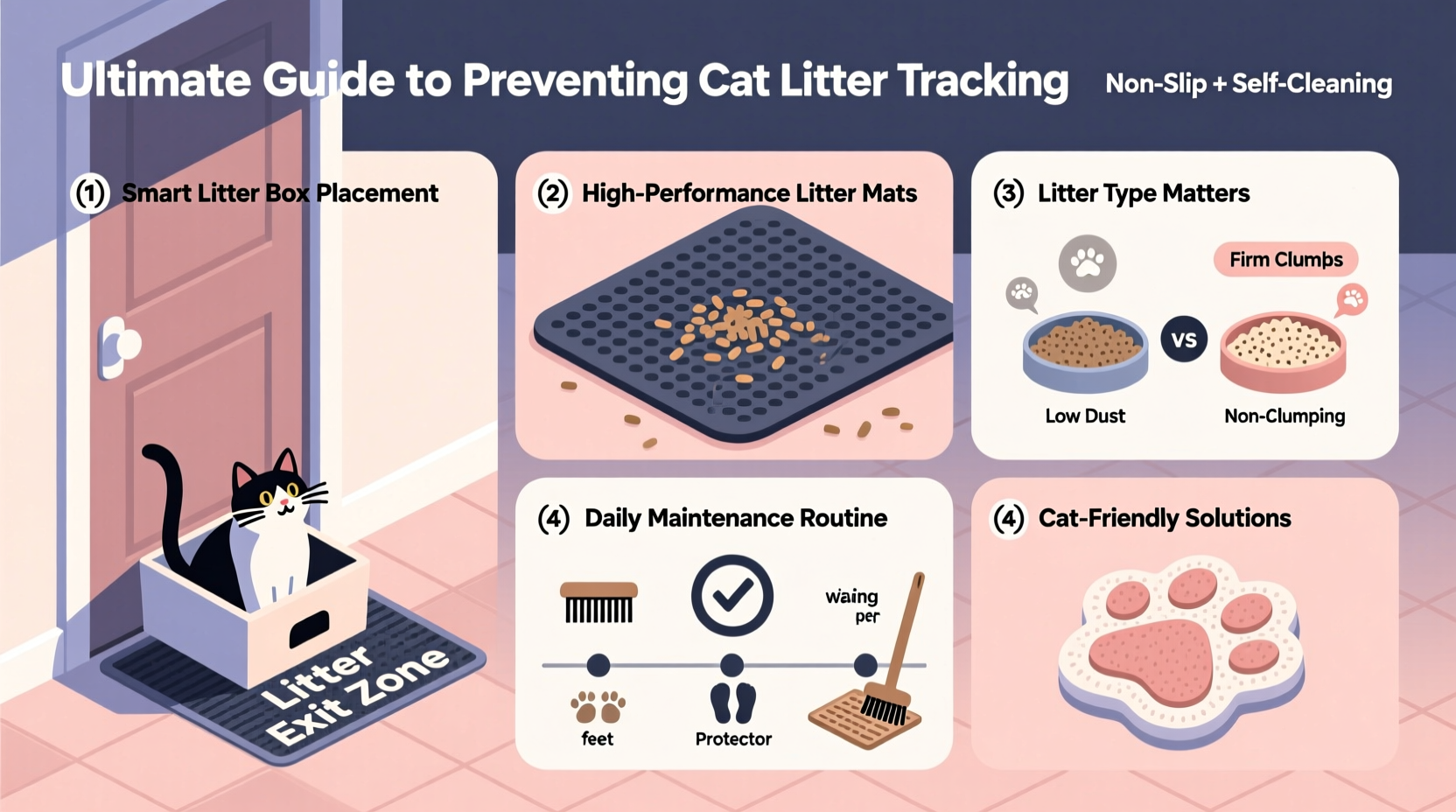
Litter tracking occurs when cats exit the litter box with granules stuck to their paws or fur. This is a natural consequence of digging and burying waste. However, the severity depends on several factors: litter texture, particle size, box design, and even your cat’s grooming habits. Fine, lightweight clumping litters are more prone to sticking and scattering than coarser or heavier alternatives. Long-haired breeds like Persians or Maine Coons often carry litter in their fur, especially around the hind legs.
Additionally, if the litter box is too small or lacks proper containment, cats may kick litter over the edges during use. Over time, this leads to persistent trails leading away from the box. Addressing the root causes—not just cleaning up after the fact—is essential for long-term success.
Tip: Observe your cat’s behavior after using the box. If they shake their paws vigorously, it may indicate discomfort or excess litter clinging—signaling a need for change.Choosing the Right Litter to Reduce Tracking
The type of litter you use plays a major role in how much ends up on your floor. Not all litters behave the same way. Some are engineered specifically to minimize tracking through larger particle size or added weight.
| Litter Type | Tracking Level | Why It Works (or Doesn’t) |
|---|---|---|
| Clay Clumping (Fine Granules) | High | Fine particles stick easily to paws and fur; lightweight and easily kicked out. |
| Silica Gel Crystals | Low | Large, dense beads resist adhesion and don’t break down easily. |
| Pine or Paper Pellets | Medium-Low | Heavier and less dusty; pellets are less likely to cling but can scatter if kicked hard. |
| Walnut or Corn-Based | Low-Medium | Natural weight helps reduce spread; some varieties still produce dust. |
Experts recommend trying low-tracking litters such as silica gel or compressed wood pellets. These materials are not only heavier but also tend to be less dusty, which improves air quality and reduces airborne particles.
“Switching to a low-dust, high-density litter can cut tracking by up to 70% in multi-cat homes.” — Dr. Lena Torres, Feline Behavior Specialist
Optimizing Litter Box Design and Placement
The physical setup of the litter box significantly influences tracking. A poorly placed or undersized box invites mess. Consider these adjustments:
- Use covered or hooded boxes with entry flaps: These help contain flying litter during digging while shielding surrounding areas.
- Choose larger boxes: Cats need space to dig without hitting the sides. A box that’s at least 1.5 times your cat’s length reduces forceful kicks.
- Add a litter mat: Place an absorbent, textured mat under and around the box to catch escaping particles. Ridges or bristles trap litter before it spreads.
- Elevate the box slightly: Use a platform with a lip to create a contained zone, making cleanup easier.
Placement matters too. Avoid high-traffic areas where tracked litter will be walked into other rooms. Instead, position the box in a quiet, low-traffic corner with easy access. If possible, place it on a hard surface like tile or vinyl, which are easier to clean than carpet.
Step-by-Step: Setting Up a Tracking-Resistant Litter Station
- Select a large, low-entry or top-entry litter box.
- Place it on a non-carpeted surface or use a waterproof tray underneath.
- Lay down an extended litter mat (minimum 3 feet in length).
- Fill the box with 3–4 inches of low-tracking litter.
- Add a cover with a front flap to minimize outward spray.
- Position the station away from food, water, and busy hallways.
Behavioral and Grooming Solutions
In addition to environmental changes, managing your cat’s grooming routine can reduce tracking. Long-haired cats benefit from regular trimming around the paws and lower abdomen. A simple “lion cut” or sanitary trim removes fur that traps litter and prevents clumps from forming.
Daily brushing helps remove loose particles before they fall elsewhere. For cats resistant to grooming, consider wipes designed for paw cleaning. Gently wiping the paws after litter use isn’t always practical, but some owners report success with pet-safe damp cloths kept nearby.
Tip: Trim fur between your cat’s paw pads every 4–6 weeks to prevent litter buildup.Mini Case Study: The Johnson Family’s Solution
The Johnsons had two cats and struggled with litter tracked throughout their home, especially onto white rugs. After trying multiple litters with little success, they redesigned their litter area. They replaced a standard open box with a large, top-entry model filled with silica crystals and placed it on a rubber mat with raised edges. They added a 4-foot silicone litter mat with deep grooves outside the box. Within a week, visible tracking dropped by over 80%. Occasional stray beads were easily vacuumed, and the cats adapted quickly. Their solution combined product choice, smart placement, and physical barriers—a holistic approach that worked long term.
Essential Checklist for Reducing Litter Tracking
Follow this checklist to systematically address litter tracking in your home:
- ✅ Switch to a heavy, low-dust litter (e.g., silica or wood pellets)
- ✅ Use a large, covered litter box with a door or flap
- ✅ Place a high-quality litter mat (preferably dual-layer) under and beyond the box
- ✅ Position the litter station on hard flooring or inside a containment tray
- ✅ Trim fur around your cat’s paws and hindquarters monthly
- ✅ Clean the mat weekly with soap and water to maintain effectiveness
- ✅ Vacuum or sweep the surrounding area daily for first two weeks after changes
Frequently Asked Questions
Can I stop my cat from tracking litter completely?
While eliminating tracking entirely is difficult, combining the right litter, box design, and maintenance routine can reduce it to negligible levels. Most homes see a 70–90% reduction with consistent effort.
Are automatic litter boxes better for reducing tracking?
Some self-cleaning models have built-in ramps or sifting systems that help catch litter before it exits the box. However, they’re not foolproof. Many still require mats and careful placement to prevent tracking. High-end models with sealed compartments perform best.
How often should I change the litter and clean the mat?
Replace litter based on usage—typically every 7–10 days for clumping types. Mats should be rinsed weekly and deep-cleaned monthly to prevent odor buildup and maintain litter-trapping efficiency.
Final Thoughts and Call to Action
Preventing cat litter tracking doesn’t require extreme measures—just thoughtful choices and consistency. By selecting the right litter, optimizing the litter box environment, and maintaining a simple cleaning routine, you can reclaim your floors and reduce daily cleanup stress. Every cat and home is different, so experiment with combinations of mats, box styles, and litter types to find what works best for your household.
🚀 Ready to take control of litter mess? Start today by replacing your current litter with a low-tracking alternative and adding a quality mat. Share your progress or ask questions in the comments—your experience could help another cat owner win the war on litter!








