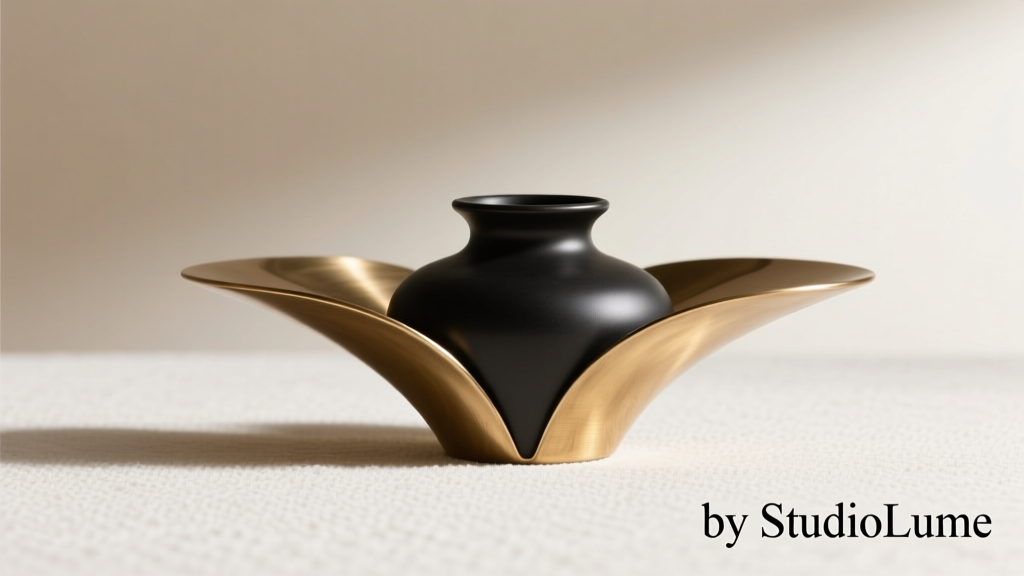
Types of Twisted Stick Bouquets
A twisted stick bouquet is a unique floral arrangement that uses a handcrafted holder made from twisted natural or synthetic twigs, branches, or rods. These bouquets blend artistry and nature, offering a distinctive alternative to traditional floral designs. With various styles available, they can be tailored to suit rustic, elegant, modern, or festive themes—perfect for weddings, celebrations, and decorative displays.
Using a twisted stick bouquet mold allows artisans to create multiple designs with consistent structure while experimenting with color, texture, and floral composition. Below is a comprehensive overview of the most popular types of twisted stick bouquets, their characteristics, and ideal use cases.
Traditional Twisted Stick Bouquet
Crafted from natural wood or synthetic twigs, this classic design emphasizes organic beauty and timeless elegance.
Advantages
- Natural, earthy aesthetic
- Versatile for various flower types (fresh, dried, or preserved)
- Complements rustic, country, or vintage themes
- Neutral tones blend seamlessly with any decor
Limitations
- May require maintenance in humid conditions
- Less visually striking in large venues
- Limited color variation in the stick itself
Best for: Rustic weddings, garden parties, farmhouse decor, and nature-inspired events
Glittering & Gold Twisted Stick Bouquet
Elevates the traditional design with shimmering gold or silver finishes on the stick and metallic accents in the floral elements.
Advantages
- Luxurious, high-end appearance
- Perfect for formal and celebratory occasions
- Reflective elements enhance lighting effects
- Coordinates well with elegant gowns and décor
Limitations
- Can appear overly flashy if not balanced
- Higher cost due to metallic treatments
- May require careful handling to avoid scratches
Best for: Weddings, galas, holiday events, and formal celebrations
Twisted Black Stick Bouquet
Features dark, dramatic sticks that create a bold contrast with vibrant or pastel blooms, delivering a modern and sophisticated look.
Advantages
- Striking visual contrast
- Ideal for contemporary and high-fashion themes
- Enhances the color intensity of flowers
- Perfect for minimalist or monochrome settings
Limitations
- May not suit traditional or rustic events
- Limited versatility in color coordination
- Can dominate the overall bouquet if overused
Best for: Modern weddings, fashion shoots, avant-garde events, and sleek interior décor
Silhouette Twisted Stick Bouquet
A minimalist take on the classic design, focusing on clean lines and subtle elegance with matte or frosted finishes.
Advantages
- Modern, understated sophistication
- Complements both bold and delicate florals
- Works well in professional or artistic environments
- Timeless appeal without being trendy
Limitations
- Less visually impactful from a distance
- May appear too plain for festive occasions
- Fewer decorative options compared to bolder styles
Best for: Art exhibitions, minimalist weddings, corporate events, and modern home décor
Rainbow-Colored Twisted Stick Bouquet
Bright, multicolored sticks in shades like emerald green, azure blue, fiery red, and sunny yellow create a joyful, vibrant display.
Advantages
- Eye-catching and festive appearance
- Perfect for celebratory and playful themes
- Encourages creative floral pairings
- Great for photo opportunities and social media
Limitations
- Not suitable for formal or subdued events
- Color coordination can be challenging
- May fade over time with sun exposure
Best for: Birthday parties, pride events, children's celebrations, and vibrant seasonal festivals
| Type | Style | Versatility | Visual Impact | Best Occasions |
|---|---|---|---|---|
| Traditional | Rustic, Natural | High | Moderate | Weddings, Garden Parties, Country Events |
| Glittering & Gold | Luxurious, Elegant | Medium | High | Formal Weddings, Galas, Holiday Events |
| Twisted Black | Modern, Dramatic | Medium | High | Fashion Events, Contemporary Weddings |
| Silhouette | Minimalist, Sleek | Medium-High | Moderate | Art Shows, Corporate Functions, Modern Decor |
| Rainbow-Colored | Festive, Playful | Low-Medium | Very High | Birthday Parties, Festivals, Themed Events |
Pro Tip: When designing a twisted stick bouquet, consider the balance between the stick's color and the floral palette. Neutral and metallic sticks offer greater flexibility, while bold colors like black or rainbow hues should be paired with complementary blooms to avoid visual clutter.
Designs of Twisted Stick Bouquets: A Complete Guide to Artistic Floral Arrangements
Twisted stick bouquet holders are more than just functional supports—they are artistic elements that elevate floral arrangements into expressive works of art. These unique holders combine rustic charm with creative design, allowing for a harmonious balance between nature-inspired structure and floral beauty. Each design element plays a crucial role in shaping the overall aesthetic, making the bouquet suitable for weddings, home décor, or special events.
Key Design Elements of Twisted Stick Bouquets
Flower Choices
The selection of flowers is central to the visual impact of a twisted stick bouquet. Popular blooms such as roses, peonies, orchids, and wildflowers are often chosen for their texture, fragrance, and symbolic meaning. Large, full-bodied flowers like peonies and garden roses create a romantic, lush appearance, ideal for vintage or garden-themed arrangements.
Smaller blossoms such as baby’s breath, waxflower, or daisies add delicate detail and volume without overwhelming the structure. When thoughtfully combined, different flower sizes contribute to a layered, dynamic look. For example, using large focal flowers surrounded by smaller accents creates depth and visual interest, enhancing the natural asymmetry that complements the organic shape of the twisted stick holder.
Foliage and Greenery
Greenery is not merely a filler—it’s a foundational design component that enhances texture, volume, and realism. Eucalyptus, ferns, ivy, and ruscus are among the most popular choices due to their trailing forms and varied leaf shapes. Silver dollar eucalyptus adds softness and a silvery sheen, while leatherleaf fern provides structured fullness.
In a twisted stick bouquet, greenery often extends beyond the flower cluster, weaving through the sticks to mimic a wild, foraged look. This integration gives the arrangement a sense of movement and organic flow. Additionally, greenery helps balance color tones and can be used to echo the natural tones of the stick holder, especially when using weathered wood or bark-wrapped stems.
Color Palette
The color scheme of the bouquet sets the emotional tone and ties the design to a specific theme or season. Twisted stick bouquets lend themselves beautifully to earthy, nature-inspired palettes—soft pastels for spring weddings, warm terracottas and deep reds for autumn celebrations, or crisp whites and greens for rustic-chic events.
Monochromatic schemes (e.g., all white or blush tones) create elegance and sophistication, while complementary colors (like purple and yellow) add vibrancy and contrast. Seasonal flowers naturally guide color choices: sunflowers and dahlias in fall, tulips and ranunculus in spring. When paired with the neutral tones of wooden sticks, even bold colors maintain a grounded, balanced appearance.
Holder Materials
The material of the twisted stick holder significantly influences the bouquet’s overall style. Natural wood—such as birch, willow, or driftwood—is the most common choice, offering a warm, organic texture that enhances the rustic aesthetic. These materials are often left untreated or lightly stained to preserve their natural character.
For a more modern or glamorous look, metal wire frames twisted into artistic shapes can serve as the base. These may be coated in copper, gold, or black finishes to match event décor. Some designers combine materials—like wrapping wooden sticks with metallic thread or burlap—to blend traditional craftsmanship with contemporary flair. The structural integrity and curvature of the sticks also affect how the flowers are arranged and displayed.
Accessories and Embellishments
Decorative accents personalize the bouquet and refine its theme. Ribbons, lace, pearls, beads, and even small charms can be wrapped around the base of the holder or woven into the sticks. Satin or silk ribbons in coordinating colors add elegance, while burlap or twine emphasize a farmhouse or bohemian style.
Pearls and rhinestones are often used in bridal bouquets to introduce a touch of luxury, while dried elements like lavender or wheat stalks enhance the natural, earthy feel. These embellishments should complement—not overpower—the bouquet. Thoughtful placement ensures they enhance the design without distracting from the floral beauty.
Structural Balance and Composition
While not always listed as a standalone element, the arrangement’s composition is vital. A well-designed twisted stick bouquet maintains visual balance between the density of flowers, the spread of greenery, and the negative space created by the open stick framework.
Designers often use the “rule of thirds” or asymmetrical layouts to create dynamic interest. The twisted sticks themselves act as both support and visual lines, guiding the eye through the arrangement. Ensuring that the weight is evenly distributed prevents the bouquet from appearing lopsided and makes it comfortable to hold during events.
| Design Element | Impact on Aesthetic | Design Tips |
|---|---|---|
| Flower Size & Type | Defines fullness and mood | Use large blooms as focal points; surround with smaller flowers for texture |
| Greenery Selection | Adds depth and natural flow | Incorporate trailing foliage to weave through sticks for a wild look |
| Color Harmony | Reflects season and theme | Match bouquet colors to event palette; use neutrals to balance brights |
| Holder Material | Determines rustic vs. modern feel | Choose wood for vintage charm, metal for contemporary edge |
| Embellishments | Enhances elegance or whimsy | Use sparingly; ensure they align with the overall theme |
Design Inspiration by Occasion
Tip: Always consider the bouquet’s purpose and environment. Outdoor ceremonies may require sturdier sticks and wilt-resistant flowers, while indoor events allow for more delicate designs. Test the weight and balance before finalizing—comfort matters as much as beauty!
Scenarios for Twisted Stick Bouquets
Twisted stick bouquet holders have emerged as a versatile and stylish choice in floral design, blending natural aesthetics with modern elegance. Their unique texture and organic form make them ideal for a wide range of events and decorative applications. Whether used as bridal accessories, centerpieces, or seasonal accents, these holders enhance visual appeal while providing functional support for floral arrangements. Below are the most prominent scenarios where twisted stick bouquets shine, along with design tips and thematic considerations.
Weddings
Weddings remain the most iconic setting for twisted stick bouquet holders, especially in ceremonies embracing rustic, bohemian, or nature-inspired themes. The bride’s bouquet, often the centerpiece of floral design, benefits from the earthy charm of twisted wood, which adds a handcrafted, artisanal quality to the overall look.
- Indoor vs. Outdoor Venues: For indoor weddings with classic décor, neutral-toned sticks in black, white, or gold complement elegant color palettes and chandeliers. For outdoor weddings—such as beachfront, garden, or woodland ceremonies—natural or colored sticks harmonize beautifully with the surrounding environment.
- Thematic Pairings: Combine with wildflowers, eucalyptus, and dried elements for a boho-chic aesthetic. Metallic finishes (gold or silver) elevate the look for black-tie or vintage-themed weddings.
- Bridal Accessories: Twisted stick holders can also be incorporated into boutonnieres, corsages, or aisle markers for a cohesive design language.
Pro Tip: Seal natural wood with a light varnish to prevent splinters and enhance durability during the ceremony.
Home & Seasonal Decor
Beyond events, twisted stick bouquets serve as striking decorative elements in homes and offices, offering a refreshing alternative to traditional vases and floral arrangements. Their sculptural form introduces texture and warmth to interior spaces.
- Seasonal Themes: In autumn, pair with dried leaves, berries, and pumpkins; in winter, incorporate pinecones, evergreens, and fairy lights for a festive centerpiece. Spring arrangements can feature pastel blossoms, while summer calls for bright, tropical flowers.
- Year-Round Appeal: Use permanent botanicals or preserved florals for low-maintenance displays that last months or even years.
- Event-Specific Decor: Perfect for holidays such as New Year’s Eve, Quinceañeras, or Thanksgiving, where themed colors and symbolism are key. For example, gold and white sticks enhance a New Year’s celebration, while vibrant reds and pinks suit a Quinceañera.
Design Insight: Place in entryways, dining tables, or mantels to create focal points that blend nature with modern décor.
Corporate & Formal Events
In professional settings, twisted stick bouquet holders add a touch of sophistication without sacrificing elegance. When used as centerpieces at galas, product launches, or corporate conferences, they convey creativity and attention to detail.
- Executive Aesthetics: Opt for sleek, uniformly finished sticks in neutral tones (charcoal, ivory, or brushed gold) to align with high-end branding and minimalist design.
- Brand Integration: Customize sticks with company colors or engraved logos for a personalized touch at branded events.
- Versatility: Ideal for table centerpieces, stage backdrops, or welcome displays. Pair with orchids, calla lilies, or monochromatic blooms for a polished appearance.
Professional Tip: Combine with LED lighting or mirrored bases to enhance visual impact in dimly lit ballrooms or exhibition halls.
Eco-Friendly & Sustainable Events
As sustainability becomes a priority in event planning, twisted stick holders offer an environmentally responsible alternative to plastic or metal supports. Crafted from renewable wood sources, they are biodegradable and often sourced from managed forests.
- Green Weddings: Choose untreated or naturally stained sticks to support eco-conscious couples aiming for zero-waste ceremonies.
- Workshops & Retreats: Use in wellness events, yoga retreats, or farm-to-table dinners where natural materials reinforce the theme of harmony with nature.
- DIY Appeal: Popular in craft markets and bridal workshops, where guests can assemble their own bouquets using sustainable components.
Sustainability Note: Recommend suppliers who provide FSC-certified or reclaimed wood options to ensure ethical sourcing.
Designer Recommendation: When selecting twisted stick bouquet holders, consider both form and function. For weddings and formal events, prioritize smooth finishes and color coordination with the overall palette. For home or seasonal use, embrace natural imperfections for authenticity. Always ensure the holder is sturdy enough to support the chosen floral arrangement without tipping or warping.
| Event Type | Recommended Stick Style | Floral Pairings | Design Purpose |
|---|---|---|---|
| Beach Wedding | Driftwood or bleached sticks | Sea lavender, white roses, succulents | Rustic elegance, natural harmony |
| Urban Office Event | Black or metallic-finished sticks | Orchids, anthuriums, monstera leaves | Modern sophistication |
| Autumn Home Decor | Natural or stained brown sticks | Dried wheat, marigolds, oak leaves | Seasonal warmth and texture |
| Eco-Friendly Festival | Unvarnished, FSC-certified sticks | Wildflowers, herbs, grasses | Sustainability and authenticity |
Additional Design Considerations
- Durability: Ensure the sticks are properly dried and treated to prevent cracking or insect damage, especially for outdoor use.
- Customization: Many suppliers offer staining, engraving, or wrapping options (e.g., with jute or ribbon) to match event themes.
- Portability: Lightweight yet sturdy, twisted stick holders are easy to transport and assemble on-site.
- Floral Foam Compatibility: Most designs accommodate standard floral foam or water vials for long-lasting freshness.
- Cost-Effectiveness: Reusable in multiple arrangements or repurposed as wall art or candle holders post-event.
Specification & Maintenance of Twisted Stick Bouquets
Twisted stick bouquets are more than just decorative floral arrangements—they are unique works of art that blend natural materials with craftsmanship. To fully enjoy their beauty and extend their lifespan, proper care and an understanding of their construction are essential. This guide provides a comprehensive overview of the material specifications, durability levels, and maintenance practices for both fresh and artificial floral displays in twisted stick holders.
Important Note: The longevity and appearance of your twisted stick bouquet depend heavily on the type of holder (metal or wood) and the nature of the flowers used (fresh, dried, or faux). Always tailor your care routine to match these variables for optimal results.
Material Specifications: Understanding the Craftsmanship
Each twisted stick bouquet holder is a distinctive piece, often handcrafted using natural materials that highlight organic textures and imperfections. These characteristics contribute to the rustic elegance and artistic appeal of the arrangement.
- Metal Holders: Available in a variety of metals including bronze, steel, and wrought iron. These holders may feature natural patinas, subtle ridges, or hand-hammered finishes that catch light differently across surfaces, creating a dynamic visual effect. No two metal holders are exactly alike due to the artisanal shaping process.
- Wooden Holders: Typically crafted from solid hardwoods such as oak, birch, or ash. These materials are chosen for their strength and grain patterns. Some wooden holders are stained, painted, or sealed with protective coatings to enhance color and durability. Natural grooves, knots, and twists in the wood add character and make each piece one-of-a-kind.
Durability: Longevity by Material Type
The lifespan of a twisted stick bouquet holder depends significantly on its material and how it's maintained.
- Metal Holders – Built to Last: Extremely durable and resistant to environmental wear. Under normal indoor conditions, metal holders can remain functional and attractive for decades. However, to maintain their luster and prevent oxidation, periodic polishing with a suitable metal cleaner is recommended—especially for bronze and steel finishes exposed to air.
- Wooden Holders – Beauty with Care: While sturdy, wooden holders are more sensitive to moisture and humidity. Without proper sealing (such as varnish, lacquer, or oil finish), wood can warp, crack, or absorb water, particularly if used with fresh flower arrangements. Always ensure wooden holders are well-coated and kept away from damp environments or direct water exposure.
Caring for Fresh Flower Bouquets
Fresh flowers bring vibrant color and fragrance but require consistent care to stay healthy and beautiful when displayed in twisted stick holders.
- Monitor water levels daily—keep the base reservoir filled to ensure stems remain hydrated.
- Trim flower stems at a 45-degree angle every 1–2 days to improve water absorption and prevent bacterial blockage.
- Create a preservative solution by adding a few drops of lemon juice and a teaspoon of sugar per cup of water. This helps inhibit bacterial growth and nourishes the blooms.
- Remove wilted or decaying flowers promptly to prevent contamination of healthy stems.
- Avoid placing the bouquet in direct sunlight, near heating vents, or in areas with extreme temperature fluctuations. Prolonged sun exposure can fade petals and accelerate wilting.
Pro Tip: If your twisted stick holder does not have a built-in water reservoir, consider using individual floral tubes or a hidden liner insert to safely hold water without damaging wooden components.
Maintaining Faux or Dried Flower Arrangements
One of the greatest advantages of twisted stick holders is their versatility in displaying both real and artificial arrangements. Faux and dried bouquets offer lasting beauty with minimal upkeep.
- No watering or trimming is required—ideal for low-maintenance decor in offices, entryways, or seasonal displays.
- Dust the arrangement gently every 2–4 weeks using a soft brush, microfiber cloth, or a hairdryer on a cool, low setting to preserve its fresh appearance.
- Keep faux flowers away from direct heat sources such as radiators, fireplaces, or HVAC vents, as prolonged exposure can cause fading, warping, or brittleness.
- Rotate the bouquet occasionally to ensure even light exposure and prevent one-sided fading, especially in rooms with strong directional lighting.
| Feature | Metal Holders | Wooden Holders | Fresh vs. Artificial Use |
|---|---|---|---|
| Primary Materials | Bronze, steel, wrought iron | Oak, birch, ash (often stained/sealed) | Suitable for both, with precautions |
| Lifespan | Decades with minimal care | Years with proper sealing | Depends on flower type |
| Water Resistance | High – ideal for fresh flowers | Low to moderate – requires sealing | Metal better for fresh; wood best for faux/dried |
| Maintenance Needs | Occasional polishing | Protective coating checks, dry cleaning | High for fresh, low for faux |
| Environmental Sensitivity | Resists humidity; may tarnish | Vulnerable to moisture and warping | Avoid damp areas for wood |
Design Insight: Twisted stick bouquets serve as statement pieces in home and event decor. Their organic form complements farmhouse, rustic, bohemian, and modern minimalist styles. Consider rotating between fresh and faux arrangements seasonally to balance aesthetics with practicality.
Final Recommendations for Long-Term Enjoyment
- Inspect holders regularly for signs of wear, corrosion, or loosening components.
- Store faux arrangements in a cool, dry place when not in use to prolong their condition.
- Use coasters or trays under holders to protect surfaces from moisture or metal residue.
- For wooden holders, reapply a food-safe wood sealant annually if used frequently with fresh flowers.
- Label and organize spare stems or replacement parts for artificial bouquets to simplify future updates.
Twisted stick bouquet holders are not merely functional—they are expressive, artistic elements that elevate any space. By understanding their material qualities and following appropriate care guidelines, you can preserve their charm and functionality for years to come. Whether showcasing seasonal blooms or permanent botanical art, these unique holders offer timeless elegance when treated with thoughtful attention.
Seasonal Decor & Care Tips for Twisted Stick Bouquets and Holders
Q.1: How can I adapt twisted stick bouquets to reflect different seasons?Twisted stick bouquets offer a beautiful, rustic base that can be easily customized to match the mood and palette of each season. Whether you're using fresh or artificial arrangements, seasonal adaptation is both simple and impactful.
- Winter: Pair the natural texture of the twisted sticks with white blooms such as roses, lilies, or ranunculus, and complement them with frosted greenery like eucalyptus or pine sprigs. Add subtle sparkle with silver or gold accents, berries, or faux snow for a cozy, festive feel.
- Spring: Embrace renewal with pastel-hued flowers—think tulips, daffodils, or peonies—combined with soft greens like ivy or ferns. Incorporate decorative elements such as pastel ribbons or small bird’s nests for a fresh, lively look.
- Summer: Opt for vibrant, sun-kissed colors like coral, yellow, and deep red. Use sunflowers, dahlias, or zinnias with lush green foliage. Consider wrapping the base with raffia or burlap for a summery, garden-party aesthetic.
- Autumn: Enhance warmth with rich reds, oranges, and deep purples. Use chrysanthemums, marigolds, or dried flowers, and pair them with maple leaves, wheat stalks, or small pumpkins. Deep green or burgundy foliage completes the earthy, harvest-inspired theme.
For artificial arrangements, simply swap out seasonal components for long-lasting decor that can be reused year after year.
Q.2: Can the twisted stick centerpiece holder be used outdoors?Yes, twisted stick centerpiece holders are an excellent choice for outdoor events, bringing a natural, organic charm to gardens, patios, or rustic-themed weddings and parties.
- Natural Materials: If using fresh flowers, ensure the arrangement is placed in a shaded area to prevent wilting and protect the wooden elements from prolonged exposure to rain or humidity.
- Artificial Materials: These are ideal for extended outdoor use. High-quality silk or UV-resistant artificial flowers and weather-treated sticks can withstand sun, wind, and light moisture.
- Stability Tips: Secure the holder on uneven ground with a weighted base or anchor it gently to prevent tipping in windy conditions.
- Event Ideas: Perfect for outdoor weddings, garden parties, farmers' markets, or seasonal festivals where a woodland or bohemian aesthetic is desired.
With proper selection of materials and placement, twisted stick holders can enhance any outdoor setting while maintaining durability and visual appeal.
Q.3: Are twisted stick bouquets suitable for specific occasions or are they versatile?Twisted stick bouquets are highly versatile and can be adapted to a wide range of events and environments, making them a popular choice among decorators and event planners.
- Weddings: Ideal for rustic, barn, or nature-themed weddings. They pair beautifully with lace, burlap, and wildflower arrangements.
- Home Décor: Serve as eye-catching centerpieces in living rooms, dining tables, or entryways. Their natural texture complements farmhouse, cottage, or Scandinavian interior styles.
- Corporate Events: Add a touch of elegance and warmth to conference centers, holiday parties, or product launches with a refined, earthy aesthetic.
- Seasonal Celebrations: Easily transformed for holidays—use red and green for Christmas, pastels for Easter, or orange and black for Halloween.
- Gifting: Make thoughtful, handmade gifts for housewarmings, anniversaries, or birthdays, especially when personalized with favorite flowers or colors.
Their neutral, organic structure allows them to blend seamlessly into diverse themes while adding a unique, handcrafted touch that stands out.
Q.4: How should I store a straw bouquet holder when not in use?Proper storage is essential to maintain the longevity and appearance of straw bouquet holders, especially since natural materials are sensitive to environmental conditions.
- Dry Environment: Always store in a cool, dry place away from moisture to prevent mold, warping, or deterioration of the straw material.
- Dust Protection: Cover the holder with a breathable cloth or place it in a ventilated storage box to keep dust and pests away without trapping humidity.
- Positioning: Store upright or flat to avoid crushing or bending the structure. Avoid stacking heavy items on top.
- For Metal Components: If the holder includes metal wires or frames, ensure they are dry and free from moisture to prevent rust. Wipe with a dry cloth if needed and consider using silica gel packs nearby to absorb excess humidity.
- For Wooden Elements: Occasionally apply a light coat of natural wood varnish or beeswax to preserve the finish and prevent drying or cracking, especially in low-humidity environments.
With mindful care and proper storage, your straw or twisted stick bouquet holders can remain beautiful and functional for many seasons to come.









