
Spicy peppers like jalapeños are kitchen staples in salsas, marinades, and grilled dishes, but their fiery reputation isn’t just about taste. The real heat comes from capsaicin, an oily compound concentrated in the seeds and inner membranes. When handling fresh jalapeños without protection, this oil can transfer to the skin—especially on thin or sensitive areas like fingertips—and cause a persistent burning sensation that lingers for hours. Unlike thermal burns, this chemical irritation doesn't respond to water and can worsen with improper treatment. For home cooks, meal preppers, and even seasoned chefs, understanding how to neutralize and soothe jalapeño oil burns is essential for safe and comfortable cooking.
The discomfort from capsaicin exposure is not dangerous in most cases, but it’s intensely uncomfortable and can interfere with daily tasks. Worse, people often reach for water first, which only spreads the oil and intensifies the burn. The solution lies in understanding the chemistry of capsaicin and using substances that dissolve or counteract the oil. This guide provides science-backed methods, preventive strategies, and practical remedies to treat and avoid jalapeño-induced skin irritation—ensuring you can enjoy spicy flavors without paying a painful price.
Understanding Capsaicin and Jalapeño Oil
Jalapeño peppers (Capsicum annuum) belong to the nightshade family and originate from Mexico, where they’ve been cultivated for thousands of years. They range from 2,500 to 8,000 Scoville Heat Units (SHU), placing them in the medium-hot category. While milder than habaneros or ghost peppers, jalapeños still pack enough capsaicin to trigger significant skin reactions.
Capsaicin is a lipophilic (oil-soluble) alkaloid that binds to TRPV1 receptors in the skin—receptors responsible for detecting heat and pain. When activated, these receptors send signals to the brain that interpret the stimulus as actual burning, even though no tissue damage occurs. Because capsaicin is fat-soluble and not water-soluble, it resists removal by plain water and clings stubbornly to the skin, hair, and nails.
The highest concentration of capsaicin is found in the white pithy ribs and seeds, not the flesh. However, cutting or crushing the pepper releases the oil, which easily transfers via hands, knives, or cutting boards. Once on the skin, the burn may take several minutes to manifest but can last anywhere from 30 minutes to over six hours if untreated.
Key Characteristics of Jalapeño Oil and Skin Reaction
| Property | Description |
|---|---|
| Chemical Compound | Capsaicin (C18H27NO3) |
| Solubility | Lipophilic (dissolves in oils, fats, alcohol); insoluble in water |
| Onset of Skin Burn | 5–20 minutes after contact |
| Burn Duration | 30 minutes to 6+ hours untreated |
| Heat Level (Jalapeño) | 2,500–8,000 SHU (medium-hot) |
| Primary Exposure Risk Areas | Fingertips, cuticles, under nails, eyes, face |
| Effect on Skin | No permanent damage; temporary neurosensory activation |
Effective Treatments for Jalapeño Oil Burns
Immediate action is critical when capsaicin contacts the skin. The goal is to break down the oil, deactivate its binding to nerve receptors, and soothe inflammation. Below are the most effective treatments, ranked by speed and accessibility.
1. Use High-Fat Dairy Products (e.g., Milk, Yogurt, Sour Cream)
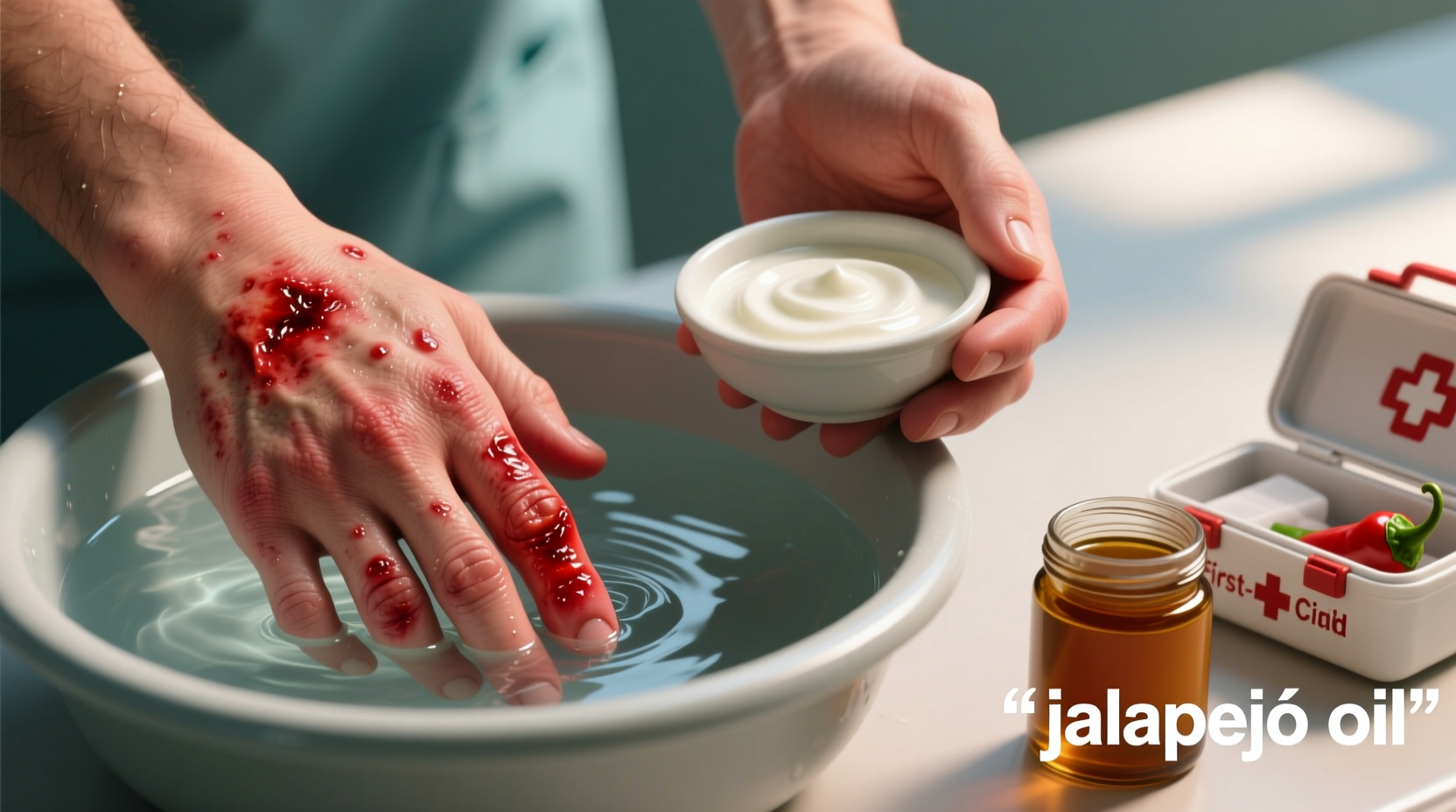
Dairy contains casein, a protein that helps dislodge capsaicin molecules from nerve receptors. Soaking affected fingers in cold milk or applying plain yogurt directly to the skin provides rapid relief. Whole milk is more effective than skim due to higher fat content.
- Submerge hands in a bowl of cold whole milk for 10–15 minutes.
- Apply full-fat yogurt with a spoon and leave for 10 minutes before rinsing with cool water.
2. Apply Isopropyl Alcohol (Rubbing Alcohol)
Since capsaicin dissolves in alcohol, 70% isopropyl alcohol can effectively strip the oil from the skin. Use a cotton ball soaked in alcohol to wipe affected areas thoroughly. Avoid open cuts or cracked skin, as alcohol causes stinging.
- Wipe each finger, focusing on creases and under nails.
- Follow with moisturizer to prevent dryness.
3. Wash with Dish Soap and Fatty Oil
Dish soap is designed to cut through grease and is highly effective against capsaicin. Combine with a small amount of vegetable oil to help dissolve the oil before washing.
- Massage a teaspoon of olive or canola oil into hands for 30 seconds.
- Add a few drops of dish soap (e.g., Dawn, Palmolive).
- Scrub for at least one minute, then rinse with cool water.
4. Use Baking Soda Paste for Soothing Relief
After removing the oil, residual irritation can be calmed with a baking soda paste. This mild alkali helps neutralize acidic residues and reduces itching.
- Mix two parts baking soda with one part water to form a thick paste.
- Apply to affected areas and leave for 10–15 minutes.
- Rinse gently and moisturize.
5. Try Commercial Pepper Pain Relievers
Products like \"Pepper Block\" or \"Hot Sauce Hero\" contain specialized surfactants and solvents formulated to remove capsaicin. These are popular among professional chefs and hot sauce makers who handle large volumes of peppers regularly.
Pro Tip: Keep a small bottle of rubbing alcohol and a bar of glycerin soap near your prep area when working with hot peppers. Quick access reduces exposure time and discomfort.
What Not to Do When Treating Jalapeño Burns
Common misconceptions can worsen the burn or delay recovery. Avoid these practices:
- Don’t use hot water – Heat opens pores and increases capsaicin absorption.
- Don’t rub with bare hands – This spreads the oil to other body parts, especially the face.
- Don’t apply vinegar alone – Despite being acidic, vinegar does not dissolve capsaicin and may irritate skin further.
- Don’t ignore nail hygiene – Capsaicin hides under fingernails; use a brush to clean thoroughly.
“Many line cooks learn the hard way that water makes it worse. We keep a spray bottle of diluted alcohol and a bowl of milk in our prep station during pepper season.” — Carlos Mendez, Executive Chef, El Sabor Modern Mexican
Variants of Jalapeño and Their Risk Levels
All jalapeños contain capsaicin, but heat levels vary significantly depending on growing conditions, age, and variety. Knowing the type you’re handling helps assess risk.
| Jalapeño Type | Heat Level (SHU) | Capsaicin Risk | Notes |
|---|---|---|---|
| Green Jalapeño (fresh) | 2,500–5,000 | Moderate | Most common; milder when young and well-watered |
| Red Jalapeño (ripe) | 4,000–8,000 | High | Sweeter but hotter; more developed capsaicin |
| Smoked Jalapeño (Chipotle) | 2,500–8,000 | High | Dried form retains oil; grinding increases exposure risk |
| “B” Strain Jalapeño | Up to 10,000 | Very High | Breeding strain used commercially; unpredictable heat |
Stressed plants—those exposed to drought or high temperatures—produce more capsaicin as a defense mechanism. A single jalapeño from a dry season can be twice as hot as one grown in ideal conditions.
Comparison with Other Hot Peppers
Jalapeños are often confused with similar-looking peppers, but their oil potency varies widely. Understanding differences prevents misjudging exposure risk.
| Pepper | Scoville Range | Oil Concentration | Handling Caution Level |
|---|---|---|---|
| Jalapeño | 2,500–8,000 | Moderate | Medium (gloves recommended) |
| Serrano | 10,000–23,000 | High | High (latex gloves advised) |
| Habanero | 100,000–350,000 | Very High | Extreme (nitrile gloves + eye protection) |
| Thai Chili | 50,000–100,000 | High | High (oil spreads easily) |
| Poblano | 1,000–2,000 | Low | Low (rarely causes burns) |
While all chili peppers contain capsaicin, smaller, thinner-walled varieties like serranos and Thai chilies have a higher surface-area-to-volume ratio, meaning more oil is released per gram when chopped. Always adjust safety measures based on pepper type.
Prevention: Best Practices for Handling Jalapeños
Preventing exposure is far more effective than treating it. Incorporate these habits into your kitchen routine:
- Wear gloves – Nitrile gloves are preferable to latex, as they offer better chemical resistance. Cotton gloves do not block oil.
- Use dedicated cutting tools – Assign a specific knife and board for peppers to avoid cross-contamination.
- Avoid touching your face – Establish a rule: no face contact until hands are fully cleaned.
- Wash hands immediately after prep – Even if wearing gloves, wash hands afterward in case of micro-tears.
- Label containers – Store cut peppers in clearly marked containers to prevent accidental contact.
Home Kitchen Hack: After dicing jalapeños, place your knife and cutting board in a bowl of soapy water immediately. Let them soak for 10 minutes before scrubbing—this deactivates residual capsaicin.
Practical Tips & FAQs
Can I use hand sanitizer to remove jalapeño oil?
Yes, but with caveats. Most hand sanitizers contain 60–70% alcohol, which helps dissolve capsaicin. However, frequent use dries the skin. Follow with moisturizer and avoid if you have cuts.
What if I get jalapeño oil in my eyes?
Rinse immediately with saline solution or cool water for at least 15 minutes. Do not rub. Seek medical attention if pain persists beyond 30 minutes. Never use milk or oil in the eyes.
Does wearing gloves eliminate the risk?
Gloves reduce risk significantly, but only if worn correctly. Ensure gloves cover the wrists, avoid touching surfaces like light switches or phones while wearing them, and remove them carefully by peeling inside-out to avoid transferring oil.
How long does capsaicin stay on surfaces?
Undiluted capsaicin can remain active on countertops, knives, and towels for up to 24 hours. Clean all surfaces with soapy water or a 1:10 bleach-water solution after handling peppers.
Can I build tolerance to jalapeño burns?
Repeated exposure may desensitize TRPV1 receptors slightly, but it does not prevent oil absorption. Relying on tolerance is risky and not recommended.
Are there any long-term effects?
No. Capsaicin-induced burns are temporary and do not cause scarring or permanent nerve damage. However, chronic exposure without protection may lead to dermatitis in sensitive individuals.
Is it safe to handle jalapeños while pregnant?
Yes, handling is safe. Capsaicin does not enter the bloodstream in harmful amounts through skin contact. However, pregnant women may have heightened skin sensitivity, so gloves are advisable.
Advanced Remedies and Professional Techniques
In culinary schools and professional kitchens, staff are trained in capsaicin management as part of food safety protocols. Some advanced methods include:
- Oil-Soap Emulsion Wash: Mix equal parts vegetable oil and dish detergent. The oil pulls out capsaicin, while the soap emulsifies and removes it.
- Cold Compress After Cleaning: Once the oil is removed, apply a cold compress to constrict blood vessels and reduce residual nerve signaling.
- Oatmeal Soak: Colloidal oatmeal baths calm irritated skin and restore pH balance after repeated exposure.
Some chefs use capsaicin creams (like those for muscle pain) to build localized desensitization, but this should never be done preemptively on hands used for food prep—it alters touch sensitivity and poses contamination risks.
Summary & Key Takeaways
Jalapeño oil burns are a common yet preventable issue in home and professional kitchens. The key to managing them lies in understanding that capsaicin is an oil-based irritant, not a thermal burn. Water will not help—and may worsen the condition. Instead, use fat, alcohol, or specialized cleansers to dissolve and remove the compound.
Immediate treatment with milk, rubbing alcohol, or dish soap breaks the bond between capsaicin and skin receptors. Prevention through glove use, proper tool hygiene, and workspace discipline is the best defense. Remember: the burn is temporary, but smart habits last a lifetime.
Take Action Today: Next time you prepare jalapeños, set up a “pepper station” with nitrile gloves, a bowl of milk, rubbing alcohol, and labeled utensils. Make safety part of your prep routine—your hands will thank you.









