For children on the autism spectrum, play is more than fun—it’s a critical pathway to communication, emotional regulation, and cognitive growth. At age 4, many autistic children are developing foundational skills in language, motor coordination, and social interaction, but they often face challenges with sensory processing, transitions, and self-regulation. Choosing the right toys can make a meaningful difference by providing safe outlets for expression, reducing anxiety, and encouraging developmental progress.
The most effective toys for autistic 4-year-olds are those that align with their unique sensory preferences, promote focus, and offer predictable, calming experiences. These tools aren’t just entertainment—they’re instruments of growth. From tactile fidgets to structured building sets, the right toy can help a child feel grounded, engaged, and capable.
Understanding Sensory Needs at Age 4
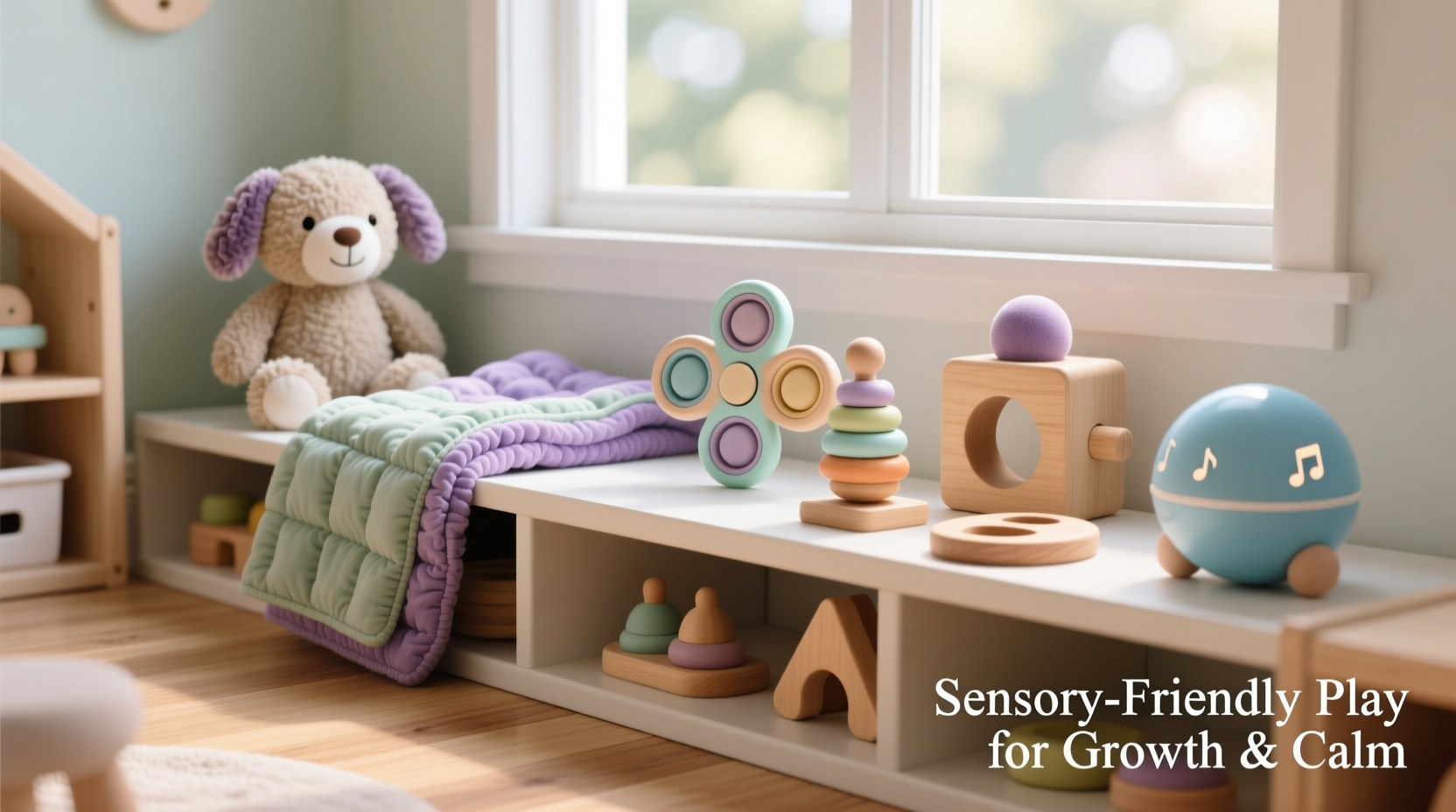
Autistic children often experience the world differently through their senses. Some may be hypersensitive—overwhelmed by bright lights or loud sounds—while others are hyposensitive, seeking intense sensory input like deep pressure or repetitive motion. At age 4, these differences significantly influence how a child engages with toys.
Toys that support sensory integration help regulate the nervous system. For example, a child who is easily overstimulated may benefit from quiet, dimly lit play with soft textures, while a child who seeks movement might thrive with rocking or bouncing activities. The key is matching the toy to the child’s sensory profile, not general assumptions about autism.
Tip: Observe your child’s reactions to different textures, sounds, and movements before selecting toys. A preference for chewing, spinning, or squeezing can guide your choices.Top Categories of Toys That Support Growth and Calm
Not all toys are created equal when it comes to supporting neurodivergent development. The following categories have been consistently recommended by occupational therapists and early intervention specialists for their ability to foster skill-building and emotional regulation.
1. Sensory Fidget Toys
Fidgets provide discreet, repetitive stimulation that helps reduce anxiety and improve focus. Ideal options include pop-it boards, textured rings, or squishy stress balls. These are especially useful during transitions or in overwhelming environments.
2. Weighted and Deep Pressure Items
Weighted lap pads, vests, or stuffed animals apply gentle pressure that mimics a hug, promoting a sense of safety. Research shows deep pressure can lower cortisol levels and increase serotonin, aiding relaxation.
3. Cause-and-Effect Toys
Toys that respond predictably to a child’s action—like a button that plays music or lights up—help build understanding of agency and sequence. These strengthen cognitive development and encourage exploration.
4. Building and Construction Sets
Simple block sets, magnetic tiles, or interlocking foam shapes support fine motor skills, spatial reasoning, and problem-solving. They also allow for open-ended, low-pressure creativity.
5. Pretend Play Kits with Visual Supports
Dramatic play can be challenging for autistic children, but kits with visual cues—such as picture-based grocery sets or emotion cards—make role-playing more accessible and less stressful.
Expert-Recommended Toy Checklist
“Sensory-friendly toys should empower, not overwhelm. Look for items with clear functions, minimal distractions, and opportunities for repetition.” — Dr. Lena Torres, Pediatric Occupational Therapist
Use this checklist to evaluate potential toys before purchasing:
- ✅ Does the toy match the child’s current sensory needs (e.g., calming vs. alerting)?
- ✅ Is it durable and safe for mouthing or rough handling?
- ✅ Can it be used in multiple ways without requiring complex social interaction?
- ✅ Does it have predictable outcomes (e.g., press a button → light turns on)?
- ✅ Is the noise level adjustable or optional?
- ✅ Can it be easily cleaned and stored?
- ✅ Does it encourage fine motor, cognitive, or emotional skills?
Comparison Table: Recommended Toys for Autistic 4-Year-Olds
| Toy Type | Example Products | Key Benefits | Considerations |
|---|---|---|---|
| Sensory Bins | Rice or bean trays with scoops, small toys | Tactile exploration, fine motor practice | Supervise closely; avoid if child mouths objects |
| Pop-It Fidgets | Reusable silicone popping mats in various shapes | Anxiety reduction, focus aid, portable | Limited educational value; best used in moderation |
| Magnetic Tiles | Magformers, PicassoTiles | Spatial reasoning, creativity, motor planning | Small parts; keep away from younger siblings |
| Weighted Lap Pads | 5–7 lb fabric weights filled with glass beads | Deep pressure for calming during seated tasks | Use only under supervision; not for sleep |
| Cause-and-Effect Lights | Light-up projectors, musical buttons | Teaches action-consequence, encourages engagement | May be too stimulating for sound-sensitive children |
A Real Example: How One Family Found Success
The Rivera family noticed their 4-year-old son Mateo became overwhelmed during car rides and doctor visits. He would cover his ears, cry, and sometimes bolt. After consulting with an occupational therapist, they introduced a “calm-down kit” containing a small pop-it, a textured teether, and a mini flashlight with color-changing LEDs.
Within two weeks, Mateo began reaching for the pop-it during stressful moments. The rhythmic popping gave him control over his environment. His parents added a weighted lap pad during story time, which helped him sit longer without stimming excessively. Over time, these simple tools reduced meltdowns and increased his willingness to try new activities.
This case illustrates how targeted toy selection—based on observation and professional guidance—can lead to tangible improvements in daily functioning.
Step-by-Step Guide to Choosing the Right Toy
- Observe Your Child’s Behavior: Note what calms them down (rocking, chewing, squeezing) and what triggers distress (noise, touch, unpredictability).
- Identify Developmental Goals: Are you aiming to improve fine motor skills, emotional regulation, or communication?
- Select a Toy Category: Match the goal with one of the recommended types (e.g., fidgets for regulation, blocks for motor skills).
- Test with Supervision: Introduce the toy in a low-stress setting. Watch for signs of engagement or discomfort.
- Evaluate and Adjust: If the toy causes agitation or disinterest, try a variation (e.g., quieter, softer, or more tactile).
- Incorporate into Routine: Use the toy during transitions, waiting times, or learning activities to build consistency.
Frequently Asked Questions
Are electronic toys suitable for autistic 4-year-olds?
Some electronic toys can be beneficial if they offer cause-and-effect feedback or visual stimulation without excessive noise. However, choose models with volume controls and avoid those with flashing lights if your child is visually sensitive. Balance screen-based toys with hands-on, tactile options.
How many toys should my child have out at once?
Limit active toys to 3–5 at a time. Too many choices can lead to overstimulation and difficulty focusing. Use rotation to maintain novelty and prevent clutter, which can be anxiety-inducing for some autistic children.
Can toys really help with emotional regulation?
Yes. When selected intentionally, toys act as tools for self-regulation. A child who squeezes a stress ball or rocks in a balance disc is using sensory input to manage emotions. These behaviors are functional, not disruptive, and should be supported rather than discouraged.
Final Thoughts: Empower Through Play
Choosing toys for an autistic 4-year-old isn’t about trends or popularity—it’s about purpose. Every item should serve a role in fostering calm, building skills, and honoring the child’s unique way of experiencing the world. By focusing on sensory compatibility, durability, and developmental relevance, caregivers can create a play environment that nurtures confidence and reduces stress.
Start small. Try one new toy at a time. Pay attention to what works—and what doesn’t. With thoughtful selection and consistent support, playtime can become a powerful force for growth, connection, and joy.
💬 Have a toy that transformed your child’s day? Share your experience in the comments and help other families discover what works.








