Dogs come in all shapes, sizes, and temperaments, but while most people are familiar with Labradors, German Shepherds, or French Bulldogs, there exists a world of rare and little-known breeds that have remained hidden from the mainstream spotlight. These dogs often originate from remote regions, were bred for specific tasks, or simply never gained popularity beyond their native lands. What unites them is their rarity, unique characteristics, and the fascinating stories behind their existence. Exploring these uncommon breeds isn’t just a journey into canine diversity—it’s a glimpse into cultural history, survival, and adaptation.
The Allure of Rare Dog Breeds
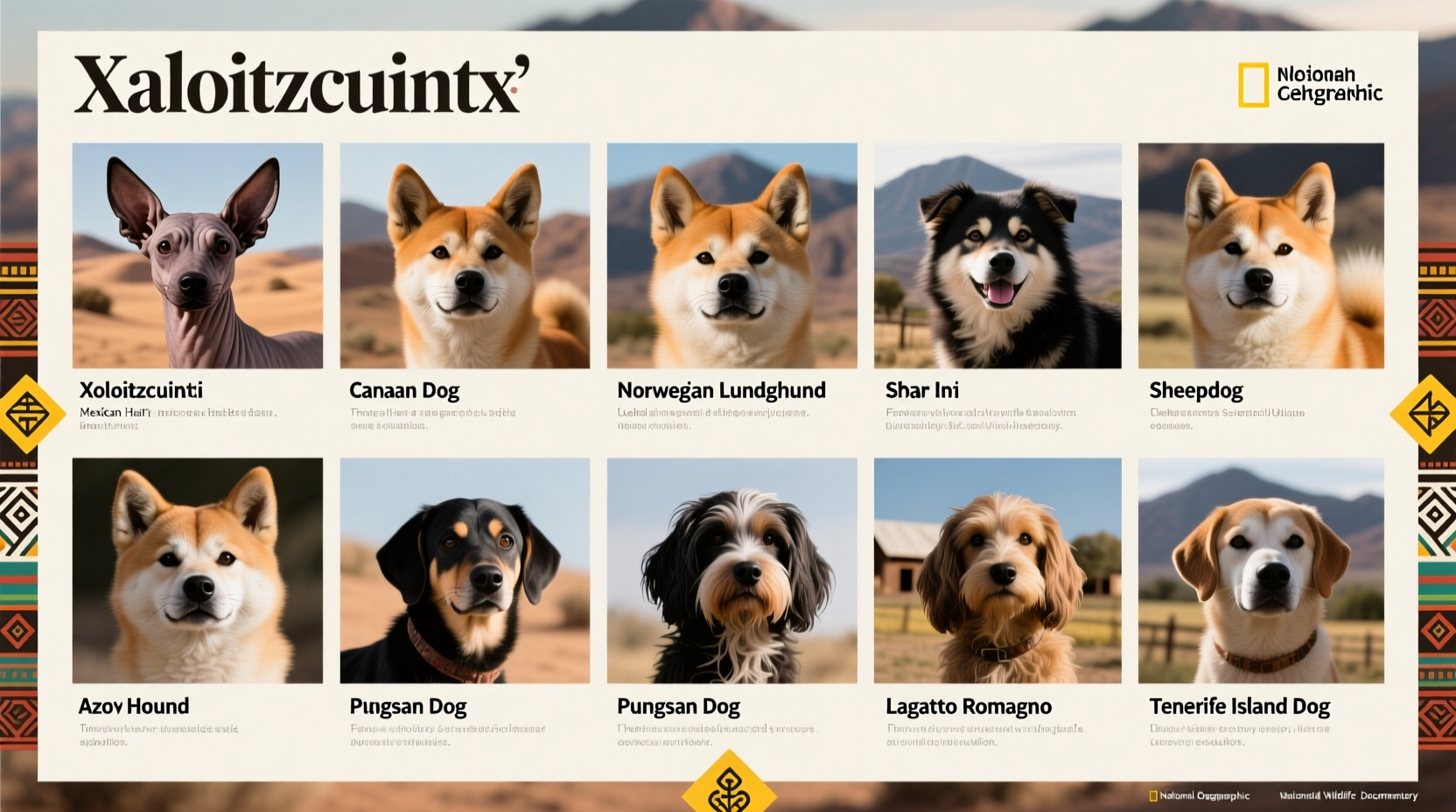
Rare dog breeds often carry centuries of tradition, developed to thrive in extreme climates, guard livestock, or assist in hunting under challenging conditions. Unlike mass-bred companions, many of these dogs remain close to their original purpose, preserving traits that modern breeding has diluted. Their rarity isn’t always due to low numbers alone; some are protected by national heritage laws, others are difficult to breed outside their native environments, and a few are so regionally specific that international export is nearly impossible.
For enthusiasts, owning or even learning about these breeds offers a deeper connection to global canine heritage. However, rarity also brings responsibility—preserving genetic health, respecting cultural significance, and avoiding exploitative breeding practices.
Tip: If considering a rare breed, research breed-specific health issues and ensure your breeder is ethical and preservation-focused, not profit-driven.1. Norwegian Lundehund
Pronounced “LOON-duh-hoond,” this small spitz-type dog from Norway was originally bred to hunt puffins along steep coastal cliffs. The Lundehund possesses extraordinary physical adaptations: six fully functional toes per foot for gripping rocks, flexible shoulder joints allowing sideways movement, and the ability to close its ears to keep out debris. Perhaps most astonishingly, it can bend its head backward to touch its spine—a trait unmatched in any other breed.
After the decline of puffin hunting, the breed nearly vanished. A devastating intestinal disease in the 20th century reduced the population to just a handful of dogs. Today, all Lundehunds descend from a single female, making genetic diversity a major concern.
“Breeds like the Lundehund remind us how specialized dogs once were. They weren’t just pets—they were tools shaped by necessity.” — Dr. Lena Johansen, Canine Evolution Biologist
2. Mudi
Hailing from Hungary, the Mudi (pronounced “MOO-dee”) is a herding dog known for intelligence, agility, and a striking curly coat that comes in black, white, gray, brown, or merle. Often confused with the Puli or Pumi, the Mudi is more versatile, excelling in herding, search-and-rescue, and even therapy work.
Despite being recognized by the FCI (Fédération Cynologique Internationale), the Mudi remains scarce outside Central Europe. Its alert nature and strong prey drive make it ideal for active families, though early socialization is essential.
3. Peruvian Inca Orchid
This elegant, hairless breed dates back over 3,000 years and was revered by pre-Columbian civilizations. Available in toy, miniature, and standard sizes, the Peruvian Inca Orchid (also called *Perro Sin Pelo del Perú*) forms deep bonds with its owners and requires skin protection from sun and cold due to its lack of fur.
According to legend, the dogs were believed to possess healing powers, warming the sick with their body heat. Though now recognized by the American Kennel Club, fewer than 1,000 exist worldwide.
4. Otterhound
Bred in England to hunt otters—a practice banned in 1978—the Otterhound is a shaggy, large scent hound with webbed feet and an exceptional nose. With a population hovering around 600 globally, it's listed as \"critically endangered\" by The Kennel Club (UK).
Despite its rugged appearance, the Otterhound is gentle, sociable, and surprisingly good with children. Its deep, melodious bark, known as \"giving tongue,\" can carry for miles—an asset when working in dense reed beds.
5–10: More Hidden Gems of the Canine World
| Breed | Origin | Key Traits | Estimated Global Population |
|---|---|---|---|
| Akita Inu (Japanese) | Japan | Loyal, dignified, independent; distinct bear-like face | ~20,000 (rare outside Japan) |
| Xoloitzcuintli (Xolo) | Mexico | Ancient hairless breed; spiritual significance in Aztec culture | ~1,500–2,000 |
| Kooikerhondje | Netherlands | Used to lure ducks into traps; fox-like appearance, playful | ~1,200 |
| Silken Windhound | USA (developed) | Graceful sighthound; hypoallergenic coat, bred for companionship | ~800 |
| Tamaskan Dog | UK/Ireland (developed) | Wolf-like appearance; highly intelligent, bred from husky-types | ~1,000 |
| Cesky Terrier | Czech Republic | Rare terrier with long silky coat; calm temperament | ~500–600 |
Why Are These Breeds So Rare?
The reasons behind a breed’s rarity vary widely. Some, like the Norwegian Lundehund, suffered near-extinction due to shifts in human activity. Others, such as the Peruvian Inca Orchid, were culturally sacred and thus not widely distributed. Modern factors include:
- Geographic isolation: Breeds like the Kooikerhondje were used in very specific regional tasks.
- Low genetic diversity: Many rare breeds stem from small founder populations, increasing health risks.
- Lack of recognition: Without AKC or FCI status, breeds struggle to gain visibility.
- Ethical breeding limitations: Responsible breeders avoid overbreeding, limiting availability.
Mini Case Study: Reviving the Kooikerhondje
In the 1930s, Dutch noblewoman Baroness van Hardenbroek van Ammerstol embarked on a mission to save the Kooikerhondje, a breed nearly lost after duck trapping fell out of use. Using old paintings and scattered farm dogs, she reconstructed the breed through careful selection. By the 1970s, the Kooikerhondje was officially recognized in the Netherlands. Today, it’s still rare but growing in popularity as a companion dog, prized for its calm demeanor and adaptability. This revival underscores how dedicated individuals can preserve canine heritage—one thoughtful litter at a time.
How to Responsibly Explore Rare Breeds
Fascination with rare dogs can lead to impulsive decisions. To engage ethically and knowledgeably, follow this checklist:
- Research thoroughly: Learn about the breed’s history, temperament, and care needs.
- Contact breed clubs: Reach out to official organizations for breeder recommendations.
- Avoid online puppy mills: If a rare dog is offered quickly and cheaply, it’s likely unethical.
- Consider adoption: Some rare breeds end up in rescues due to owner surrender.
- Understand health risks: Many rare breeds have inherited conditions; request health clearances.
FAQ
Are rare dog breeds more expensive?
Generally, yes. Due to limited supply and high demand, puppies from ethical breeders can cost $2,000–$5,000 or more. However, high price doesn’t guarantee quality—always verify breeder credibility.
Can I show a rare breed in competitions?
It depends on recognition. Breeds like the Mudi and Xoloitzcuintli are eligible for AKC events, while others may only compete in rare breed shows or international venues.
Do rare dogs make good family pets?
Some do, but many were bred for work, not cuddling. Temperament varies widely—research is key. For example, the Silken Windhound thrives in homes with children, while the Tamaskan requires experienced handling.
Conclusion
The world of rare dogs is rich with history, resilience, and quiet beauty. From the ancient Peruvian Inca Orchid to the agile Mudi, these breeds offer something beyond popularity—they represent living links to forgotten ways of life, specialized skills, and cultural identity. While owning one may not be feasible for everyone, appreciating their existence fosters a deeper understanding of canine diversity. Whether you’re a seasoned enthusiast or a curious observer, take time to learn about these remarkable animals. Share what you discover, support preservation efforts, and celebrate the quiet heroes of the dog world who’ve stayed rare—not by accident, but by design.
💬 Did you know about any of these breeds before? Have you met a rare dog in person? Share your experiences in the comments and help spread awareness of these incredible, overlooked companions!








