Grooming is more than just a beauty routine for pets—it’s essential for their health, comfort, and bond with you. Regular brushing removes loose fur, prevents matting, stimulates blood circulation, and reduces allergens in your home. With so many brushes on the market, choosing the right one can feel overwhelming. The ideal tool depends on your pet’s coat type, size, and sensitivity. After extensive research and consultation with professional groomers, we’ve compiled a list of the top 10 pet hair brushes that deliver real results—minimizing shedding and maximizing ease.
Why the Right Brush Matters
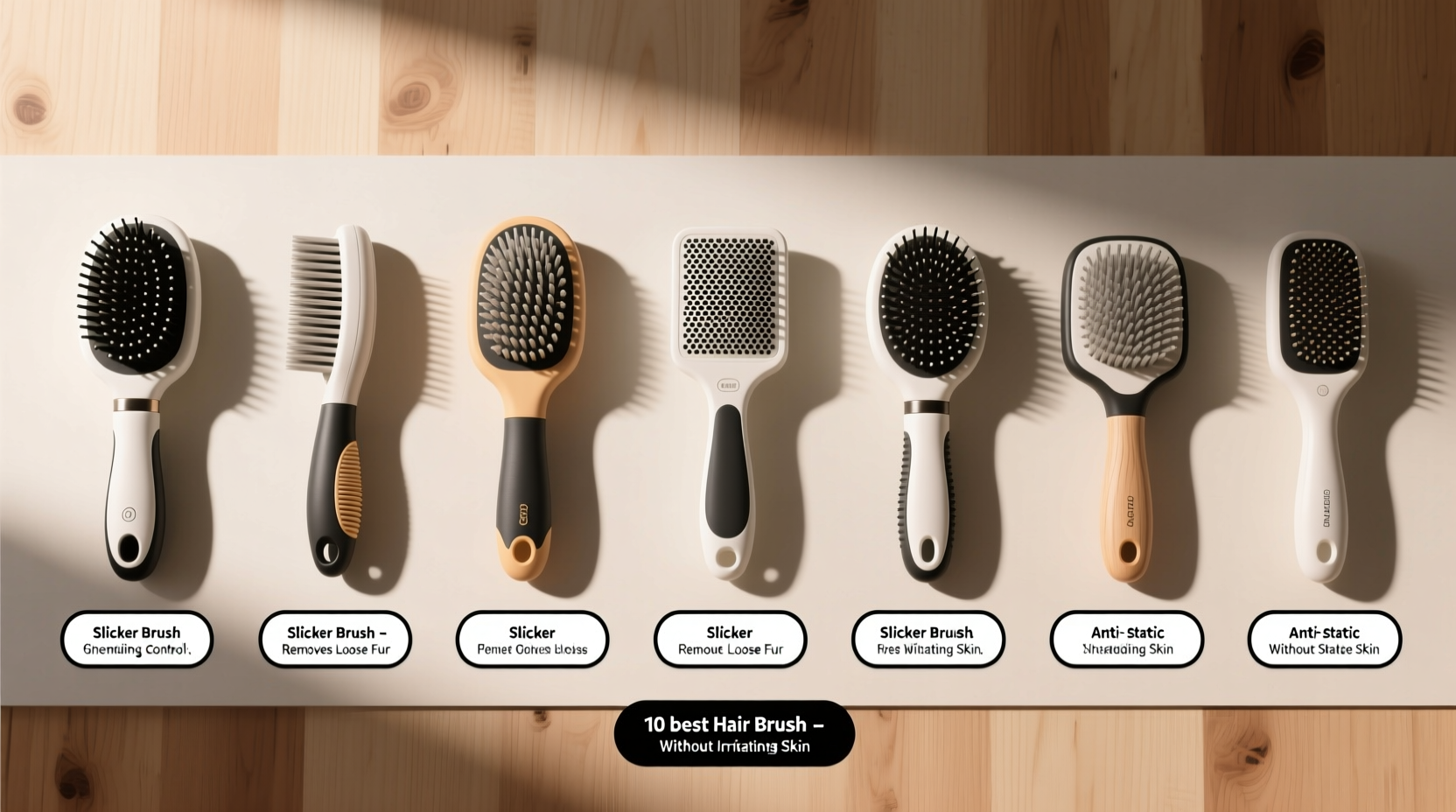
Using the wrong brush can cause discomfort, skin irritation, or even damage to your pet’s coat. A slicker brush may be perfect for a Poodle but too harsh for a short-haired Dachshund. Similarly, a deshedding tool works wonders during peak shedding seasons but isn’t suitable for daily use on delicate undercoats.
The best brushes combine effectiveness with gentleness. They remove dead hair efficiently while distributing natural oils along the coat, leaving it shiny and healthy. For owners, the right brush means less time battling fur-covered furniture and fewer allergy flare-ups.
“Daily brushing with the appropriate tool can reduce shedding by up to 90% and prevent serious skin conditions.” — Dr. Laura Simmons, Veterinary Dermatologist
Top 10 Best Pet Hair Brushes for Effortless Grooming
- Furminator deShedding Tool for Dogs – Ideal for double-coated breeds like Huskies and Golden Retrievers. Its fine metal bristles reach under the topcoat to remove loose undercoat without damaging the skin.
- Hertzko Self-Cleaning Slicker Brush – A favorite among cat owners and small dog breed enthusiasts. The retractable bristles make cleanup effortless, and its gentle design suits sensitive pets.
- Safari Dual-Sided Pin & Bristle Brush – Versatile and durable, this brush features pin bristles on one side for detangling and soft bristles on the other for polishing the coat.
- Chris Christensen Oval Pin Brush – A premium option for long-haired dogs like Maltese or Shih Tzus. Handcrafted with high-quality wood and flexible pins for smooth gliding through tangles.
- Andis Premium Pet Steel Comb – Not a brush, but an essential grooming companion. Perfect for detecting hidden mats and checking for fleas or skin irritations.
- Pet Neat One-Handed Deshedding Glove – Worn like a glove, this tool turns petting into grooming. Great for cats and nervous pets who dislike traditional brushes.
- KONG ZoomGroom – A rubber grooming mitt that massages the skin while lifting loose fur. Safe for daily use and doubles as a bath-time scrubber.
- SleekEZ Original Grooming Tool – Unique texture removes shedding fur quickly without cutting or pulling. Works well on both dogs and cats, especially during heavy shedding periods.
- Barkworthies Double Sided Dog Brush – Affordable and effective. One side has metal pins for detangling; the other features soft bristles for finishing.
- Geared Up Pets Furminator Alternative – A budget-friendly deshedding tool with ergonomic design and stainless steel edges. Excellent for medium to large dogs.
Choosing the Right Brush by Coat Type
Selecting a brush isn’t one-size-fits-all. Consider your pet’s coat when making a decision:
- Short Coats (e.g., Beagles, Boxers): Use rubber grooming mitts or bristle brushes to remove dead hair and add shine.
- Long Coats (e.g., Collies, Persians): Require daily use of pin brushes and combs to prevent painful mats.
- Double Coats (e.g., Samoyeds, Newfoundlands): Need deshedding tools during seasonal blowouts and undercoat rakes for deep cleaning.
- Curls or Waves (e.g., Poodles, Bichons): Benefit from slicker brushes and metal combs to maintain shape and prevent tight knots.
| Coat Type | Recommended Brush | Frequency |
|---|---|---|
| Short & Smooth | KONG ZoomGroom, Rubber Mitt | 2–3 times per week |
| Long & Silky | Chris Christensen Pin Brush, Metal Comb | Daily |
| Thick Double Coat | Furminator, Undercoat Rake | 2–3 times weekly (daily during shedding season) |
| Corded or Curly | Slicker Brush, Wide-Tooth Comb | Daily |
| Wire-Haired | Pin Brush, Stripping Comb | Every other day |
Step-by-Step Guide to Effective Brushing
Follow this simple process to make grooming stress-free and productive:
- Prepare Your Space: Choose a quiet area with good lighting. Keep treats nearby to reward calm behavior.
- Inspect the Coat: Run your fingers through the fur to detect mats, hot spots, or foreign objects.
- Start with a Comb: Use a wide-tooth comb to loosen surface tangles, especially behind ears and under legs.
- Use the Primary Brush: Apply moderate pressure in strokes following the grain of the hair. Work in sections for long coats.
- Focus on Problem Areas: Elbows, tail base, and belly often collect debris and mats. Be extra gentle here.
- Finish with a Soft Brush or Mitt: This polishes the coat and removes any remaining loose fur.
- Reward and Clean Up: Offer praise and a treat. Empty the brush or clean the glove immediately.
Mini Case Study: Managing Seasonal Shedding in a Siberian Husky
Sarah, a pet owner in Minnesota, struggled each spring with her two-year-old Husky, Luna. Her home was covered in fur, and Luna developed minor skin irritation from trapped undercoat. After consulting a professional groomer, Sarah introduced the Furminator deShedding Tool into her routine—using it three times a week during peak shedding months. She paired it with weekly baths using a moisturizing shampoo and followed up with a pin brush to smooth the topcoat.
Within three weeks, Sarah noticed a dramatic reduction in household fur and no further skin issues. Luna began to enjoy grooming time, associating it with attention and treats. The consistent routine not only improved Luna’s coat condition but also strengthened their bond.
Common Mistakes to Avoid
- Skipping regular brushing: Even low-shedding breeds benefit from weekly grooming.
- Using human brushes: These aren’t designed for animal skin and can cause irritation.
- Brushing too hard: Aggressive strokes can lead to soreness and fear of grooming.
- Ignoring tool maintenance: Dirty brushes harbor bacteria and lose effectiveness.
- Using deshedding tools daily: Overuse can strip the protective undercoat and dry the skin.
FAQ
How often should I brush my pet?
It depends on coat type. Short-haired pets need brushing 2–3 times a week, while long- or double-coated breeds require daily attention, especially during shedding season.
Can I use the same brush for my dog and cat?
Some brushes, like grooming gloves or soft slickers, are safe for both. However, cats generally have more sensitive skin, so opt for gentler tools and avoid aggressive deshedding tools unless recommended by a vet.
Do brushing tools really reduce shedding?
Yes—when used correctly, quality brushes capture loose fur before it falls onto your floors and furniture. Regular grooming can reduce visible shedding by up to 80%, according to veterinary studies.
Checklist: Preparing for a Successful Grooming Session
- ✔ Choose the right brush for your pet’s coat type
- ✔ Check for tangles or skin issues before starting
- ✔ Have treats ready for positive reinforcement
- ✔ Work in a calm, distraction-free environment
- ✔ Brush in sections, following the direction of hair growth
- ✔ Clean the brush after each use
- ✔ Reward your pet with affection and a treat afterward
Conclusion
Grooming shouldn’t be a chore—for you or your pet. With the right brush and a consistent approach, it becomes a moment of connection, care, and cleanliness. From reducing allergens in your home to preventing painful mats, the benefits of proper brushing extend far beyond appearance. Whether you own a fluffy Maine Coon or a sleek Labrador, there’s a brush on this list that will make grooming easier and more effective.
💬 Ready to transform your pet’s grooming routine? Try one of these top-rated brushes today and experience the difference firsthand. Share your favorite tool or grooming tip in the comments below!








