
For many elderly women, a dog is more than a pet—it's a loyal companion, a source of emotional stability, and a daily motivator. As energy levels shift and living situations become quieter, choosing the right breed becomes essential. The ideal dog should offer affection, require manageable care, and thrive in a calm environment. This guide highlights the top 10 breeds that provide both comfort and companionship, backed by temperament, size, grooming needs, and adaptability to senior lifestyles.
Why Dogs Are Ideal Companions for Elderly Women
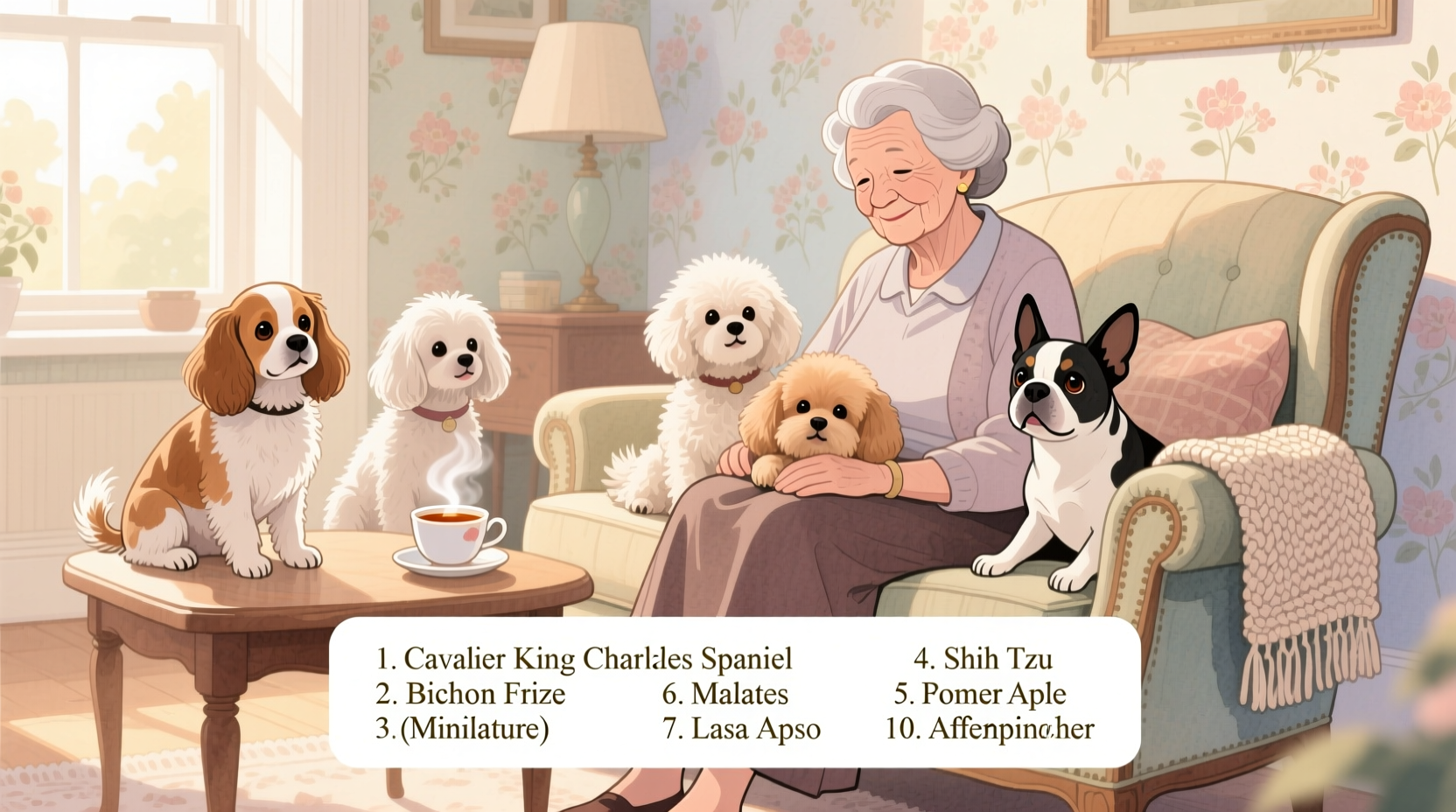
Loneliness and social isolation are common challenges in later life. Studies from the National Institute on Aging show that pet ownership, particularly dogs, can reduce stress, lower blood pressure, and encourage light physical activity through short walks. For elderly women living independently or in retirement communities, a well-suited dog offers unconditional love, routine, and a renewed sense of purpose.
Dogs stimulate mental engagement—feeding schedules, vet visits, and playtime keep cognitive functions active. Moreover, their presence can deter anxiety and depression. But not all breeds are equally suited. Smaller, calm, and low-energy dogs typically align better with the pace and physical demands of senior life.
“Dogs provide emotional anchoring during times of transition. A small, affectionate breed can be a lifeline for an aging woman seeking connection.” — Dr. Helen Reeves, Veterinary Behavioral Specialist
Top 10 Best Dogs for Elderly Women: A Comprehensive List
The following breeds were selected based on temperament, size, exercise needs, grooming demands, and compatibility with older adults. Each brings unique strengths to enhance comfort and companionship.
- Cavalier King Charles Spaniel – Gentle, affectionate, and eager to please, this breed thrives on human contact. Their moderate energy level suits apartment living.
- Poodle (Toy/Miniature) – Intelligent and hypoallergenic, poodles bond deeply with one person and are easy to train. Minimal shedding makes them ideal for sensitive individuals.
- Shih Tzu – Known for their sweet disposition and lap-loving nature, Shih Tzus are adaptable and enjoy lounging as much as light play.
- Bichon Frise – Cheerful and resilient, Bichons are small, non-shedding, and form strong attachments. They respond well to gentle routines.
- Pomeranian – Despite their tiny size, Pomeranians are alert and spirited. They’re excellent watchdogs and enjoy being involved in household activities.
- Maltese – With a silky coat and soft temperament, Maltese dogs are quiet, portable, and thrive in serene environments.
- Greyhound (Retired) – Often misunderstood as high-energy, retired racing Greyhounds are actually couch-loving and calm. Their large size belies a gentle soul.
- French Bulldog – Low on exercise needs and high on personality, Frenchies adapt well to indoor living and adore attention.
- Chihuahua – Compact and loyal, Chihuahuas bond intensely with one person and are easy to carry or keep close.
- Yorkshire Terrier – Brave and bright, Yorkies are small enough for apartments but bold enough to provide confidence in daily routines.
Choosing the Right Dog: Key Factors to Consider
Selecting a dog isn’t just about breed; it’s about matching lifestyle, health, and long-term capability. Below is a comparison table summarizing critical traits across the top breeds.
| Breed | Avg. Size | Exercise Needs | Grooming Level | Lifespan |
|---|---|---|---|---|
| Cavalier King Charles Spaniel | 13–18 lbs | Moderate | High (daily brushing) | 12–15 years |
| Toy Poodle | 6–9 lbs | Low-Moderate | High (professional grooming) | 12–15 years |
| Shih Tzu | 9–16 lbs | Low | High (daily coat care) | 10–16 years |
| Bichon Frise | 12–18 lbs | Moderate | High (regular clipping) | 12–15 years |
| French Bulldog | 16–28 lbs | Low | Low (weekly wipe-down) | 10–12 years |
Health & Long-Term Care Considerations
Elderly owners should evaluate their ability to manage potential health issues. Breeds like Pugs and French Bulldogs may have breathing difficulties, while Toy breeds can be prone to dental issues. Opt for breeds with fewer hereditary conditions and consider pet insurance to offset future veterinary costs.
Real-Life Example: Margaret and Her Cavalier King Charles Spaniel
Margaret, 74, lives alone in a two-bedroom condo after her husband passed. She felt increasingly isolated until she adopted Daisy, a three-year-old female Cavalier King Charles Spaniel from a local rescue. Within weeks, Margaret noticed changes: she was waking up earlier to take Daisy outside, smiling more during walks in the park, and even chatting with neighbors at the dog-friendly café nearby. Daisy sleeps beside her at night, easing her anxiety during storms. “She doesn’t just keep me company,” Margaret says. “She gives me a reason to stay active and engaged.”
Actionable Checklist Before Adopting a Dog
Bringing a dog into your life is a joyful decision, but preparation ensures long-term success. Use this checklist to assess readiness:
- ✅ Evaluate your physical ability to handle feeding, cleaning, and light walking
- ✅ Confirm pet policies if you live in a rental or retirement community
- ✅ Budget for food, vet visits, grooming, and emergency care ($50–$150/month)
- ✅ Arrange reliable pet-sitting for vacations or medical appointments
- ✅ Visit shelters or reputable breeders to meet dogs in person
- ✅ Choose an adult dog over a puppy for easier integration
- ✅ Set up a cozy space with bed, food bowls, and toys before bringing the dog home
Frequently Asked Questions
Can an elderly woman handle a dog alone?
Yes, especially when choosing a small, low-maintenance breed. Many senior-friendly dogs require only short walks and minimal grooming. Support from family, neighbors, or pet services can also help maintain care routines.
Are there financial assistance programs for senior pet owners?
Several organizations, such as the Pet Fund and local humane societies, offer grants or discounted veterinary care for seniors. Some shelters even have “senior for senior” adoption programs pairing older adults with mature dogs at reduced fees.
What if I outlive my dog—or vice versa?
It’s wise to plan ahead. Include pet provisions in your will or designate a trusted friend or relative as a backup caregiver. Some sanctuaries accept pets upon owner passing, ensuring they’re cared for.
Final Thoughts: A Companion That Enriches Life
A dog chosen with care can transform the golden years into a time of warmth, laughter, and meaningful connection. The breeds listed here are not just small or quiet—they’re emotionally intelligent, devoted, and capable of forming bonds that heal and inspire. Whether it’s a Maltese curling up on the couch or a retired Greyhound resting at your feet, the right dog brings more than comfort. It brings purpose.
💬 Have you found joy with a furry companion in your later years? Share your story in the comments and inspire others to embrace the love only a dog can give.








