Tomatoes are a staple in many human diets, prized for their rich flavor and nutritional value. But when it comes to sharing food with our canine companions, caution is essential. While ripe tomatoes may seem harmless, certain parts of the plant can pose serious health risks to dogs. Understanding the balance between safety and danger is crucial for pet owners who want to make informed decisions about what goes into their dog’s bowl.
Dogs are naturally curious and often beg for table scraps. If you're enjoying a salad or slicing tomatoes for a sandwich, your pup might be watching closely. Before offering even a small piece, it's important to know which components of the tomato are safe—and which could lead to poisoning.
The Science Behind Tomato Toxicity in Dogs
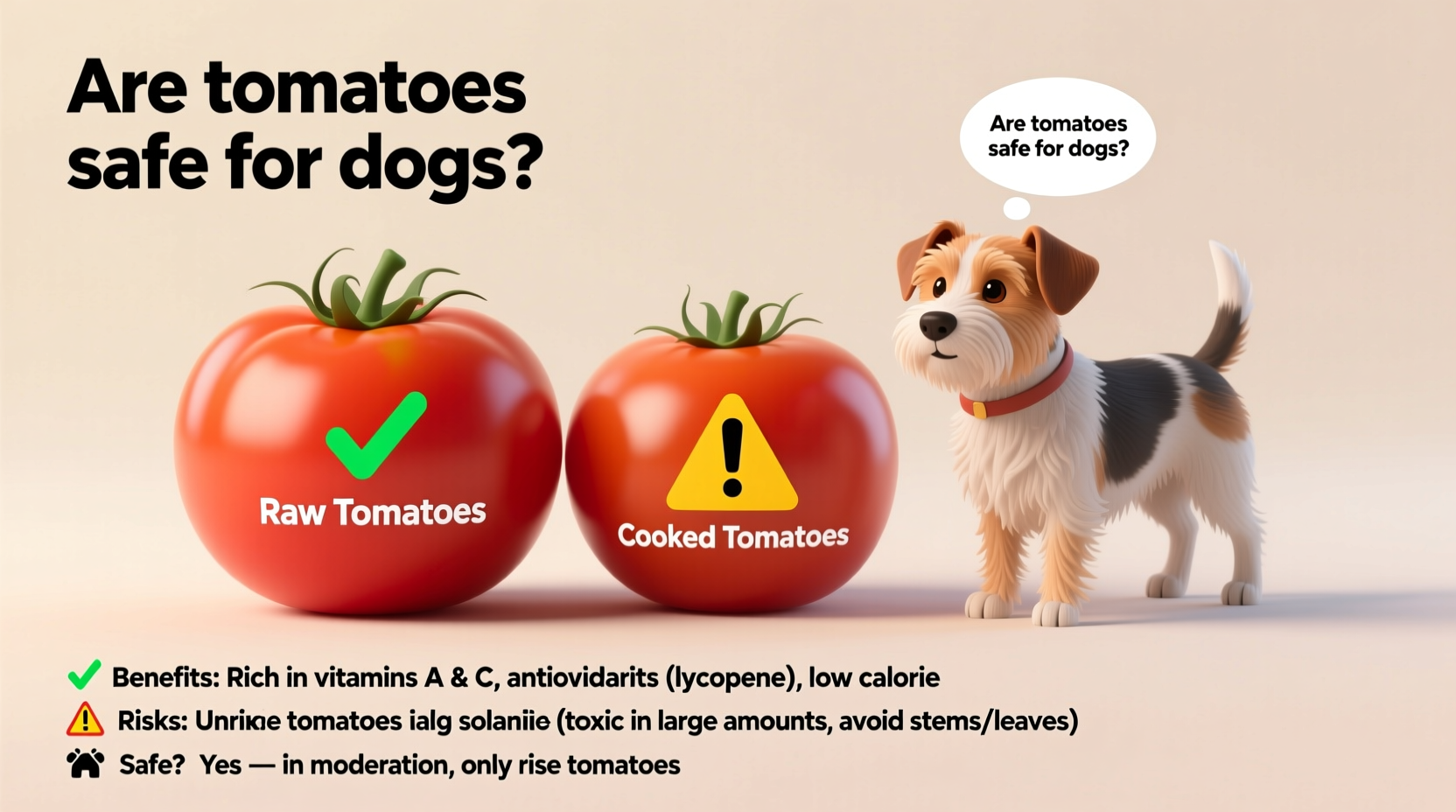
Tomatoes belong to the nightshade family (Solanaceae), which includes plants like potatoes, eggplants, and peppers. These plants produce natural compounds called alkaloids as a defense mechanism. In tomatoes, the primary concern is **tomatine**, a glycoalkaloid found predominantly in the green parts of the plant—such as the leaves, stems, and unripe (green) fruit.
Tomatine levels are highest in immature tomatoes and decrease significantly as the fruit ripens. Ripe red tomatoes contain very low levels of tomatine, making them much less toxic. However, sensitivity varies among dogs, and even small amounts of green plant material can cause gastrointestinal upset or more severe symptoms in sensitive individuals.
“While ripe tomato flesh is generally safe in moderation, the green parts of the tomato plant should be considered potentially toxic to dogs.” — Dr. Laura Bennett, DVM, Veterinary Toxicologist
Risks of Feeding Tomatoes to Dogs
Despite the occasional safe treat, there are real dangers associated with improper tomato consumption by dogs:
- Gastrointestinal distress: Vomiting, diarrhea, and abdominal pain are common signs of mild tomato toxicity.
- Neurological symptoms: In severe cases—usually from ingesting large quantities of green tomatoes or plant matter—dogs may experience drowsiness, confusion, an increased heart rate, or muscle weakness.
- Potential cardiac effects: Tomatine can interfere with cell membranes and, in high doses, may affect heart function.
Dogs with pre-existing health conditions, such as kidney disease or digestive sensitivities, are at higher risk. Puppies and small breeds are also more vulnerable due to their lower body weight.
Tip: Always remove stems, leaves, and any green portions before considering offering tomato to your dog—even if the fruit appears mostly ripe.When Are Tomatoes Safe for Dogs?
Ripe, red tomatoes—with all green parts removed—can be safe for dogs in small amounts. The fleshy part of the mature fruit contains antioxidants like lycopene, vitamin C, and beta-carotene, which may offer some health benefits. Lycopene, in particular, has been studied for its potential role in supporting heart health and reducing oxidative stress.
However, these benefits must be weighed against the minimal nutritional need dogs have for plant-based nutrients. Canines are primarily carnivorous, and their digestive systems aren’t optimized for processing large volumes of fruits and vegetables.
If you choose to feed your dog tomato, do so only occasionally and in controlled portions. One or two small cubes of ripe, raw tomato (without seasoning, oil, or salt) is sufficient for most medium to large dogs. Smaller breeds should receive even less.
Safe vs. Unsafe Tomato Forms for Dogs
| Serving Form | Safe for Dogs? | Notes |
|---|---|---|
| Ripe red tomato (raw, plain) | Yes (in moderation) | Remove skin if digestion is sensitive; avoid seasonings |
| Green (unripe) tomatoes | No | High in tomatine; can cause poisoning |
| Tomato leaves or stems | No | Highly toxic; never allow access |
| Canned tomatoes or sauces | No | Often contain garlic, onions, salt, or spices—all harmful to dogs |
| Tomato soup (store-bought) | No | High sodium and additives; onion/garlic common ingredients |
| Homemade tomato broth (plain, no seasoning) | Marginal | Only if made from ripe tomatoes and vet-approved |
Recognizing Tomato Poisoning in Dogs
If your dog consumes green tomatoes or plant material, monitor them closely for signs of toxicity. Symptoms typically appear within a few hours and may include:
- Vomiting or diarrhea
- Lethargy or weakness
- Excessive drooling
- Loss of appetite
- Confusion or dilated pupils
- Incoordination or tremors
If you suspect tomato poisoning, contact your veterinarian immediately. There is no antidote for tomatine toxicity, but treatment focuses on supportive care—such as inducing vomiting (if recent ingestion), administering activated charcoal, and managing symptoms.
Mini Case Study: Bella the Beagle
Bella, a 2-year-old beagle, got into her owner’s garden and chewed on several green tomato plants while unsupervised. Within three hours, she became unusually quiet, began drooling excessively, and vomited twice. Her owner noticed pieces of green leaves in the vomit and immediately contacted the emergency vet.
Bella was given intravenous fluids and monitored overnight. Blood work showed mild liver enzyme elevation, likely due to toxin exposure. After 24 hours of care, she recovered fully. The vet emphasized keeping all nightshade plants out of reach and supervising outdoor time in gardens.
Tip: Train your dog to respond to “leave it” commands to prevent ingestion of harmful plants during walks or yard play.Step-by-Step Guide to Safely Offering Tomato to Your Dog
- Choose a fully ripe, red tomato – Avoid any with green spots or firmness indicating immaturity.
- Wash thoroughly – Remove pesticides or contaminants with clean water.
- Remove all green parts – Discard stems, leaves, and calyx.
- Peel (optional) – Some dogs struggle to digest tomato skin; peeling reduces risk of stomach upset.
- Cut into small cubes – No larger than ½ inch to prevent choking.
- Offer a tiny portion first – Start with one cube and wait 24 hours to check for adverse reactions.
- Avoid repetition – Limit to once every few weeks, not a regular treat.
Frequently Asked Questions
Can dogs eat cherry tomatoes?
Yes, if they are fully ripe and served without stems or leaves. Due to their size, cherry tomatoes should be halved or quartered to prevent choking, especially in small dogs.
Is cooked tomato safer than raw?
Not necessarily. Cooking doesn’t eliminate tomatine entirely, and most cooked tomato products (like sauces or stews) contain ingredients toxic to dogs, such as onions, garlic, or salt. Plain, lightly steamed ripe tomato flesh may be easier to digest for some dogs, but it’s still not recommended regularly.
What should I do if my dog eats a whole tomato plant?
Contact your veterinarian or an animal poison control center immediately. Provide details on the amount ingested and whether green parts were involved. Do not wait for symptoms to appear.
Checklist: Is It Safe to Share Tomatoes with Your Dog?
- ✅ Tomato is fully red and ripe
- ✅ Green parts (stem, leaves, calyx) have been completely removed
- ✅ No seasonings, salt, oil, garlic, or onions added
- ✅ Portion is small (1–2 cubes for medium dogs)
- ✅ Dog has no history of digestive issues or allergies
- ✅ This is an occasional treat, not a dietary staple
Final Thoughts and Recommendations
While the ripe fruit of the tomato is not inherently dangerous, the risks associated with the plant’s natural toxins mean that caution should always prevail. Many safe, dog-friendly alternatives exist—such as blueberries, carrots, or apple slices (without seeds)—that offer similar antioxidant benefits without the toxicity concerns.
The best approach is prevention: keep tomato plants out of reach, supervise your dog in gardens, and avoid feeding any human foods that contain mixed ingredients. When in doubt, consult your veterinarian before introducing new foods.
💬 Have a story about your dog and tomatoes? Did they sneak a bite—or get sick from one? Share your experience below to help other pet owners stay informed and protect their furry friends.








