
Losing a toenail can be alarming, but it’s more common than many realize. Whether due to trauma, fungal infection, or an underlying medical condition, the experience often brings discomfort and concern. While the sight of a detached nail may seem severe, most cases heal naturally with proper care. Understanding the root causes, knowing how to treat the exposed nail bed, and supporting regrowth are essential for a smooth recovery. This guide provides clear, actionable advice based on medical best practices and real-world experience.
Common Causes of Toenail Loss
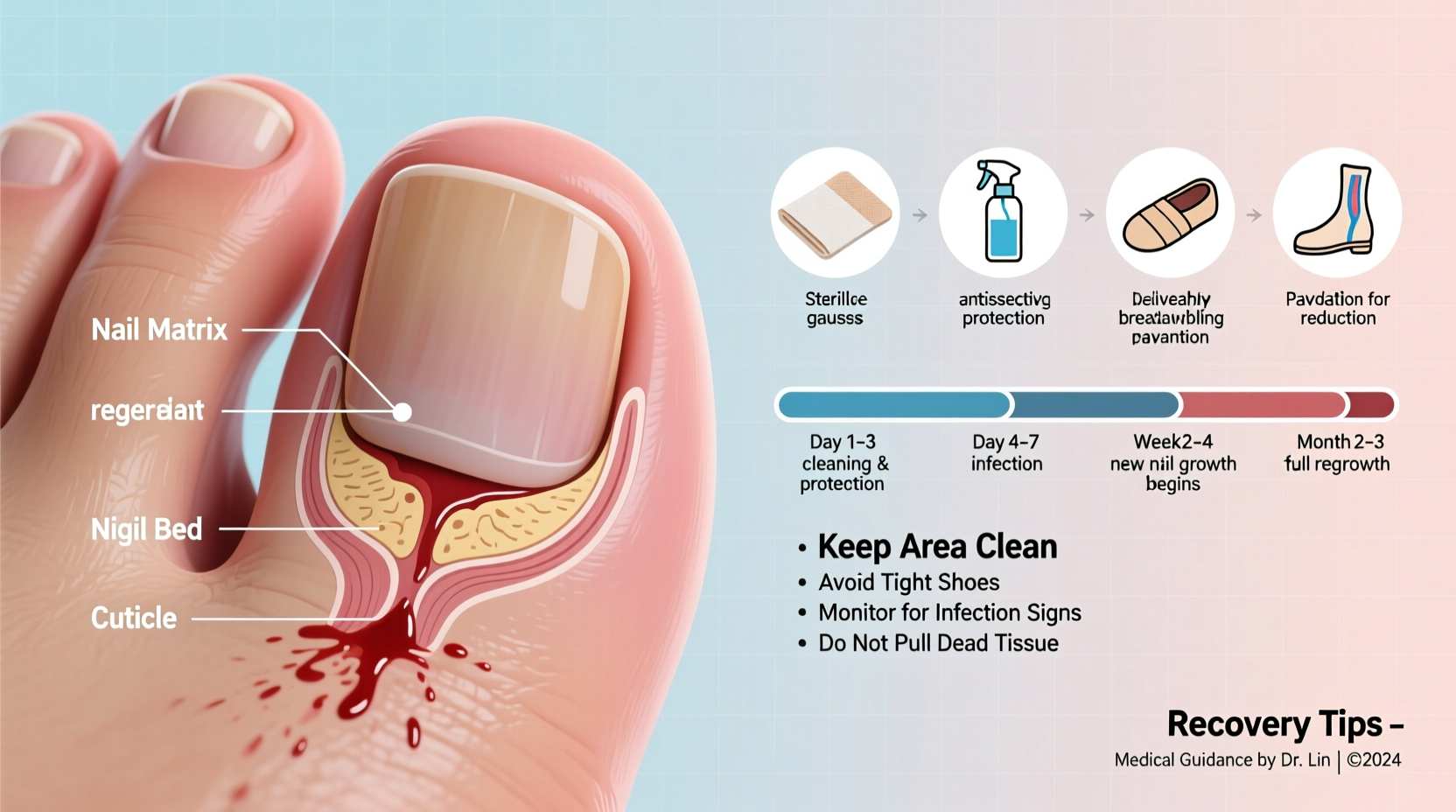
Toenails serve as protective shields for the sensitive tissue beneath. When a toenail detaches, it’s usually the body’s response to injury or illness. The most frequent causes include:
- Trauma or injury: Stubbing your toe, dropping a heavy object, or repetitive pressure from tight footwear can cause blood buildup (subungual hematoma) that forces the nail to lift and eventually fall off.
- Fungal infections: Onychomycosis weakens the nail structure over time, making it brittle, discolored, and prone to crumbling or detachment.
- Ingrown toenails: Severe cases, especially when infected or improperly treated, can lead to partial or complete nail loss.
- Autoimmune conditions: Psoriasis and lichen planus can disrupt nail growth and adhesion.
- Medications or chemotherapy: Some drugs affect nail matrix function, leading to shedding.
In many cases, the process is gradual—starting with discoloration or loosening—while in others, the nail detaches suddenly after acute injury.
Tip: If you frequently lose toenails without obvious cause, consult a podiatrist to rule out systemic conditions like psoriasis or circulation disorders.Immediate Steps After Nail Detachment
When a toenail falls off, prompt action reduces pain and lowers infection risk. Follow this step-by-step approach:
- Stay calm and assess the situation. Wash your hands before touching the area.
- Clean the site gently with lukewarm water and mild soap. Avoid hydrogen peroxide or alcohol, which can delay healing.
- Pat dry thoroughly with a clean towel. Moisture trapped under bandages encourages bacterial growth.
- Apply an antibiotic ointment like bacitracin to the exposed nail bed.
- Cover with a sterile non-stick pad and secure with a bandage. Change daily or whenever wet or soiled.
- Elevate the foot when possible during the first 24–48 hours to reduce swelling.
If the nail is only partially attached, do not forcibly remove it unless it’s snagging or causing pain. A loose flap can act as a natural biological dressing, protecting the sensitive tissue underneath until it separates on its own.
When to Seek Medical Attention
While minor nail loss can be managed at home, certain signs warrant professional evaluation:
| Symptom | Action Required |
|---|---|
| Persistent or worsening pain after 48 hours | See a doctor—possible infection or nerve irritation |
| Pus, redness spreading beyond the toe | Sign of infection; may need antibiotics |
| Deep cut or visible bone | Seek emergency care |
| Diabetes or poor circulation | Always consult a healthcare provider immediately |
“Even seemingly minor foot injuries can become serious in patients with diabetes. Early intervention prevents complications like ulcers or cellulitis.” — Dr. Lena Torres, Podiatrist and Wound Care Specialist
Recovery and Nail Regrowth Timeline
Toenails grow slowly. It can take anywhere from 6 to 18 months for a new nail to fully regrow, depending on age, health, and the cause of loss. The process begins within weeks of the incident, starting at the base of the nail bed.
During recovery, the exposed nail bed remains sensitive. Protect it by wearing soft, roomy shoes and avoiding activities that place pressure on the toe. Keep the area covered and clean until the new nail emerges and covers the sensitive tissue.
Regrowth may appear irregular at first—ridged, thickened, or discolored—but often evens out over time. However, if the nail matrix (growth center) was damaged, the new nail might never return to its original shape.
Real Example: Runner’s Recovery Journey
Mark, a 34-year-old marathon runner, lost his right big toenail after a long-distance race. He ignored early signs of black discoloration, assuming it was normal. Two weeks later, the nail detached completely during a shower. Initially alarmed, he followed proper wound care: daily cleaning, ointment application, and sterile dressing. He switched to wider running shoes and avoided races for three months. Within six months, a new nail began to emerge. Though slightly thicker than before, it caused no discomfort. Mark now trims his nails straight across and checks his footwear fit before every long run.
Tip: Wear moisture-wicking socks to minimize friction and keep feet dry—especially important for athletes and people on their feet all day.Do’s and Don’ts During Healing
Mistakes during recovery can prolong healing or introduce infection. Use this checklist to stay on track:
| Do’s | Don’ts |
|---|---|
| Keep the area clean and dry | Soak the toe unnecessarily |
| Change bandages daily | Wear tight or rigid shoes |
| Use antifungal powder if prone to fungus | Pick at the healing tissue |
| Trim surrounding skin carefully | Apply nail polish or artificial nails too soon |
| Monitor for signs of infection | Ignore increasing pain or swelling |
Checklist: At-Home Care Routine
- ☐ Clean the area with mild soap and water daily
- ☐ Apply antibiotic ointment after cleaning
- ☐ Cover with a non-stick sterile pad
- ☐ Change dressing every 24 hours or if damp
- ☐ Wear open-toe or wide-toe-box shoes
- ☐ Avoid walking barefoot in public areas
- ☐ Inspect for redness, swelling, or discharge daily
Frequently Asked Questions
Will my toenail grow back?
In most cases, yes. As long as the nail matrix wasn’t permanently damaged, a new toenail will grow back. Full regrowth takes up to a year and a half. Fungal infections or repeated trauma may affect the appearance or texture of the new nail.
Can I wear nail polish after my toenail falls off?
No, not until the new nail has fully grown and the area is completely healed. Nail polish traps moisture and can harbor bacteria or fungi. Even once regrowth begins, wait until the nail is stable and there’s no sensitivity before applying polish.
How can I prevent losing a toenail in the future?
Wear properly fitted shoes, especially during physical activity. Trim toenails straight across—not too short—and inspect feet regularly. For those with diabetes or circulation issues, daily foot checks and professional foot care are crucial.
Final Thoughts and Action Plan
Losing a toenail doesn’t have to derail your daily life. With informed care, most people recover without complications. The key is cleanliness, protection, and patience. Healing takes time, and rushing the process increases risks. Whether the cause was an accident, fungus, or an underlying condition, treating the exposed nail bed with care lays the foundation for healthy regrowth.
Start today by evaluating your footwear, reviewing your foot hygiene habits, and ensuring you’re prepared for minor injuries. If you’ve already experienced nail loss, stick to the care routine, watch for warning signs, and don’t hesitate to seek medical help when needed.
💬 Have you experienced toenail loss? What helped you recover? Share your story in the comments to support others going through the same challenge.








