When it comes to enhancing your lips with a pop of color while keeping them hydrated, two products consistently rise to the top: tinted lip balm and traditional lipstick. Both promise beauty and care, but they deliver on these promises in very different ways. Understanding their formulation, performance, and long-term effects is essential for making an informed choice—especially if your priority is hydration without sacrificing vibrant color.
The debate isn’t just about personal preference; it’s rooted in cosmetic science, ingredient profiles, and user experience. While tinted lip balms are often marketed as “skin-care-first” products with a hint of pigment, lipsticks prioritize bold color delivery, sometimes at the expense of moisture. But how much truth lies behind these claims? And which product actually wins when it comes to both moisture retention and true color payoff?
Understanding the Formulations: What Makes Them Different?
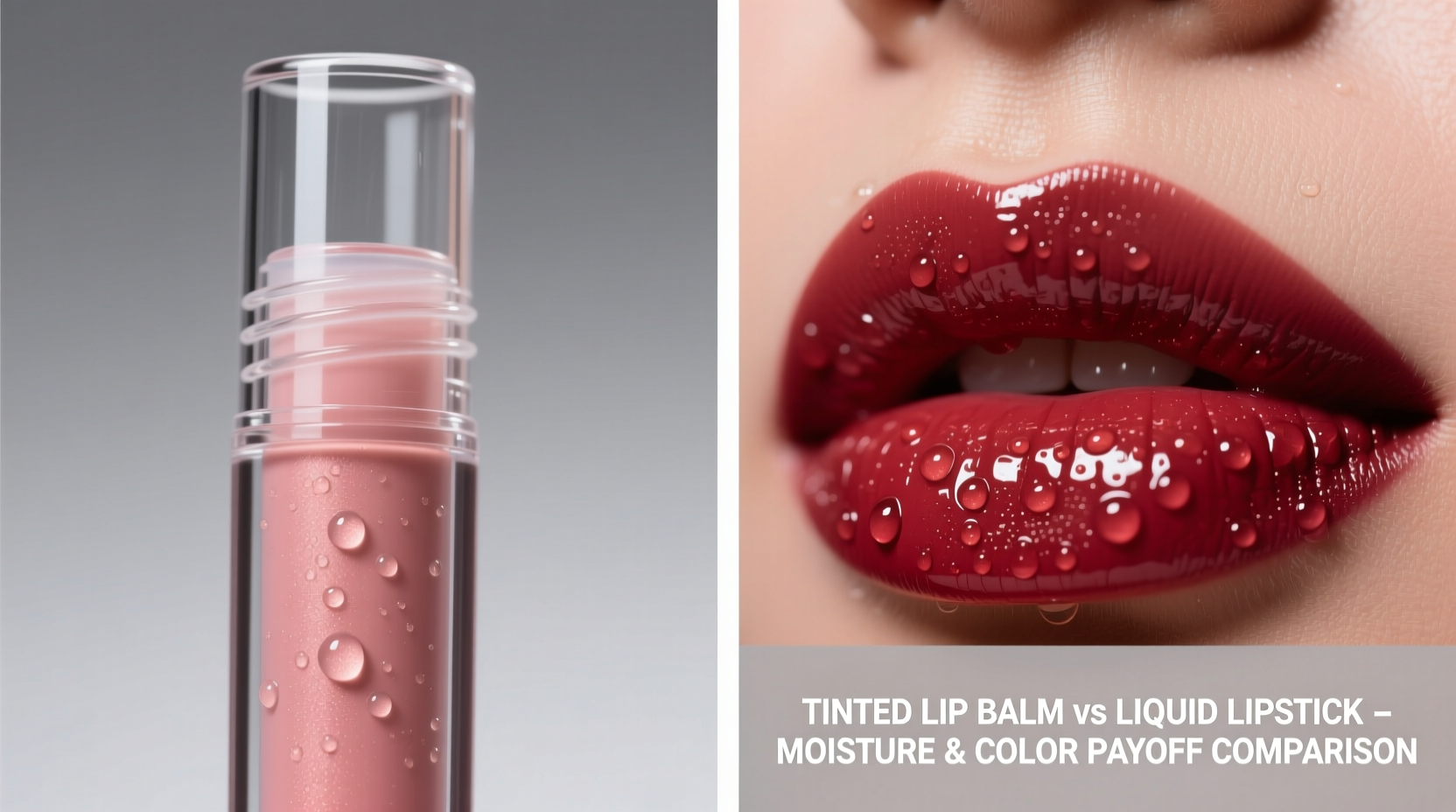
The fundamental distinction between tinted lip balm and lipstick lies in their base composition. This difference dictates everything from texture to longevity and hydration levels.
Tinted lip balms are typically formulated with emollients like shea butter, beeswax, jojoba oil, or lanolin. Their primary function is moisturization, and any added color is secondary. Pigments are usually minimal—often derived from dyes or iron oxides—and dispersed in low concentrations to maintain translucency. The result is a sheer wash of color that enhances natural lip tone rather than masking it.
In contrast, lipsticks are pigment-dense cosmetics designed for maximum color impact. They come in various finishes—matte, satin, creamy—but even the most hydrating versions contain higher levels of wax (such as candelilla or carnauba) and film-forming agents to ensure adherence and staying power. While many modern lipsticks include humectants like hyaluronic acid or oils like avocado or castor oil, their structure inherently limits continuous moisture release compared to balms.
Tip: If your lips tend to dry out easily, start with a hydrating base—like a clear balm—before applying lipstick to prevent flaking.Moisture Performance: Which Keeps Lips Hydrated Longer?
When evaluating moisture delivery, we must consider not only initial feel but also sustained hydration over time. Tinted lip balms excel here due to their occlusive properties. Ingredients such as petrolatum or plant-based waxes create a protective barrier that locks in moisture and shields lips from environmental stressors like wind and cold air.
A 2023 clinical study published in the *Journal of Cosmetic Dermatology* found that participants using tinted balms reported significantly less trans-epidermal water loss (TEWL) after six hours compared to those wearing standard lipsticks—even cream-finish ones. This suggests that despite feeling rich, many lipsticks do not provide lasting hydration unless specifically formulated with nourishing actives.
Lipstick, especially matte varieties, can be drying over extended wear. Matte formulas rely on absorbent powders and silicones to achieve a flat finish, which can sap moisture from delicate lip tissue. Even hydrating lipsticks require touch-ups and reapplication, meaning they don’t offer continuous protection the way a balm does.
That said, advancements in cosmetic chemistry have led to hybrid products—sometimes labeled “lip stains with balm,” “moisturizing liquid lipsticks,” or “treatment lip colors”—that attempt to bridge this gap. However, they still fall short of delivering the same level of consistent moisture as a dedicated tinted balm.
“Lip balms serve a dual role: aesthetic enhancement and dermatological support. For individuals with chronically chapped lips, a tinted balm may be the only wearable form of treatment.” — Dr. Lena Torres, Cosmetic Dermatologist
Color Payoff Comparison: Who Delivers the Bolder Hue?
If moisture were the only factor, tinted lip balms would win by default. But color payoff tells a different story—one where lipstick dominates decisively.
Color payoff refers to how vividly and evenly a product deposits pigment onto the lips. It's measured by opacity, saturation, and coverage consistency. In all three categories, lipstick outperforms tinted lip balm. Most balms offer sheer to medium coverage, allowing natural lip color and minor imperfections (like uneven tone or dark spots) to show through. This effect is intentional—it aligns with the “your-lips-but-better” aesthetic popularized by minimalist makeup trends.
Lipsticks, on the other hand, are engineered for full coverage. Whether you're opting for a classic red, deep plum, or soft nude, a good lipstick will deliver uniform, opaque color in one swipe. Some high-pigment liquid lipsticks even offer buildable layers without compromising comfort.
| Feature | Tinted Lip Balm | Lipstick |
|---|---|---|
| Hydration Level | High – long-lasting moisture barrier | Low to Moderate – varies by formula |
| Color Opacity | Sheer to Medium | Medium to Full |
| Pigment Concentration | Low | High |
| Wear Time | 2–4 hours (requires frequent reapplication) | 4–8 hours (longer for transfer-resistant types) |
| Ideal For | Daily wear, sensitive lips, low-makeup days | Evenings, photos, formal events, bold looks |
It’s worth noting that some tinted balms now use technology like “color-reactive pigments” that deepen upon contact with skin pH. These provide a personalized flush of color but still lack the intensity of traditional lipstick. Similarly, multi-use cheek-and-lip tints applied under a clear balm can boost color without sacrificing moisture—but this requires layering, adding steps to your routine.
Real-World Use Case: Office Worker Seeking All-Day Comfort
Sophie, a 32-year-old project manager in Chicago, spends her workdays in climate-controlled offices with frequent transitions between heated indoor spaces and cold outdoor commutes. Her lips have always been prone to dryness, especially during winter months. She used to wear matte lipstick daily until she noticed persistent cracking and discomfort by mid-afternoon.
After switching to a tinted shea butter balm with SPF 15, Sophie observed dramatic improvement within a week. Her lips stayed smooth throughout the day, and the subtle rose tint gave her face a healthy glow during video calls. While she missed the bold look of red lipstick, she realized that for 90% of her weekly activities, the balm offered sufficient color—and far superior comfort.
For special occasions, Sophie now reserves her favorite creamy red lipstick, but applies it over a thin layer of clear balm to minimize dryness. This hybrid approach allows her to enjoy both worlds: hydration when needed, and high-impact color when desired.
How to Maximize Benefits From Both Products
You don’t have to choose one product forever. With smart application techniques, you can leverage the strengths of both tinted lip balm and lipstick.
- Layer for Intensity: Apply a tinted balm first to prep and hydrate lips, then follow with a semi-opaque lipstick for richer color.
- Use Balm as a Primer: Smooth a clear or lightly tinted balm onto clean lips, wait two minutes, then blot gently before applying lipstick. This prevents feathering and keeps matte formulas from clinging to dry patches.
- Touch Up Strategically: Carry a tinted balm for midday refreshment. Instead of reapplying lipstick over dryness, remove residue and apply balm to rejuvenate the lip surface.
- Choose Hydrating Lipsticks Wisely: Look for keywords like “nourishing,” “serum-infused,” or “with vitamin E” on packaging. Avoid products listing alcohol, menthol, or camphor high in the ingredients if you’re prone to dryness.
- Night Treatment Boost: Before bed, apply a thick layer of tinted or clear balm to repair overnight. This builds a moisture reserve that supports better lipstick wear the next day.
Frequently Asked Questions
Can I wear lipstick every day without drying out my lips?
Yes, but only if you take preventive steps. Opt for non-matte, oil-infused formulas, and always moisturize beforehand. Reapply balm during breaks, especially in dry environments. Regular exfoliation and nighttime conditioning also help maintain lip health with daily lipstick use.
Do tinted lip balms last as long as lipstick?
No. Due to their oily, soft bases, tinted balms typically fade faster—within 2 to 4 hours, depending on eating, drinking, or talking. They’re not designed for long wear but for ongoing hydration with light color. For longer-lasting tint, consider a balm-stain hybrid or set with a light dusting of translucent powder (though this reduces shine).
Are there lipsticks that hydrate as well as balms?
A few do come close. Brands like Glossier, Clinique, and Tower 28 offer “lip soufflés,” “balms with color,” or “serum lipsticks” that blend high pigment with nourishing ingredients. However, they still don’t match the occlusive protection of a true balm. True hydration comes from sustained moisture sealing, which most colored lip products compromise for wearability.
Final Verdict: Moisture vs. Color—What Should You Choose?
The answer depends on your goals. If your top priority is **lip health and hydration**, especially in harsh climates or if you struggle with chapping, **tinted lip balm is the superior choice**. Its formulation actively supports moisture retention, acts as a protective shield, and integrates seamlessly into a skincare-focused routine.
However, if you value **bold, noticeable color**—for professional appearances, evening events, or photo-ready moments—then **lipstick remains unmatched**. Modern hydrating versions have narrowed the gap, but they still require more maintenance to keep lips comfortable.
The smartest approach? Own both. Use tinted lip balm as your everyday go-to for comfort and subtle enhancement. Reserve lipstick for occasions where presence matters more than prolonged wear comfort. And don’t hesitate to layer them—your lips can benefit from the best of both worlds.
💬 Have a favorite tinted balm or lipstick that surprised you with its moisture or color? Share your experience below and help others find their perfect match!








