Thigh zits—small red bumps or inflamed pimples that appear on the thighs—are more common than many realize. While they’re typically not dangerous, they can be uncomfortable, itchy, or embarrassing, especially during warmer months when shorts and swimwear are common. Unlike facial acne, thigh breakouts often stem from a mix of friction, sweat, and bacterial buildup rather than just hormonal fluctuations. Understanding the root causes and how to treat and prevent them is key to maintaining smooth, irritation-free skin.
What Causes Thigh Zits?
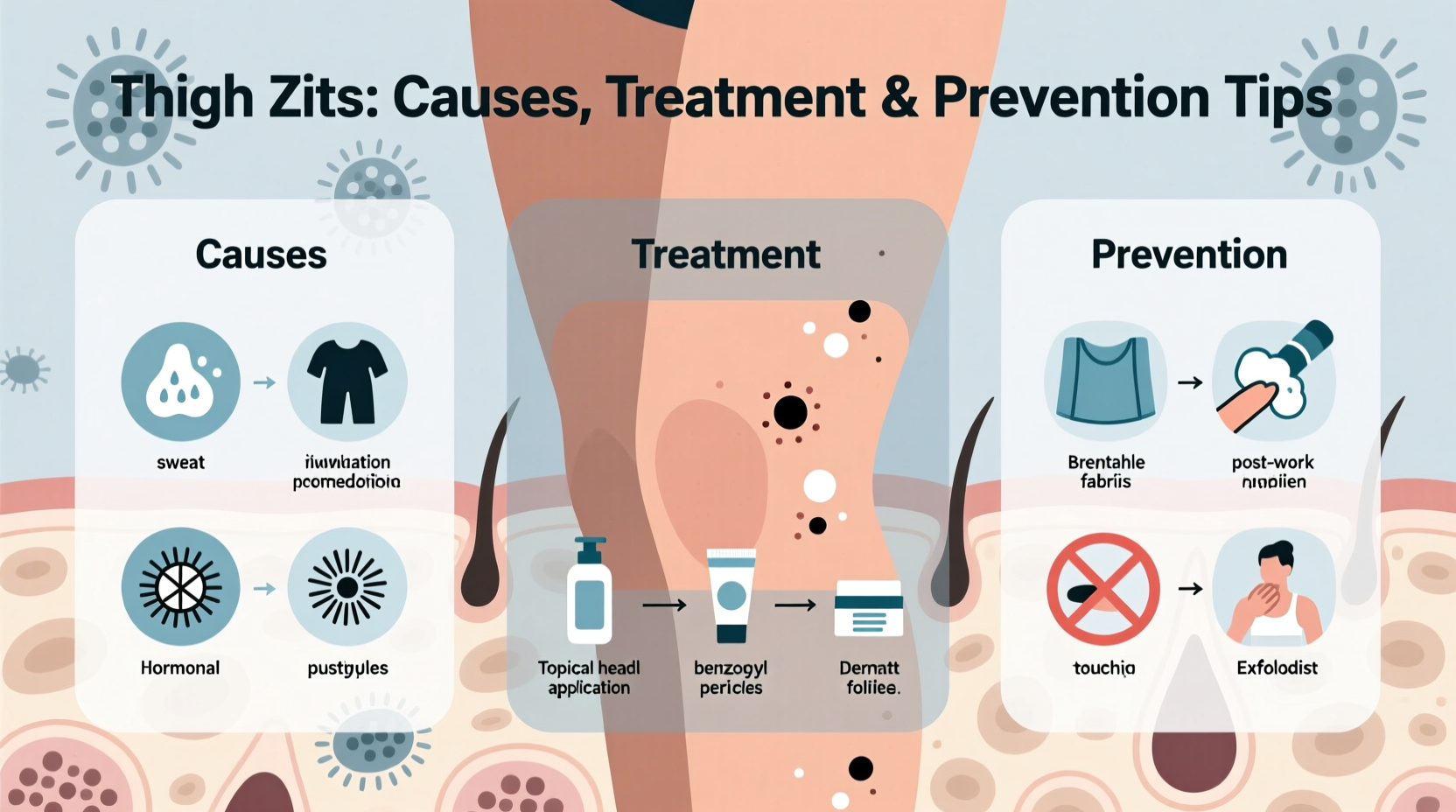
Thigh zits, medically referred to as folliculitis or acne mechanica, occur when hair follicles become inflamed due to blockage, infection, or irritation. Several factors contribute to their development:
- Friction from clothing: Tight pants, leggings, or underwear can rub against the skin, irritating hair follicles and trapping sweat and bacteria.
- Sweat buildup: Prolonged sweating without cleansing can clog pores, especially after workouts or in hot climates.
- Poor hygiene: Not showering soon after exercise or wearing sweaty clothes for extended periods increases the risk.
- Shaving or waxing: These hair removal methods can cause micro-tears in the skin, allowing bacteria like Staphylococcus aureus to enter and cause infection.
- Hormonal changes: While less common on the thighs than the face, hormonal imbalances can still trigger oil overproduction and clogged pores.
- Use of comedogenic products: Lotions, sunscreens, or detergents containing pore-clogging ingredients may contribute to breakouts.
“Folliculitis on the thighs is frequently misdiagnosed as acne, but it’s often a response to mechanical stress and bacterial colonization.” — Dr. Lena Patel, Board-Certified Dermatologist
Effective Treatment Options
Treating thigh zits depends on severity and underlying cause. Mild cases often resolve with proper skincare, while persistent or painful bumps may require medical intervention.
Over-the-Counter Treatments
For mild to moderate breakouts, topical solutions can help reduce inflammation and kill bacteria:
- Benzoyl peroxide (2.5%–5%): Reduces acne-causing bacteria and clears clogged pores. Apply once or twice daily.
- Salicylic acid (0.5%–2%): Exfoliates dead skin cells and penetrates oil to unclog follicles. Ideal for recurring bumps.
- Tea tree oil (diluted): A natural antiseptic with anti-inflammatory properties. Mix with a carrier oil and apply sparingly.
- Topical antibiotics (e.g., clindamycin lotion): Available OTC in some regions; helps control bacterial growth.
When to See a Doctor
If zits persist for weeks, become increasingly painful, or develop into large, pus-filled boils, consult a dermatologist. You may have:
- Furunculosis: Deep infections of hair follicles requiring oral antibiotics.
- Keratosis pilaris: A condition causing rough, bumpy skin often mistaken for acne.
- Hidradenitis suppurativa: A chronic inflammatory skin disease affecting areas with friction.
A doctor may prescribe stronger treatments such as oral antibiotics (e.g., doxycycline), topical retinoids, or steroid injections for severe inflammation.
Prevention Tips for Clear Thighs
Preventing thigh zits is often more effective than treating them after they appear. Consistent habits make a significant difference.
Step-by-Step Prevention Routine
- Wear breathable fabrics: Choose loose-fitting clothes made of cotton or moisture-wicking materials during exercise.
- Shower immediately after sweating: Rinse off sweat and bacteria within 30 minutes of physical activity.
- Use gentle cleansers: Avoid harsh soaps; opt for fragrance-free, non-comedogenic body washes.
- Exfoliate weekly: Use a soft scrub or chemical exfoliant (like lactic acid) to remove dead skin and prevent clogs.
- Avoid sharing personal items: Towels, razors, and gym equipment can transfer bacteria.
- Wash workout clothes regularly: Bacteria thrive in damp fabric; launder after each use.
| Do’s | Don’ts |
|---|---|
| Wear loose, breathable clothing | Wear tight synthetic fabrics daily |
| Shower after workouts | Stay in sweaty clothes for hours |
| Use non-comedogenic lotions | Apply heavy, oily moisturizers |
| Change razors frequently | Shave dry or with dull blades |
| Wash towels and sheets weekly | Reuse towels multiple times without washing |
Real-Life Example: Managing Recurring Thigh Breakouts
Maya, a 28-year-old fitness instructor, began noticing recurring red bumps on her inner thighs after increasing her spin class schedule. Initially dismissing them as chafing, she grew concerned when the bumps became tender and filled with pus. After visiting a dermatologist, she was diagnosed with bacterial folliculitis caused by prolonged wear of wet leggings and infrequent laundry cycles.
Her treatment plan included switching to quick-dry athletic wear, showering within 15 minutes post-class, and using a benzoyl peroxide wash three times a week. Within four weeks, her skin cleared significantly. She now maintains her routine year-round and educates her students on workout hygiene.
Tip: Keep a spare set of clean clothes at the gym to change into after exercising—this simple step reduces skin exposure to bacteria and sweat.FAQ: Common Questions About Thigh Zits
Are thigh zits contagious?
Not directly, but the bacteria that cause folliculitis (like Staph) can spread through shared towels, razors, or close skin contact. Practicing good hygiene minimizes transmission risk.
Can shaving cause permanent scarring on the thighs?
Repeated ingrown hairs or aggressive shaving can lead to post-inflammatory hyperpigmentation or scarring. Using a sharp razor, shaving in the direction of hair growth, and applying a soothing aftershave lotion can help prevent long-term damage.
Is it safe to pop thigh zits?
No. Popping increases the risk of infection, scarring, and spreading bacteria. Let them heal naturally or seek professional treatment for stubborn lesions.
Expert-Backed Checklist for Thigh Skin Health
- ✅ Shower promptly after sweating
- ✅ Wear loose, breathable clothing
- ✅ Use non-comedogenic skincare and laundry products
- ✅ Exfoliate thighs 1–2 times per week
- ✅ Replace old razors every 5–7 uses
- ✅ Wash towels and workout gear weekly
- ✅ Apply benzoyl peroxide or salicylic acid if breakouts recur
- ✅ Consult a dermatologist if bumps worsen or persist
Final Thoughts: Take Control of Your Skin Health
Thigh zits are a manageable condition with the right knowledge and habits. They’re not a reflection of poor hygiene alone but often the result of environmental, behavioral, and biological factors working together. By identifying triggers, adopting preventive routines, and treating flare-ups early, you can maintain smooth, confident skin all year round.
💬 Your skin deserves care beyond the face. Start today by evaluating your clothing choices, hygiene habits, and skincare products. Share this guide with someone who might benefit, and take the first step toward healthier, clearer thighs.








