Choosing the right dog bowl and placemat may seem like a simple task, but it plays a critical role in your pet’s health, comfort, and daily routine. The wrong choice can lead to digestive issues, joint strain, or even behavioral problems. With countless options available—from stainless steel to silicone, elevated stands to non-slip mats—navigating the market requires more than just aesthetics. Understanding your dog’s breed, size, age, eating habits, and specific health conditions is essential to making an informed decision.
A well-chosen feeding setup supports proper posture, reduces mess, prevents bacterial buildup, and makes cleanup easier for you. This guide breaks down every factor you need to consider, backed by veterinary insights and real-world experience from pet owners.
Understanding Your Dog’s Feeding Needs
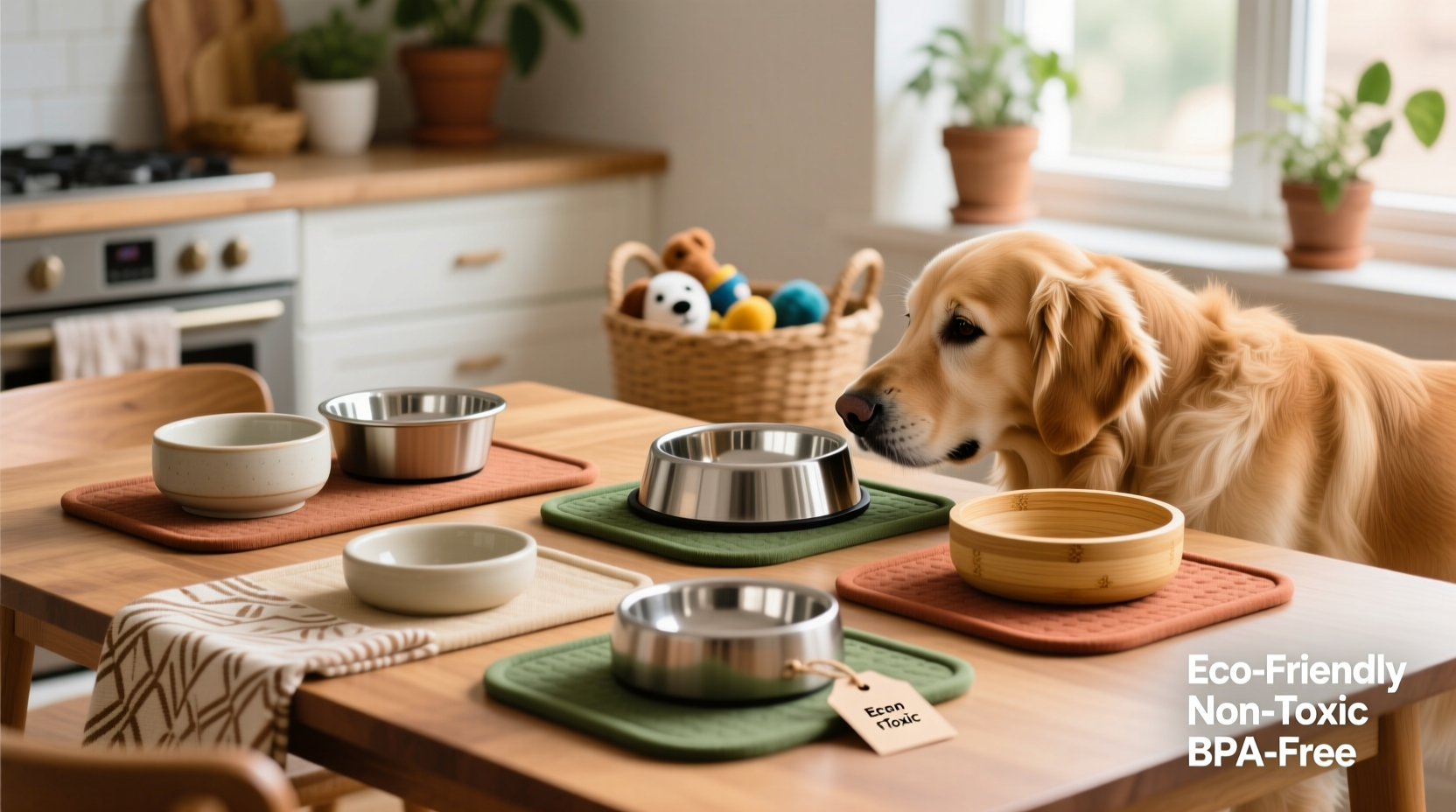
Dogs are not one-size-fits-all when it comes to feeding equipment. A Great Dane has vastly different requirements than a Chihuahua, both in terms of bowl height and capacity. Similarly, brachycephalic breeds like Bulldogs or Pugs benefit from specially designed bowls that reduce air intake during meals, minimizing bloating and regurgitation.
Age also influences your selection. Puppies require shallow bowls to avoid chin irritation, while senior dogs might need elevated feeders to ease neck and joint strain. Dogs with medical conditions such as megaesophagus or acid reflux often do better with raised bowls that allow gravity-assisted swallowing.
Tip: Observe your dog’s posture while eating. If they hunch or stretch uncomfortably, it’s time to reassess their bowl height or placement.Types of Dog Bowls: Materials Compared
The material of the bowl affects durability, hygiene, and safety. Here's a breakdown of the most common types:
| Material | Pros | Cons | Best For |
|---|---|---|---|
| Stainless Steel | Durable, dishwasher-safe, resistant to bacteria, non-toxic | Can be noisy, may dent if dropped | All dogs, especially those with allergies or sensitive skin |
| Ceramic | Heavy (less likely to tip), attractive designs, stable base | Potential for chipping, may contain lead if low-quality, harder to clean | Indoor use, calm eaters |
| Plastic | Inexpensive, lightweight, colorful | Scratches easily, harbors bacteria, linked to chin acne | Not recommended long-term; suitable only for travel or temporary use |
| Silicone | Foldable, portable, soft texture | Less stable, prone to tipping, difficult to sanitize fully | Travel, outdoor use, puppies |
“Stainless steel remains the gold standard for dog bowls. It’s inert, easy to sterilize, and doesn’t leach chemicals.” — Dr. Lena Torres, DVM, Veterinary Nutrition Specialist
Selecting the Right Placemat: Function Over Fashion
A placemat isn't just about protecting your floor—it contributes to mealtime hygiene and structure. An effective placemat should be waterproof, non-slip, and easy to clean. Look for materials like rubber-backed fabric, TPE (thermoplastic elastomer), or food-grade silicone.
Size matters. The mat should extend beyond the bowl’s diameter to catch spills and stray kibble. For messy eaters or dogs that paw at their food, deeper-rimmed mats act as splash guards.
- Rubber-bottomed mats prevent sliding on hardwood or tile
- Machine-washable fabrics simplify maintenance
- Antimicrobial coatings help reduce odor-causing bacteria
Key Features of High-Performance Placemats
- Non-porous surface to resist absorption of liquids
- Weighted or grippy underside for stability
- Sufficient thickness to cushion impact and dampen noise
- Eco-friendly materials when possible (e.g., recycled rubber)
Step-by-Step Guide to Choosing the Ideal Setup
Follow this sequence to ensure you select the best combination of bowl and placemat for your dog:
- Evaluate your dog’s physical traits: Measure shoulder height and observe eating posture. Large or deep-chested breeds may benefit from elevated feeders.
- Assess health conditions: Consult your vet if your dog has reflux, dental issues, or mobility limitations.
- Choose bowl material: Prioritize stainless steel unless另有 specific needs (e.g., portability favors silicone).
- Determine bowl size: Water bowls should hold at least 8–12 oz per 10 lbs of body weight. Food bowls should accommodate a full meal without overflow.
- Select bowl type: Consider slow-feed, tilted, or dual-compartment bowls for portion control or hydration support.
- Pick a compatible placemat: Ensure it fits under the bowl setup and matches your flooring type (e.g., non-scratch for laminate).
- Test and adjust: Monitor your dog’s behavior and cleanliness over a week. Make changes if needed.
Real-World Example: Helping Max Eat Comfortably
Max, a 7-year-old German Shepherd, began showing signs of discomfort during meals—hesitating to eat, licking his lips excessively, and leaving food behind. His owner initially assumed it was a loss of appetite. After a vet visit ruled out illness, the veterinarian suggested evaluating Max’s feeding setup.
Max was using a lightweight plastic bowl on a slippery kitchen tile floor. He had to lower his head significantly, straining his arthritic neck. Switching to a stainless steel bowl mounted on an adjustable elevated feeder immediately improved his posture. Adding a thick rubber placemat prevented sliding and reduced noise, which Max had been reacting to.
Within three days, Max returned to normal eating patterns. His owner reported less post-meal stiffness and increased enthusiasm at dinnertime. This case highlights how seemingly minor equipment choices can have major impacts on canine well-being.
Common Mistakes to Avoid
- Using decorative ceramic bowls without checking for lead glaze – Some imported ceramics may leach harmful metals.
- Ignoring bowl depth for flat-faced dogs – Deep bowls force brachycephalic breeds to submerge their noses, increasing inhalation of food particles.
- Skipping the placemat on carpet – Even small spills can cause odors and attract pests over time.
- Washing bowls infrequently – Biofilm builds up rapidly; wash daily with hot, soapy water.
FAQ
How high should an elevated dog bowl be?
The ideal height allows your dog to eat with their head level or slightly downward. Measure from the floor to the top of their shoulders and subtract about 5–6 inches. For example, a dog with a 24-inch shoulder height would need a feeder around 18–19 inches tall.
Are slow feeder bowls good for all dogs?
They’re beneficial for fast eaters who gulp food, which can lead to choking or bloat. However, dogs with anxiety or resource guarding tendencies may become stressed by the effort required. Introduce them slowly and monitor behavior.
Can I use human placemats for my dog?
Not recommended. Most household placemats aren’t waterproof, lack grip, and can’t withstand moisture, drool, or chewing. They also tend to trap bacteria and are harder to sanitize than pet-specific alternatives.
Essential Checklist Before Buying
- ✅ Measured my dog’s shoulder height
- ✅ Checked for any health or mobility concerns
- ✅ Chose a safe, non-toxic bowl material (preferably stainless steel)
- ✅ Selected appropriate bowl size and depth
- ✅ Verified placemat is non-slip and easy to clean
- ✅ Ensured compatibility with my home flooring
- ✅ Read product reviews focusing on durability and pet acceptance
Final Thoughts
Your dog’s bowl and placemat are more than accessories—they’re integral parts of their daily care. Investing time in choosing the right ones reflects a deeper commitment to your pet’s long-term health and happiness. From preventing orthopedic strain to reducing bacterial exposure, each detail contributes to a safer, more comfortable feeding experience.
Don’t settle for convenience over quality. Whether you’re shopping for a puppy’s first bowl or re-evaluating your senior dog’s setup, let your pet’s unique needs guide your choices. Small upgrades today can lead to years of better digestion, fewer vet visits, and more peaceful mealtimes.
💬 Have a favorite dog bowl or placemat brand? Share your experience below and help fellow pet parents make smarter choices!








