Supporting a pregnant dog through her final weeks requires more than just nutritious food and regular vet visits—it demands thoughtful physical handling. As her body changes and mobility decreases, there may come times when lifting or carrying her becomes necessary. Whether it’s to help her navigate stairs, move to a whelping area, or assist after a fall, doing so incorrectly can cause stress, injury, or complications. Understanding the safest methods to carry a pregnant dog ensures her comfort, protects developing puppies, and strengthens the bond between pet and owner.
Understanding Your Dog’s Pregnancy Timeline
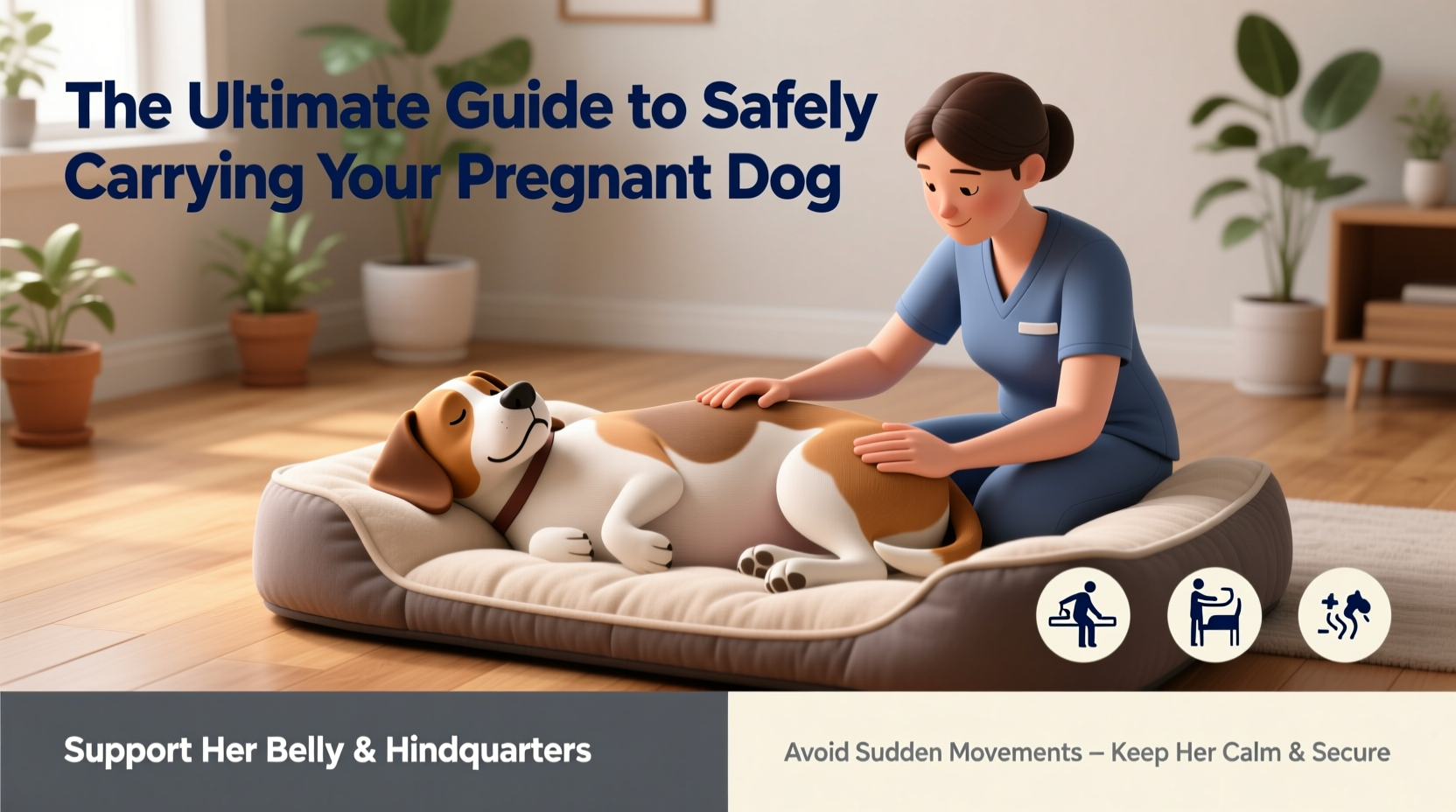
Dog pregnancy lasts approximately 63 days, though this can vary slightly by breed and individual. The stages of gestation directly influence how—and whether—you should lift your dog. In early pregnancy (weeks 1–4), physical changes are minimal, and most dogs remain active and agile. By mid-pregnancy (weeks 5–6), abdominal growth becomes noticeable, energy levels may dip, and balance starts to shift. The final trimester (weeks 7–9) is when caution is most critical: the abdomen is large, movement is labored, and internal pressure on organs increases.
Carrying should be minimized during the last three weeks unless absolutely necessary. Any unnecessary strain could lead to premature labor or discomfort. If veterinary care, grooming, or relocation requires handling, use proper technique and support.
Tip: Always assess whether carrying is truly needed—many older or heavily pregnant dogs prefer walking slowly with guidance rather than being lifted.Proper Technique: How to Carry a Pregnant Dog Safely
Lifting a pregnant dog isn’t about strength—it’s about support and positioning. The goal is to evenly distribute her weight, avoid pressure on the abdomen, and maintain spinal alignment. Follow these steps for safe handling:
- Approach calmly: Speak in a soothing tone and allow your dog to see and smell your hands before touching her.
- Position yourself correctly: Stand beside her, bend at the knees—not the waist—to reduce strain on your back.
- Support the chest and hindquarters: Slide one arm under her chest, just behind the front legs. Use your other arm to cradle her hind legs and lower back, ensuring the entire pelvic region is supported.
- Lift smoothly: Engage your legs to rise, keeping her close to your body. Avoid twisting or sudden movements.
- Hold securely but gently: Keep her level—do not tilt head-up or tail-up—as this can shift internal organs or compress the uterus.
- Set down carefully: Reverse the process, lowering slowly while maintaining full support until all four paws touch the ground.
This two-point support method—chest and rear—is essential. Never lift a pregnant dog by her front legs or armpits alone, as this places dangerous strain on her spine and abdomen.
When Carrying Is Necessary: Common Scenarios
| Situation | Recommended Action | Risks of Improper Handling |
|---|---|---|
| Navigating stairs | Carry using full-body support or guide with harness assistance | Falls, uterine torsion, joint strain |
| Veterinary visits | Lift into car or exam table with proper form | Stress-induced contractions, injury |
| Moving to whelping box | Carry only if she cannot walk; otherwise, encourage gently | Premature labor, disorientation |
| Post-fall or injury | Immobilize and carry flat; seek immediate vet care | Internal trauma, miscarriage |
Alternatives to Carrying: Tools and Techniques
Whenever possible, avoid lifting altogether. Several tools can help maintain your dog’s mobility without direct physical strain:
- Doggie ramps or stairs: Ideal for getting in and out of vehicles or onto furniture.
- Pregnancy-support harnesses: Designed with extra padding and handles to assist movement without lifting.
- Slings or mobility aids: Fabric slings that support the belly and hind end during short walks or stair navigation.
- Non-slip flooring: Rubber mats or carpet runners prevent slipping on hardwood or tile.
For larger breeds or dogs with pre-existing joint conditions, a rear-lift harness can provide stability during walks without full lifting. These devices allow you to gently assist without bearing her full weight.
“Improper lifting during late pregnancy can lead to serious complications, including uterine rupture in extreme cases. Always prioritize support over convenience.” — Dr. Laura Mendez, DVM, Canine Reproductive Specialist
Recognizing When Not to Carry
There are clear signs that indicate lifting should be avoided or delayed unless medically urgent:
- Visible discomfort or vocalization when touched
- Labored breathing or reluctance to stand
- Active nesting behavior or signs of imminent labor (within 24–48 hours)
- Swollen vulva, mucus discharge, or abdominal straining
If your dog is in active labor or within 48 hours of expected delivery, do not carry her unless directed by a veterinarian. Sudden movements can disrupt contractions or cause distress. Instead, ensure her whelping area is accessible and comfortable from the start.
Tip: Prepare the whelping space at least one week before the due date to minimize last-minute movement.Mini Case Study: Supporting Bella, a Pregnant Labrador Retriever
Bella, a seven-year-old yellow Lab, was nearing day 58 of her pregnancy. Her owner, Mark, noticed she hesitated at the top of the basement stairs leading to her designated whelping area. Concerned about a potential fall, he initially tried coaxing her down, but Bella refused. After consulting his vet, Mark learned that carrying her posed risks due to her size and advanced gestation.
Instead, he installed a lightweight ramp with rubber grips and used a rear-support sling to gently guide her down each step. He also moved the whelping box upstairs temporarily. This solution eliminated the need to carry Bella entirely. She delivered seven healthy puppies five days later, with no mobility-related complications.
Bella’s case highlights the importance of planning ahead and choosing alternatives to lifting whenever possible.
Checklist: Safe Handling of a Pregnant Dog
Use this checklist to ensure you’re prepared and acting responsibly:
- ✅ Know your dog’s expected due date and stage of pregnancy
- ✅ Assess whether carrying is truly necessary or if alternatives exist
- ✅ Practice proper lifting form: support chest and hindquarters simultaneously
- ✅ Use mobility aids like ramps, slings, or harnesses when available
- ✅ Avoid lifting during the final 48 hours before labor
- ✅ Monitor for signs of distress during and after handling
- ✅ Consult your veterinarian before moving an injured or high-risk pregnant dog
Frequently Asked Questions
Can I carry my pregnant dog up the stairs?
You can, but only if absolutely necessary and done with full-body support. Ideally, reconfigure her environment to keep her on one level during late pregnancy. If stairs must be navigated, use a ramp or harness instead of full lifting.
What if my dog falls? Should I carry her to the car for the vet?
If your dog falls, first check for responsiveness and visible injury. Do not move her unnecessarily. If she appears stable, use a blanket as a makeshift stretcher or a pet carrier. If she shows pain, limping, or lethargy, carry her only as far as the car using proper support, and drive immediately to the vet.
How can I tell if I’m carrying her too tightly or incorrectly?
If your dog whimpers, struggles, holds her breath, or tucks her tail, she may be uncomfortable or in pain. A correct carry should feel secure and calm. She should be able to breathe easily and remain relaxed in your arms.
Conclusion: Prioritize Comfort, Safety, and Respect
Caring for a pregnant dog means making thoughtful decisions at every stage—even in how you physically support her. While carrying may sometimes be unavoidable, doing so with precision, gentleness, and awareness can prevent harm and promote a smoother journey toward birth. By understanding her changing needs, using proper technique, and exploring alternatives, you create a safer, calmer environment for both mother and puppies.
💬 Have experience supporting a pregnant dog? Share your tips or questions below to help fellow pet owners provide the best care during this special time.








