
Cats are creatures of habit, often resistant to change or restraint. When grooming, administering medication, or visiting the vet, many felines become anxious, stressed, or even aggressive. One increasingly popular method to help manage these situations is the “burrito wrap”—a technique that gently swaddles a cat in a towel to provide security and limit movement. When done correctly, this approach can reduce stress, protect both pet and handler, and make necessary care easier. However, improper wrapping can increase fear or cause injury. This guide walks through the science, safety, and step-by-step execution of the burrito wrap so you can support your cat with confidence and compassion.
Why the Burrito Wrap Works: The Science Behind Feline Calm
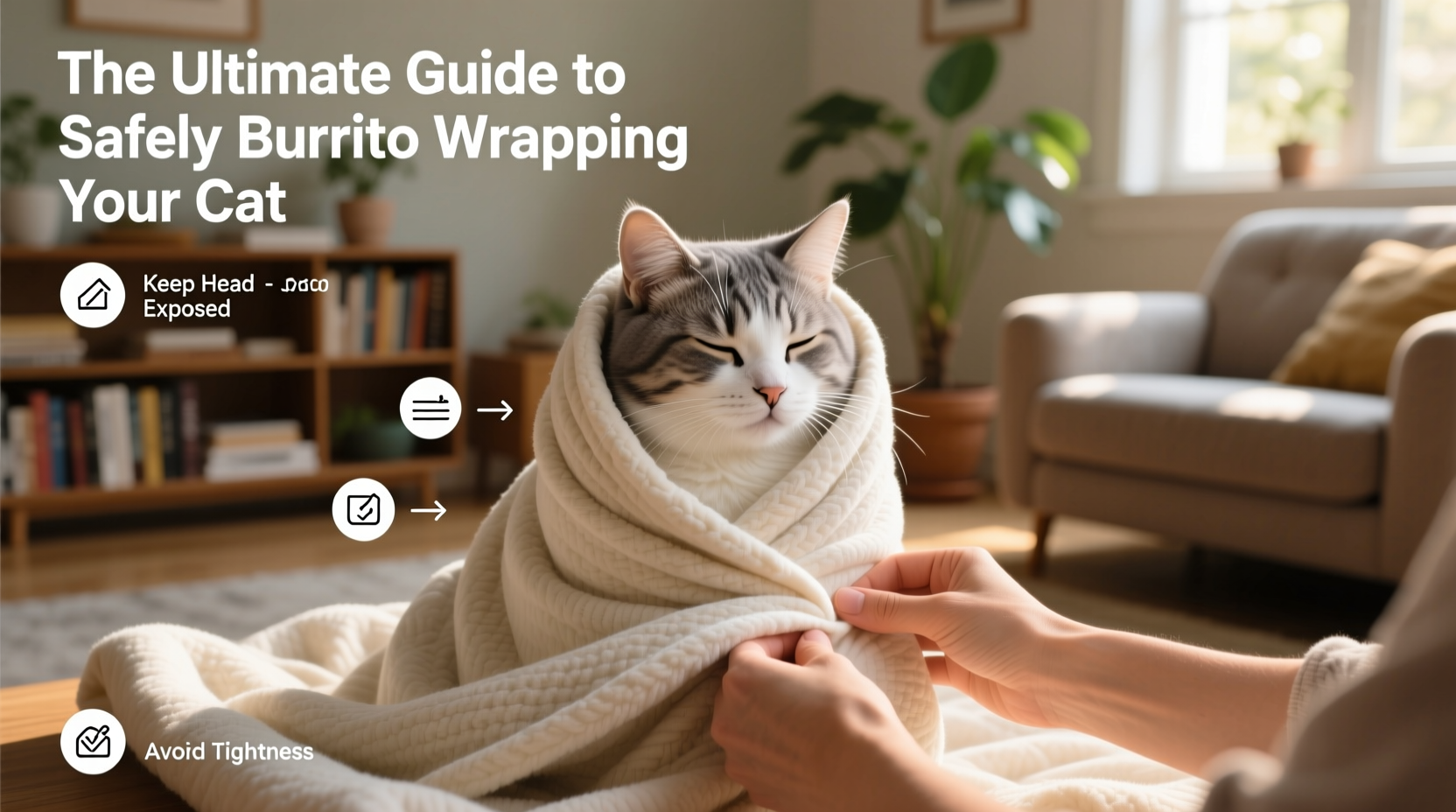
The effectiveness of the burrito wrap lies in its ability to mimic natural feline behaviors and instincts. In the wild, cats seek enclosed spaces when stressed—under furniture, inside boxes, or tucked into small nooks. These confined areas offer protection from perceived threats. A well-executed burrito wrap replicates this sense of enclosure, applying light, consistent pressure that can have a calming neurological effect.
Studies in animal behavior suggest that gentle physical containment—similar to swaddling infants—can activate the parasympathetic nervous system, slowing heart rate and reducing cortisol levels. Dr. Sarah Thompson, a certified feline behavior consultant, explains:
“Touch and containment, when applied calmly and predictably, signal safety to a cat’s brain. The burrito wrap isn’t about control—it’s about creating a secure micro-environment during moments of vulnerability.” — Dr. Sarah Thompson, DVM, Feline Behavior Specialist
It's important to note: this technique should never be used as punishment or prolonged restraint. It is a short-term tool for specific care tasks, not a method to suppress normal behavior.
Essential Supplies and Setup
Before attempting the burrito wrap, gather the right materials and prepare your environment. Success depends as much on setting as on technique.
Tip: Use a cotton or bamboo blend towel—soft, breathable, and absorbent. Avoid terrycloth if your cat is sensitive to texture.- A medium-sized bath towel (approx. 30 x 50 inches)
- Treats or a favorite toy for positive reinforcement
- Gloves (optional, for handlers concerned about scratches)
- A non-slip surface such as a yoga mat or carpeted floor
- Quiet room free of loud noises or distractions
Lay the towel flat on the surface, diagonally positioned like a diamond. Fold the top corner down about one-third of the way to create a straight edge—this will cradle the cat’s shoulders. Have treats ready to reward calm behavior before, during, and after the process.
Step-by-Step: How to Safely Burrito Wrap Your Cat
Follow this sequence carefully. Move slowly and speak in a low, soothing tone. Never force the cat into position.
- Approach Calmly: Call your cat gently or lure them with a treat. Avoid sudden movements. Let them sniff the towel first if possible.
- Position the Cat: Once near the towel, guide or lift your cat gently onto it, aligning their shoulders with the folded edge. Their head should remain outside the wrap at all times.
- Secure the First Side: Take the nearest corner of the towel and drape it over the cat’s body, tucking it snugly under their opposite side. The front leg on this side should now be gently restrained against the body.
- Wrap the Second Side: Pull the opposite corner across the body, covering the other front leg. Tuck this end securely beneath the cat to prevent unraveling.
- Secure the Base: Fold or roll the bottom point of the towel upward, just enough to support the hind legs without restricting movement. Do not cover the tail or hips tightly.
- Check Comfort: Ensure the cat can breathe easily, blink normally, and isn’t trembling excessively. Their ears should remain upright and forward-facing, not pinned back.
The final result should resemble a snug but not tight bundle, with only the head exposed. The cat should feel supported, not immobilized.
Do’s and Don’ts of Cat Burrito Wrapping
| Do’s | Don’ts |
|---|---|
| Use slow, deliberate movements | Rush or force the cat into position |
| Speak in a soft, reassuring voice | Yell, scold, or use a harsh tone |
| Allow breaks if the cat resists | Continue if the cat shows signs of panic |
| Limit wrap time to 5–10 minutes | Leave the cat wrapped unattended |
| Offer treats immediately after | Punish the cat for struggling |
This table underscores the importance of patience and respect. The goal is cooperation, not domination.
Real-World Example: Managing Medication Time
Maria, a cat owner from Portland, struggled daily with giving her 7-year-old tabby, Milo, a liquid antibiotic. Milo would hiss, bolt from the room, or bite when approached. After consulting her vet, she learned the burrito wrap technique.
On the first attempt, she spent ten minutes letting Milo explore the towel. She wrapped him lightly while offering chicken-flavored treats. Though he squirmed initially, within three days, Milo began associating the towel with positive outcomes. By day five, he would sit on the towel willingly. Maria was able to administer medication smoothly, reducing stress for both of them.
“It wasn’t about controlling him,” she said. “It was about helping him feel safe while doing something uncomfortable. Now, the towel is our peace treaty.”
When Not to Wrap: Recognizing Warning Signs
The burrito wrap is not suitable for every cat or situation. Avoid using it if your cat has any of the following:
- Respiratory issues or heart conditions
- Open wounds, recent surgery, or musculoskeletal injuries
- Extreme aggression accompanied by vocal distress (howling, growling)
- History of trauma or severe anxiety disorders
If your cat becomes rigid, hyperventilates, or loses bladder control during wrapping, stop immediately. These are signs of extreme fear, not defiance. Consult a veterinary behaviorist before attempting again.
Tip: Practice the wrap during calm moments—no medical task involved—to build positive associations.Frequently Asked Questions
Can I burrito wrap a kitten?
Yes, but with extra caution. Kittens are more fragile and may require a smaller towel or receiving blanket. Always supervise closely and keep sessions under three minutes. Use the wrap only when necessary, such as for nail trims or cleaning.
Is the burrito wrap the same as scruffing?
No. Scruffing involves lifting a cat by the loose skin at the back of the neck, which can be painful and stressful if done incorrectly. The burrito wrap uses external swaddling without direct manipulation of the body. It is generally safer and more humane for most adult cats.
How often can I use the burrito wrap?
Only as needed—for grooming, vet exams, or medication. Frequent or unnecessary use can erode trust. Limit usage to once every few days unless directed otherwise by a veterinarian.
Final Thoughts: Respect, Patience, and Trust
Burrito wrapping your cat isn’t about winning a battle of wills—it’s about fostering cooperation through empathy. Done right, it transforms stressful interactions into manageable moments of care. But success hinges on reading your cat’s signals, moving at their pace, and prioritizing emotional safety over speed.
Every cat is different. Some adapt quickly; others need weeks of gradual conditioning. What matters most is consistency, kindness, and a willingness to listen—even when your cat communicates through silence or stillness.
💬 Have experience with the burrito wrap? Share your story or tips in the comments—your insight could help another cat owner find calm in chaos.








