Potty training a puppy is one of the most foundational aspects of raising a well-behaved dog. While some puppies catch on quickly, others resist despite consistent effort. A stubborn puppy doesn’t mean a lost cause—it often means the approach needs refinement. Positive reinforcement, grounded in behavioral science, offers a humane and effective method to shape your puppy’s habits without fear or punishment. This guide walks you through proven strategies, real-world examples, and structured routines that turn resistance into routine.
Understanding Why Puppies Resist Potty Training
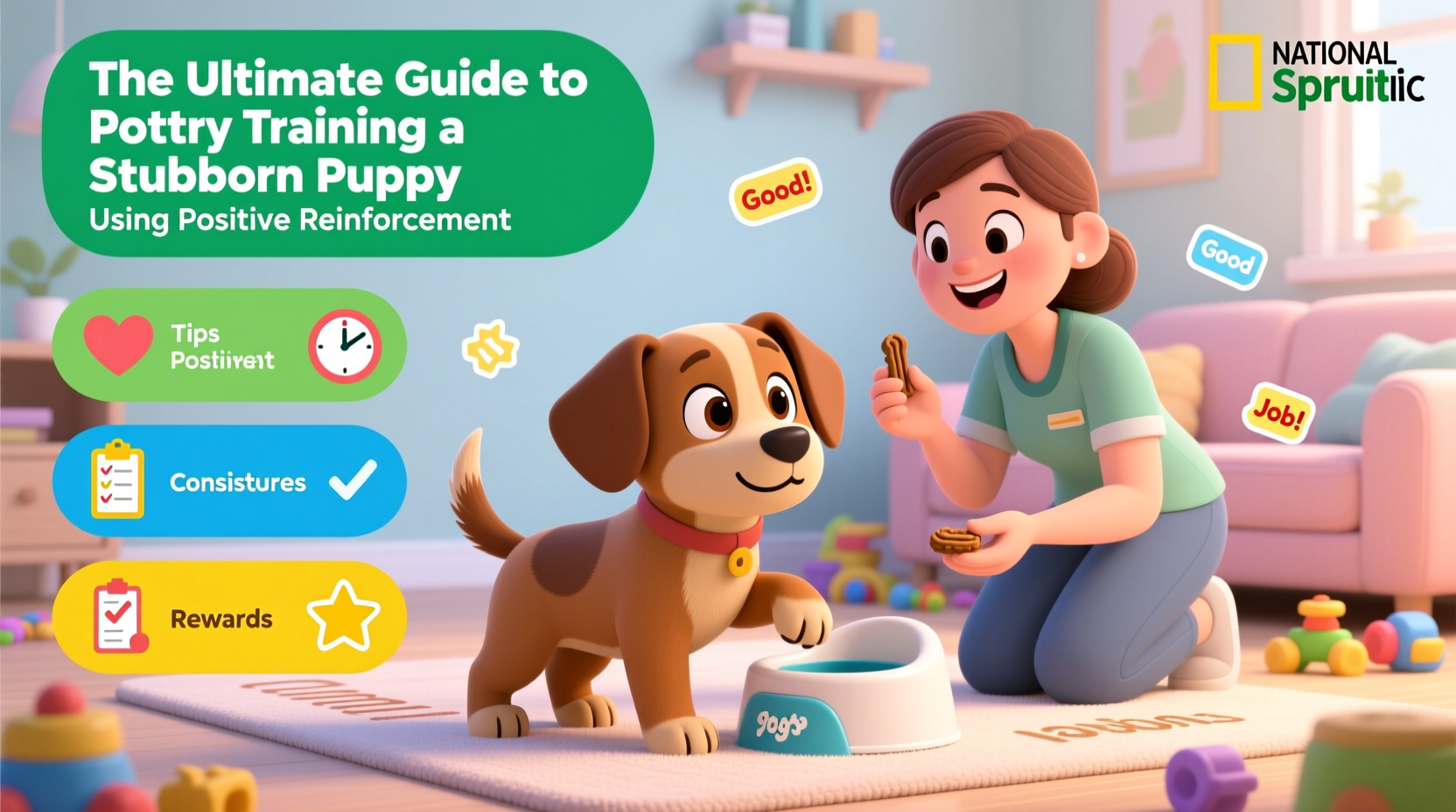
Stubbornness in puppies is rarely defiance. More often, it stems from confusion, inconsistent signals, or unmet physical and emotional needs. Puppies have small bladders and limited control, especially under 16 weeks old. If a puppy repeatedly has accidents indoors, it may not be rebellion—it could be a sign they weren’t given enough opportunities to eliminate outside.
Environmental factors also play a role. A noisy yard, slippery surfaces, or lack of clear cues can make a puppy hesitant to go. Additionally, if past mistakes were met with yelling or punishment, the puppy may associate elimination with stress, leading them to hide or go indoors when unsupervised.
“Dogs don’t generalize well. Just because your puppy goes outside once doesn’t mean they understand it’s the only place. They need repetition, clarity, and encouragement.” — Dr. Sophia Yin, Applied Animal Behaviorist
Positive reinforcement works by rewarding desired behaviors immediately, making them more likely to repeat. Unlike aversive methods, which suppress behavior temporarily, rewards build confidence and long-term compliance.
The Science Behind Positive Reinforcement in Puppy Training
Positive reinforcement operates on a simple principle: behaviors followed by rewards are more likely to happen again. When a puppy eliminates outside and receives praise, treats, or playtime, their brain links outdoor elimination with pleasure. Over time, this association becomes automatic.
The key is timing. Rewards must come within seconds of the behavior. Delayed praise (e.g., after coming back inside) confuses the puppy. The reward should also be meaningful—small, soft treats work best during early training because they’re fast to consume and don’t interrupt focus.
Tip: Use high-value treats like boiled chicken or cheese during initial training phases to maximize motivation.Consistency across all family members is equally important. Mixed signals—such as one person praising while another scolds—undermine learning. Everyone in the household should follow the same cues, routines, and rewards.
Step-by-Step Potty Training Plan for Stubborn Puppies
A structured timeline increases predictability, which reduces anxiety and accidents. Follow this 3-phase plan tailored for resistant puppies.
Phase 1: Establish Routine (Days 1–7)
- Set a feeding schedule: Feed meals at the same times daily—typically morning and evening—to regulate digestion.
- Limit water access before bedtime: Remove water bowls 1–2 hours before sleep to reduce nighttime urgency.
- Create a potty schedule: Take the puppy out every 30–60 minutes during waking hours, after naps, meals, and play sessions.
- Use a leash and designated spot: Always take the puppy to the same outdoor area. Use a consistent cue word like “Go potty” in a calm tone.
- Reward immediately: The instant the puppy starts eliminating, say “Yes!” and deliver a treat right after completion.
Phase 2: Build Independence (Days 8–21)
- Gradually extend intervals between potty breaks as the puppy shows reliability.
- Begin introducing indoor confinement (crate or gated area) when supervision isn’t possible.
- Practice short “wait-and-watch” periods indoors—if the puppy sniffs or circles, interrupt gently and go outside.
- Start fading treats gradually—switch to verbal praise and occasional surprise rewards to maintain interest.
Phase 3: Solidify Habits (Day 22 and Beyond)
- Maintain the routine but allow longer stretches between breaks based on age (1 hour per month of age).
- Test independence by leaving the puppy alone for short periods with access to a safe space.
- Introduce new environments slowly—visit different outdoor locations and reward elimination there.
- Phase out constant treats; use social rewards like petting or a quick game of tug.
Essential Tools and Environment Setup
Your environment can make or break potty training progress. A well-organized setup minimizes confusion and maximizes success.
| Tool | Purpose | Recommendation |
|---|---|---|
| Crate | Creates a den-like space that discourages soiling | Size-appropriate; large enough to stand and turn, not lie down and eliminate |
| Leash | Ensures focused trips outside without distractions | 6-foot standard leash (avoid retractables for training) |
| Treat Pouch | Holds rewards for immediate delivery | Wearable hip pouch with quick-access pockets |
| Enzymatic Cleaner | Breaks down urine/feces odor at the molecular level | Brands like Nature’s Miracle or Rocco & Roxie |
| Bell System | Teaches puppy to signal when they need to go | Hung near door at puppy’s nose level |
A dedicated indoor potty zone (for apartment dwellers or extreme weather) can include real grass pads or synthetic turf systems. However, if the goal is outdoor-only training, avoid indoor pads—they teach the puppy it’s acceptable to eliminate inside.
Mini Case Study: Turning Around a Resistant Rescue Puppy
Max, a 14-week-old mixed breed rescue, arrived at his new home with no prior training. Despite frequent outdoor trips, he consistently eliminated indoors—sometimes minutes after returning from outside. His owners felt frustrated and considered giving up.
A certified trainer assessed the situation and identified two issues: delayed rewards and lack of post-potty engagement. Max was being praised *after* coming back inside, missing the critical timing window. Also, going outside ended fun time, making him reluctant to stay out long enough to eliminate.
The new plan included:
- Waiting at the designated spot until Max eliminated.
- Immediately marking the behavior with “Yes!” followed by a treat and 30 seconds of play.
- Using a bell system to help Max communicate his needs.
Within 10 days, indoor accidents dropped from 5–6 per day to less than one. By week four, Max rang the bell reliably and waited by the door. His owners reported a stronger bond and newfound confidence in handling.
“Max wasn’t stubborn—he just didn’t know what earned him attention. Once we made going outside rewarding, everything changed.” — Sarah Lin, Certified Dog Trainer
Common Mistakes That Undermine Progress
Even well-intentioned efforts can backfire if common pitfalls aren’t avoided. Here’s what to watch for:
| Do’s | Don’ts |
|---|---|
| Reward immediately after elimination | Punish or rub nose in accident |
| Use consistent verbal cues | Allow free roam unsupervised too soon |
| Supervise closely or use confinement | Yell “No!” after the fact |
| Clean accidents with enzymatic solution | Switch outdoor spots frequently |
| Stay patient and predictable | Expect overnight success |
One of the most damaging errors is inconsistency. Letting a puppy eliminate indoors “just this once” teaches them the rules are flexible. Dogs thrive on predictability—clear boundaries lead to faster learning.
Frequently Asked Questions
How long does it take to potty train a stubborn puppy?
Most puppies show significant improvement within 2–4 weeks of consistent training. Full reliability may take 4–6 months, especially for breeds with smaller bladders or higher distractibility. Patience and routine are more important than speed.
What if my puppy won’t go outside no matter how long I wait?
If your puppy refuses to eliminate after 5–10 minutes, bring them back inside and confine them in a crate or small pen with supervision. Try again every 15–20 minutes. Avoid letting them play or nap first—this reinforces delaying. Success often comes after a few cycles of structured retries.
Can older puppies be potty trained using positive reinforcement?
Absolutely. While younger puppies learn faster due to fewer established habits, dogs of any age respond to positive reinforcement. Older puppies or adult dogs may require more repetition and environmental management, but the principles remain the same.
Final Checklist for Success
Use this actionable checklist to ensure you’re covering all bases:
- ✅ Feed meals at consistent times each day
- ✅ Take puppy out every 30–60 minutes during waking hours
- ✅ Use a designated outdoor spot with a verbal cue
- ✅ Reward within seconds of elimination
- ✅ Supervise constantly or use safe confinement
- ✅ Clean accidents with enzymatic cleaner
- ✅ Avoid punishment—focus on redirecting and rewarding
- ✅ Involve all household members in the same routine
- ✅ Introduce a bell system for communication
- ✅ Track progress in a journal or app
Conclusion: Building Trust One Step at a Time
Potty training a stubborn puppy isn’t about dominance or discipline—it’s about communication and trust. Positive reinforcement transforms the process from a battle into a partnership. Every successful trip outside strengthens your puppy’s understanding and deepens your bond.
Progress may feel slow at times, but consistency compounds. What seems like resistance today can become reliable behavior tomorrow with the right approach. Start where you are, use the tools outlined here, and celebrate every small win. Your puppy isn’t giving you a hard time—they’re having a hard time. With patience and positivity, you’ll guide them toward success—one step, and one potty break, at a time.
💬 Have a stubborn puppy story or tip to share? Join the conversation below and help fellow pet parents navigate the journey with confidence!








