
Dogs don’t just love attention—they love treats too. And when it comes to birthdays, adoption anniversaries, or just a special “I love you” moment, nothing says celebration like a homemade dog cake. Unlike store-bought desserts that often contain sugar, artificial flavors, or ingredients unsafe for dogs, a homemade cake gives you full control over what goes into your pet’s bowl. With the right ingredients and techniques, you can create a treat that’s both nutritious and irresistible to your four-legged friend.
Why Homemade Dog Cakes Are Better
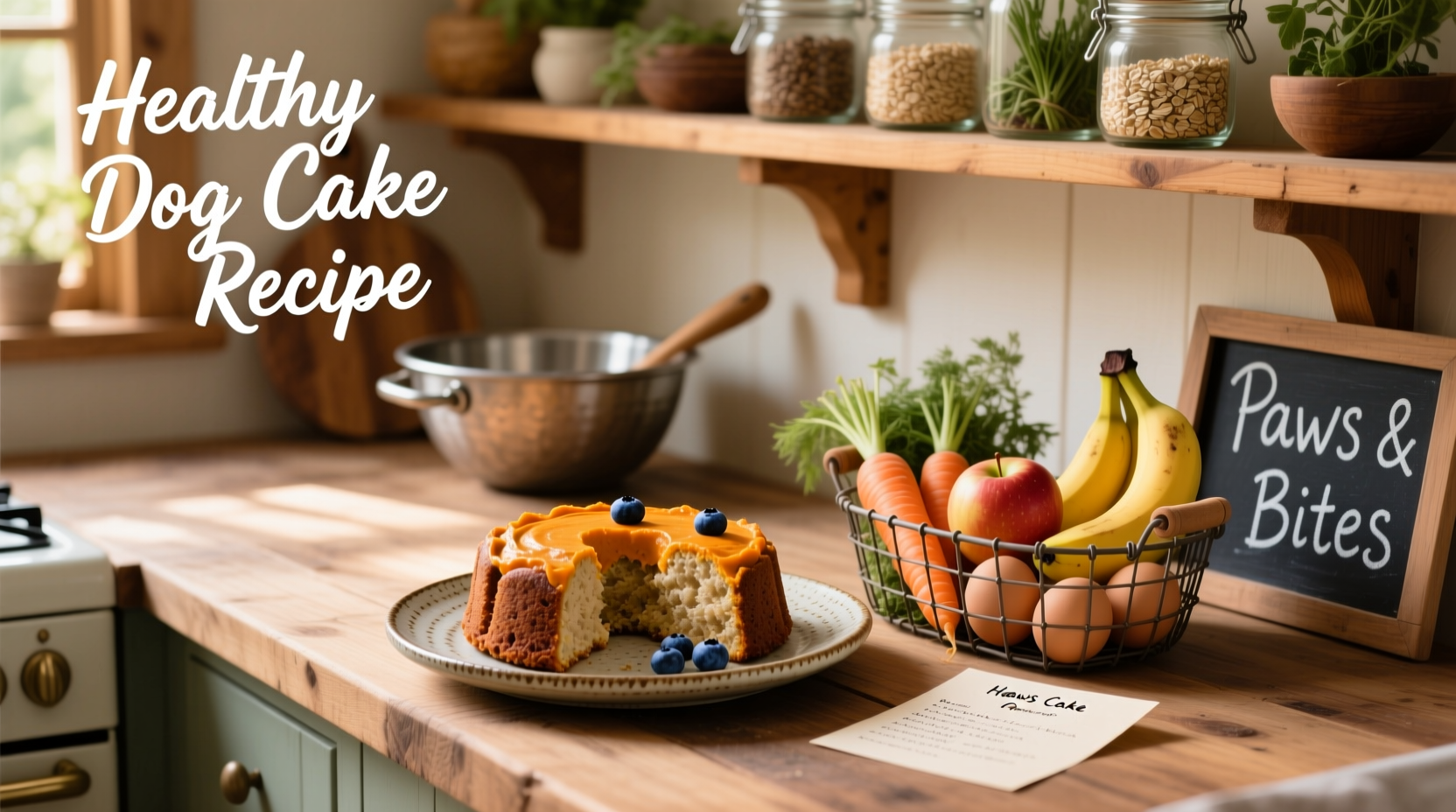
Commercial dog treats and bakery items may look appealing, but many contain fillers, preservatives, and high levels of sugar or salt that offer little nutritional value and can even be harmful in excess. By baking at home, you eliminate these risks and tailor the recipe to your dog’s dietary needs—whether they’re on a grain-free diet, have allergies, or simply prefer certain flavors.
Homemade dog cakes also provide an opportunity to incorporate whole-food ingredients rich in vitamins and fiber. Pumpkin supports digestion, peanut butter (xylitol-free) adds protein and healthy fats, and oats contribute slow-releasing energy. Plus, the act of preparing something by hand strengthens the emotional bond between pet and owner.
Tip: Always check ingredient labels—especially with peanut butter. Xylitol is highly toxic to dogs and is found in some sugar-free brands.Essential Ingredients for Safe & Nutritious Dog Cakes
The foundation of any great dog cake lies in its ingredients. The best recipes use natural, unprocessed foods that are safe for canine consumption. Below is a list of commonly used, vet-approved components:
- Pumpkin puree (not pie filling): High in fiber and low in calories, ideal for digestive health.
- Oat flour or whole wheat flour: Provides structure without refined grains.
- Unsweetened applesauce: Adds moisture and natural sweetness.
- Eggs: A great source of protein and help bind ingredients together.
- Plain Greek yogurt: Offers probiotics and creaminess for frosting.
- Xylitol-free peanut butter: A favorite flavor enhancer packed with healthy fats.
- Cooked sweet potato: Rich in beta-carotene and complex carbohydrates.
- Carob powder: A safe alternative to chocolate, providing a cocoa-like taste.
“Dogs thrive on simple, whole-food diets. When treats mirror that principle, they become more than indulgence—they support overall wellness.” — Dr. Lena Reyes, DVM, Canine Nutrition Specialist
Step-by-Step Guide to Baking Your First Dog Cake
Follow this straightforward process to make a basic two-layer peanut butter and banana dog cake. This recipe is gentle on sensitive stomachs and loved by most pups.
- Gather ingredients: 1 cup oat flour, 1 ripe banana (mashed), 1/4 cup xylitol-free peanut butter, 1 egg, 1/2 tsp baking powder, 1/4 cup unsweetened applesauce.
- Preheat oven: Set to 350°F (175°C). Lightly grease two 6-inch round pans or use silicone molds.
- Mix dry ingredients: In a bowl, combine oat flour and baking powder.
- Blend wet ingredients: In another bowl, whisk peanut butter, mashed banana, egg, and applesauce until smooth.
- Combine: Gradually add dry mix to wet, stirring until just blended. Do not overmix.
- Pour and bake: Divide batter evenly between pans. Bake for 20–25 minutes, or until a toothpick inserted in the center comes out clean.
- Cool completely: Let cakes rest in pans for 10 minutes, then transfer to a wire rack. Never frost a warm cake.
- Frosting option: Mix 1/2 cup plain Greek yogurt with 1 tbsp peanut butter. Spread between layers and on top.
- Serve: Slice into small portions. Store leftovers in the fridge for up to 5 days.
Do’s and Don’ts of Dog Cake Baking
| Do’s | Don’ts |
|---|---|
| Use dog-safe flours like oat, coconut, or whole wheat | Use almond flour—can be hard to digest and potentially irritating |
| Incorporate fresh fruits like blueberries or apples (seeds removed) | Add grapes, raisins, cherries, or citrus—these are toxic to dogs |
| Store cakes in the refrigerator for freshness | Leave cakes at room temperature for more than 4 hours |
| Decorate with edible flowers like pansies or rose petals (unsprayed) | Use human frosting, sprinkles, or chocolate—even in small amounts |
| Test new ingredients in small quantities first | Introduce multiple new foods at once, risking allergic reactions |
Mini Case Study: Max’s Birthday Surprise
When Sarah wanted to celebrate her rescue dog Max’s third birthday, she avoided the local pet bakery due to his chicken allergy and sensitivity to grains. Instead, she made a grain-free, single-protein cake using chickpea flour, pureed pumpkin, and sunflower seed butter. She baked mini cupcakes and topped them with a yogurt swirl and a fresh blueberry.
Max devoured his portion without any digestive upset, and Sarah froze the extras for future treats. “It felt good knowing exactly what he was eating,” she said. “Plus, he acted like it was the best thing he’d ever tasted.” Her success inspired her to start a small social media page sharing allergen-friendly dog treat recipes, now followed by over 10,000 pet owners.
Customizing Cakes for Special Needs
Dog cakes aren’t one-size-fits-all. Adjust recipes based on age, size, activity level, and medical conditions:
- Puppies: Focus on protein and calcium. Consider adding a spoonful of powdered puppy milk replacer to the batter.
- Senior dogs: Use softer ingredients like cooked carrots or applesauce for easier chewing.
- Overweight dogs: Skip calorie-dense nut butters; use low-fat cottage cheese or mashed banana instead.
- Allergies: Rotate proteins and avoid common triggers like wheat, dairy, or eggs unless tolerated.
FAQ
Can I freeze dog cakes?
Yes. Wrap individual slices in parchment paper and store in an airtight container. Frozen dog cakes last up to 3 months. Thaw in the refrigerator before serving.
How much cake should I give my dog?
Treats, including cake, should make up no more than 10% of your dog’s daily caloric intake. For a medium-sized dog, a 2-inch square slice once a week is sufficient.
Is carob really safe for dogs?
Absolutely. Carob is naturally caffeine- and theobromine-free, making it a safe substitute for chocolate. It’s mildly sweet and often used in commercial dog treats.
Bake with Love, Serve with Care
Creating a homemade dog cake isn’t about perfection—it’s about intention. Every stir of the spoon, every sniff of peanut butter, and every wag of the tail when the oven timer dings tells a story of care. With the right ingredients and mindful preparation, you’re not just making a dessert—you’re nurturing your dog’s health and happiness in the most heartfelt way possible.
🚀 Ready to bake? Try the peanut butter-banana recipe this weekend and watch your dog light up. Share your creation online and inspire other pet parents to make the switch from store-bought to homemade!








