Cat owners love the companionship their feline friends provide—but few enjoy the trail of litter scattered across floors after every bathroom visit. Cat litter tracking is a common yet avoidable issue that affects cleanliness, hygiene, and daily maintenance in homes with cats. The good news: with the right tools, habits, and environment setup, it’s entirely possible to stop litter from spreading throughout your home. This guide outlines actionable, science-backed methods used by veterinarians, professional pet groomers, and experienced multi-cat households to eliminate litter tracking once and for all.
Understanding Why Litter Tracking Happens
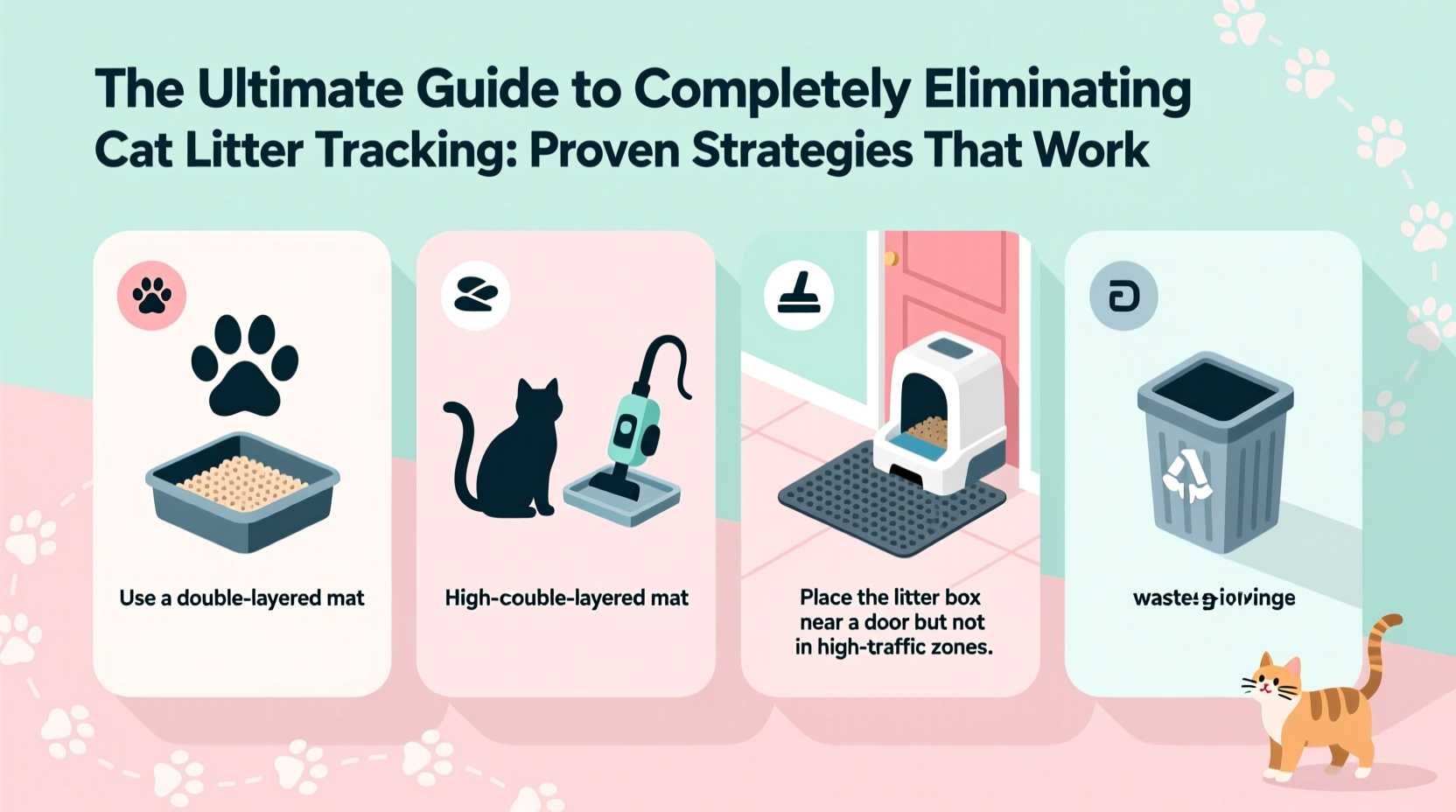
Cats naturally dig and cover their waste, an instinct inherited from their wild ancestors. When they exit the litter box, fine particles cling to their paws and fur—especially between the toes—and are carried into other areas of the home. High-tracking litters (like lightweight clay or crystal types) exacerbate the problem. Additionally, poorly placed litter boxes, inadequate box design, and lack of containment contribute significantly to the spread.
Tracking isn’t just messy—it can create slip hazards on hardwood or tile, stain carpets, and even affect indoor air quality if silica dust becomes airborne. Addressing the root causes requires a multifaceted approach focused on prevention at the source.
Tip: Cats with long fur around their paws tend to carry more litter. Regular trimming reduces tracking significantly.Choose the Right Litter to Minimize Tracking
Not all litters are created equal when it comes to tracking. Particle size, weight, and texture play crucial roles in how much sticks to your cat’s feet.
Heavier, larger-grain litters such as paper-based or wood pellet formulas tend to track less because they’re too heavy to stick easily to fur. Conversely, ultra-lightweight clumping clays may be convenient but often leave a dusty trail behind.
| Litter Type | Tracking Level | Why It Matters |
|---|---|---|
| Clay (Lightweight) | High | Fine particles adhere easily to paws and fur. |
| Silica Crystals | Moderate-High | Small beads scatter; generate dust. |
| Paper Pellets | Low | Heavy, large pellets don’t stick to feet. |
| Wood-Based | Low-Moderate | Natural fibers resist adhesion; biodegradable. |
| Wheat or Corn Clumping | Low | Denser granules reduce scattering. |
“Switching to a heavier, low-dust litter can cut visible tracking by up to 70% within a week.” — Dr. Lena Torres, DVM, Feline Behavior Consultant
Optimize Litter Box Placement and Design
The location and structure of your litter box directly influence how much litter escapes. Placing the box on a hard surface like tile without protection invites widespread dispersal. Similarly, open-top boxes allow unrestricted exit paths where litter shakes off mid-stride.
Consider these upgrades:
- Use top-entry or hooded boxes with built-in baffles that scrape litter off paws as cats climb out.
- Elevate the box slightly over a washable mat designed to trap escaping particles.
- Avoid high-traffic flooring areas; place boxes in utility rooms, bathrooms, or laundry areas with easy-to-clean floors.
- Double-box systems: Place a second, slightly larger tray underneath the litter box to catch overflow and kicked-out litter.
Step-by-Step: Setting Up a Tracking-Resistant Litter Station
- Select a quiet, accessible room with minimal foot traffic.
- Place a deep-pile or ribbed rubber mat (minimum 3' x 3') under and around the litter box.
- Position a covered litter box with a front baffle or tunnel entry.
- Fill with 4–5 inches of low-tracking litter (avoid overfilling).
- Add a small brush or grooming mitt nearby to wipe your cat’s paws post-use (if tolerated).
- Check the mat daily and shake debris back into the box or dispose of it.
Real-World Example: A Multi-Cat Household Success Story
Sarah M., a pet owner in Portland, Oregon, struggled with litter tracking across her two-story home. With three cats using two standard litter boxes, she found herself sweeping litter from kitchen counters to bedrooms. After consulting a veterinary behaviorist, she implemented several changes:
- Replaced lightweight clay litter with compressed paper pellets.
- Installed top-entry boxes with exit tunnels lined with soft brushes.
- Placed dual-layer mats (rubber base + microfiber top) beneath each station.
- Moved boxes away from carpeted areas to tiled basements.
Within ten days, Sarah noticed a dramatic reduction in tracked litter. Two weeks later, she hadn’t found a single pellet outside the designated zones. “It felt like magic,” she said, “but really, it was just consistent, logical changes.”
Essential Accessories That Make a Difference
Even with the best litter and placement, some tracking will occur. The key is interception. These tools help capture escaping particles before they spread:
- Litter Traps (Mats): Look for ribbed, grid-style mats that force paws to press down, dislodging trapped litter. Long-fiber mats also work well but require frequent shaking.
- Paw Wipes: Use unscented, pet-safe wipes near the box to gently clean paws after use—especially helpful for older or mobility-limited cats.
- Enclosed Litter Furniture: Cabinets or enclosures with entry tunnels act as natural filters, catching litter before it reaches open floors.
- Secondary Containment Trays: These sit beneath standard boxes and collect kicked-out litter, reducing floor contact by up to 60%.
“The most effective anti-tracking setups combine physical barriers, smart materials, and behavioral awareness.” — James Reed, Certified Pet Product Designer
Checklist: How to Eliminate Litter Tracking in 7 Steps
Quick Action Plan:- ☐ Switch to a heavy, low-dust litter (paper, wood, or wheat-based)
- ☐ Install a litter-catching mat under and around the box
- ☐ Upgrade to a covered or top-entry litter box with a baffle
- ☐ Relocate the box to a low-pile or hard-surface area
- ☐ Trim fur between your cat’s paw pads weekly
- ☐ Vacuum and clean mats at least twice a week
- ☐ Monitor your cat’s behavior and adjust setup as needed
Frequently Asked Questions
Can I train my cat not to track litter?
You can't fully train a cat to avoid tracking, as it's a natural consequence of exiting the litter box. However, you can modify the environment to minimize it. Training your cat to step through a shallow tray of water or onto a cleaning mat post-use is possible in some cases, though not always practical.
Are automatic litter boxes better for reducing tracking?
Some self-cleaning models contain litter more effectively due to enclosed designs and timed waste removal. However, many still suffer from tracking unless paired with mats or secondary containment. Look for models with exit ramps or built-in sifting trays for maximum benefit.
How often should I replace litter mats?
High-quality rubber or plastic mats can last years with proper care. Fabric or microfiber mats may need replacement every 6–12 months depending on wear, odor retention, and washing frequency. Replace any mat that shows cracks, warping, or persistent smells.
Final Thoughts: A Cleaner Home Starts Today
Eliminating cat litter tracking doesn’t require extreme measures or expensive gadgets. It begins with understanding your cat’s habits and making intelligent, incremental improvements to their bathroom environment. By selecting the right litter, optimizing box design, using effective mats, and maintaining consistency, you can reclaim your floors and reduce daily cleanup stress.
Every cat owner deserves a clean, pleasant home without sacrificing their pet’s comfort. Start implementing one or two strategies today—whether it’s swapping litter types or adding a simple mat—and build from there. Small changes lead to big results.
💬 Have a tip that worked for your home? Share your experience below and help fellow cat lovers keep their spaces spotless!








