Every parent knows the look in a child’s eyes when they find \"the one\"—that soft, comforting plush toy that becomes a constant companion. But beyond cuteness, what truly matters is durability, safety, and quality craftsmanship. A well-made stitch plush toy can last for years, surviving countless hugs, washes, and adventures. Poorly made ones, however, fray quickly, pose choking hazards, or lose their charm after weeks. Choosing wisely isn’t just about aesthetics—it’s about ensuring long-term comfort, safety, and value.
Why Stitch Quality Matters More Than You Think
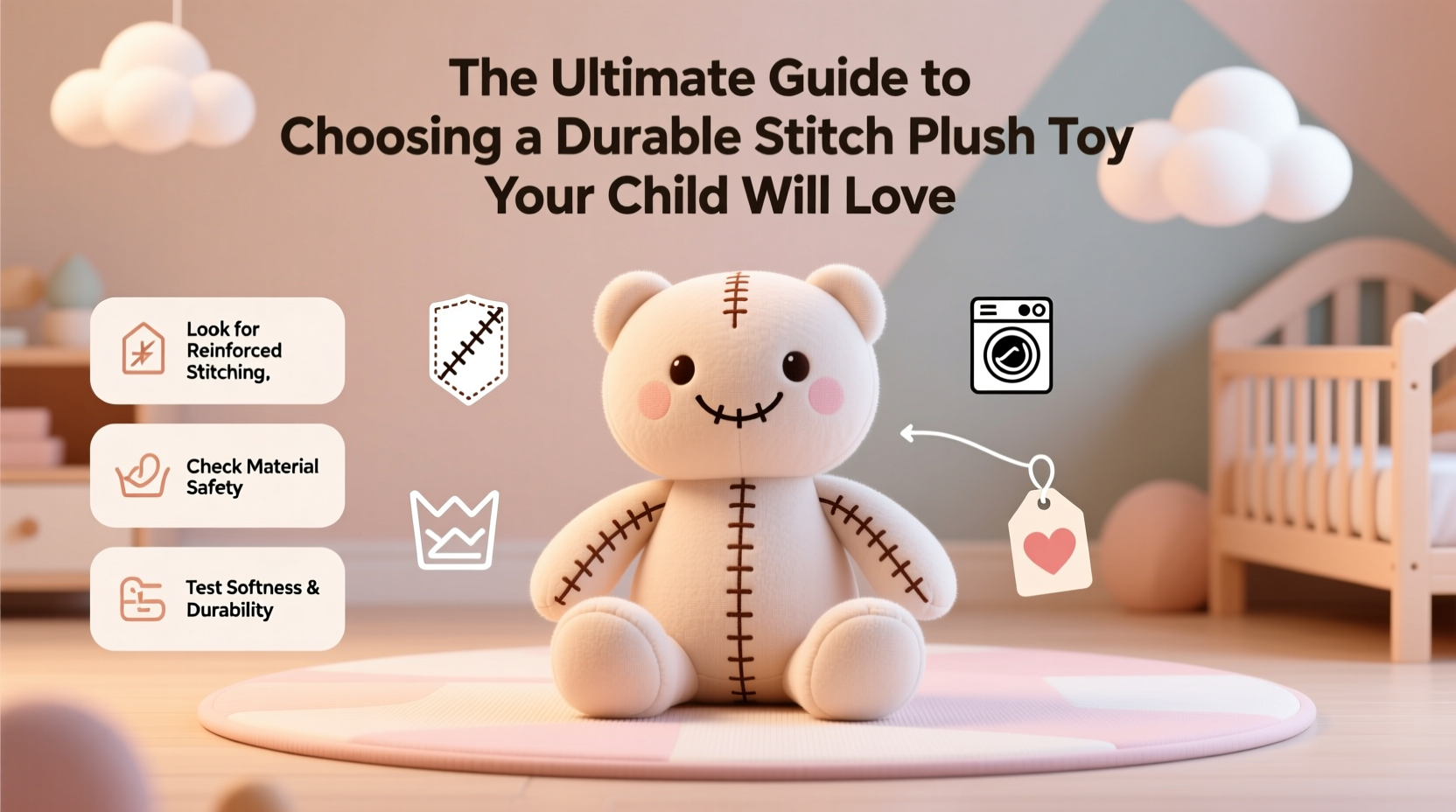
The strength of a plush toy’s seams determines its lifespan. Weak stitching unravels with regular play, exposing stuffing and small parts. High-quality plush toys use reinforced stitching—often double or triple stitched—along stress points like arms, ears, and legs. Look for tight, even stitches with no visible gaps or loose threads. Hand-stitched toys aren’t inherently better; machine stitching is typically more consistent and durable when done correctly.
A telltale sign of poor construction is stuffing peeking through seams after minimal use. This not only ruins the toy’s appearance but also creates a safety risk if a child pulls at exposed fibers or stuffing.
Tip: Gently tug on seams and limbs before purchasing—if the fabric pulls apart easily, it won’t withstand daily play.Materials That Make a Difference
The outer fabric and inner filling significantly impact both durability and safety. Common materials include polyester, cotton, mohair, and fleece, each with pros and cons.
| Material | Durability | Safety | Care Notes |
|---|---|---|---|
| Polyester | High – resists pilling and tearing | Generally safe; hypoallergenic | Machine washable; dries quickly |
| Cotton | Moderate – soft but may wear faster | Safe; breathable | May shrink; gentle cycle recommended |
| Fleece | Good – warm and resilient | Low allergen risk | Resists static; avoid high heat |
| Mohair (synthetic) | Variable – luxurious but delicate | Safe if securely stitched | Often hand-wash only |
Filling materials are equally important. High-quality plush toys use hypoallergenic polyester fiberfill that retains shape and resists clumping. Avoid toys with excessive stuffing—overstuffed toys put strain on seams and increase the chance of bursting.
“Durable plush toys combine robust stitching with resilient fabrics. It’s not about being the softest on day one—it’s about still being loved on day 365.” — Dr. Lena Patel, Child Development & Toy Safety Researcher
Step-by-Step Guide to Evaluating a Plush Toy Before Purchase
Follow this practical checklist every time you shop—whether online or in-store—to ensure you’re investing in a toy that lasts.
- Inspect the stitching: Run fingers along seams. Are they tight and consistent? No skipped stitches or frayed edges?
- Check attachment points: Pull gently on eyes, noses, and buttons. These should be securely embroidered or firmly anchored with backing plates.
- Feel the fabric: Does it resist pulling? Thin, flimsy fabric wears out fast. Thicker, tightly woven materials endure rough play.
- Examine labels: Look for care instructions and safety certifications (ASTM F963, EN71, CE mark).
- Test washability: If machine washing is required, confirm it’s explicitly allowed. Many “washable” toys degrade after one cycle if poorly constructed.
- Assess size and proportion: Smaller toys with fewer appendages tend to be sturdier. Complex shapes with long limbs are more prone to seam failure.
Real Example: How One Family Avoided a Costly Mistake
The Thompsons bought an adorable bear with floppy limbs and glass-like eyes for their two-year-old. Within three weeks, one eye loosened, and the arm seam split during a nap. When they contacted the manufacturer, they learned the toy wasn’t tested to U.S. safety standards. They replaced it with a simpler, embroidered-face bear from a reputable brand using reinforced seams and machine-washable materials. Two years later, it remains a favorite—washed over a dozen times, still intact.
This experience taught them that emotional appeal shouldn’t override structural integrity. A toy designed for longevity pays off in safety and sentimental value.
Tip: Choose embroidered facial features over plastic or glued-on parts—they’re safer and less likely to detach.Safety Standards and Certifications You Can Trust
Not all plush toys meet the same safety benchmarks. In the U.S., ASTM F963 is the standard for toy safety, covering mechanical, physical, and chemical risks. In Europe, EN71 regulations require rigorous testing for flammability, toxicity, and durability. Look for these marks on packaging or product descriptions.
- ASTM F963 – U.S. safety standard for toys
- CE Mark – Indicates compliance with European health and safety laws
- OEKO-TEX® Certified – Ensures fabrics are free from harmful substances
- Greenguard Gold – Low chemical emissions, ideal for sensitive children
Toys without clear labeling or sold by unknown third-party vendors often bypass these standards. Stick to reputable brands or retailers with transparent sourcing practices.
Common Pitfalls to Avoid
Even experienced parents can fall into traps when selecting plush toys. Here’s what to watch out for:
| Don't | Do Instead |
|---|---|
| Choose toys with small, detachable parts | Opt for embroidered details and securely sewn accessories |
| Buy based solely on appearance | Evaluate construction, material, and safety labels first |
| Ignore care instructions | Select washable toys—hygiene is critical for long-term use |
| Purchase from unverified online marketplaces | Stick to trusted brands or certified sellers |
FAQ: Your Top Questions Answered
How can I tell if a plush toy is truly durable?
Look for tight, double-stitched seams, high-quality fabric that doesn’t pill easily, and securely attached features. If possible, test the toy’s resilience by gently tugging on limbs and checking for loose threads.
Are handmade plush toys safer or more durable than store-bought ones?
Not necessarily. While handmade toys can be charming, their durability depends entirely on the crafter’s skill and materials. Unless you know the maker personally and trust their process, mass-produced toys from certified brands often undergo stricter safety testing.
How often should I wash a plush toy?
Wash every 4–6 weeks under normal use. More frequently if the toy is used nightly or taken outdoors. Always follow label instructions—most durable plush toys can be machine washed on a gentle cycle in a mesh bag to protect seams.
Final Thoughts: Building Lasting Connections Through Thoughtful Choices
A durable stitch plush toy is more than a plaything—it becomes a confidant, a comforter, and a silent witness to childhood milestones. By prioritizing strong seams, safe materials, and verified standards, you’re not just buying a toy; you’re investing in years of emotional security for your child.
Take a moment before your next purchase. Examine the stitching, read the label, and imagine that toy two years from now. Will it still hold up? Will it still bring joy? The right choice today can create a cherished heirloom tomorrow.
💬 Found a plush toy your child has loved for years? Share your story in the comments—your experience could help another family make a lasting choice.








