Carrying a dog may seem like a simple act of affection or necessity, but doing it incorrectly can lead to serious physical strain—for both the dog and the handler. Whether you're lifting a tiny Chihuahua or supporting a senior Labrador, understanding proper technique is essential to prevent spinal stress, joint damage, or anxiety in your pet. Many owners unknowingly use unsafe postures that compromise their dog’s comfort and long-term health. This guide breaks down biomechanically sound methods, breed-specific considerations, and practical steps to ensure every lift is secure, respectful, and pain-free.
Understanding Canine Anatomy and Weight Distribution
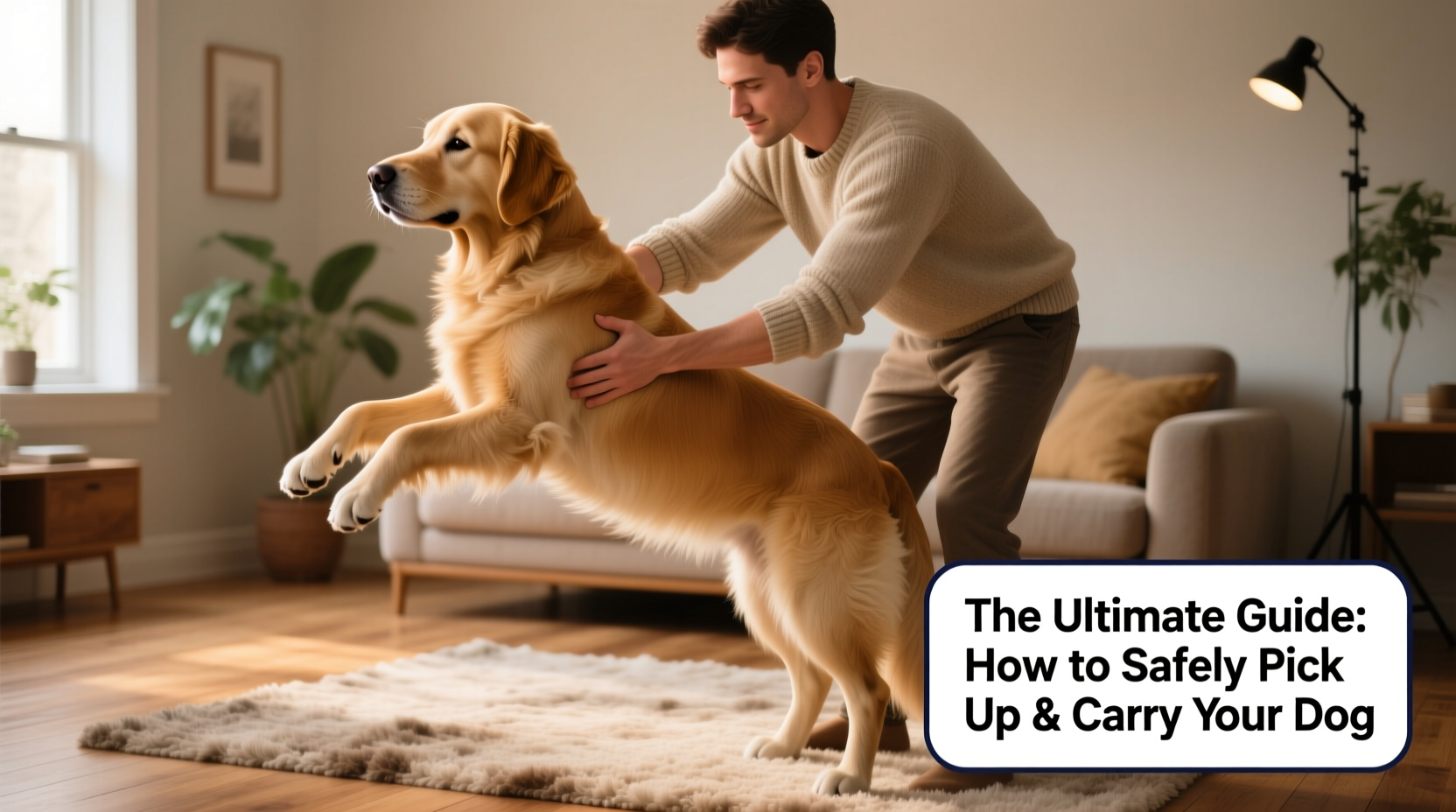
Dogs are not built to be carried like humans. Their spines run horizontally, and their weight centers near the ribcage, not the hips. When lifted improperly—especially by the front legs or with one arm under the chest—excessive pressure is placed on the shoulders, spine, and internal organs. Small breeds are prone to tracheal collapse if hoisted by the armpits, while large or aging dogs risk hip dysplasia flare-ups if their hindquarters dangle unsupported.
The ideal carrying position supports both the forelimbs and hindlimbs, keeping the spine aligned and minimizing torque. This requires two points of contact: one under the chest and another beneath the rump. For short durations, this distributes weight evenly and mimics natural movement patterns.
Tip: Always bend your knees when lifting—never twist your torso—to protect both your back and your dog’s balance.Step-by-Step Guide to Safe Lifting Techniques
Lifting a dog correctly involves preparation, positioning, and controlled motion. Follow this sequence for consistent safety:
- Assess the situation: Is the dog injured, anxious, or in pain? If so, avoid full lifts; use a towel sling or seek veterinary assistance.
- Approach calmly: Speak softly and allow the dog to sniff your hands before touching.
- Position your hands: Place one arm under the dog’s chest, just behind the front legs. Slide your other arm under the hind legs, cradling the rump.
- Lift smoothly: Engage your legs, not your back. Bring the dog close to your body as you rise.
- Hold securely: Keep the dog’s spine straight, head supported, and limbs tucked gently against your torso.
- Set down carefully: Reverse the process, lowering slowly until all four paws touch the ground.
This method applies to most healthy adult dogs. Puppies, seniors, and medically compromised animals require additional modifications.
Do’s and Don’ts: A Quick Reference Table
| Action | Do | Don’t |
|---|---|---|
| Hand Placement | One hand under chest, one under rump | Lift by front legs or scruff only |
| Body Position | Bend knees, keep back straight | Bend at waist or twist mid-lift |
| Duration | Keep under 5 minutes for non-emergencies | Carry for extended walks or chores |
| Dog Behavior | Wait for calmness before lifting | Forcefully grab a fearful or aggressive dog |
| Support Needs | Use a harness or sling for injured pets | Allow hind legs to hang unsupported |
Special Considerations by Size and Age
Not all dogs should be carried the same way. Breed size, age, and health status dramatically influence safe handling practices.
- Small Breeds (e.g., Pomeranian, Shih Tzu): These dogs are light but fragile. Avoid “handbag” style carrying where they dangle by the torso. Instead, support the entire body with both arms, keeping their feet near your forearm for stability.
- Large & Giant Breeds (e.g., German Shepherd, Great Dane): Never attempt to lift fully unless absolutely necessary. Use a mobility sling or two-person lift. Even young adults can suffer spinal compression from improper hoisting.
- Puppies: Limit handling to short, supportive lifts during socialization. Excessive carrying delays muscle development and balance training.
- Senior or Arthritic Dogs: Support joints with a belly sling. Lift only when needed—such as over stairs—and always lower slowly to prevent joint shock.
“Improper lifting is one of the most overlooked causes of chronic back pain in dogs, especially small breeds. Supporting the hindquarters isn’t optional—it’s anatomical necessity.” — Dr. Lena Torres, DVM, Canine Rehabilitation Specialist
Real-World Scenario: Managing a Post-Surgery Dog
Milo, a 7-year-old Cavalier King Charles Spaniel, underwent TPLO surgery for a torn ACL. His owner, Sarah, initially carried him by hooking one arm under his chest, assuming the front support was enough. Within days, Milo began yelping when lifted and showed reluctance to stand.
After consulting her vet, Sarah learned she had been shifting Milo’s weight onto his injured leg. The clinic taught her to use a folded bath towel as a sling: looped under his abdomen, allowing her to lift with even pressure across his core. She also practiced setting him down facing forward so he could step naturally. Within a week, Milo’s confidence returned, and his recovery progressed without setbacks.
This case highlights how minor adjustments in technique yield major improvements in comfort and healing.
Essential Checklist for Safe Dog Handling
Before every lift, run through this checklist to ensure safety:
- ✅ Confirm the dog is calm and cooperative
- ✅ Clear the area of obstacles or tripping hazards
- ✅ Position both hands correctly—chest and rump
- ✅ Bend knees and keep spine neutral
- ✅ Keep the dog close to your body during transport
- ✅ Limit duration and avoid jostling
- ✅ Use a sling or harness for medical conditions
- ✅ Set down facing forward, allowing natural stepping
Frequently Asked Questions
Can I carry my dog like a baby?
Only briefly and with full support. Holding a dog vertically with legs dangling strains the spine and hips. If done at all, keep it under 30 seconds and ensure both front and rear are supported. Never rock or bounce vigorously.
My dog weighs over 60 pounds. How can I safely carry him upstairs?
For heavy dogs, use a lifting harness with dual handles. One person holds the front harness loop while another supports the rear. Move slowly, step by step. Alternatively, install a ramp for daily use to reduce physical strain.
Is it okay to carry a dog by the scruff?
Scruffing is appropriate only for very young puppies (under 8 weeks) and should never be used to lift an adult dog. While mother dogs use this method, human imitation lacks the control and precision needed to prevent neck injury.
Conclusion: Respect Your Dog’s Body, Every Time You Lift
Carrying your dog should be an act of care, not convenience. By aligning your technique with canine biomechanics, you protect your pet from unseen injuries and build trust through gentle handling. Whether you’re navigating stairs, visiting the vet, or comforting a nervous companion, the right method makes all the difference. Start practicing these principles today—not just for safety, but as a form of daily respect for your dog’s physical well-being.
💬 Have a story about learning to carry your dog safely? Share your experience below and help fellow pet owners adopt better habits.








