Dog tags have evolved far beyond their military roots. Today, they are essential accessories for pets—serving as practical identification tools, fashion statements, and heartfelt keepsakes. Whether you're a pet owner looking to personalize your dog’s collar or someone crafting meaningful gifts, creating custom dog tags allows you to blend functionality with emotion. This comprehensive guide walks through every aspect of designing, making, and using custom dog tags that reflect personality, ensure safety, and carry lasting sentimental value.
Why Custom Dog Tags Matter
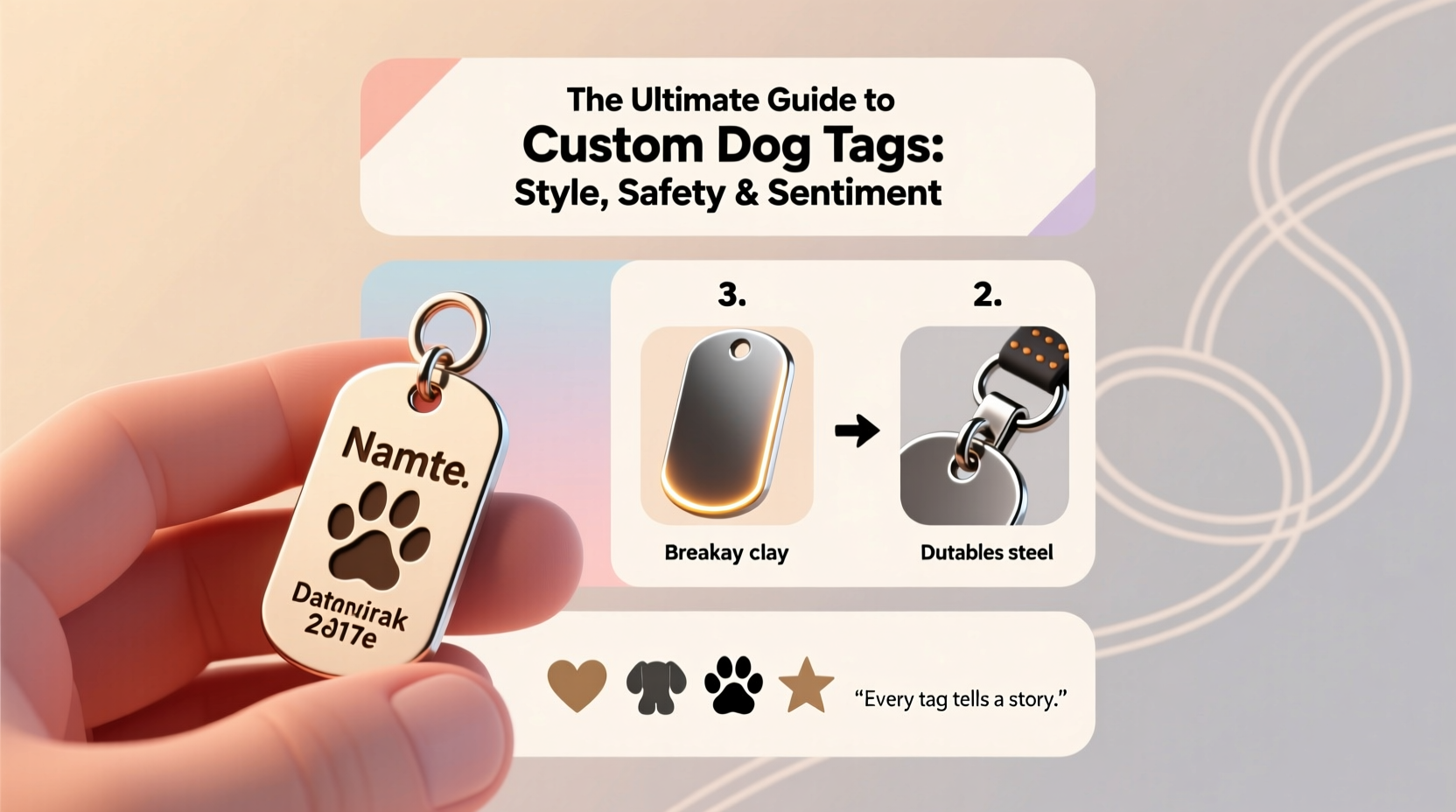
Standard ID tags often lack durability, legibility, or personal touch. Custom dog tags solve these issues by allowing full control over design, material, and message. They help reunite lost pets with owners, express individuality, and commemorate special moments like adoptions, birthdays, or memorials.
A well-made tag includes critical information: the dog’s name, your phone number, and optionally an address or medical note (e.g., “I’m microchipped” or “Friendly but shy”). Beyond utility, a custom tag can feature paw prints, favorite quotes, breed silhouettes, or even QR codes linking to digital profiles.
“Over 10 million pets end up in shelters each year. A visible, durable ID tag increases recovery chances by up to 50%.” — Dr. Laura Bennett, Veterinary Public Health Specialist
Choosing the Right Materials for Durability and Style
The material defines both the look and longevity of a dog tag. Some metals resist scratching and fading better than others; weight and comfort also vary. Below is a comparison of popular options:
| Material | Pros | Cons | Best For |
|---|---|---|---|
| Stainless Steel | Rust-resistant, durable, sleek finish | Can be heavy for small dogs | Active dogs, long-term use |
| Brass | Classic look, ages beautifully | Tarnishes over time without care | Vintage styles, engraved elegance |
| Aluminum | Lightweight, affordable, corrosion-resistant | Scratches easily | Small breeds, budget-friendly options |
| Titanium | Extremely strong, hypoallergenic | Expensive, limited engraving depth | Allergies, high-performance needs |
| Silicone/Plastic | Quiet, colorful, flexible | Less durable, not ideal for outdoor dogs | Fashion-focused designs, indoor pets |
Designing Your Custom Tag: Balancing Aesthetics and Function
A great dog tag combines readability with visual appeal. Begin by defining the purpose: Is it primarily for safety? Sentiment? Or both?
For safety-focused tags, prioritize clarity. Use bold fonts, minimal decoration, and contrast between text and background. Engrave contact details deeply so they remain legible after years of wear. Include at least one phone number—preferably mobile—and consider adding a secondary contact if possible.
For sentimental tags, incorporate symbols, dates, or short messages. Examples include “Adopted June 3, 2022,” “Forever loved,” or a heart with two paw prints. These are especially meaningful for memorial tags or anniversary gifts.
Many owners now use dual-tag systems: one minimalist ID tag and another decorative piece. This keeps essentials clear while allowing creative expression.
Step-by-Step Guide to Making Your Own Dog Tag
- Choose your base material and shape – Round, bone-shaped, shield, or hexagon. Purchase blanks online or from craft suppliers.
- Select engraving method – Options include hand-stamping, rotary engravers, laser etching, or embossing tools.
- Prepare your text/layout – Sketch it out first. Limit lines to 3–4 per side for readability.
- Engrave carefully – If hand-stamping, use a stamping block and hammer evenly. For machines, follow manufacturer settings.
- Polish and finish – Remove burrs with fine sandpaper or a metal file. Apply protective coating if desired (e.g., clear nail polish for aluminum).
- Add split ring and attach to collar – Ensure the ring is stainless steel to prevent rust.
Advanced Options: QR Codes and Digital Integration
Modern custom tags can go beyond engraved text. QR code tags link to online profiles containing detailed info: emergency contacts, vet records, behavioral notes, and even photos. When scanned, these provide faster, richer communication than traditional tags.
To create a QR tag:
- Create a secure landing page with your pet’s info using services like FindMyPetTag or PawPrints.
- Generate a QR code and embed it into the tag design.
- Use laser engraving or resin inlay for precision.
Note: Always pair QR tags with a basic engraved phone number. Not everyone carries smartphones or knows how to scan codes.
Real Example: Reuniting Max, the Lost Terrier
In Portland, Oregon, a Jack Russell Terrier named Max slipped his leash during a storm and disappeared for three days. He was found wandering near a park, wet and anxious. A passerby noticed his custom stainless steel tag—engraved with “Max – Call Sarah: 503-XXX-XXXX” and a small red heart.
Sarah received the call within minutes. Later, she added a QR code to Max’s second tag linking to his microchip record and favorite treats—just in case. “That tag saved him,” she said. “It wasn’t just metal. It was his voice when he couldn’t speak.”
Checklist: Creating a Safe, Stylish, and Meaningful Dog Tag
- ✅ Choose a durable, pet-safe material (stainless steel recommended)
- ✅ Keep text concise and legible (name + phone number minimum)
- ✅ Use deep engraving or filled letters for long-term readability
- ✅ Consider a silent tag (rubber-backed or silicone) if noise bothers you
- ✅ Add a personal touch: symbol, adoption date, or short motto
- ✅ Pair with a QR code for enhanced digital ID (optional)
- ✅ Attach securely with a rust-proof split ring
- ✅ Inspect monthly for wear, bending, or fading
Frequently Asked Questions
How do I clean and maintain my dog’s custom tag?
Wipe weekly with a damp cloth. For deeper cleaning, use mild soap and water. Avoid harsh chemicals. Polish metal tags occasionally with a soft cloth. Check for sharp edges caused by wear.
Can I make a tag for a puppy or growing dog?
Absolutely. Use adjustable collars and lightweight materials. Update the tag as the dog grows—especially if the collar changes frequently. Some owners keep a “starter tag” with just the name until the dog matures.
Are engraved tags better than printed ones?
Yes. Ink-based printing fades within months due to moisture and friction. Engraving lasts the life of the tag. If you prefer color, opt for enamel-filled engravings or epoxy coatings—they’re more durable than surface prints.
Craft With Purpose, Protect With Pride
Custom dog tags are more than accessories—they’re small guardians of safety, identity, and love. By investing time in thoughtful design and quality materials, you create something that protects your pet, expresses their spirit, and brings peace of mind. Whether you’re crafting one at home or ordering a professional piece, remember: every detail matters. The right tag might one day lead your dog back to you.
💬 Have a story about how a dog tag made a difference? Share your experience below and inspire others to personalize with purpose.








