In the heart of the American South, where hospitality meets heritage, a quiet movement preserves the soul of regional living. Among its most enduring symbols are family-run antique shops that blend history, craftsmanship, and charm. One such beacon is The Gift Horse – Foley & Al Antiques, a storied establishment that has become synonymous with Southern comfort, authenticity, and curated nostalgia. More than just a shop, it represents a philosophy: that beauty lives in the worn grain of an oak table, the patina on a brass knob, and the stories whispered by century-old furniture.
This article explores the cultural significance of this unique enterprise, unpacks what makes Southern antiques so distinctive, and offers practical insights for collectors, decorators, and anyone drawn to the warmth of traditional Southern design.
Roots of a Southern Institution
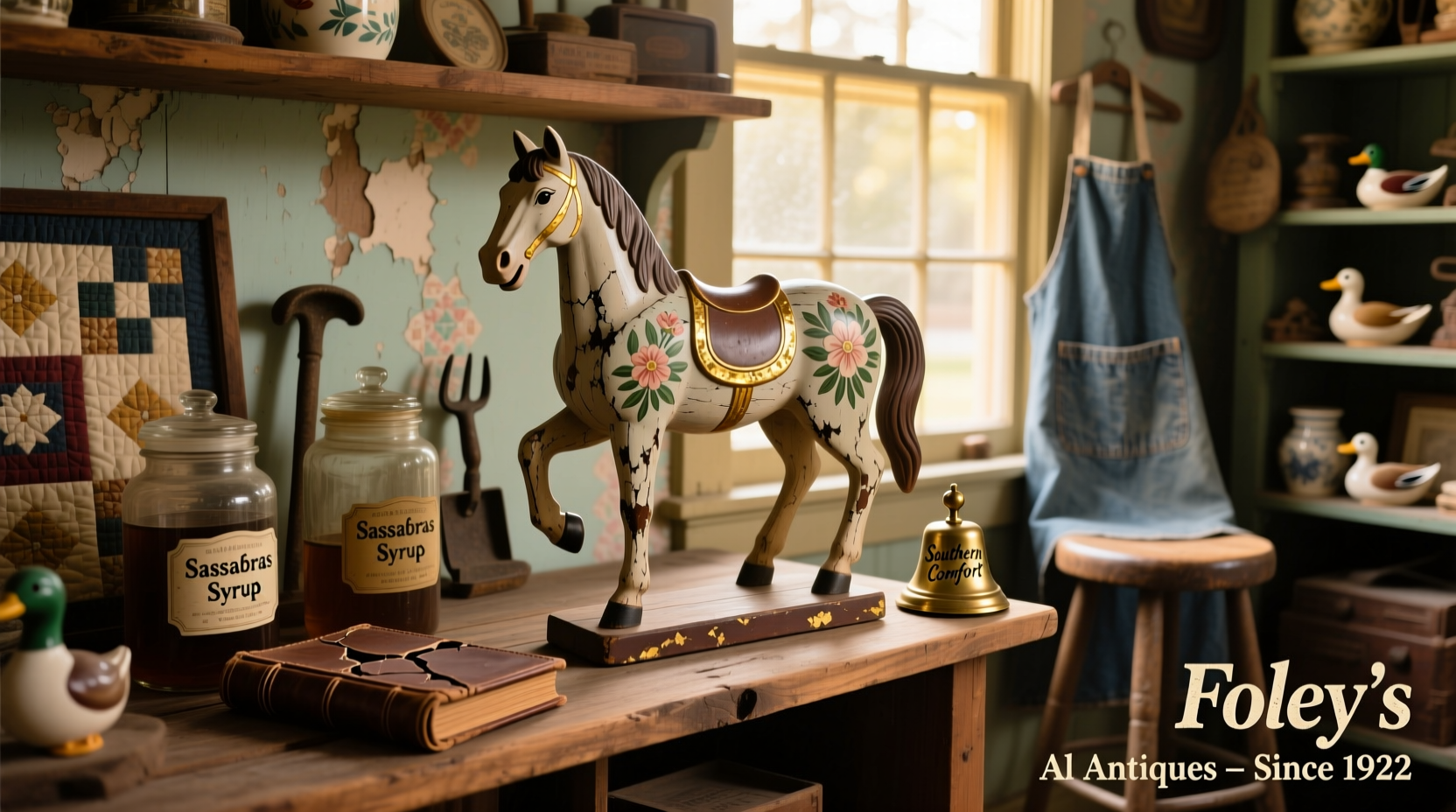
Foley & Al Antiques, affectionately known as The Gift Horse, began not as a commercial venture but as a labor of love. Founded in the 1970s by brothers James “Foley” McAllister and Albert “Al” McAllister in rural Mississippi, the shop started in a converted tobacco barn. What began as a weekend hobby—collecting and restoring pieces from abandoned farmhouses and estate sales—quickly evolved into a destination for interior designers, historians, and homeowners seeking genuine Southern character.
The name The Gift Horse was inspired by the old adage “don’t look a gift horse in the mouth,” reflecting the founders’ belief that every antique, no matter how weathered, holds inherent value. Over decades, the shop became renowned for sourcing rare Southern pine furniture, hand-turned rocking chairs, cast-iron cookware, and textiles like quilts stitched during the early 20th century.
“Antiques aren’t about perfection—they’re about presence. A scratch tells a story. A stain speaks of Sunday dinners. That’s what Southern comfort really means.” — James “Foley” McAllister, co-founder
Defining Southern Comfort in Antique Design
Southern comfort is more than a design aesthetic—it’s a lifestyle rooted in warmth, resilience, and generational continuity. In antiques, this translates into specific characteristics:
- Functionality with grace: Furniture was built to last and serve large families, often doubling as storage, seating, and heirlooms.
- Natural materials: Heart pine, cypress, and walnut were commonly used due to regional availability and durability.
- Handcrafted details: Turned legs, dovetail joints, and hand-carved motifs reflect artisanal care absent in mass production.
- Warm finishes: Unlike Northern colonial styles favoring dark stains, Southern pieces often feature lighter, honey-toned finishes that brighten humid interiors.
Curating Authenticity: How The Gift Horse Sources Its Collection
Unlike many antique dealers who rely on auctions or online bidding, The Gift Horse maintains a hands-on, community-driven acquisition model. Foley and Al personally travel across the Deep South—from Louisiana bayous to Appalachian foothills—building relationships with descendants of original owners.
Their process emphasizes ethical sourcing:
- Family Consultations: They meet with heirs to understand the object’s history before purchase.
- Minimal Restoration: Only structurally necessary repairs are made; finishes are preserved, not replaced.
- Documentation: Each piece comes with a provenance card detailing origin, era, and notable use.
This approach has earned them trust among preservation societies and even inclusion in museum loan programs. In 2018, a circa-1840 sugar chest from their inventory was featured in the Museum of Southern Folk Life exhibit on plantation kitchens.
Do’s and Don’ts of Owning Southern Antiques
| Do’s | Don’ts |
|---|---|
| Use coasters and felt pads to protect tabletops | Expose wood to direct sunlight for prolonged periods |
| Dust monthly with a soft, dry cloth | Apply silicone-based polishes that seal in moisture |
| Control humidity between 40–55% | Store antiques in damp basements or garages |
| Rotate usage of delicate items (e.g., vintage linens) | Attempt DIY refinishing without professional guidance |
A Collector’s Journey: From Doubt to Devotion
Lena Whitaker, a graphic designer from Atlanta, visited The Gift Horse on a whim during a road trip. Initially skeptical about spending $1,200 on a chipped 1880s washstand, she was moved by the story Al shared: the piece had belonged to a midwife who delivered over 200 babies in rural Alabama.
“I didn’t buy it for investment,” Lena recalls. “I bought it because I wanted my home to feel like it had history—even if it wasn’t mine.” She now integrates one antique into each room of her bungalow. Her favorite? The washstand, restored gently and repurposed as a bar cabinet.
Her experience reflects a growing trend: younger buyers seeking meaning over minimalism. As Lena puts it, “Modern furniture feels temporary. This feels like a promise to the future.”
Preserving Legacy: A Step-by-Step Guide to Caring for Southern Antiques
Proper maintenance ensures these treasures endure. Follow this five-step routine:
- Inspect Monthly: Look for loose joints, insect activity, or warping. Early detection prevents major damage.
- Clean Gently: Use a slightly damp microfiber cloth. For grime, mix mild soap with distilled water—never commercial cleaners.
- Condition Wood Annually: Apply a thin coat of beeswax or museum-grade paste wax to nourish and protect.
- Monitor Environment: Keep items away from HVAC vents and exterior walls. Use hygrometers in display rooms.
- Document Ownership: Record purchase details, restoration work, and photographs. This enhances future resale and emotional value.
“Every time someone inherits or purchases a Southern antique, they become a steward of memory. It’s not just decor—it’s duty.” — Dr. Eleanor Pratt, Cultural Historian, University of Mississippi
FAQ: Common Questions About Southern Antiques
How can I tell if a piece is genuinely Southern-made?
Look for regional hallmarks: heart pine construction, simple turned legs, hand-forged nails, and designs suited to warm climates (e.g., open-back chairs for airflow). Provenance documents or local maker’s stamps add certainty.
Are Southern antiques a good investment?
While not all appreciate financially, high-quality, documented pieces from iconic makers or historical periods have seen steady demand. More importantly, their sentimental and aesthetic value often outweighs monetary return.
Can I use antique furniture daily?
Yes—with caution. Dining tables, beds, and dressers from the late 1800s were built for heavy use. Just follow conservation guidelines: avoid overloading, use protective covers, and maintain stable indoor conditions.
Bringing Southern Comfort Into Modern Homes
The appeal of places like The Gift Horse lies in their ability to bridge eras. Today’s minimalist spaces gain depth when paired with a weathered hutch or a cast-iron planter. Designers increasingly recommend blending antiques with contemporary elements—a technique called “curated contrast.”
For instance, placing a 19th-century settee beneath a modern abstract painting creates visual tension that feels both balanced and personal. The key is intentionality: let the antique be a focal point, not clutter.
Tip: Start small. A single antique mirror, quilt, or side table can anchor a room’s personality without overwhelming it.Conclusion: Honor the Past, Enrich the Present
The legacy of The Gift Horse – Foley & Al Antiques is not measured in square footage or inventory count, but in the quiet moments it inspires: a grandmother showing her granddaughter how to polish a cedar chest, a newlywed couple choosing a dining table that’s survived two centuries, or a historian verifying the origins of a long-lost ledger desk.
Southern comfort, as embodied by such institutions, reminds us that true luxury isn’t found in the new or the flawless, but in the lived-in, the remembered, and the passed-down. These antiques do more than furnish homes—they carry forward a culture of care, connection, and continuity.
💬 Have a Southern antique with a story? Share your experience or visit a local shop like The Gift Horse to discover one. Let’s keep these traditions alive—one piece at a time.








