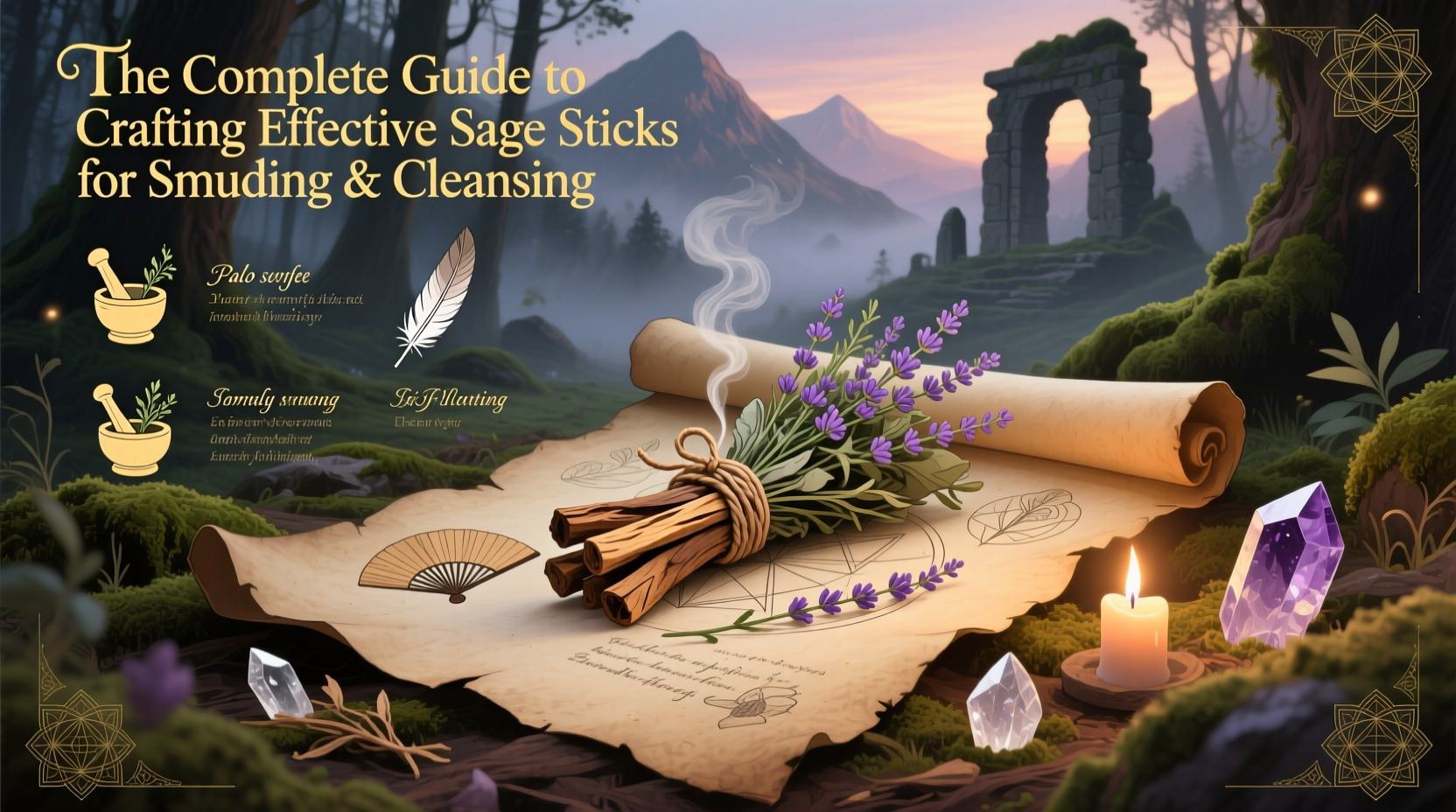
Smudging—a centuries-old practice rooted in Indigenous traditions—uses the smoke of sacred herbs to purify spaces, objects, and individuals. At the heart of this ritual is the sage stick, a carefully bundled bundle of dried sage that burns slowly and evenly, releasing aromatic smoke believed to carry away negative energy. While commercially available bundles are common, crafting your own offers deeper intention, sustainability, and connection to the process. This guide walks through every stage of creating effective sage sticks, from plant selection to ceremonial use.
Selecting the Right Sage and Complementary Herbs
Not all sage is created equal. The most widely used herb for smudging is white sage (Salvia apiana), native to the southwestern United States. Revered for its strong aroma and spiritual significance, it’s traditionally harvested by Indigenous communities with deep respect and ceremony. Due to overharvesting concerns, ethical sourcing is critical. When possible, grow your own or source sustainably cultivated sage.
Other herbs can be blended with sage to enhance the energetic properties of your smudge stick:
- Lavender – Calming and protective, ideal for anxiety relief and sleep rituals.
- Rosemary – Invigorating and mentally clarifying, often used for focus and purification.
- Mugwort – Associated with dreams and intuition, best used in small amounts due to potency.
- Cedar – Grounding and protective, commonly paired with sage in North American traditions.
- Yarrow – Promotes healing and courage; adds structural strength to bundles.
The Step-by-Step Process of Crafting Sage Sticks
Creating a high-quality smudge stick requires patience and attention to detail. Follow these steps to ensure durability, even burning, and maximum aromatic effect.
- Harvest or Source Fresh Herbs: Cut stems about 8–12 inches long using clean shears. Avoid bruising leaves. If wildcrafting, take no more than one-third of a plant and always ask permission from the land.
- Bunch the Stems: Gather 10–20 stems depending on desired thickness. Align cut ends together and fan out the tops to form a balanced bundle.
- Add Supporting Herbs: Insert complementary herbs into the center or around the edges based on intent. For example, place lavender near the top for a soothing scent when lit.
- Secure the Base: Wrap tightly with cotton string or hemp twine just above the stem ends. Knot securely and leave long tails for hanging during drying.
- Hang to Dry: Suspend the bundle upside down in a dark, well-ventilated area for 1–3 weeks until completely dry. Avoid direct sunlight to prevent fading and oil degradation.
- Trim and Finalize: Once dry, trim excess stems and string. You may add a second wrap mid-bundle if needed for stability.
“Making your own smudge stick transforms a simple object into a vessel of personal intention. The time invested becomes part of the ritual.” — Dr. Lena Torres, Ethnobotanist and Cultural Preservation Advocate
Drying Methods Compared: Best Practices for Longevity
Proper drying ensures your sage stick burns evenly without mold or mildew. Different environments yield different results.
| Method | Time Required | Pros | Cons |
|---|---|---|---|
| Air Drying (Ideal) | 10–21 days | Preserves essential oils, natural color, and fragrance | Requires consistent airflow; risk of mold in humid climates |
| Fan-Assisted Drying | 5–7 days | Speeds up process; reduces moisture buildup | May reduce aroma if airflow is too strong |
| Oven Drying (Low Heat) | 2–4 hours | Fast; controlled environment | Can scorch leaves; diminishes volatile oils |
| Dehydrator | 4–6 hours | Even heat; good for humid areas | Expensive; may alter herbal energetics |
Ethical Considerations and Sustainable Practices
The popularity of smudging has led to the commercial overharvesting of white sage, particularly from wild populations on sacred Native lands. To honor the tradition and protect ecosystems, consider these guidelines:
- Grow your own sage in a garden or pot, especially if you live outside its native habitat.
- Support Indigenous-owned businesses that harvest sustainably and share cultural knowledge respectfully.
- Avoid purchasing wild-harvested white sage unless verified as ethically sourced.
- Use alternatives like garden sage (Salvia officinalis), mugwort, or cedar when appropriate.
Respect begins with awareness. Smudging is not merely a wellness trend—it is a living spiritual practice with deep roots in Native American cultures. Engaging with it mindfully includes acknowledging its origins and avoiding cultural appropriation.
Real Example: A Home Healer’s Journey
Sophia, a holistic practitioner in Oregon, began making her own smudge sticks after noticing inconsistencies in store-bought bundles—some were loosely tied, others used synthetic dyes or mixed unknown herbs. She started with a small patch of white sage and lavender in her backyard. Over two growing seasons, she learned how harvesting time affected burn quality and how blending yarrow improved structural integrity. Now, she crafts custom bundles for clients, each labeled with the harvest date and intention. “There’s a quiet power in tying each bundle myself,” she says. “It’s not just preparation—it’s prayer.”
Using and Maintaining Your Sage Sticks
Once crafted, proper storage and use extend the life and efficacy of your smudge stick.
Store in a cool, dark place wrapped in breathable fabric or paper. Avoid plastic, which traps moisture. Keep away from direct light to preserve potency. A cedar box or muslin bag works well.
When ready to smudge:
- Set an intention silently or aloud.
- Light the tip of the bundle with a match or wooden lighter.
- Allow it to flame for 10–15 seconds, then gently blow out the flame so it smolders and produces smoke.
- Use a feather or hand to direct smoke into corners, doorways, and around people.
- Extinguish by pressing the glowing end firmly into sand, salt, or a ceramic dish.
“Never leave a burning smudge stick unattended. Safety and reverence go hand in hand.” — Fire Medicine Collective, Traditional Wellness Group
FAQ
How long does a handmade sage stick last?
A typical 6-inch bundle lasts 3–5 uses, depending on burn duration and thickness. Properly stored, dried bundles remain potent for up to two years.
Can I reuse a smudge stick after extinguishing it?
Yes. As long as the stick is fully extinguished and not reduced to ash, it can be relit. Ensure the end is still intact and capable of smoldering.
Is it safe to smudge around pets and children?
Use caution. Some animals and infants have sensitive respiratory systems. Ensure good ventilation and avoid direct smoke exposure. Consider alternative cleansing methods like sound or visualization if needed.
Checklist: Crafting Your Own Sage Stick
- ☐ Source ethically grown or wildcrafted sage and herbs
- ☐ Harvest in the morning with clear intention
- ☐ Bundle 10–20 stems with aligned cut ends
- ☐ Add complementary herbs based on purpose
- ☐ Wrap tightly with natural fiber string
- ☐ Hang upside down in a dark, airy space for 1–3 weeks
- ☐ Test for dryness before storage or use
- ☐ Store in a breathable container away from light and moisture
Conclusion
Crafting your own sage sticks is more than a DIY project—it’s an act of mindfulness, respect, and personal empowerment. From selecting each herb to binding them with care, the process deepens your connection to the ritual of smudging. When done thoughtfully, your handmade bundle becomes more than a tool; it becomes a reflection of your intention, care, and commitment to honoring ancient practices with modern responsibility.
💬 Ready to craft your first bundle? Start with a small batch, set your intention, and share your experience in the comments below. Let’s grow a community rooted in respect, sustainability, and healing.








