
A swollen jaw can be alarming, whether it develops suddenly or worsens over time. While some causes are minor and resolve on their own, others may signal serious underlying conditions requiring prompt medical attention. Understanding the range of possible causes—from dental infections to salivary gland issues—can help you determine when home care is sufficient and when to seek professional evaluation.
Common Causes of a Swollen Jaw
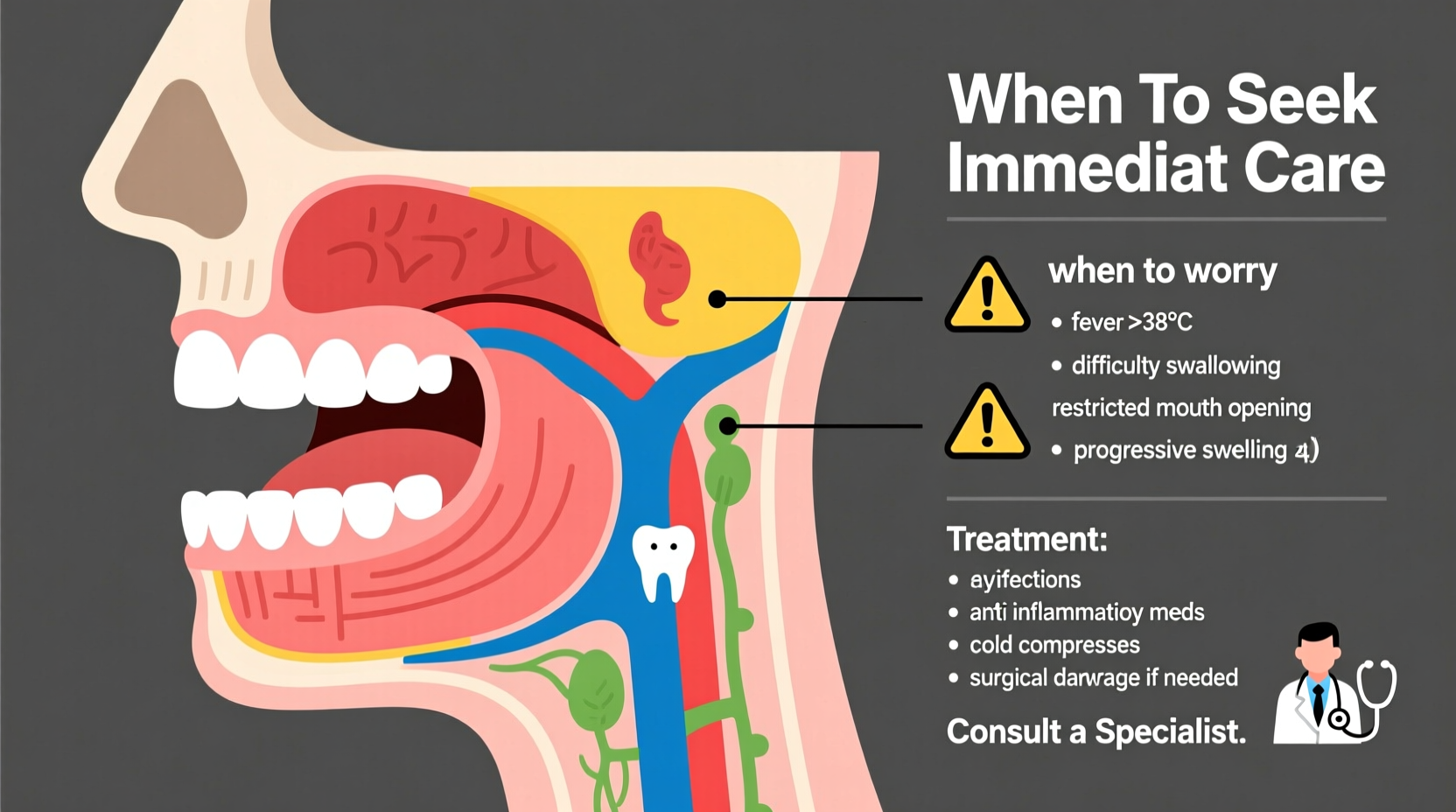
The jaw is a complex structure involving bones, muscles, nerves, teeth, and glands. Swelling in this area often stems from localized inflammation or infection. The most frequent triggers include:
- Dental abscesses: A pocket of pus caused by bacterial infection in or around a tooth root. This often leads to throbbing pain, facial swelling, and sensitivity to pressure.
- Impacted wisdom teeth: When third molars fail to emerge properly, they can cause inflammation, pain, and swelling in the jaw and gums.
- Salivary gland blockage or infection (sialadenitis): Stones or bacteria can obstruct salivary ducts, leading to swelling under the jaw or near the ears, especially during meals.
- Parotitis: Inflammation of the parotid gland, commonly due to viral infections like mumps, though less common now due to vaccination.
- Temporomandibular joint (TMJ) disorders: While primarily causing pain and clicking, TMJ dysfunction can sometimes lead to perceived swelling due to muscle tension.
- Oral trauma: Injury to the jawbone or soft tissues from falls, sports, or accidents can result in immediate or delayed swelling.
- Cellulitis: A bacterial skin infection that spreads into deeper tissues, potentially affecting the jaw area with redness, warmth, and swelling.
- Cysts or tumors: Benign or malignant growths in the jawbone or soft tissue may present as slow-growing swellings.
When to Worry: Red Flags That Demand Medical Attention
Not all jaw swelling requires emergency care, but certain symptoms indicate a potentially serious condition. Seek immediate medical or dental evaluation if you experience:
- Fever above 101°F (38.3°C) accompanying the swelling
- Difficulty breathing, swallowing, or opening your mouth fully
- Rapidly worsening swelling within hours
- Numbness or tingling in the face or jaw
- Neck stiffness or swollen lymph nodes
- Pus drainage from the gums or skin near the jaw
- Symptoms persisting beyond 2–3 days without improvement
“Facial swelling associated with fever and difficulty swallowing should never be ignored—it could indicate a spreading infection that risks airway compromise.” — Dr. Lena Torres, Oral and Maxillofacial Surgeon
Diagnosis and Evaluation Process
Accurate diagnosis begins with a thorough clinical assessment. Your healthcare provider will likely perform the following steps:
- Medical history review: Questions about onset, pain, recent dental work, trauma, or illness.
- Physical examination: Palpation of the jaw, neck, and lymph nodes; inspection of the mouth and throat.
- Dental X-rays or panoramic imaging: To detect abscesses, impacted teeth, or bone abnormalities.
- CT scan or MRI: For deeper evaluation of soft tissue infections or suspected tumors.
- Ultrasound: Often used to assess salivary glands and rule out stones or abscesses.
- Lab tests: Blood work to check for signs of infection (elevated white blood cell count).
In cases where an abscess is suspected, aspiration or drainage may be performed both for diagnosis and relief.
Treatment Options Based on Cause
Effective treatment depends entirely on identifying the root cause. Below is a breakdown of common interventions:
| Condition | Treatment Approach | Typical Duration |
|---|---|---|
| Dental Abscess | Antibiotics (e.g., amoxicillin), root canal or extraction, drainage | 7–10 days with antibiotics; healing continues for weeks |
| Impacted Wisdom Tooth | Pain management, antibiotics if infected, surgical removal | Recovery in 5–7 days post-extraction |
| Salivary Gland Stone | Hydration, warm compresses, massage, possible sialendoscopy or surgery | Days to weeks depending on stone size |
| Parotitis (viral) | Supportive care: rest, fluids, pain relievers | 7–10 days |
| Cellulitis | Oral or IV antibiotics, hospitalization if severe | 5–14 days of antibiotic therapy |
| Jaw Tumor or Cyst | Surgical excision, biopsy, possible reconstructive procedures | Varies widely; follow-up required for months |
Home Care and Supportive Measures
While professional treatment addresses the underlying issue, supportive measures can ease discomfort:
- Rinse with warm salt water (½ tsp salt in 8 oz water) several times daily
- Apply cold compresses for the first 24–48 hours to reduce swelling
- Switch to soft foods to minimize jaw strain
- Use over-the-counter pain relievers like ibuprofen or acetaminophen
- Stay hydrated to support salivary flow and immune function
Mini Case Study: Delayed Care Leads to Complication
Sarah, a 28-year-old teacher, noticed mild swelling near her lower right jaw after a weekend of jaw pain. She assumed it was stress-related clenching and tried OTC painkillers. Over five days, the swelling increased, she developed a fever, and began having trouble swallowing. She visited an urgent care clinic, where a CT scan revealed a large dental abscess spreading into surrounding tissues. She was hospitalized for IV antibiotics and underwent emergency drainage. Her recovery took three weeks.
This case illustrates how seemingly minor symptoms can escalate quickly. Early dental consultation could have prevented complications.
Prevention Checklist
Reduce your risk of jaw swelling with these proactive steps:
- ✅ Schedule regular dental checkups every 6 months
- ✅ Maintain good oral hygiene: brush twice daily, floss daily
- ✅ Address tooth pain promptly—don’t wait for swelling
- ✅ Stay hydrated to prevent salivary stones
- ✅ Wear protective mouthguards during contact sports
- ✅ Quit smoking, which increases risk of gum disease and poor healing
Frequently Asked Questions
Can a tooth infection cause jaw swelling on the opposite side?
Typically, swelling occurs on the same side as the infected tooth. However, severe infections can spread across tissue planes and cause bilateral swelling. Lymph node activation may also create the impression of opposite-side involvement.
How long does jaw swelling last after wisdom tooth removal?
Peak swelling usually occurs 48–72 hours after surgery and gradually subsides over 5–7 days. Applying ice early and keeping the head elevated helps minimize it.
Is jaw swelling ever a sign of cancer?
Yes, though rare. Persistent, painless lumps in the jaw—especially if growing over weeks—should be evaluated. Imaging and biopsy are essential for diagnosis. Early detection significantly improves outcomes.
Conclusion: Take Action Before It Gets Worse
A swollen jaw is more than just a cosmetic concern—it’s a signal from your body that something needs attention. Whether it's a simple case of gum irritation or a deeper infection, timely action prevents complications. Don’t downplay persistent swelling, especially when paired with pain, fever, or functional limitations. See a dentist or doctor promptly to get the correct diagnosis and treatment plan.
💬 Your health matters. If you’ve experienced jaw swelling, consider sharing your story in the comments—your insight might help someone recognize warning signs earlier.








