Dog fashion has exploded in popularity. From tiny bandanas to full-length puffer jackets, pet owners are dressing up their pups more than ever—especially across seasons. But behind the Instagram-worthy photos and viral TikTok clips, a real question emerges: do dogs actually need different clothing for summer and autumn, or is this trend purely aesthetic?
The truth lies somewhere in between. While some dogs genuinely benefit from seasonal attire, others wear clothes simply because their humans find them adorable. Understanding the difference isn’t just about animal welfare—it’s about making informed, compassionate choices.
Understanding Canine Temperature Regulation
Dogs regulate body temperature differently than humans. They primarily cool down through panting and heat release via their paw pads and ears. Unlike people, they don’t sweat over most of their skin surface. This biological reality means that external factors like humidity, wind, and ambient temperature play a significant role in how comfortable a dog feels.
Coat type is also crucial. Breeds like Siberian Huskies and Newfoundlands have thick double coats designed for cold climates. In contrast, Greyhounds, Chihuahuas, and other short-haired breeds struggle to retain body heat even in mild weather. These physiological differences determine whether clothing provides real protection—or unnecessary discomfort.
“Dressing a dog isn't inherently wrong, but it must be based on need, not trend. Overheating or restricted movement from ill-fitting garments can cause stress.” — Dr. Lena Patel, DVM, Small Animal Behavior Specialist
Summer Dog Clothes: Function vs Fashion
During warmer months, many pet owners turn to lightweight clothing such as mesh vests, sun shirts, or cooling bandanas. The purpose here isn’t warmth—it’s protection.
- Sun Protection: Light-colored or thin-coated dogs (like Dalmatians or Chinese Cresteds) are prone to sunburn and even skin cancer. UPF-rated dog shirts can block harmful UV rays during long walks or beach trips.
- Insect Defense: Some summer apparel includes permethrin-treated fabrics that repel ticks and mosquitoes—critical in areas with high disease risk like Lyme or heartworm.
- Post-Surgical Care: Recovery suits prevent licking and protect incisions without overheating the dog.
However, not all summer clothing is functional. Crop tops, denim shorts, and sequined accessories offer no health benefit and may trap heat, especially in humid conditions. For brachycephalic breeds like Pugs or French Bulldogs—who already struggle with thermoregulation—such outfits can be dangerous.
Tip: If you dress your dog in summer, choose breathable, moisture-wicking fabrics and avoid dark colors that absorb heat.Autumn Dog Clothes: When Warmth Matters
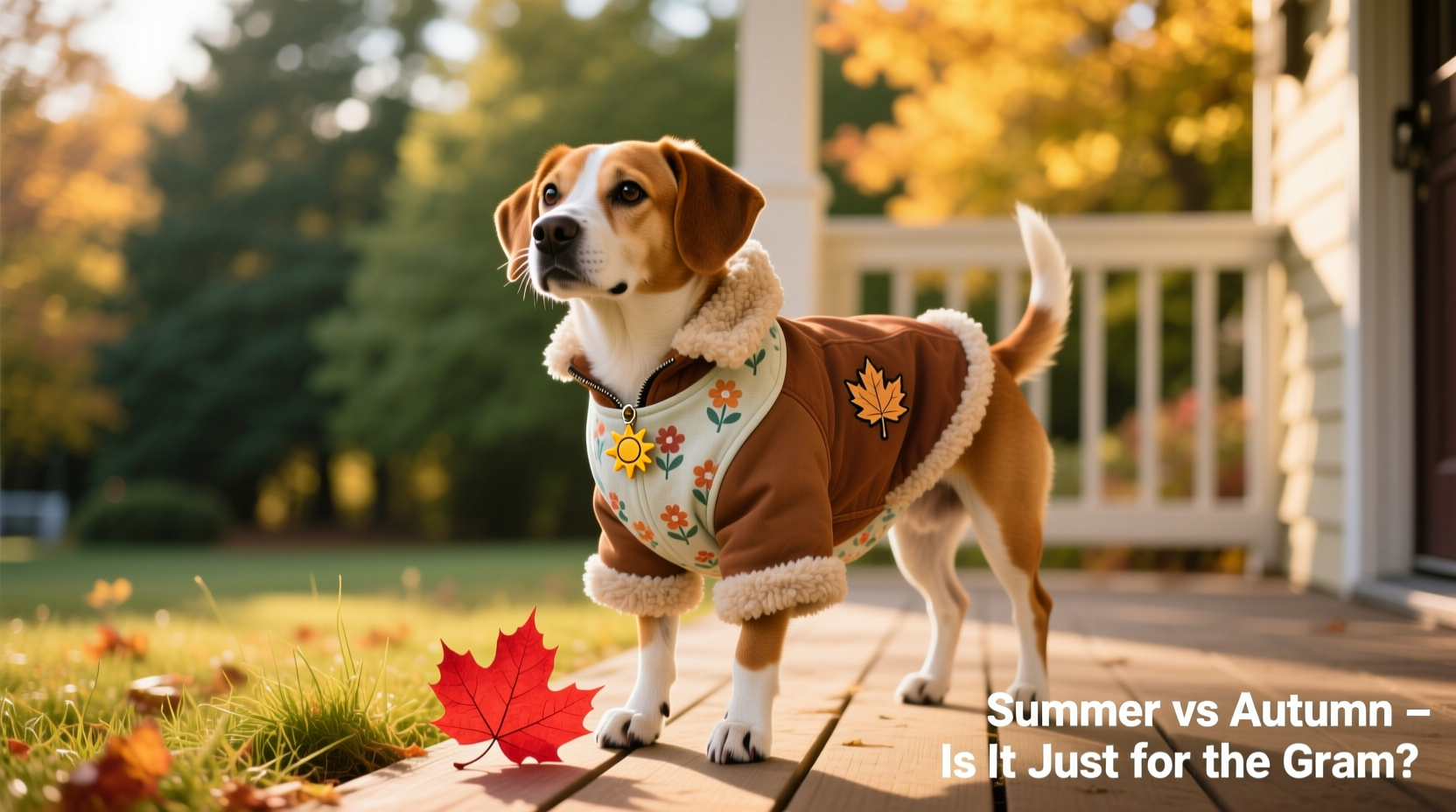
As temperatures drop, so does a dog’s ability to stay warm—especially for older dogs, puppies, or those with medical conditions like hypothyroidism or arthritis. Autumn brings fluctuating weather: crisp mornings, damp evenings, and sudden cold snaps. This is where well-designed dog clothing becomes more than cosmetic.
Key benefits of autumn-specific gear include:
- Insulation: Fleece-lined sweaters or softshell jackets help small or thin-coated breeds maintain core temperature.
- Mobility Support: Older dogs with joint pain often move better when kept warm. A thermal vest supports muscle relaxation and reduces stiffness.
- Dampness Protection: Raincoats shield against wet fur, which can lead to chills, skin irritation, or fungal growth if left unattended.
Yet, even in autumn, fashion often overshadows function. Bulky knit sweaters, while cute, may restrict movement or cause overheating indoors. Dogs should never wear outdoor clothing inside the house unless medically necessary.
Choosing the Right Fit: A Step-by-Step Guide
Poorly fitted clothes are worse than none at all. Follow these steps to ensure comfort and safety:
- Measure Accurately: Use a soft tape measure around the neck, chest (widest point), and length from base of neck to tail.
- Check Mobility: Once dressed, observe your dog walking, sitting, and turning. There should be no pulling under the arms or tightness around the neck.
- Monitor Behavior: Signs of distress include excessive scratching, trying to remove the garment, or reluctance to move.
- Limit Wear Time: Only use clothing during exposure to extreme conditions. Remove once indoors or after activity.
- Wash Regularly: Buildup of dirt, sweat, or allergens can irritate the skin. Use pet-safe detergent.
Do You Need Both Summer and Autumn Wardrobes?
Not necessarily. The decision should be driven by your dog’s breed, age, health, and environment—not seasonal trends.
| Breed Type | Summer Clothing Needed? | Autumn Clothing Needed? | Notes |
|---|---|---|---|
| Chihuahua / Toy Breed | No (risk of overheating) | Yes | Needs light sun protection only in peak UV; requires sweater below 60°F (15°C) |
| Golden Retriever | Rarely | Sometimes | Natural coat suffices unless elderly or sick; raincoat useful in wet autumns |
| Greyhound | No | Yes | Vulnerable to cold; benefits from insulated jacket when outdoors in fall |
| Pug / Bulldog | Avoid clothing | Caution advised | Heat intolerance makes summer clothes risky; autumn layers should be ultra-lightweight |
| Alaskan Malamute | No | No | Built for cold; likely to overheat if dressed in any season |
Mini Case Study: Bella the Senior Shih Tzu
Bella, a 12-year-old Shih Tzu living in Portland, Oregon, began shivering during her morning walks as soon as September arrived. Her owner initially dismissed it as aging, but after consulting a vet, learned that Bella’s circulation had weakened with age. She started using a lightweight, water-resistant jacket during foggy autumn mornings. Within days, Bella walked farther and showed less stiffness. In summer, she wears a UPF 50+ sun shirt during midday strolls to protect her pale skin. For Bella, seasonal clothing isn’t a trend—it’s part of her wellness routine.
Frequently Asked Questions
Can dogs overheat in clothes during summer?
Absolutely. Dogs cannot sweat effectively, so synthetic or non-breathable fabrics increase the risk of heat exhaustion. Never leave a dog in clothing during hot weather unless it’s specifically designed for cooling or sun protection—and always supervise.
How do I know if my dog needs a sweater in autumn?
Watch for signs: shivering, tucking paws under the body, reluctance to go outside, or lifting feet quickly on cold pavement. Small, short-haired, young, or senior dogs are most at risk when temperatures drop below 60°F (15°C).
Are dog clothes cruel if they’re just for looks?
They aren’t inherently cruel, but intent matters. If clothing causes stress, restricts movement, or is worn too long, it crosses into neglect. Occasional, brief photo sessions with well-fitted, comfortable items are generally fine—but prioritize your dog’s comfort over aesthetics.
Tip: Always let your dog acclimate to clothing slowly. Offer treats and praise to create positive associations.Action Checklist: Assessing Your Dog’s Seasonal Clothing Needs
- ✅ Identify your dog’s breed-specific temperature tolerance
- ✅ Consult your vet if your dog is senior, ill, or recovering from surgery
- ✅ Measure your dog accurately before purchasing any garment
- ✅ Choose season-appropriate materials: breathable mesh (summer), fleece or softshell (autumn)
- ✅ Monitor behavior when clothed—remove immediately if distressed
- ✅ Wash clothes regularly to prevent skin irritation
- ✅ Rotate usage: only dress when outdoors in extreme conditions
Conclusion: Style Should Serve Comfort, Not Replace It
Dressing your dog doesn’t have to be vain—but it shouldn’t come at the cost of their well-being. Whether it's a UPF shirt shielding your pup from summer sun or a snug jacket helping an arthritic senior enjoy an autumn walk, clothing serves a purpose when rooted in care, not clicks.
Before adding another trendy piece to your dog’s closet, ask: does this improve their quality of life? If the answer is yes, then style and substance can coexist. If not, perhaps the best accessory is simply a happy, healthy, and comfortably naked dog.
💬 What’s your take—functional fashion or frivolous frills? Share your experience with seasonal dog clothes and help others make thoughtful choices!








