
Small dog breeds like Chihuahuas, Pomeranians, and Yorkshire Terriers may be full of personality, but they often lack natural insulation against cold weather. Their compact size and thin coats make them especially vulnerable to dropping temperatures. As a responsible pet owner, ensuring your small dog stays both warm and comfortable during winter is essential. But warmth doesn’t have to come at the expense of style. With the right knowledge, you can find a winter outfit that keeps your pup cozy while turning heads on neighborhood walks.
Understanding Your Small Dog’s Cold Weather Needs
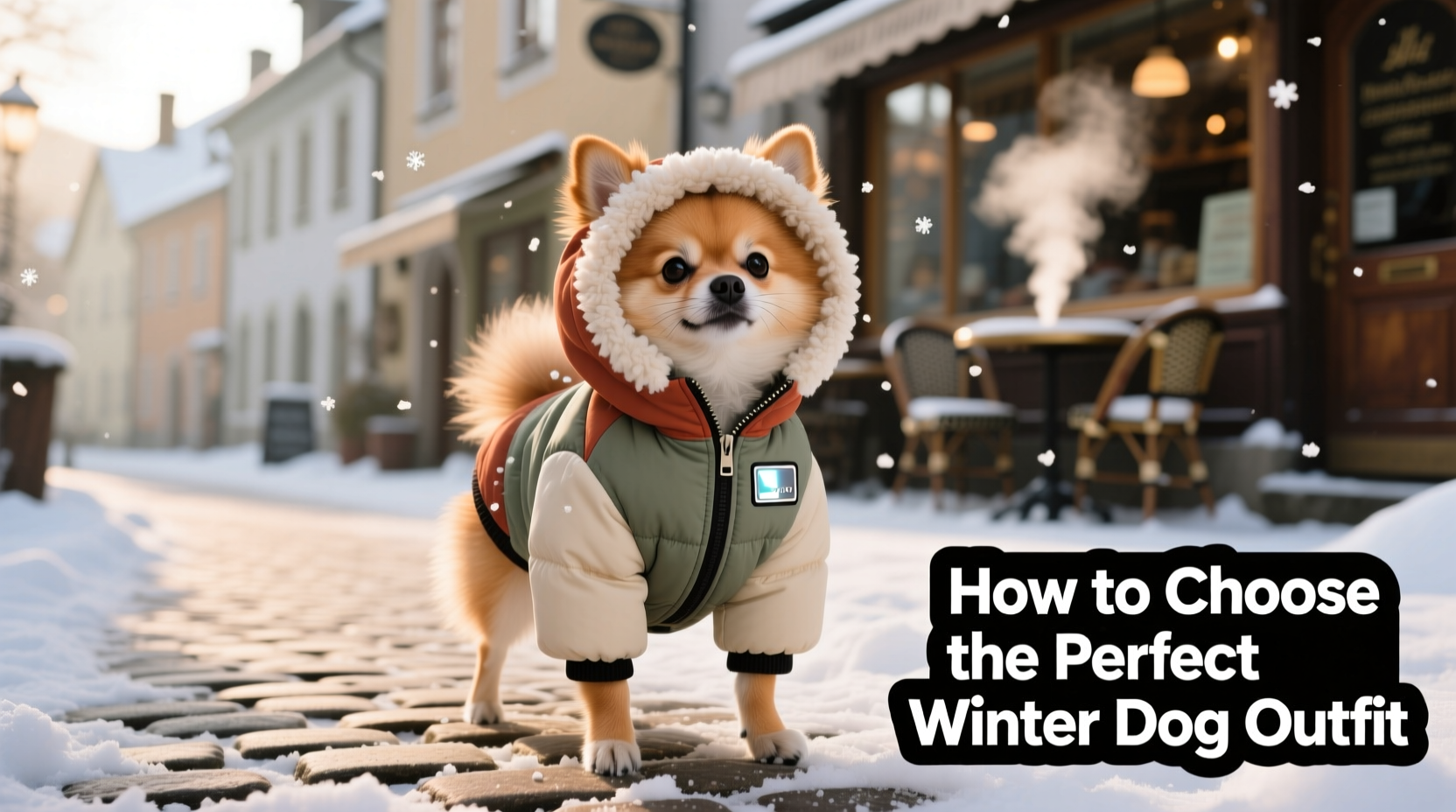
Not all dogs feel the cold the same way. Larger breeds with thick double coats—like Huskies or Malamutes—can withstand freezing temperatures far better than their smaller counterparts. Small breeds, particularly those with short hair and low body fat, lose heat quickly. When temperatures dip below 45°F (7°C), many small dogs begin to feel discomfort. Signs include shivering, reluctance to go outside, lifting paws, or tucking their tail.
Dogs don’t sweat through their skin like humans; they primarily regulate temperature through panting and their paw pads. This makes them less efficient at retaining heat in cold climates. For toy and miniature breeds, a well-designed winter outfit isn't just fashionable—it's functional protection.
“Small breed dogs are more prone to hypothermia in cold weather due to their high surface-area-to-body-mass ratio.” — Dr. Lena Torres, DVM, Canine Health Specialist
Key Features of an Ideal Winter Dog Outfit
When shopping for a winter garment for your dog, focus on three core elements: warmth, fit, and mobility. A stylish coat means little if it restricts movement or slips off after two minutes. Here’s what to look for:
- Insulating materials: Fleece, wool blends, and thermal synthetics trap body heat without adding bulk.
- Water resistance: A light outer shell helps repel snow and rain, keeping the inner layer dry.
- Coverage: Look for designs that cover the back, chest, and belly—areas most exposed to wind and cold surfaces.
- Secure fit: Adjustable straps or Velcro closures ensure the coat stays in place during activity.
- Neck and leg openings: Should be snug enough to block drafts but not so tight as to cause chafing.
Step-by-Step Guide to Measuring and Sizing
Pet clothing sizes vary widely between brands, making accurate measurements critical. Follow this simple process to get the right fit:
- Measure the back length: From the base of the neck (where the collar sits) to the base of the tail. This is the most important measurement.
- Check the chest girth: Wrap a soft tape measure around the widest part of the chest, just behind the front legs. Ensure there’s room for expansion when breathing.
- Measure the neck: Especially important for high-collar designs.
- Compare to brand charts: Never assume your dog fits a “small” or “medium.” Use exact numbers.
- Allow for layering: If your dog wears a harness underneath, add half an inch to chest and neck measurements.
A poorly fitting coat can lead to restricted movement, rubbing, or even accidents if it slips over the head. When trying a new outfit, observe your dog for at least 10 minutes. Watch for signs of discomfort, such as excessive scratching, hunching, or reluctance to walk.
Stylish Yet Functional Design Options
Today’s dog fashion blends practicality with aesthetics. You don’t need to sacrifice one for the other. Consider these popular styles based on climate and lifestyle:
| Style | Best For | Pros | Cons |
|---|---|---|---|
| Fleece Pullover | Mild winter days, indoor wear | Soft, breathable, easy to put on | Limited water resistance |
| Waterproof Parka | Snowy or rainy conditions | Full coverage, weather-resistant | Can be bulky; may require adjustment |
| Hooded Sweater | Urban walks, moderate cold | Stylish, warm neck coverage | Hood may bother some dogs |
| Vest with Harness Access | Daily walks with leash use | Allows leash attachment without removing coat | Less back coverage |
Colors and patterns also matter—not just for style, but for safety. Bright hues like red, orange, or neon green improve visibility during early morning or evening walks. Reflective strips are a smart addition for low-light conditions.
Real-Life Example: Keeping Luna Warm in Chicago Winters
Luna, a 5-pound Maltipoo living in Chicago, used to dread winter walks. Her owner, Sarah, noticed her shivering within minutes, even with a lightweight sweater. After consulting her vet, Sarah invested in a thermal-lined, waterproof parka with adjustable belly straps. The coat covered from neck to tail and featured a high collar and reflective piping.
Within days, Luna’s behavior changed. She no longer rushed to get back inside and even paused to sniff snowbanks. Sarah also appreciated that the coat had a hole for leash attachment, eliminating the need to remove it at crosswalks. “It’s like she finally has her confidence back in winter,” Sarah said. “And she gets compliments every time we go out.”
Common Mistakes to Avoid
Even well-intentioned owners make errors when selecting winter gear. Steer clear of these pitfalls:
- Choosing style over function: A glittery jacket might look cute, but if it’s not insulated, it won’t protect your dog.
- Ignoring mobility: Coats should never restrict leg movement or sit too tightly under the arms.
- Overdressing: In heated homes, a heavy coat can cause overheating. Remove it indoors.
- Skipping the trial run: Always test new outfits in a safe environment before braving the elements.
Frequently Asked Questions
Do all small dogs need winter coats?
Not every small dog requires a coat, but most benefit from one when temperatures fall below 45°F (7°C), especially if they have short hair, are elderly, or have health issues. Observe your dog’s behavior—if they shiver or seem reluctant to go outside, a coat is likely needed.
Can I leave the coat on my dog all day?
No. Dog coats are meant for outdoor use only. Leaving them on indoors can lead to overheating, matting, or skin irritation. Always remove the coat when your dog comes inside and allow their skin to breathe.
How do I clean a dog winter coat?
Check the manufacturer’s instructions. Most fleece and synthetic coats can be machine washed on a gentle cycle with mild detergent. Air dry to preserve elasticity and shape. Avoid fabric softeners, which can degrade water-resistant coatings.
Final Checklist Before Buying
- ✅ Measured back length and chest girth accurately
- ✅ Selected appropriate insulation level for local climate
- ✅ Confirmed compatibility with harness or collar
- ✅ Checked for secure fastenings and ease of use
- ✅ Ensured freedom of movement and no chafing points
- ✅ Verified washing instructions and durability
- ✅ Chose a visible color or added reflectivity for safety
Stay Warm, Stay Stylish—Your Dog Deserves Both
Choosing the perfect winter outfit for your small breed dog is about balancing comfort, safety, and personal flair. With the right fit and fabric, your pet can enjoy the crisp air of winter without risking their health. Modern dog apparel offers endless options that combine warmth with undeniable charm. By measuring carefully, prioritizing function, and observing your dog’s response, you’ll find a coat that feels like a second skin—and turns every walk into a statement.
💬 Have a favorite winter dog brand or styling tip? Share your experience in the comments and help fellow pet lovers keep their small pups cozy and chic all season long!








