Bringing a new plush toy into your dog’s life can be a joyful experience—for both of you. A well-chosen toy provides mental stimulation, comfort, and an outlet for natural behaviors like chewing and shaking. However, not all dogs react the same way to soft toys. Some may treat them as cherished companions; others might see them as prey to dismantle in minutes. The key to success lies in thoughtful introduction, careful observation, and gradual acclimation. Done right, this process strengthens trust and enriches your dog’s daily routine.
Understanding Your Dog’s Play Style
Dogs interact with toys based on instinct, breed tendencies, and individual personality. Before selecting a plush toy, assess how your dog typically plays:
- Shakers and Tossers: Often terriers or herding breeds who mimic hunting behavior.
- Chewers: Dogs that use their mouths heavily, possibly prone to destroying soft materials.
- Cuddle Companions: Gentle dogs who carry toys around like puppies with blankets.
- Ignore-it-Alls: Less toy-motivated dogs who need extra encouragement.
Matching the toy to the play style increases the chance of acceptance and reduces the risk of destructive behavior or choking hazards from ingested stuffing.
Tip: Observe your dog’s interaction with existing toys. Do they rip seams? Carry quietly? Chew aggressively? Use this insight when choosing a plush toy.Selecting the Right Plush Toy
Not all plush toys are created equal. Many mass-market options contain small plastic eyes, squeakers without protective casings, or low-grade polyester fill that becomes a hazard if torn out. Prioritize safety and durability.
| Feature | Recommended | Avoid |
|---|---|---|
| Eyes/Nose | Embroidered details | Plastic or rubber attachments |
| Filling | Non-toxic, hypoallergenic fiberfill | Beans, pellets, or loose stuffing |
| Construction | Double-stitched seams, reinforced joints | Thin fabric, single stitching |
| Squeaker | Encased in protective fabric pocket | Bare plastic squeaker |
Toys labeled “tough” or “indestructible” often still fall apart under persistent chewing. Look for brands known for quality construction—such as West Paw, Kong, or Petstages—and consider starting with smaller, simpler designs before upgrading to larger or noisier ones.
“Introducing toys gradually allows dogs to form positive associations without feeling overwhelmed. It also gives owners time to monitor reactions.” — Dr. Lena Ruiz, Veterinary Behaviorist
Step-by-Step Introduction Process
Rushing the introduction can lead to fear, overstimulation, or immediate destruction. Follow this six-stage timeline to ensure a smooth transition:
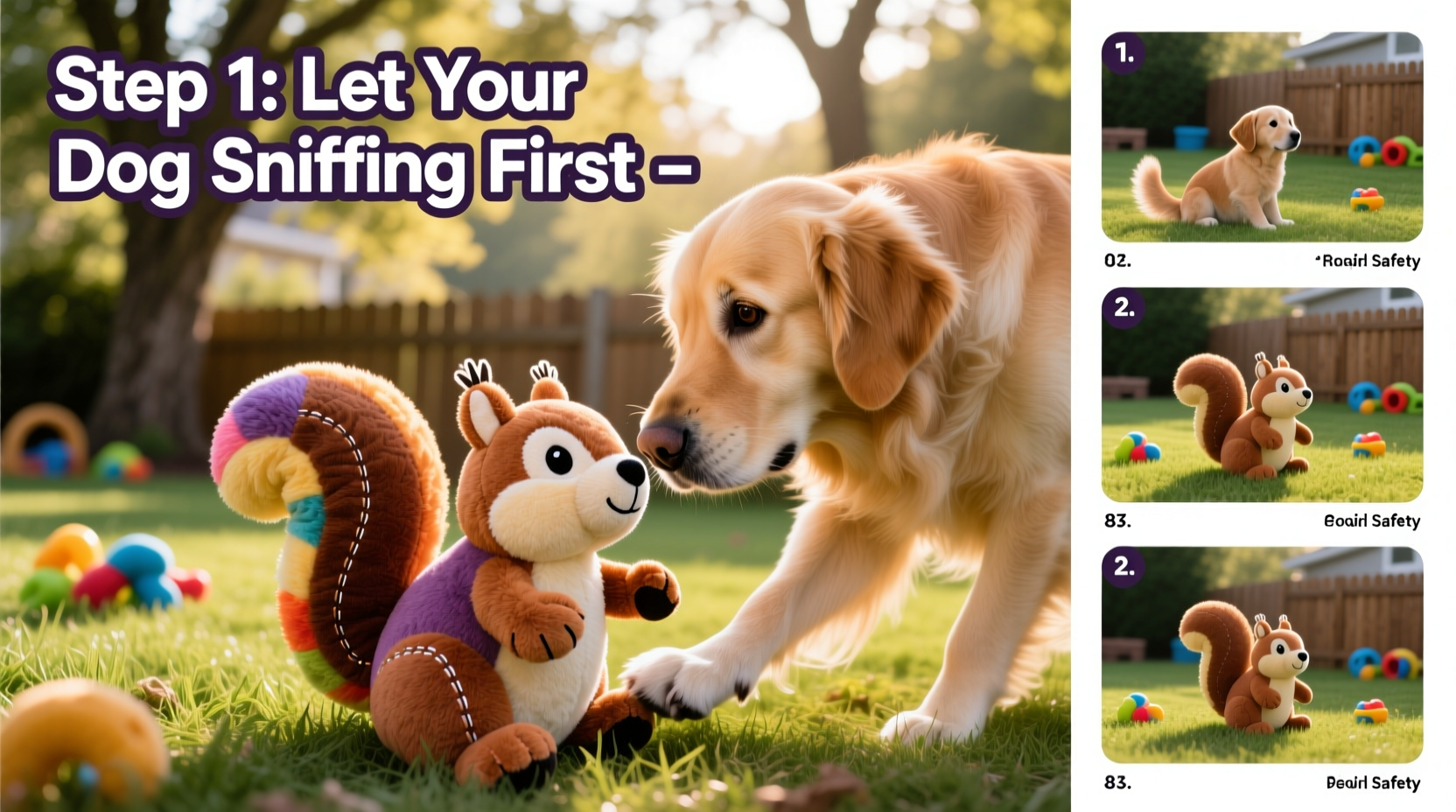
- Stage 1: Scent Familiarization (Day 1)
Place the clean plush toy near your dog’s bed or feeding area. Let them investigate it on their own. Do not force interaction. The goal is neutral or curious exposure. - Stage 2: Controlled Observation (Day 2)
Supervise your dog while they approach the toy. If they sniff or paw gently, reward with praise or a treat. If they lunge or growl, remove the toy and try again later. - Stage 3: Interactive Engagement (Day 3–4)
Use the toy during playtime. Gently wiggle it to simulate movement, encouraging chase or grab. For shy dogs, roll it slowly toward them. Stop if signs of stress appear (ears back, tail tucked). - Stage 4: Short Solo Sessions (Day 5–6)
Allow your dog brief independent access—no more than 5–10 minutes—with full supervision. Watch for destructive tendencies. Remove immediately if stuffing is exposed. - Stage 5: Extended Access & Routine Integration (Day 7+)
If no issues arise, incorporate the toy into daily downtime. Rotate it with other toys to maintain novelty and prevent obsession. - Stage 6: Ongoing Monitoring
Inspect the toy weekly for wear. Replace it at the first sign of fraying, missing parts, or compromised structure.
Common Challenges and Realistic Solutions
Even with careful planning, some dogs react unexpectedly. Consider this real-life example:
💡 Mini Case Study: Bella, a 2-year-old Border Collie, shredded her first plush toy within minutes. Her owner assumed she just liked destruction. After switching to a toy with embroidered features and introducing it using the step-by-step method, Bella began carrying it gently and even slept with it. The difference wasn’t the breed—it was the pace and preparation.Other common issues include:
- Fear of squeakers: Some dogs are startled by noise. Mute the squeaker initially by cutting it out or choosing a silent plush.
- Over-arousal: Fast movements may trigger predatory drive. Keep motions slow and predictable at first.
- Lack of interest: Pair the toy with treats. Hide a small snack inside the seams (if safe) or rub it with peanut butter (xylitol-free).
Essential Checklist Before Finalizing the Introduction
Before leaving your dog unattended with a plush toy, confirm the following:
- ✅ The toy has no removable small parts (eyes, noses, buttons).
- ✅ Seams are double-stitched and show no signs of weakness.
- ✅ Your dog has demonstrated gentle interaction during supervised sessions.
- ✅ You’ve observed at least three consecutive calm interactions.
- ✅ The toy is free of toxic dyes or chemical odors.
- ✅ You have a plan for rotation and inspection every few days.
Frequently Asked Questions
Can I give a plush toy to a puppy?
Yes, but choose age-appropriate options. Puppies explore with their mouths, so select durable, washable toys with no small parts. Supervise closely and replace frequently as teeth develop.
What if my dog eats part of the toy?
If ingestion occurs, contact your veterinarian immediately. Even small pieces of synthetic fiber can cause intestinal blockages. Never allow unsupervised access until you’re certain the toy remains intact during play.
How often should I replace a plush toy?
Replace it at the first sign of damage—loose threads, exposed filling, or broken squeakers. As a rule, inspect weekly and replace every 4–8 weeks depending on usage and durability.
Final Thoughts and Next Steps
Introducing a plush toy isn’t just about handing over a new object—it’s about building a relationship between your dog and their plaything. When done with patience and awareness, this simple act fosters confidence, satisfies instincts, and adds joy to their day. The safest, most successful introductions are those guided by observation, consistency, and care.
Start today: pick one high-quality plush toy, follow the stages outlined, and watch how your dog responds. Small steps lead to lasting habits. Share your experience, note what worked, and celebrate the little milestones—whether it’s a curious sniff or a nap with a new favorite companion.
🚀 Your dog’s next favorite toy is waiting—introduce it the right way, and you’ll both enjoy safer, happier playtimes. Have a story about a beloved dog toy? We’d love to hear it in the comments.








