Bathing your dog at home is not only cost-effective but also an opportunity to strengthen your bond and monitor their health. However, doing it incorrectly can lead to stress, skin irritation, or even injury. A well-executed bath requires preparation, the right tools, and a calm approach. This guide walks you through every phase of washing your dog in the tub—from pre-bath prep to post-rinse drying—ensuring safety, comfort, and cleanliness.
1. Gather Your Supplies Before Starting
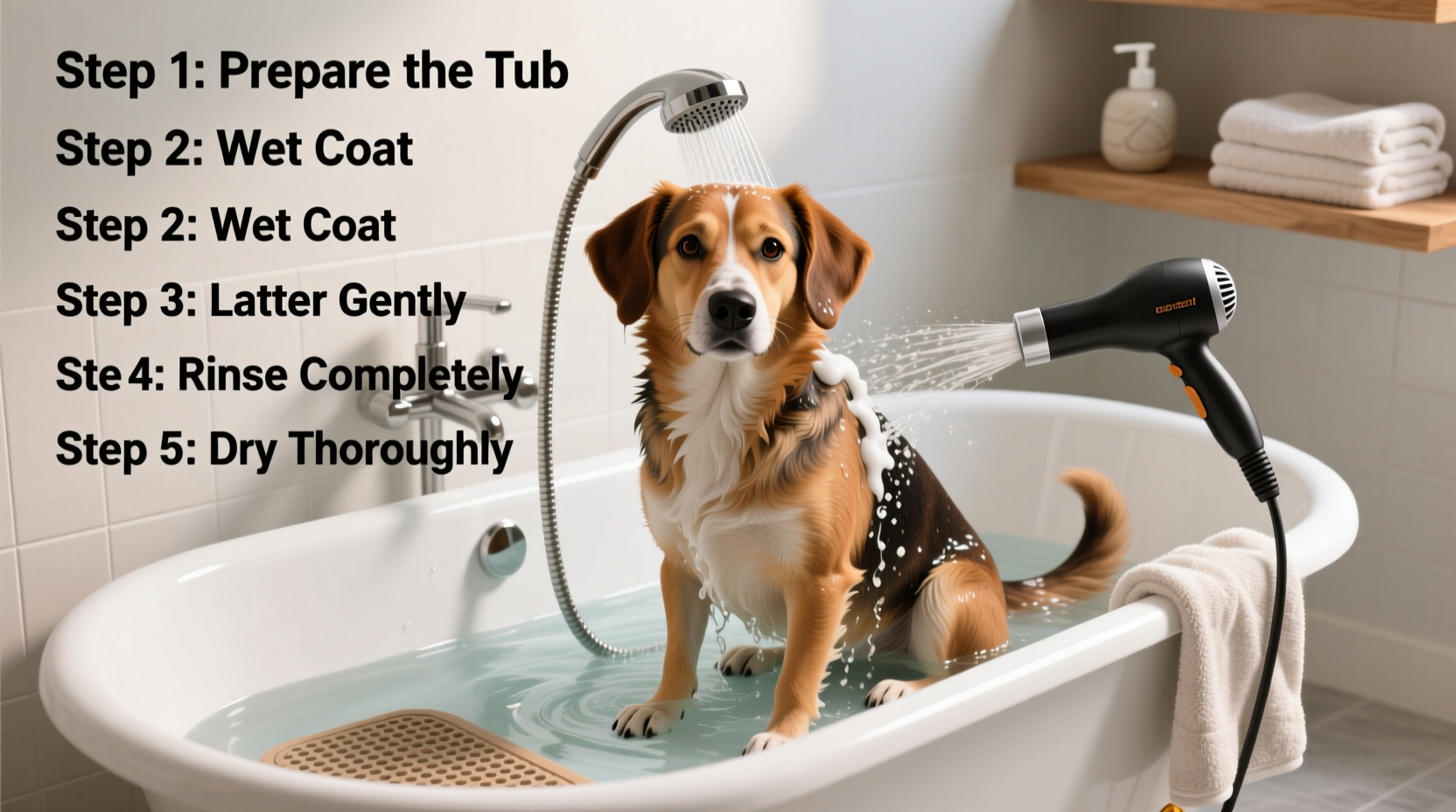
Preparation is key to a smooth dog bath. Having everything within reach prevents mid-bath disruptions that could scare your pet. Use this checklist to ensure you're fully equipped:
Tip: Place non-slip mats in the tub to prevent your dog from slipping and panicking during the bath.- Dog-specific shampoo (avoid human products—they disrupt pH balance)
- Warm water (test temperature with your wrist or elbow)
- Towels (preferably microfiber for better absorption)
- Non-slip mat or rubber bath mat
- Cup or handheld shower sprayer
- Brush or comb (appropriate for your dog’s coat type)
- Cotton balls (to gently place in ears and prevent water entry)
- Treats (for positive reinforcement)
- Detangling spray (for long-haired breeds)
2. Brush Before Bathing
Never skip brushing, especially for dogs with medium to long coats. Tangles and mats tighten when wet, making them painful to remove later. Brushing also removes loose fur, dirt, and dander, allowing shampoo to penetrate more effectively.
Start from the ends and work upward to avoid pulling on knots. For double-coated breeds like Huskies or Golden Retrievers, use an undercoat rake to loosen dead hair. If your dog resists brushing, do it gradually over several days leading up to bath day.
“Brushing before bathing reduces shedding, improves skin health, and makes the entire process faster and less stressful.” — Dr. Laura Bennett, DVM, Canine Dermatology Specialist
3. Create a Calm Environment
Dogs pick up on anxiety. If you’re tense, they’ll be too. Choose a quiet time when household activity is low. Turn off loud appliances and keep other pets away. Speak in a soft, reassuring tone throughout the process.
Introduce your dog to the empty tub first. Let them sniff it and take treats inside to build positive associations. If your dog has never been bathed before, consider dry runs without water for a few days to acclimate them.
Tip: Use a favorite toy or treat-dispensing puzzle in the tub to distract and reward your dog during the bath.4. Step-by-Step Bathing Process
Follow this sequence to ensure a thorough, safe, and efficient bath:
- Insert cotton balls gently into ear canals to prevent water from entering and causing infections.
- Wet your dog thoroughly using lukewarm water. Start from the neck and move backward, avoiding the head initially.
- Apply shampoo according to label instructions. Dilute thick shampoos with water for easier application. Massage into the coat, working from neck to tail, then legs and belly. Avoid eyes, ears, and mouth.
- Wash the face last using a damp washcloth and minimal, tear-free dog facial cleanser or diluted shampoo.
- Rinse completely. Residue causes itching and flaking. Run your hands through the fur to feel for slipperiness—this indicates leftover soap.
- Apply conditioner (if needed), especially for curly or long-haired breeds. Leave for 3–5 minutes, then rinse thoroughly.
- Turn off water and begin drying. Wrap your dog in towels immediately to prevent chilling.
5. Post-Bath Drying and Aftercare
Drying is just as important as washing. Incomplete drying leads to damp skin, which can foster yeast or bacterial growth, particularly in skin folds or under the ears.
For short-haired dogs, towel-drying may suffice. Long- or thick-coated breeds benefit from blow-drying on a cool or warm (never hot) setting. Keep the dryer moving and at a safe distance to avoid burns or noise stress.
After drying, brush again to prevent tangles and distribute natural oils. Check ears for moisture and gently remove cotton balls. Inspect paws and between toes for trapped water or debris.
| Breed Type | Bathing Frequency | Drying Method |
|---|---|---|
| Short-haired (e.g., Beagle, Boxer) | Every 6–8 weeks | Towel dry |
| Long-haired (e.g., Shih Tzu, Maltese) | Every 3–4 weeks | Towel + blow dry |
| Double-coated (e.g., Samoyed, Pomeranian) | Every 4–6 weeks (avoid over-bathing) | Thorough blow dry to undercoat |
| Water-resistant (e.g., Labrador, Portuguese Water Dog) | Every 2–3 months | Towel dry; air dry if needed |
Common Mistakes to Avoid
Even well-meaning owners make errors that compromise their dog’s comfort or hygiene. Here are the most frequent pitfalls:
- Using human shampoo – Disrupts the skin’s natural pH, leading to dryness and irritation.
- Bathing too frequently – Strips essential oils, especially in breeds with sensitive skin.
- Rushing the rinse – Soap residue is a leading cause of post-bath scratching.
- Ignoring ears and paws – Moisture buildup invites infections.
- Yelling or forcing a scared dog – Creates lasting fear of baths.
Real-Life Example: Helping a Nervous Rescue Dog
Max, a 3-year-old mixed breed rescued from a rural shelter, trembled at the sight of water. His new owner, Sarah, followed a gradual desensitization plan. For two weeks, she let Max stand in the dry tub with treats. Then, she added an inch of warm water. By week three, he allowed damp paw wipes. On bath day, she used a non-slip mat, spoke softly, and paused whenever he seemed uneasy. The first bath lasted 25 minutes—but Max didn’t panic. Within two months, he waited by the tub when he saw the towel come out.
This case shows that patience and consistency transform fear into cooperation. Not every dog will love baths, but every dog can learn to tolerate them with kindness.
Frequently Asked Questions
How often should I bathe my dog?
Most dogs need a bath every 4 to 8 weeks, depending on breed, activity level, and skin condition. Over-bathing can dry out the skin, while under-bathing may lead to odor and buildup. Dogs that swim frequently or have skin conditions may require medicated baths on a vet-recommended schedule.
Can I use baby shampoo on my dog?
While baby shampoo is milder than adult formulas, it’s still not ideal. It’s formulated for human pH (around 5.5), whereas dogs have a higher skin pH (around 7.5). Long-term use can disrupt the acid mantle, increasing susceptibility to infections. Always opt for a veterinarian-approved dog shampoo.
What should I do if my dog shakes water everywhere during the bath?
Shaking is instinctive. To minimize mess, close the bathroom door and use a quick-absorbent towel to drape over their back before they shake. Some owners use a second towel to cover the head briefly during rinsing. Remain calm—reacting negatively reinforces stress.
Final Tips for Success
Successful dog bathing isn’t about speed—it’s about safety, comfort, and consistency. Reward calm behavior with treats and praise. Keep sessions short for puppies or anxious dogs. Monitor your dog’s skin for redness, flakiness, or rashes after bathing, and consult your vet if issues persist.
Over time, regular baths become routine. You’ll notice healthier skin, a shinier coat, and fewer odors around the house. More importantly, your dog will learn to trust you through each step of care.
💬 Ready to transform bath time from chaos to calm? Try one tip from this guide in your next session and share your experience in the comments below. Your insights could help another pet parent!








