Choosing the right dog toy isn’t just about durability or design—it’s about harmony. The moment a dog sinks its teeth into a squeaky toy, that high-pitched sound can trigger joy in your pet and frustration in you. On the flip side, silent toys may preserve your sanity but sometimes fail to capture your dog’s full attention. So, which option truly keeps both of you happy? The answer lies in understanding your dog’s instincts, your living environment, and how different toys serve different purposes.
The Psychology Behind the Squeak
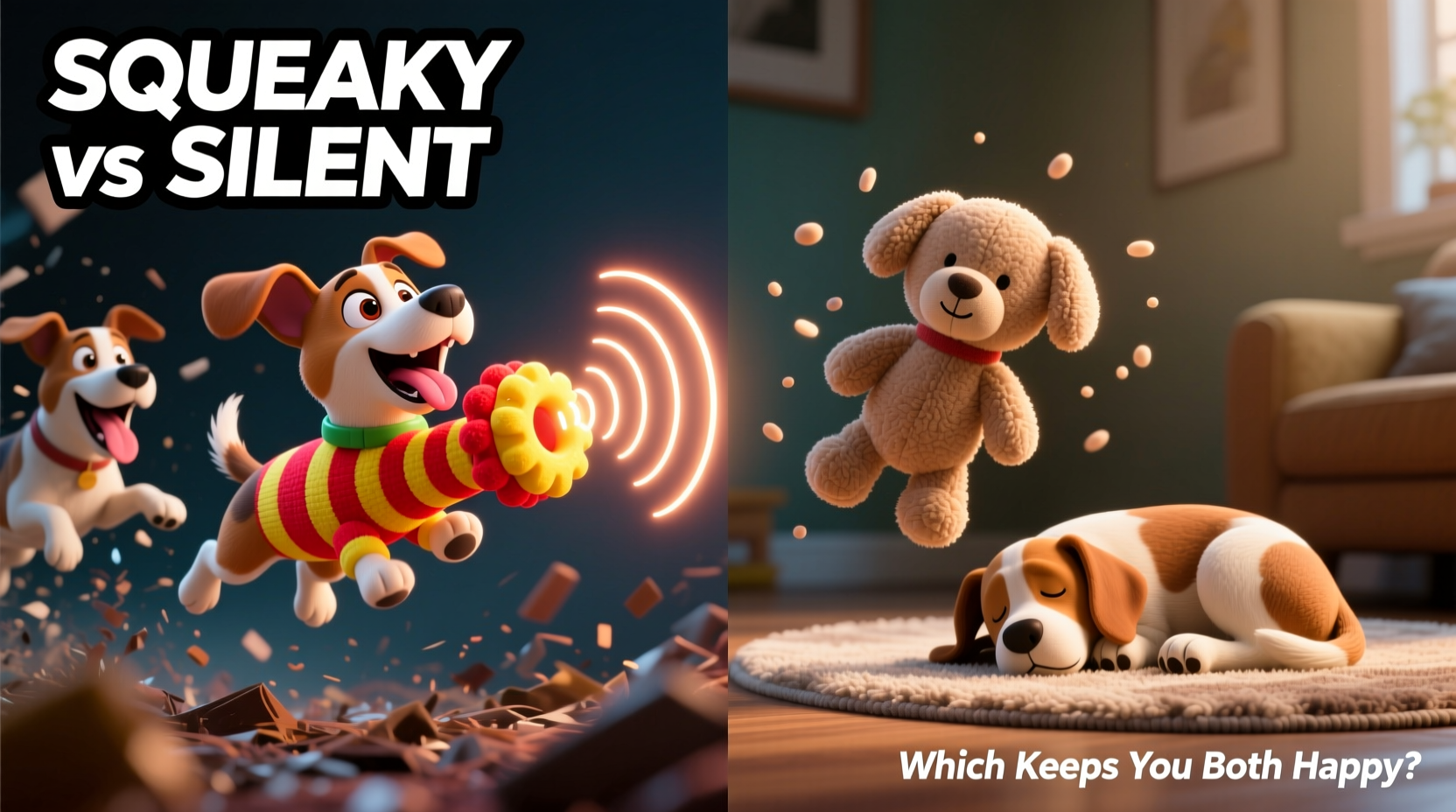
Dogs are hardwired to respond to sounds that mimic prey. The squeak of a toy simulates the cry of small animals, triggering a primal hunting instinct. This is why many dogs become intensely focused on squeaky toys—chasing, shaking, and “killing” them provides mental and physical satisfaction. For breeds like terriers or herding dogs with strong prey drives, this behavior is especially pronounced.
However, not all dogs react the same way. Some may lose interest once the squeaker is destroyed, while others become obsessive, carrying the toy from room to room and demanding play repeatedly. The intensity of the response often depends on breed, energy level, and past experiences with similar toys.
Tip: If your dog destroys squeakers within minutes, consider reinforced squeaky toys with multiple layers or replaceable squeakers.Silent Toys: Peaceful Play Without the Pitch
Silent toys prioritize function over noise. Made from rubber, rope, or soft plush without internal squeakers, they’re ideal for households where constant squeaking becomes overwhelming—especially in small apartments, shared walls, or homes with young children or noise-sensitive individuals.
These toys still offer chewing resistance, dental benefits, and interactive potential. Rope toys, for example, support tug-of-war games that strengthen bonds, while rubber chew toys like Kongs provide long-lasting engagement when stuffed with treats. Silent doesn’t mean boring; it means tailored to quieter forms of stimulation.
The trade-off? Some dogs may find silent toys less immediately exciting. Without the auditory reward, initial interest might be lower. But with proper introduction and positive reinforcement, many dogs learn to love these alternatives just as much.
Comparing Squeaky and Silent: A Practical Breakdown
| Feature | Squeaky Toys | Silent Toys |
|---|---|---|
| Stimulates Prey Drive | High – excellent for mental engagement | Moderate – relies more on texture or challenge |
| Noise Level | High – disruptive in quiet environments | Low – ideal for indoor or shared spaces |
| Durability | Variable – squeakers often removed quickly | Generally higher – no internal components to destroy |
| Bonding Potential | Good – encourages active play | Excellent – better for calm interaction |
| Best For | Outdoor play, high-energy dogs, training rewards | Indoor use, noise-sensitive homes, long chews |
Expert Insight: What Behaviorists Recommend
“Dogs benefit most from variety. Relying solely on squeaky toys can create fixation, while only using silent ones might miss key enrichment opportunities. Rotate both types to keep your dog mentally stimulated.” — Dr. Lena Patel, Canine Behavior Specialist
Dr. Patel emphasizes that monotony leads to boredom, which often results in destructive behaviors. By rotating toy types—including both squeaky and silent options—you prevent habituation and maintain novelty, which is crucial for long-term engagement.
A Real-Life Example: Max the Border Collie
Max, a three-year-old Border Collie living in a downtown Chicago apartment, loved his squeaky duck. He’d carry it everywhere, squeaking it nonstop during morning zoomies. His owner, Sarah, initially enjoyed seeing Max so excited—until the noise began interfering with work-from-home calls and evening relaxation.
She tried removing the toy, but Max became anxious and started chewing furniture. Instead of eliminating squeaky toys altogether, she introduced a rotation system: squeaky toys were allowed during morning walks and outdoor play, while silent rubber chew toys and puzzle feeders were used indoors. She also taught Max a “quiet” command using positive reinforcement.
Within two weeks, Max adapted. He still got his fix of squeaky excitement outside, and Sarah regained peace inside. Their compromise preserved Max’s mental health and their shared comfort.
Step-by-Step Guide to Balancing Toy Types
- Assess Your Dog’s Energy and Breed Traits: High-prey-drive dogs may crave squeaky toys more than low-energy breeds.
- Evaluate Your Living Environment: Apartments or noise-sensitive homes benefit from limiting squeaky toys to outdoor use.
- Create a Toy Rotation Schedule: Divide toys into categories (squeaky, silent, treat-dispensing) and rotate weekly to maintain interest.
- Introduce Silent Toys Positively: Pair new silent toys with treats or mealtime stuffing to build positive associations.
- Set Boundaries: Use commands like “drop it” or “quiet” to manage excessive squeaking indoors.
- Monitor Destructive Habits: If your dog rips out squeakers quickly, switch to reinforced models or limit access to supervised sessions.
Tips for Maximizing Enjoyment and Minimizing Stress
- Use squeaky toys as training rewards during outdoor obedience drills.
- Freeze silent rubber toys filled with peanut butter for long-lasting summer entertainment.
- Label toy bins (e.g., “Outside Only,” “Chew Time”) to help family members follow the rules.
- Inspect all toys regularly for wear and remove any with loose parts or damaged seams.
Frequently Asked Questions
Are squeaky toys bad for dogs?
No, squeaky toys aren’t inherently bad. They tap into natural instincts and can be excellent for mental stimulation. However, unsupervised access can lead to destruction and ingestion of squeakers, which poses a choking hazard. Always monitor play and remove damaged toys promptly.
Can I make a squeaky toy silent?
Yes—some owners remove the squeaker manually by cutting a small seam, squeezing out the device, and stitching the toy back up. This preserves the toy’s shape and texture while eliminating noise. Just ensure the repair is secure to prevent your dog from ingesting thread or filling.
How many toys should my dog have?
Aim for a minimum of five to seven toys across different categories: at least two squeaky, two silent chew toys, one puzzle toy, one tug toy, and one comfort plush. Rotating them prevents boredom and extends their usefulness.
Final Thoughts: Harmony Through Balance
The choice between squeaky and silent dog toys isn’t an either/or decision—it’s about balance. Squeaky toys fulfill deep-seated instincts and provide high-energy fun. Silent toys offer calm engagement and coexistence in noise-sensitive environments. The happiest outcomes come not from picking one over the other, but from using each strategically.
By observing your dog’s preferences, setting clear boundaries, and rotating toys thoughtfully, you create a dynamic play environment that nurtures their well-being without compromising your peace. After all, a happy dog deserves a happy human too.
💬 What’s your go-to toy strategy? Share your experience with squeaky vs. silent toys and help fellow pet owners find their perfect balance!








