Dogs love toys—there’s no denying that. But have you ever stopped to consider why they go wild for squeaky ones? The high-pitched sound seems to trigger an almost primal reaction in many dogs, sending them into a frenzy of biting, shaking, and tossing. Meanwhile, silent toys often sit unnoticed in the corner of the playroom. But is the squeak truly essential, or is it more about human assumptions than canine needs? Understanding the psychology behind toy preferences can help pet owners make smarter choices—not just for fun, but for safety, mental stimulation, and long-term enjoyment.
The Science Behind the Squeak
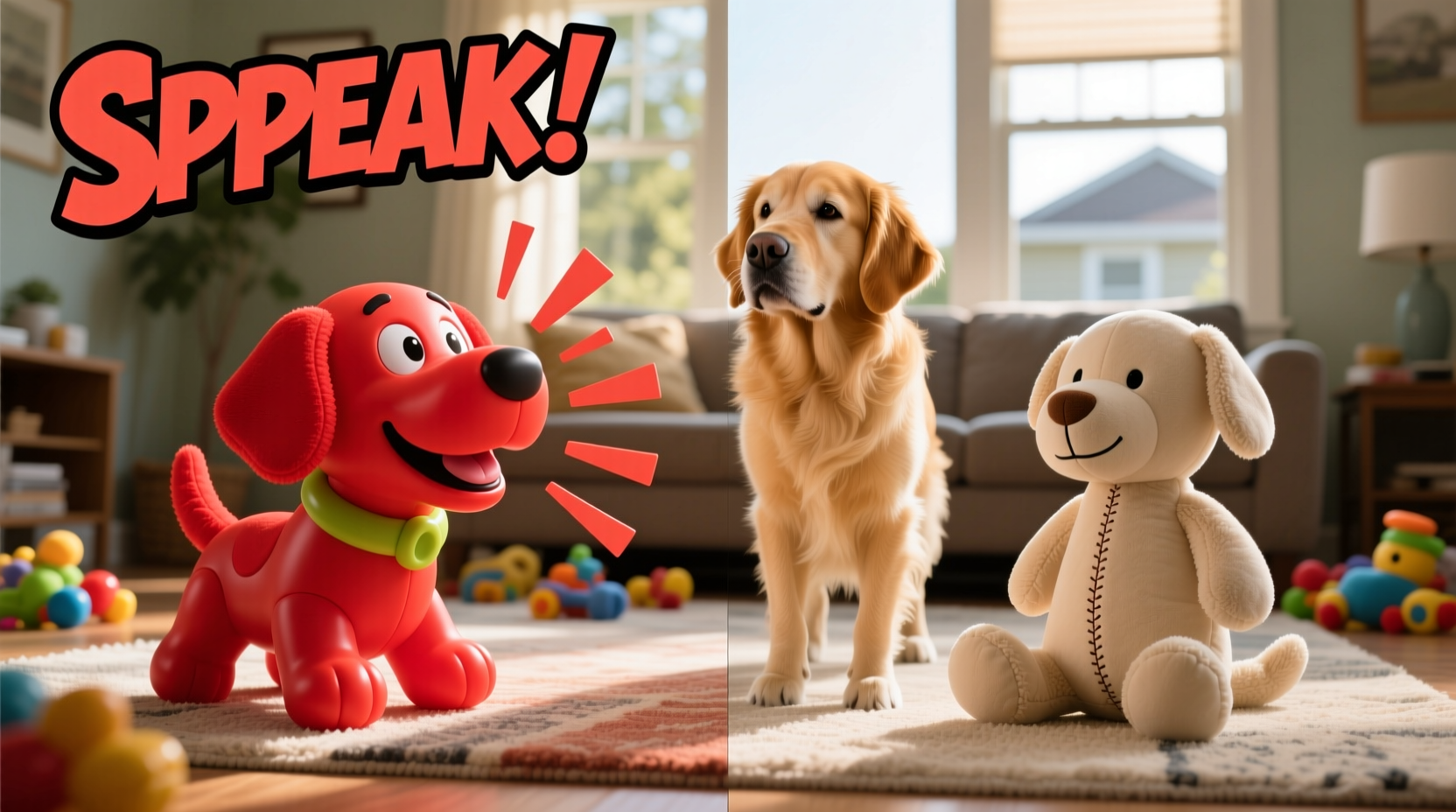
The appeal of squeaky toys isn’t random. For many dogs, the sound mimics the distress calls of small prey animals like rodents or birds. This taps into their innate predatory instincts, even in domesticated breeds with generations removed from hunting. When a dog bites down and hears the squeak, it simulates a \"kill,\" which releases dopamine and reinforces the behavior. This feedback loop makes squeaky toys highly addictive for certain dogs.
However, not all dogs react the same way. Some may be startled by sudden noises, while others lose interest once the squeaker breaks—often within minutes. In fact, a study published in *Applied Animal Behaviour Science* found that while initial excitement is common, sustained engagement depends more on texture, durability, and interaction with the owner than on sound alone.
“Dogs don’t need squeakers to have fun. What they need is mental stimulation, tactile variety, and opportunities to express natural behaviors.” — Dr. Lena Reyes, Veterinary Ethologist
Pros and Cons: Squeaky vs Silent Toys
Choosing between squeaky and silent toys isn’t just about preference—it’s about understanding how each type affects your dog’s behavior, focus, and environment. Below is a comparison of key factors to consider.
| Feature | Squeaky Toys | Silent Toys |
|---|---|---|
| Engagement Level | High initially; may decline after squeaker fails | Varies; often increases with chewers and puzzle lovers |
| Mental Stimulation | Moderate (instinctual response) | High (especially with treat-dispensing or interactive designs) |
| Durability | Low (squeakers break easily; materials often thin) | High (rubber, nylon, and fabric blends last longer) |
| Noise Impact | Disruptive in homes, apartments, or shared spaces | Quiet; ideal for noise-sensitive environments |
| Safety Risk | Higher (dogs may rip open to find the squeaker) | Lower (fewer small parts if well-designed) |
When Silence Speaks Volumes
Silent toys are frequently underestimated. Yet, they often provide longer-lasting value. Rope toys, rubber Kongs, plush without squeakers, and puzzle feeders encourage different kinds of play—chewing, tugging, problem-solving—that build patience and reduce anxiety. Dogs who suffer from overstimulation or noise sensitivity may actually benefit more from quiet engagement.
Consider senior dogs or those recovering from surgery. A loud squeak might startle them or increase stress, whereas a soft, crinkly fabric toy or a slow-feed ball offers gentle entertainment. Similarly, dogs prone to obsessive behavior—like incessantly dismembering toys—can develop healthier habits with durable, silent options that resist quick destruction.
Tip: Rotate between squeaky and silent toys weekly to prevent habituation and keep your dog mentally engaged.A Real-Life Example: Max, the Border Collie Mix
Max, a three-year-old Border Collie mix adopted from a shelter, arrived with a fixation on squeaky toys. His owners noticed he’d destroy at least one per day, often swallowing pieces of plastic or foam. After a vet visit revealed minor intestinal irritation, they consulted a canine behaviorist. The recommendation? Phase out cheap squeaky toys and introduce silent, interactive alternatives.
They started with a rubber bone-shaped toy filled with peanut butter and a fabric tug without any sound elements. Initially, Max ignored them. But with encouragement and short training sessions using treats as rewards, he began to associate these toys with positive outcomes. Within two weeks, he was spending 20–30 minutes chewing and tugging daily. His destructive tendencies decreased, and his overall calmness improved. The squeaky toys were reintroduced only under supervision—and only ones made with reinforced stitching and internal squeaker cages.
How to Choose the Right Toy for Your Dog
Selecting toys shouldn’t be based solely on popularity or cuteness. It requires observation and intention. Follow this step-by-step guide to match toys to your dog’s temperament and lifestyle.
- Observe your dog’s play style: Is your dog a biter, a chaser, a digger, or a cuddler? Biting dogs need durable rubber; chasers enjoy soft plush or balls; diggers may prefer hide-and-seek toys.
- Assess noise tolerance: Do you live in an apartment? Have young children or noise-sensitive pets? If so, silent toys may improve household harmony.
- Prioritize safety: Avoid toys with small, detachable parts. Ensure materials are non-toxic and designed for pets.
- Introduce variety: Use a mix of squeaky and silent toys to stimulate different senses and prevent boredom.
- Monitor reactions: Watch for signs of obsession, fear, or disinterest. Adjust accordingly.
Checklist: Evaluating Toy Suitability
- ✅ Is the toy size-appropriate for my dog?
- ✅ Can my dog accidentally swallow any part?
- ✅ Does it support my dog’s natural behaviors (e.g., chewing, fetching)?
- ✅ Is the noise level acceptable for my living situation?
- ✅ Can I supervise use if needed?
- ✅ Is it easy to clean?
Frequently Asked Questions
Do all dogs like squeaky toys?
No. While many dogs are drawn to the sound due to instinctual triggers, some are indifferent or even frightened by sudden noises. Individual personality, breed tendencies, and past experiences shape a dog’s response.
Are silent toys boring for dogs?
Not at all. Many silent toys offer superior mental and physical stimulation through textures, shapes, and interactive features. Dogs learn to enjoy them when introduced positively and paired with rewards or playtime.
Can squeaky toys be dangerous?
Yes, if not used properly. Once a dog rips open a squeaky toy, the internal squeaker becomes a choking hazard. Always supervise play and remove damaged toys immediately. Opt for models with enclosed squeakers or reinforced seams when possible.
Conclusion: Beyond the Noise
The squeak isn’t magic—it’s just one tool in a much broader toolkit for enriching your dog’s life. While squeaky toys have their place, especially in early engagement and instinctual play, relying on them exclusively limits your dog’s development. Silent toys offer durability, safety, and sustained cognitive benefits that often surpass the fleeting thrill of a squeal.
The goal isn’t to eliminate noise entirely, but to balance it with quieter, more thoughtful forms of enrichment. By observing your dog’s true preferences—not just their loudest reactions—you can build a toy collection that supports health, happiness, and harmony at home.
💬 What’s your dog’s favorite toy—and do they care about the squeak? Share your experience and help other pet owners discover what works beyond the noise.








