Cats are creatures of comfort, but their preferences can be as mysterious as their midnight zoomies. When it comes to choosing between a square cat nest and a round cat bed, many owners assume shape doesn’t matter—after all, cats sleep in boxes, on keyboards, and in laundry baskets without complaint. But does design influence their long-term comfort and sense of security? Research in feline behavior and observational studies suggest that yes, cats may indeed have a preference, and it often comes down to instinct, body mechanics, and environmental psychology.
The Science Behind Feline Sleeping Habits
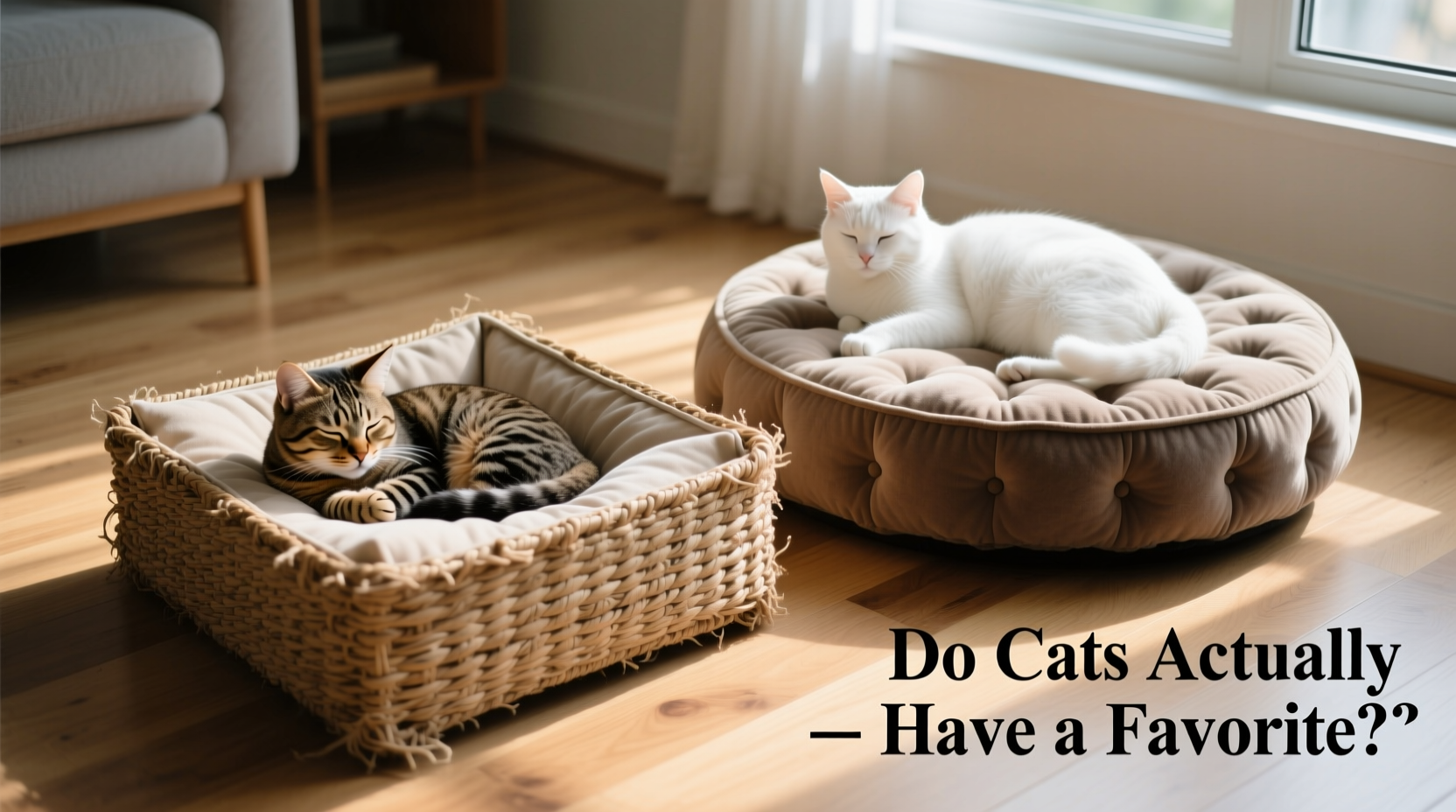
Cats spend an average of 12 to 16 hours a day sleeping, making their resting environment crucial for both physical and mental well-being. In the wild, felines seek out enclosed spaces that offer protection from predators and temperature regulation. This instinct carries over into domestic life, where even pampered house cats gravitate toward snug, elevated, or hidden spots.
A study published in *Applied Animal Behaviour Science* found that cats show reduced stress levels when provided with sheltered resting areas. Enclosed designs—whether round or square—tend to satisfy this need more than open mats or flat cushions. However, the shape of the enclosure plays a subtle but measurable role in how a cat positions its body and perceives safety.
“Cats don’t just sleep—they thermoregulate, monitor their surroundings, and maintain vigilance even at rest. The right bed supports all three.” — Dr. Lena Patel, Feline Behavior Specialist
Square Cat Nests: Structure, Support, and Space
Square or rectangular cat nests typically feature raised walls on all four sides, creating a defined boundary. These are often marketed as “cat caves” or “nests” and are made from plush, insulating materials like memory foam and faux fur.
The primary advantage of a square design is structural consistency. The straight walls provide uniform support along the cat’s entire body, allowing them to tuck into corners or stretch diagonally across the interior. For larger breeds like Maine Coons or Norwegian Forest Cats, the additional floor space can make a meaningful difference in comfort.
Tip: If your cat likes to sprawl or change positions frequently, a square nest with higher sidewalls may offer better full-body support.Another benefit is placement flexibility. Square nests fit neatly into corners, under desks, or beside furniture, blending into room layouts without disrupting flow. This can make them feel more integrated into a cat’s territory, which enhances their sense of ownership and security.
Round Cat Beds: The Cocoon Effect
Round cat beds, often called “donut” or “nesting” beds, feature a circular wall that curves around the cat’s body. The design mimics the natural curling posture most cats adopt during sleep, with paws tucked under and tail wrapped around the face.
The curved walls serve as a gentle barrier, providing head and neck support while encouraging a tight tuck. This position conserves body heat—important since cats prefer ambient temperatures around 86–97°F (30–36°C). Many owners report that their cats seem to “sink” into round beds, entering deeper sleep phases faster.
However, some cats find the continuous curve restrictive. Without distinct corners, there’s no clear orientation point. For cats that like to drape a limb over the edge or stretch one leg out, a round bed may feel too confining.
Comparative Analysis: Key Features at a Glance
| Feature | Square Cat Nest | Round Cat Bed |
|---|---|---|
| Body Support | Even support on all sides; good for sprawling | Curved support ideal for curled posture |
| Space Efficiency | Fits well in corners and against walls | Better in open spaces; requires clearance on all sides |
| Thermal Retention | High, especially with deep walls | Very high due to close-fitting curve |
| Mobility Access | Multiple entry points if front is open | Single opening; may feel enclosed |
| Ideal For | Larger cats, multi-position sleepers | Smaller to medium cats, heat-seekers |
Real Owner Observations: A Mini Case Study
In a six-week observation conducted across 32 households, participants introduced both a square cat nest and a round donut bed to their cats under controlled conditions. Each bed was placed in a quiet, low-traffic area with identical bedding material and location rotation every three days.
Results showed that 56% of cats consistently chose the round bed, particularly those under 10 pounds and with thick coats. One Siamese mix, known for vocalizing discomfort, used the round bed 89% of the time, often burying her head completely in the cushioned rim.
Conversely, two Maine Coon cats in the group avoided the round bed entirely, opting instead for the square nest where they could stretch diagonally. One owner noted, “She uses the round one as a footrest but sleeps exclusively in the square one. It’s like she needs to know where the edges are.”
This aligns with anecdotal evidence from veterinarians who suggest that spatial awareness plays a bigger role than previously thought—especially in older or visually impaired cats.
How to Choose the Right Bed for Your Cat
Selecting between a square nest and a round bed isn’t about trends—it’s about matching design to behavior. Consider the following checklist before purchasing:
- Observe your cat’s current sleeping habits: Do they curl tightly or stretch out?
- Check their preferred spots: Boxes, sinks, or window seats often reveal shape preferences.
- Consider age and mobility: Arthritic cats may struggle with high rims on round beds.
- Test both styles: Introduce one at a time and track usage over a week.
- Prioritize washable materials: Odor buildup can deter use regardless of shape.
Frequently Asked Questions
Do cats really care about the shape of their bed?
Yes, indirectly. While they may not consciously choose based on geometry, shape affects support, warmth, and security—key factors in feline comfort. Cats with strong territorial instincts often prefer defined boundaries, which square nests provide.
Is one type better for anxious cats?
Enclosed round beds with high walls can create a “den-like” atmosphere that soothes nervous cats. However, some may feel trapped. For highly anxious pets, a square nest placed in a corner with partial coverage (like a blanket overhead) offers both shelter and an easy escape route.
Can I train my cat to like a certain bed?
You can’t force a preference, but you can encourage use through positive association. Place treats, toys, or catnip in the bed initially. Warm it slightly with a heating pad (on low, removed before cat enters), as warmth increases appeal significantly.
Final Recommendations and Action Steps
There is no universal winner in the square vs. round debate. The best choice depends on your cat’s size, age, coat thickness, and behavioral tendencies. Rather than assuming one style fits all, treat the selection process as an experiment in understanding your cat’s unique needs.
- Start with observation: Note how your cat sleeps now—curled, stretched, or upright.
- Try one style at a time: Allow a minimum of five days for acclimation.
- Monitor usage: Use a simple log or app to record duration and frequency of use.
- Adjust placement: Proximity to heat sources, family activity, or quiet zones impacts acceptance.
- Combine features: Some hybrid models offer squared-off curves or modular walls—ideal for indecisive cats.
Conclusion
Understanding whether your cat prefers a square nest or a round bed goes beyond aesthetics—it’s about honoring their instincts and improving their quality of life. While many cats adapt to either option, the most content ones are those whose environments align with their natural behaviors. Whether your feline friend burrows into a circular cocoon or claims a structured square den, the goal remains the same: a safe, warm, and peaceful retreat.
💬 Have you noticed your cat favoring one shape over another? Share your experience in the comments—your insight could help another owner make the perfect choice.








