Spots around the lips are a common yet often misunderstood skin concern. Whether they appear as dark patches, red bumps, or small white dots, these blemishes can affect self-confidence and signal underlying health issues. Unlike acne on the forehead or cheeks, lip-area spots are influenced by unique factors—from oral hygiene habits to skincare product choices. Understanding the root causes is the first step toward effective treatment and long-term prevention.
Common Causes of Spots Around the Lips
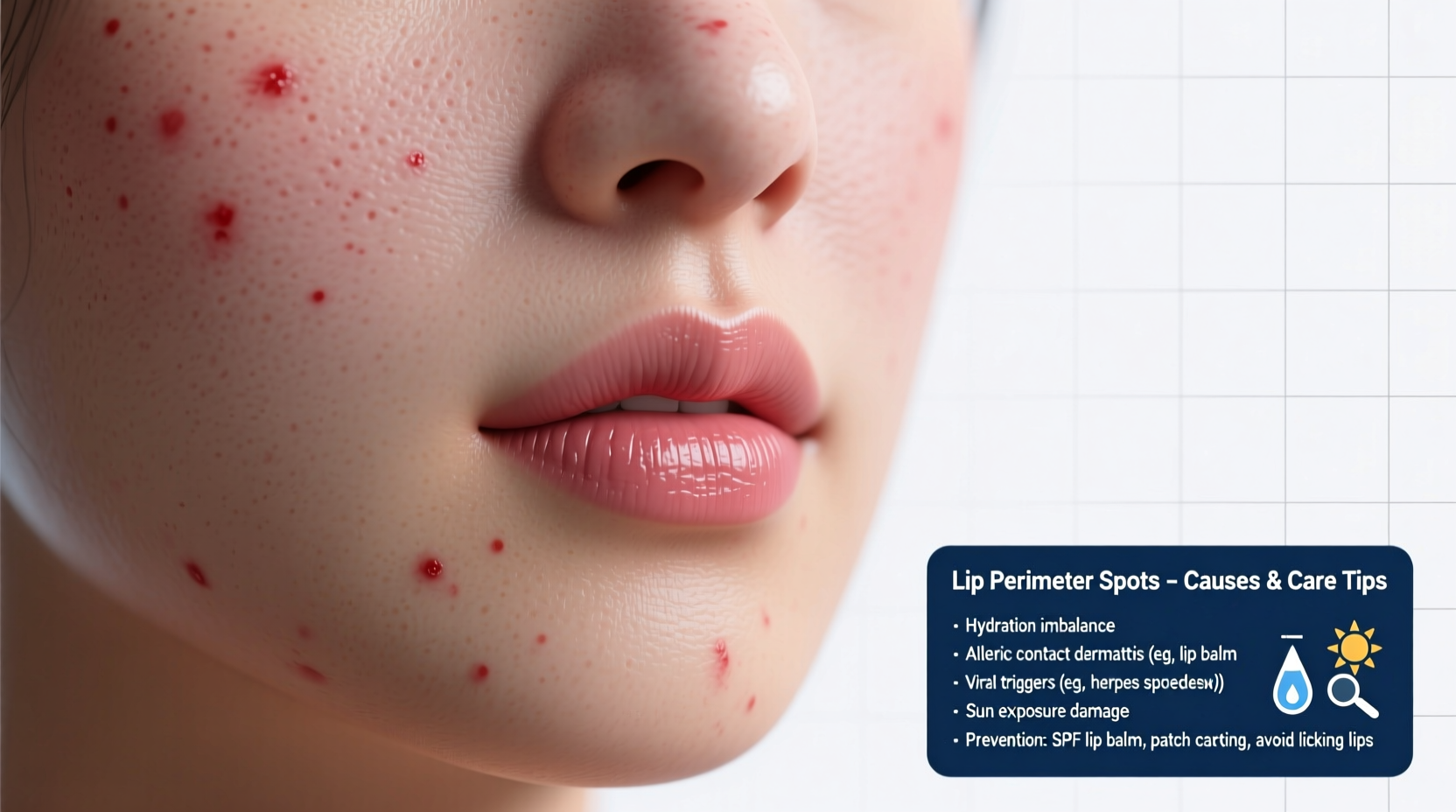
The skin surrounding the lips—known as the perioral area—is delicate and highly reactive. Several internal and external factors contribute to the development of spots in this region.
- Hormonal fluctuations: Changes during menstruation, pregnancy, or due to birth control can trigger pigmentation or breakouts near the mouth.
- Poor oral hygiene: Bacteria from food residue or improper brushing can migrate to the skin, causing inflammation or fungal infections like angular cheilitis.
- Allergic reactions: Lip products containing fragrances, lanolin, or preservatives may cause contact dermatitis, leading to red, itchy spots.
- Drool rash in infants and adults: Saliva accumulation during sleep can irritate sensitive skin, especially in children or those with drooling conditions.
- Vitamin deficiencies: Low levels of B vitamins (especially B2, B3, B6) and iron are linked to perioral dermatitis and angular fissures.
- Overuse of topical steroids: Applying steroid creams near the lips for prolonged periods can lead to steroid-induced rosacea or rebound breakouts.
- Friction and irritation: Frequent touching, lip-licking, or using dirty phone screens against the face introduces bacteria and damages the moisture barrier.
Treatment Options Based on Spot Type
Not all spots are the same. Identifying the type helps determine the right treatment path. Below is a breakdown of common spot types and their clinical approaches.
| Spot Type | Symptoms | Recommended Treatment |
|---|---|---|
| Perioral Dermatitis | Red, bumpy rash around mouth; may burn or itch | Discontinue steroid creams; use antibiotics (topical erythromycin or oral tetracycline) |
| Angular Cheilitis | Cracks or sores at corners of mouth; sometimes yellow crust | Antifungal cream (clotrimazole), antiseptic wash, vitamin B complex supplements |
| Post-Inflammatory Hyperpigmentation (PIH) | Dark spots left after healed acne or injury | Topical agents like niacinamide, azelaic acid, or low-concentration hydroquinone |
| Fordyce Spots | Small, painless yellowish-white bumps | No treatment needed; cosmetic options include laser therapy if desired |
| Cold Sores (Herpes Simplex) | Fluid-filled blisters, tingling before outbreak | Antiviral medication (acyclovir, valacyclovir) at first sign of symptoms |
“Treating perioral issues requires precision. Misdiagnosing perioral dermatitis as acne and applying harsh acne products can worsen the condition.” — Dr. Lena Patel, Board-Certified Dermatologist
Step-by-Step Guide to Healing and Preventing Lip Area Spots
Recovery and prevention go hand-in-hand. Follow this timeline to restore skin health and reduce recurrence.
- Week 1: Identify and Remove Triggers
Stop using scented lip balms, toothpaste with SLS (sodium lauryl sulfate), and facial products near the mouth. Switch to fragrance-free, hypoallergenic alternatives. - Week 2–3: Begin Gentle Treatment
Apply a non-comedogenic moisturizer and start prescribed treatments (e.g., antifungal for angular cheilitis). Use lukewarm water and a soft cloth to cleanse—avoid scrubbing. - Week 4: Introduce Skin-Supportive Ingredients
Incorporate products with ceramides, squalane, or panthenol to repair the skin barrier. Begin using SPF daily—even indoors—to prevent pigmentation worsening. - Week 5–6: Monitor Progress and Adjust
If no improvement, consult a dermatologist. Blood tests may be needed to check for nutrient deficiencies. - Ongoing: Maintain a Minimalist Routine
Stick to simple, non-irritating products. Reapply lip balm only when necessary and avoid sharing personal items like lipsticks or towels.
Prevention Checklist
Maintaining clear skin around the lips requires consistent habits. Use this checklist to stay on track:
- ✅ Replace lip products every 6–12 months to prevent bacterial buildup
- ✅ Wash hands before touching your face
- ✅ Use a satin pillowcase to reduce nighttime friction
- ✅ Choose fluoride-free, SLS-free toothpaste if prone to irritation
- ✅ Stay hydrated and eat a balanced diet rich in B vitamins and zinc
- ✅ Never apply steroid creams around the mouth without medical supervision
- ✅ Clean phone screens, masks, and makeup brushes weekly
Real-Life Example: Overcoming Chronic Angular Cheilitis
Sophie, a 34-year-old teacher, struggled with recurring cracks at the corners of her mouth for over two years. She tried various lip balms and even used leftover steroid cream from an old eczema prescription, which provided temporary relief but led to worsening flare-ups. After visiting a dermatologist, she was diagnosed with candida-related angular cheilitis compounded by a mild B12 deficiency. Her treatment plan included clotrimazole cream twice daily, a B-complex supplement, and switching to an SLS-free toothpaste. Within three weeks, the sores healed completely. Sophie now maintains her results by taking a multivitamin and avoiding flavored lip products.
Frequently Asked Questions
Can lip balm cause spots around the mouth?
Yes. Some lip balms contain allergens like lanolin, fragrances, or citrus oils that can trigger contact dermatitis. Opt for mineral-based or medicated balms labeled “non-comedogenic” and “fragrance-free” if you’re prone to breakouts.
Are dark spots around the lips permanent?
Most are not. Post-inflammatory hyperpigmentation usually fades within 3–12 months with proper care. Sun protection and topical brighteners (like vitamin C or azelaic acid) accelerate fading. However, persistent pigmentation should be evaluated by a dermatologist to rule out melasma or other conditions.
Why do I get white spots above my upper lip?
White spots are often Fordyce granules—visible sebaceous glands common in this area. They are harmless and require no treatment. In rare cases, they could indicate milia or early signs of vitiligo, especially if spreading. A dermatologist can confirm the diagnosis.
Final Thoughts: Take Control of Your Skin Health
Spots around the lips are more than just cosmetic nuisances—they’re signals from your body about hygiene, nutrition, and product compatibility. With accurate diagnosis and consistent care, most conditions resolve effectively. The key is patience and avoiding quick fixes that compromise the sensitive skin barrier. Small changes in routine, such as switching toothpaste or washing your pillowcase weekly, can make a significant difference.
💬 Your skin tells a story—listen to it. Start today by reviewing your current products and habits. Share your experience or questions in the comments to help others on the same journey.








