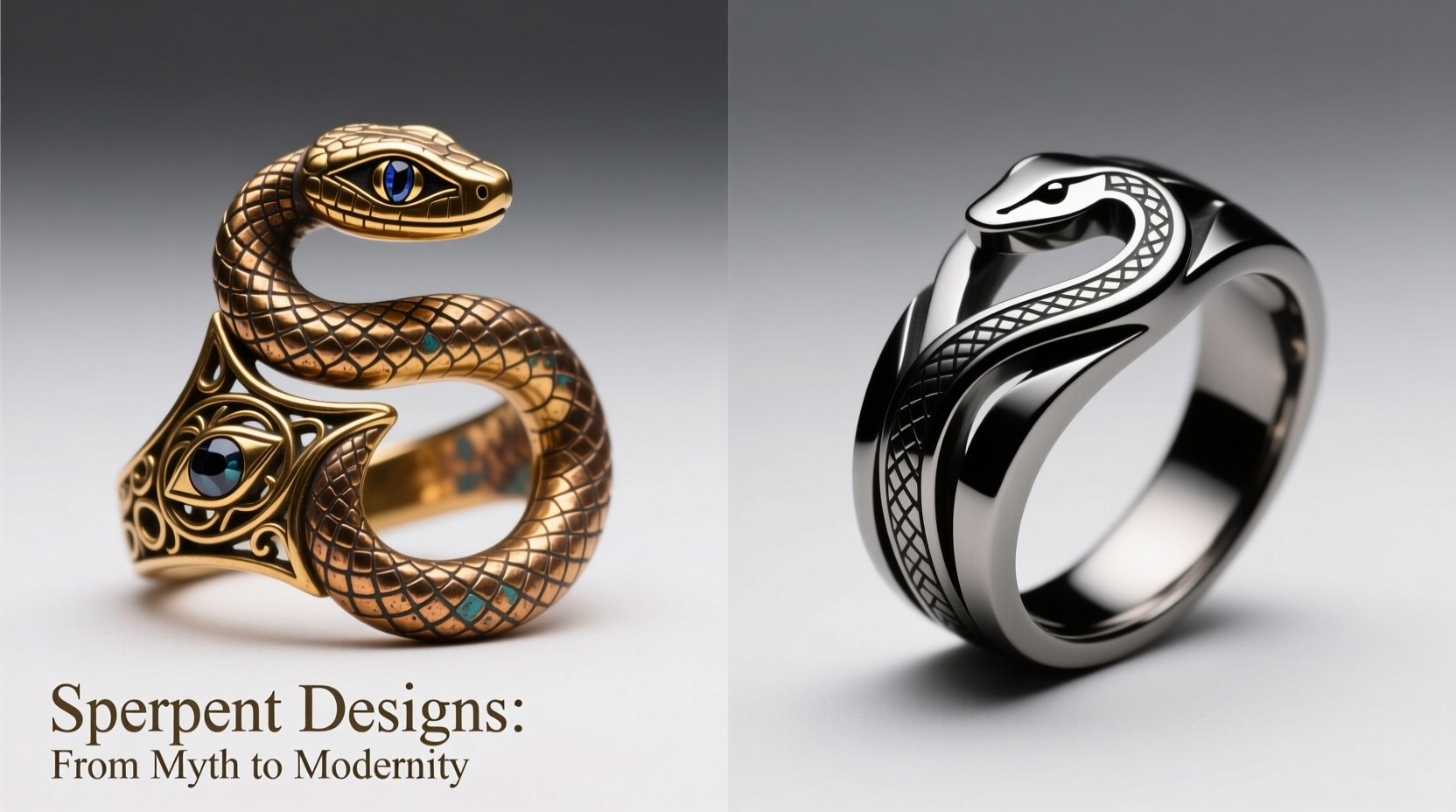
The serpent has slithered through centuries of symbolism, from ancient mythology to Victorian romance. Once worn as emblems of eternal love, wisdom, or protection, snake rings have long occupied a unique space in jewelry history. Today, they’re resurfacing—not just in vintage collections but on fashion runways, celebrity fingers, and luxury brand lookbooks. But are serpent designs genuinely back in style, or is this just another nostalgic blip in the cyclical world of fashion? And how do classic snake rings compare with sleek, contemporary interpretations?
The resurgence isn’t accidental. As fashion embraces storytelling, symbolism, and emotional resonance, the snake—a creature steeped in duality—offers depth beyond mere aesthetics. It represents transformation, rebirth, temptation, and resilience. These themes resonate in today’s cultural climate, where personal identity and meaning drive style choices more than ever.
A Brief History of the Snake Ring
The snake ring dates back to antiquity. In ancient Egypt, the uraeus—the rearing cobra—was a symbol of divine authority and protection, often worn by pharaohs. The Greeks associated serpents with healing, linking them to Asclepius, the god of medicine. Romans adopted snake motifs as symbols of fertility and eternal life, frequently crafting wedding bands in serpent form.
The 19th century marked the peak of the snake ring’s romantic era. Prince Albert gave Queen Victoria a serpent-shaped engagement ring set with emeralds—her birthstone—sparking a trend among Victorian elites. The coiled body symbolized eternity; the head, often crowned with a gemstone, represented wisdom or devotion. These rings were not merely decorative—they told stories of love, loyalty, and spiritual connection.
“Victorian jewelry was never just ornamentation—it was coded language. The snake ring said, ‘My love is endless.’” — Dr. Lydia Chen, Jewelry Historian, V&A Museum
Serpent Symbolism in Modern Culture
In recent years, the snake has undergone a rebranding. No longer confined to historical or romantic narratives, it now embodies empowerment, reinvention, and bold individuality. Celebrities like Dua Lipa, Bella Hadid, and Rihanna have been spotted wearing serpent-inspired pieces—from subtle gold bands to dramatic statement rings.
Luxury brands have taken note. Bulgari, renowned for its Serpenti collection since the 1940s, has relaunched updated versions with modular designs and smartwatch integration. Cartier, too, continues to offer high-end snake motifs, blending Art Deco elegance with modern minimalism. Even emerging designers are incorporating serpent elements—not as literal replicas, but as abstract forms, geometric coils, or textured bands that evoke the essence of the snake without overt imagery.
This evolution reflects a broader shift: consumers no longer want generic luxury. They seek pieces with narrative weight, craftsmanship, and symbolic resonance. The snake delivers all three.
Tip: When choosing a symbolic ring, consider what the design means to you personally—style lasts longer when it carries emotional significance.Snake Rings vs. Modern Interpretations: A Design Comparison
Today’s market offers two distinct categories: faithful reproductions of antique snake rings and contemporary reinterpretations. Understanding the differences helps buyers align their choice with lifestyle, taste, and values.
| Feature | Traditional Snake Rings | Modern Serpent-Inspired Rings |
|---|---|---|
| Design | Literal depiction: coiled body, detailed head, gemstone eyes | Abstract or minimalist: engraved patterns, spiral textures, asymmetrical shapes |
| Materials | Yellow gold, rose gold, enamel detailing, colored gemstones | White gold, platinum, titanium, recycled metals, lab-grown stones |
| Symbolism | Eternity, romantic love, protection | Personal growth, transformation, self-expression |
| Wearability | Often delicate; better suited for occasional wear | Durable finishes; designed for daily use |
| Price Range | $800–$15,000+ (antique or heritage brands) | $200–$5,000 (accessible luxury to high-end) |
The key difference lies in intention. Traditional snake rings are heirloom pieces—meant to be passed down. Modern versions prioritize versatility and wearability, often designed to stack with other rings or complement casual attire.
How to Style Serpent Rings in 2024
Integrating a snake ring into your wardrobe doesn’t require a full aesthetic overhaul. Whether you own a vintage Bulgari or a handcrafted indie piece, these styling principles ensure it enhances rather than overwhelms your look.
- Choose Your Statement Finger: The ring finger or pinky makes a strong impact. For subtlety, wear it on the middle finger alongside thinner bands.
- Balance Proportions: If the ring is bold, keep other accessories minimal. Pair with a simple watch or stud earrings.
- Mix Metals Thoughtfully: Gold serpent rings pair well with warm-toned outfits (creams, rusts, deep greens). White gold or silver works with cooler palettes.
- Stack Strategically: Use smooth, plain bands above or below the snake ring to frame it without competing for attention.
- Context Matters: A detailed antique ring suits evening events; a slim engraved band fits office settings or daytime outings.
Mini Case Study: Emma, 34, Creative Director
Emma inherited her grandmother’s 1920s snake ring—a yellow gold piece with ruby eyes. Initially hesitant to wear it daily, fearing it looked “too dramatic,” she worked with a stylist to integrate it into her modern wardrobe. She now wears it stacked with two thin platinum bands on her right hand, pairing it with tailored blazers and neutral tones. “It feels like carrying a piece of family history,” she says. “But styled simply, it doesn���t look costume-y. It’s powerful, not fussy.”
Expert Tips for Choosing the Right Serpent Ring
- Know the Origin: Vintage or antique rings may require restoration. Ask about provenance and condition.
- Check Craftsmanship: Look for seamless joints, secure stone settings, and even engraving. Poorly made coils can snag clothing.
- Consider Lifestyle: Active professionals may prefer low-profile designs over protruding heads.
- Verify Materials: Ethical sourcing matters. Seek brands using recycled gold or conflict-free gems.
- Try Before You Buy: Snakes wrap around the finger differently than standard bands. Ensure comfort and fit.
FAQ: Are Snake Rings Really Back in Style?
Are snake rings only for special occasions?
No. While ornate versions suit formal events, many modern serpent-inspired rings are designed for everyday wear. Look for durable finishes like brushed gold or hardened ceramic coatings if you want something practical.
Do snake rings have gender associations?
Historically linked to feminine jewelry, serpent designs are increasingly unisex. Brands like Mejuri and Cred offer minimalist snake bands marketed to all genders, focusing on symbolism over traditional styling.
Is the trend sustainable?
Many contemporary designers emphasize sustainability—using recycled metals, ethical labor, and modular designs that extend product life. However, vintage pieces inherently support circular fashion by repurposing existing materials.
Final Thoughts: Why the Snake Still Captivates
The snake ring’s return isn’t just about nostalgia—it’s about relevance. In an age where people seek authenticity and deeper meaning in what they wear, the serpent offers a compelling narrative. It’s not merely a creature of myth; it’s a metaphor for change, survival, and personal evolution.
Modern interpretations honor tradition while adapting to current tastes: cleaner lines, bolder statements, and inclusive designs. Whether you’re drawn to the romance of a Victorian coil or the sleek geometry of a contemporary twist, there’s a serpent ring that aligns with your story.
Fashion cycles come and go, but symbols endure. The snake hasn’t just come back in style—it’s evolved with it.
💬 Have a serpent ring or thinking of getting one? Share your thoughts on its symbolism, styling tips, or favorite brands—we’d love to hear how this ancient motif fits into your modern life.








