When it comes to surviving in dimly lit corners of homes and offices, few houseplants are as frequently recommended as the snake plant and the ZZ plant. Both have earned reputations for thriving on neglect, enduring droughts, and tolerating poor lighting. But if you're choosing between them for that shadowy hallway or windowless bathroom, which one actually deserves the title of \"truly unkillable\"? The answer isn't always straightforward—each has unique strengths and subtle weaknesses that matter in real-world conditions.
This comparison dives deep into their biology, care needs, and real-life performance in low-light environments. Whether you're a new plant owner or a seasoned collector looking for the toughest survivor, understanding the nuances between these two champions will help you make a confident decision.
Understanding the Low-Light Challenge
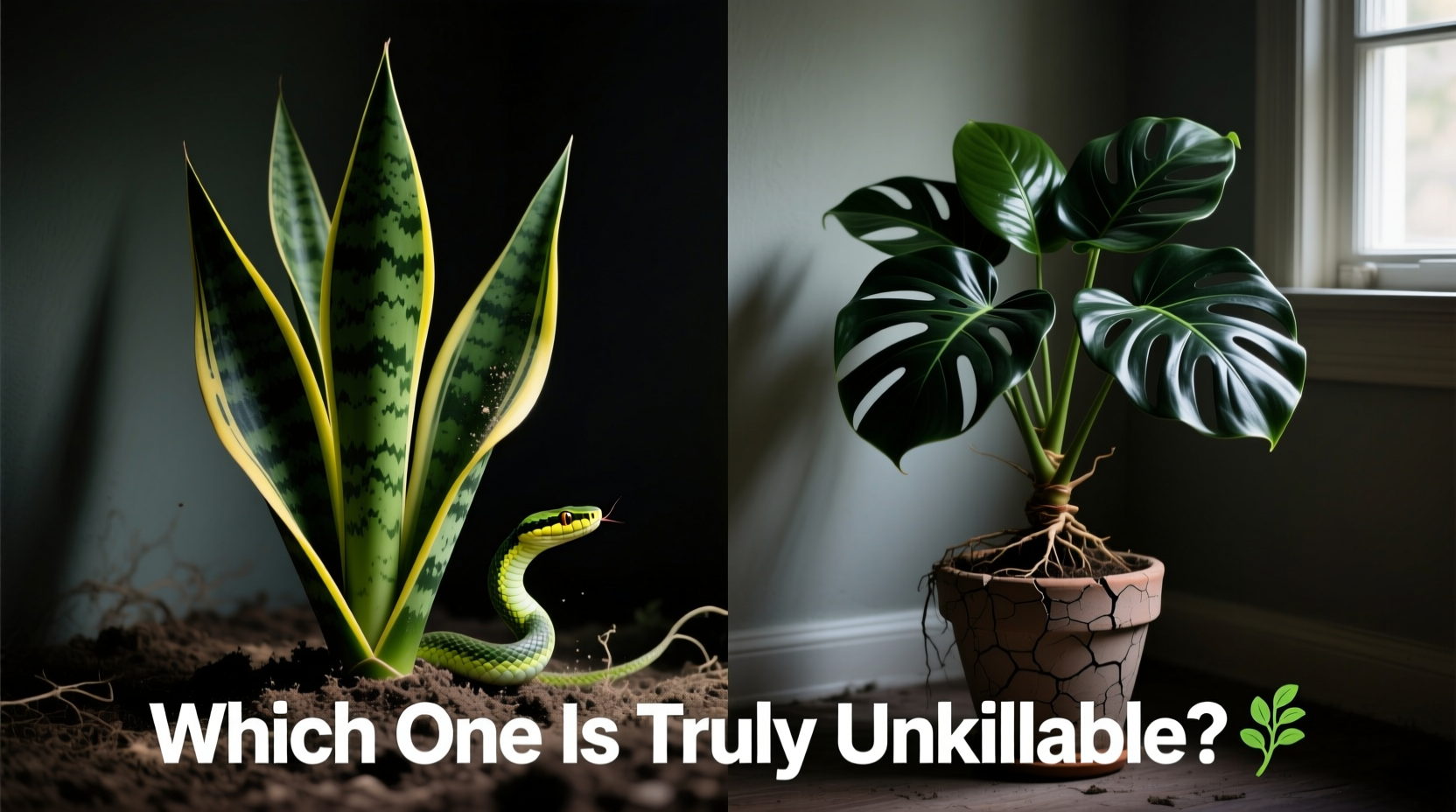
Low-light conditions don’t mean no light—they refer to areas with minimal natural sunlight, such as north-facing rooms, interior hallways, or spaces far from windows. In such environments, photosynthesis slows down significantly. Most plants struggle because they can’t produce enough energy to maintain growth and health.
Plants adapted to low light typically have evolved mechanisms to maximize light absorption and minimize water loss. They often feature thick, waxy leaves, slow metabolic rates, and efficient storage systems for water and nutrients. Both snake and ZZ plants fit this profile—but in different ways.
Tip: Even in low light, rotate your plant every few weeks to prevent lopsided growth caused by stretching toward the nearest light source.Anatomy of Resilience: Snake Plant (Sansevieria trifasciata)
The snake plant, formerly classified under Sansevieria and now reclassified as Dracaena trifasciata, is native to West Africa, where it grows in arid, rocky regions with seasonal rainfall. Its upright, sword-like leaves can reach up to 4 feet tall in mature specimens, though dwarf varieties are also available.
What makes the snake plant so resilient?
- CAM Photosynthesis: It uses Crassulacean Acid Metabolism, opening its stomata at night to reduce water loss—a crucial adaptation for dry environments.
- Rhizome Storage: Underground rhizomes store water and nutrients, allowing the plant to survive extended dry periods.
- Thick Cuticle: A waxy leaf coating reduces transpiration and protects against pests and fungi.
In low light, snake plants grow slowly but rarely decline unless overwatered. They can go weeks without watering and still maintain firm, upright foliage. Some cultivars, like ‘Laurentii’ or ‘Moonshine,’ may lose variegation in very dim settings, but the plant itself remains alive and functional.
“Snake plants are among the most forgiving indoor species. Their ability to purify air and tolerate abuse makes them ideal for beginners.” — Dr. Linda Chalker-Scott, Horticulture Extension Specialist, Washington State University
The ZZ Plant’s Secret Weapon: The Rhizome Network
Zamioculcas zamiifolia, commonly known as the ZZ plant, originates from eastern Africa, particularly Zanzibar. Unlike the snake plant, it features glossy, compound leaves that grow from a central stem, giving it a fuller, more tropical appearance despite its desert-like adaptations.
The key to the ZZ plant’s survival lies beneath the soil: a massive underground network of tuberous rhizomes. These structures act like biological reservoirs, storing water and nutrients for months at a time. This allows the ZZ plant to endure not only low light but also extreme drought and irregular feeding.
ZZ plants are especially effective in artificial lighting environments, such as offices with fluorescent lights. They grow even slower than snake plants in low light but show remarkable persistence. Yellowing leaves usually indicate overwatering rather than insufficient light.
Tip: If your ZZ plant stops producing new leaves, don’t assume it’s dead. It may simply be conserving energy—wait several weeks before making any drastic changes.Head-to-Head Comparison: Key Differences
| Feature | Snake Plant | ZZ Plant |
|---|---|---|
| Light Tolerance | Thrives in low to bright indirect light; tolerates near-darkness | Excellent in low light; survives under artificial office lighting |
| Water Needs | Water every 3–6 weeks; highly drought-tolerant | Water every 4–8 weeks; rhizomes store water efficiently |
| Growth Rate in Low Light | Very slow; may produce 1–2 new leaves per year | Extremely slow; may stall completely for months |
| Leaf Structure | Stiff, vertical, succulent-like leaves | Glossy, feather-shaped compound leaves |
| Pest Resistance | High; rarely affected by spider mites or mealybugs | Moderate; can attract scale if stressed |
| Toxicity | Toxic to pets if ingested (calcium oxalate crystals) | Also toxic; causes mouth irritation and vomiting in cats/dogs |
| Air Purification | Removes formaldehyde, benzene, xylene (NASA study) | Effective at filtering common indoor pollutants |
While both plants excel in low-light survival, the ZZ plant edges ahead in terms of sheer endurance during prolonged drought. However, the snake plant responds better to occasional exposure to brighter light, recovering faster from stress and showing more consistent leaf production.
Real-World Test: A Case Study in Office Neglect
In 2022, a small tech startup in Minneapolis placed both a medium-sized snake plant and a ZZ plant in their basement server room—an environment with no windows, constant artificial lighting, and infrequent human traffic. The team documented plant health over 18 months with no scheduled watering or maintenance.
Results:
- The snake plant lost two lower leaves in the first six months due to root rot (likely residual moisture from initial planting). After drying out, it stabilized and produced one new leaf at 14 months.
- The ZZ plant dropped all its original leaves within nine months but showed no signs of decay. At month 16, a single new shoot emerged from the base, indicating active rhizome survival.
This case illustrates a critical difference: while the snake plant shows visible signs of distress when conditions are poor, the ZZ plant may appear dead while still being biologically active underground. For those who panic at dropping leaves, the snake plant offers clearer feedback. For those seeking maximum forgiveness, the ZZ plant’s hidden resilience wins.
Care Guidelines for Long-Term Survival
Even the toughest plants need basic care to thrive over years. Here’s how to keep either plant alive—and technically thriving—in low-light corners:
- Use Well-Draining Soil: A cactus or succulent mix prevents water retention. Add perlite or pumice for extra drainage.
- Choose the Right Pot: Terracotta pots allow soil to dry faster than plastic or ceramic, reducing rot risk.
- Water Deeply, Then Wait: Soak the soil thoroughly, then wait until it’s completely dry (up to 2 inches down) before watering again.
- Avoid Cold Drafts: Temperatures below 50°F (10°C) can damage both plants, even if light levels are adequate.
- Dust the Leaves: Wipe leaves monthly with a damp cloth to remove dust, which blocks limited light absorption.
Common Mistakes That Kill “Unkillable” Plants
The irony is that both snake and ZZ plants are most often killed not by neglect, but by overattention. Common errors include:
- Overwatering: The number one cause of death. Soggy soil leads to root rot, which spreads silently until the plant collapses.
- Poor Drainage: Saucers left full of water after watering create a drowning effect, even in well-intentioned owners.
- Repotting Too Often: Both prefer to be slightly root-bound. Unnecessary repotting stresses the plant and increases moisture retention.
- Using Fertilizer Aggressively: Neither plant needs frequent feeding. Once or twice a year in spring/summer is sufficient.
Interestingly, the ZZ plant is slightly more vulnerable to overwatering than the snake plant due to its dense rhizome structure, which holds moisture longer. Once rot sets in, it spreads quickly through the tuber network.
Which Is Truly Unkillable? The Verdict
If survival were measured solely by ability to withstand total neglect—including no water for six months, near-total darkness, and temperature fluctuations—the **ZZ plant** takes the crown. Its underground rhizomes can remain dormant for extended periods, reviving when conditions improve.
However, if you value visible signs of life, easier diagnosis of problems, and slight tolerance for occasional brighter light, the **snake plant** is the more practical choice. It’s less mysterious, more responsive to care adjustments, and slightly harder to accidentally kill through overwatering.
In short:
- Choose the ZZ plant if: You want maximum resilience, won’t water regularly, and don’t mind waiting years for growth.
- Choose the snake plant if: You want a hardy plant with more visual presence, quicker recovery, and better air-purifying performance.
Frequently Asked Questions
Can either plant survive in a windowless bathroom?
Yes, both can survive in a windowless bathroom as long as there is artificial light (e.g., overhead lighting used daily). High humidity benefits both, but ensure ventilation to prevent fungal issues. The ZZ plant may perform slightly better due to its superior drought tolerance between showers.
Why are my snake plant’s leaves falling over?
This is usually a sign of overwatering or poor drainage. Check the soil—if it’s damp, stop watering immediately. Remove the plant from its pot and inspect roots for mushiness. Trim any rotted parts and repot in fresh, dry cactus mix.
Do ZZ plants ever grow in low light?
They grow extremely slowly—sometimes just one new stalk per year. Growth may stall entirely for months. As long as the rhizomes are firm and the plant isn’t rotting, it’s likely just conserving energy.
Final Checklist Before You Choose
- ✔ Assess Your Watering Habits
- Are you forgetful? Go ZZ. Do you tend to overwater? Snake plant is slightly more forgiving.
- ✔ Evaluate Light Levels
- No natural light? ZZ wins. Some indirect light? Either works, but snake plant may look healthier.
- ✔ Consider Aesthetics
- Want architectural vertical lines? Snake plant. Prefer lush, full foliage? ZZ plant.
- ✔ Think Long-Term
- Planning to travel often? ZZ’s drought tolerance makes it ideal. Want faster visual rewards? Snake plant produces new leaves more reliably.
Conclusion: Let the Corner Come Alive
The debate between snake plant and ZZ plant isn’t about finding a flawless champion—it’s about matching a plant’s strengths to your lifestyle. Both are extraordinary survivors, capable of enduring conditions that would kill most houseplants. But only one aligns perfectly with your habits, space, and expectations.
Don’t let the fear of failure keep your corners barren. Start with one plant, learn its rhythms, and let it teach you the quiet art of patient care. Whether you choose the stoic elegance of the snake plant or the silent endurance of the ZZ, you’re not just adding greenery—you’re cultivating resilience.
💬 Have a snake or ZZ plant thriving in a dark corner? Share your story in the comments—your experience could inspire someone else to try.








