
Traveling with your dog should be a seamless experience—but limited space in your car, airport carry-ons, or hiking backpack can make even short trips feel cramped. A bulky dog carrier often takes up more room than necessary, reducing mobility and increasing stress for both you and your pet. The key isn’t just choosing a smaller carrier; it’s about smart optimization. With thoughtful planning, strategic packing, and the right techniques, you can significantly reduce the spatial footprint of your dog carrier while maintaining comfort, safety, and convenience.
Choose the Right Carrier Design for Space Efficiency
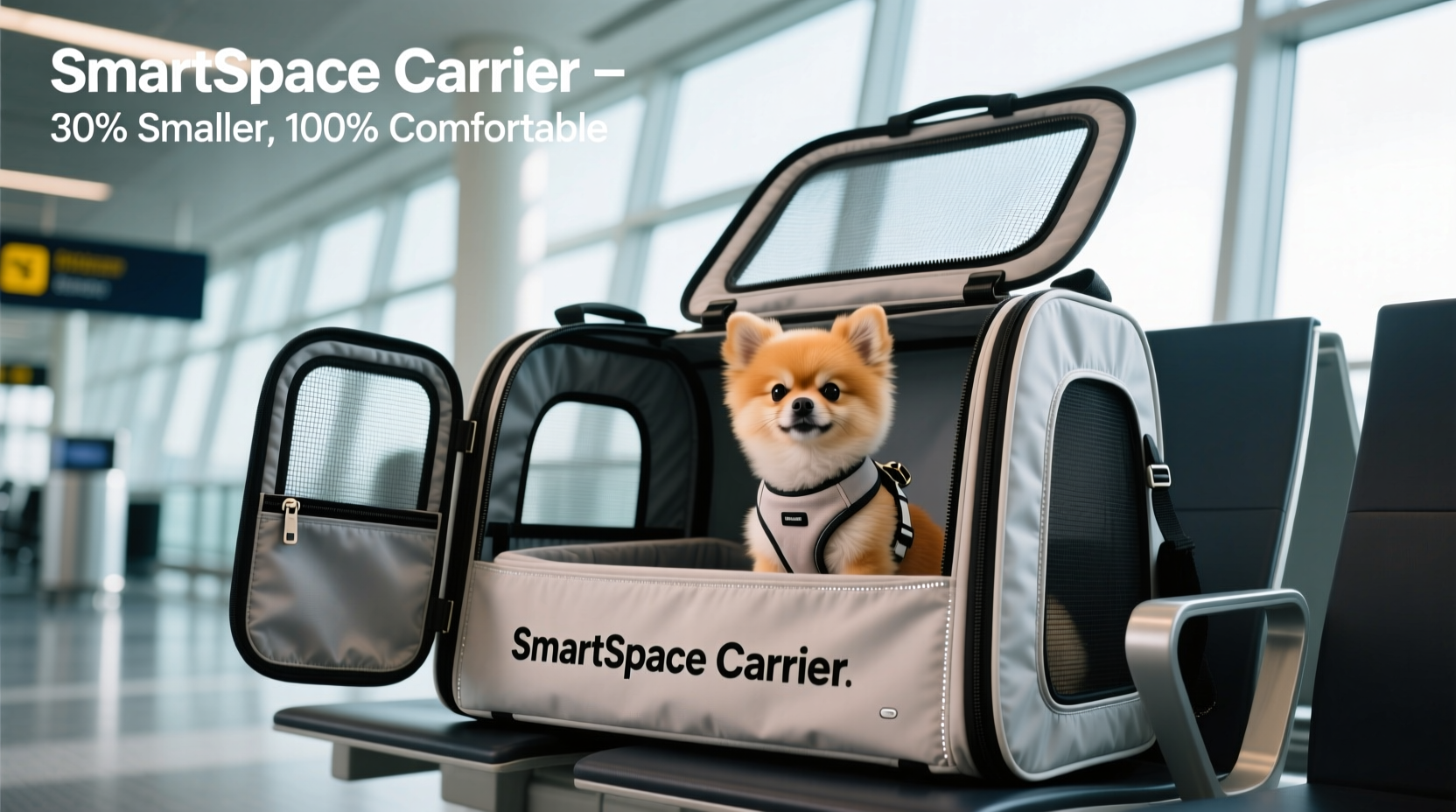
The foundation of space-saving lies in selecting a carrier that aligns with your travel needs. Not all carriers are created equal when it comes to compactness and adaptability. Rigid carriers offer structure and protection but take up fixed space. Soft-sided carriers, on the other hand, are collapsible, lighter, and easier to store when not in use. For frequent travelers, hybrid models—those with foldable frames or removable rigid bases—are ideal.
Consider carriers with features like:
- Flat-fold designs that collapse into a slim profile
- Removable padding or inserts for modular packing
- Side access zippers that eliminate the need to lift your dog overhead
- Carry-on compliance for air travel (meets IATA size standards)
Optimize Packing: What to Bring (and What to Leave Behind)
Overpacking is one of the biggest contributors to excess bulk. While it’s natural to want to bring everything your dog might need, every added item increases volume and weight. Streamlining essentials reduces both physical space and mental clutter during transit.
Focus on multipurpose items:
- A lightweight fleece liner doubles as a blanket and absorbent pad
- A collapsible silicone bowl saves space over rigid ones
- Small packets of wet food instead of full cans
- Mini first-aid kits tailored to pets
“Efficiency starts with intentionality. Ask yourself: will this item be used within the next 24 hours? If not, leave it behind.” — Dr. Lena Patel, Veterinary Travel Consultant
Packing Checklist: Essentials Only
- Leash and collar with ID tags
- One toy for comfort (preferably flat or soft)
- Collapsible water bowl
- Emergency contact card with vet info
- Waste bags (rolled tightly)
- Medications in labeled containers
- Lightweight blanket or shirt with home scent
Maximize Internal Space with Smart Layouts
How you arrange items inside the carrier has a major impact on available room. Poor organization leads to inefficient use of cubic inches, making the carrier feel tighter than it needs to be.
Use vertical space wisely. Instead of stacking items haphazardly, place flat objects along the base and sides. Attach small pouches or mesh pockets to interior walls for quick-access items like treats or tissues. Avoid placing bulky toys or food containers directly in front of your dog’s face—this restricts airflow and movement.
| Do | Don’t |
|---|---|
| Use vacuum-sealed bags for extra clothing or bedding | Pack full-sized water bottles inside the carrier |
| Roll towels or blankets tightly and tuck into side panels | Place hard toys where they block ventilation |
| Store documents in a slim sleeve clipped to the handle | Overfill external pockets, causing them to bulge |
Real-World Example: The Weekend Hiker’s Solution
Sarah, an avid hiker from Colorado, struggled with her 15-pound terrier mix during trail trips. Her original soft carrier was comfortable but too large to fit efficiently in her backpack. After researching ultralight travel gear, she switched to a minimalist, frame-supported dog carrier designed for outdoor use. She removed non-essential padding, packed only a folded microfiber towel, a two-serving food bag, and a tiny first-aid kit. By using a hydration bladder clipped externally (feeding water through a small port), she eliminated the need for a separate water bottle inside.
The result? She reduced the carrier’s packed volume by nearly 40%, freeing up space for additional hiking gear. More importantly, her dog remained calm and cool thanks to improved airflow and a familiar-smelling towel. Sarah now recommends this setup to fellow pet-owning adventurers.
Step-by-Step Guide to Minimizing Your Dog Carrier’s Footprint
Follow this sequence before each trip to ensure optimal space usage:
- Empty and inspect the carrier – Remove all contents and check for wear, loose stitching, or odor buildup.
- Measure available transport space – Whether it’s under an airplane seat or in your trunk, know your limits.
- Select only mission-critical items – Stick to the checklist; avoid “just in case” additions.
- Roll or compress soft goods – Use compression sacks or rubber bands to minimize fabric bulk.
- Arrange items around your dog—not on top – Keep the central area clear and unobstructed.
- Test fit with your dog inside – Ensure there’s enough headroom and that ventilation remains unblocked.
- Fold or disassemble post-trip – If storing, collapse the carrier and keep it in a dry, ventilated area.
Frequently Asked Questions
Can I use a smaller carrier to save space?
You can only downsize if the carrier still allows your dog to stand, turn around, and lie down comfortably. Never compromise safety or comfort for compactness. Measure your dog and compare with manufacturer guidelines before switching sizes.
How do I keep my dog calm in a tighter space?
Familiar scents help. Place a worn T-shirt or small blanket with home smells inside the carrier. Practice short indoor sessions so your dog associates the optimized setup with security, not confinement.
Are foldable carriers safe for air travel?
Some are, but not all. Check with your airline’s pet policy. Look for carriers certified by IATA (International Air Transport Association) and reinforced with rigid panels, even if collapsible. Always secure your dog with a harness tether inside the cabin.
Final Thoughts: Travel Light, Travel Smart
Reducing the space your dog carrier occupies doesn’t mean cutting corners—it means being intentional. Every decision, from the model you choose to the way you fold a blanket, contributes to a smoother journey. When you prioritize function without sacrificing well-being, both you and your dog benefit from greater freedom, less fatigue, and more enjoyable adventures.
💬 What’s your go-to trick for saving space with your dog carrier? Share your tip in the comments and help fellow pet travelers travel smarter!








