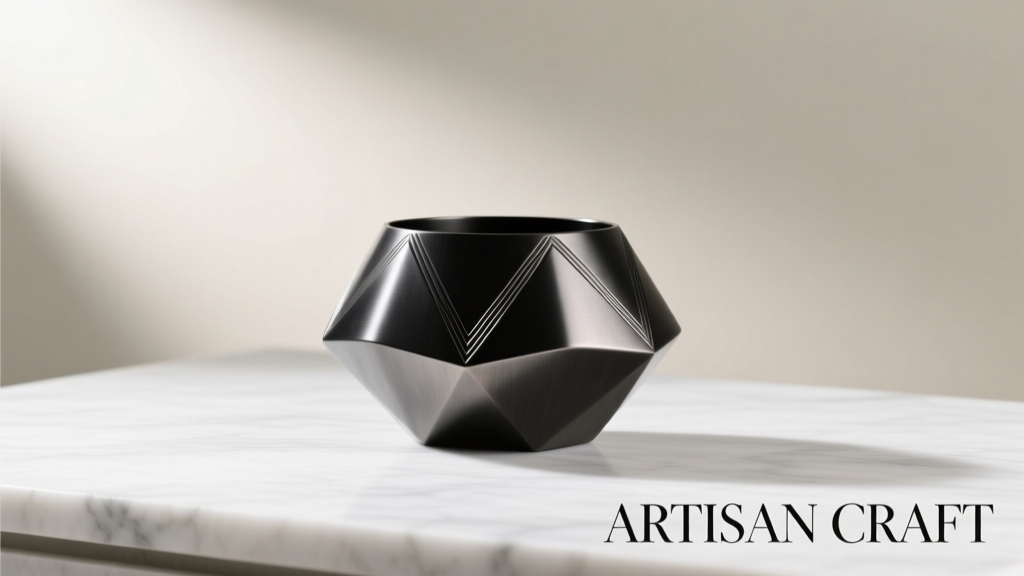
Types of Small Pet Dishes
Choosing the right pet dish is essential for your small animal's health, hygiene, and comfort. Whether you have a hamster, guinea pig, rabbit, bird, or gerbil, the type of food and water dish you select impacts feeding efficiency, cleanliness, and mess control. From basic bowls to gravity-fed systems and hanging designs, each style offers unique benefits tailored to different species and lifestyles.
Food Dishes
Specially designed shallow bowls that safely hold dry or fresh food while minimizing spillage during meals.
Advantages
- Prevents food from scattering across the enclosure
- Flat, stable base reduces tipping risk
- Available in multiple materials for varied durability and weight needs
- Ideal for portion control and reducing waste
Limitations
- May require frequent refilling for larger eaters
- Open design can allow bedding or debris to enter
- Plastic versions may scratch or degrade over time
Best for: Hamsters, rabbits, guinea pigs, and birds needing secure, accessible feeding stations
Water Dishes
Shallow, easy-to-clean bowls that provide constant access to fresh drinking water.
Advantages
- Simple design allows quick drinking access
- Easy to clean and refill daily
- Available in spill-resistant ceramic or durable stainless steel
- Encourages natural drinking behavior in many species
Limitations
- Can be tipped over by active pets
- More prone to contamination from bedding or food
- Requires frequent monitoring and cleaning
Best for: Calm or small animals like dwarf hamsters, young guinea pigs, and baby birds
Food and Water Combo Dishes
Dual-compartment units that combine feeding and hydration in a single, space-saving design.
Advantages
- Maximizes limited enclosure space
- Reduces clutter and simplifies cleaning routine
- Separate compartments keep food dry and water clean
- Versatile for various small pets and cage types
Limitations
- May not hold enough for high-consumption pets
- Limited adjustability in size or placement
- Potential cross-contamination if poorly designed
Best for: Multi-purpose enclosures, travel carriers, or compact habitats
Gravity-Fed Bowls
Self-refilling systems that use a reservoir to automatically replenish food or water as needed.
Advantages
- Provides continuous supply without daily refills
- Minimizes spills and maintains cleaner surroundings
- Ideal for busy owners or multi-pet setups
- Promotes pet independence and consistent access
Limitations
- Higher initial cost and setup complexity
- Requires regular deep cleaning to prevent algae or clogs
- Not suitable for wet or sticky foods
Best for: Mice, gerbils, hamsters, and birds needing reliable, long-term hydration or feeding
Hanging Feeders and Dishes
Mountable containers that attach securely to cage bars, saving floor space and reducing mess.
Advantages
- Prevents tipping, kicking, or burying of food/water
- Keeps contents clean and accessible
- Great for messy or burrowing animals
- Adjustable height options support growing pets
Limitations
- Installation may require compatible cage design
- Limited capacity compared to floor models
- May restrict movement if poorly positioned
Best for: Birds, small primates, and wire-cage dwellers like rabbits or chinchillas
| Type | Mess Control | Durability | Best Material | Ideal For |
|---|---|---|---|---|
| Food Dishes | Good | Varies by material | Ceramic or Stainless Steel | Pets needing secure feeding |
| Water Dishes | Fair | High (stainless/ceramic) | Stainless Steel | Small, calm animals |
| Combo Dishes | Very Good | Medium to High | Stainless Steel | Space-limited enclosures |
| Gravity-Fed Bowls | Excellent | High | Plastic with Steel Base | Busy owners, frequent hydration needs |
| Hanging Dishes | Excellent | High | Stainless Steel or Heavy Plastic | Messy eaters, wire cages |
Expert Tip: For optimal hygiene, clean all pet dishes daily with mild soap and warm water. Stainless steel and ceramic are easiest to sanitize, while plastic may harbor bacteria over time—replace scratched or cloudy plastic dishes regularly to maintain health and safety.
Essential Features of a Small Pet Dish: Choosing the Right Bowl for Your Furry Friend
Feeding your small pet—whether a hamster, guinea pig, rabbit, or mouse—starts with selecting the right food and water dish. A well-designed pet bowl not only ensures proper nutrition and hydration but also contributes to your pet’s safety, comfort, and hygiene. Understanding the key features of small pet dishes helps you make informed decisions that support your pet’s health and daily routine.
1. Material: Balancing Safety, Strength, and Style
The material of a pet dish plays a crucial role in durability, safety, and ease of maintenance. Common materials include stainless steel, plastic, and ceramic, each offering unique advantages depending on your pet’s species and behavior.
Stainless Steel
Highly durable and resistant to chewing, scratching, and tipping, stainless steel is ideal for active or strong-jawed small animals like rabbits or chinchillas. It’s non-porous, preventing bacteria buildup, and easy to sanitize. Its lightweight yet sturdy nature makes it perfect for both food and water bowls.
Plastic
Lightweight and affordable, plastic bowls are widely used for small pets such as hamsters and gerbils. Available in various colors and shapes, they can match cage décor. However, lower-quality plastics may scratch easily, harbor bacteria, or be chewed through by determined rodents. Opt for BPA-free, thick-walled plastic for better longevity.
Ceramic
Heavier and more stable than plastic, ceramic bowls resist tipping and chewing. They often feature attractive designs, making them a stylish addition to your pet’s habitat. Ensure the glaze is lead-free and non-toxic. While durable under normal use, ceramic can crack or shatter if dropped, so handle with care during cleaning.
2. Size and Capacity: Matching Bowl to Pet
Choosing the correct size ensures your pet can access food and water comfortably without spilling or overfilling. Smaller animals like mice and dwarf hamsters require shallow, compact bowls that fit easily in tight spaces. Larger pets such as rabbits or guinea pigs benefit from deeper, wider dishes that hold more food and reduce frequent refills.
A bowl that’s too large may be difficult for tiny pets to reach into, while one that’s too small can lead to messes and inadequate hydration. Consider your pet’s eating habits—some animals scatter food, so a slightly taller rim can help contain spills.
3. Non-Slip Base: Stability for Safer Mealtimes
Many small pets tend to push or paw at their bowls, leading to spills and frustration. A non-slip base—achieved through rubber rings, textured undersides, or weighted designs—keeps the dish securely in place during feeding.
This feature is especially beneficial for energetic animals like rats or rabbits that may nudge or flip lightweight containers. A stable bowl reduces waste, maintains cage cleanliness, and encourages consistent drinking and eating habits.
4. Easy to Clean: Promoting Hygiene and Health
Regular cleaning is essential to prevent bacterial growth, mold, and residue buildup. Bowls with smooth surfaces and minimal crevices are easier to scrub by hand or in a dishwasher. Stainless steel and glazed ceramic are naturally hygienic and dishwasher-safe, while some high-quality plastics can also withstand machine washing.
Dishwasher-safe options save time and ensure thorough sanitation, especially important for water bowls where algae can form quickly. Removable stands or mounting clips should also be cleaned regularly to avoid contamination.
5. Durability: Built to Withstand Daily Use
Small pets, especially rodents, have a natural instinct to chew. A durable bowl resists gnawing, scratching, and impact damage, ensuring long-term usability and safety. Stainless steel excels in durability, maintaining integrity even under persistent chewing.
Ceramic offers a sturdy, chew-resistant option but must be handled carefully to avoid breakage. While plastic is the least durable, choosing thick, reinforced models can extend its lifespan. Investing in a long-lasting dish reduces replacement costs and prevents potential ingestion of broken fragments.
| Feature | Best For | Tips for Selection |
|---|---|---|
| Material | All pets | Choose stainless steel for chewers; ceramic for stability; BPA-free plastic for budget-friendly options |
| Size & Capacity | Species-specific | Small, shallow bowls for mice/hamsters; deeper, wider ones for rabbits/guinea pigs |
| Non-Slip Base | Active or large pets | Look for rubber feet or weighted bottoms to prevent tipping |
| Easy to Clean | All pets | Select dishwasher-safe, smooth-surface bowls to maintain hygiene |
| Durability | Chewers (rabbits, chinchillas) | Prioritize stainless steel or heavy ceramic; avoid thin plastic |
Important: Always inspect pet dishes regularly for cracks, sharp edges, or signs of wear—especially in plastic and ceramic bowls. Damaged dishes can pose choking hazards or injure your pet’s mouth. Replace worn bowls promptly and clean all dishes daily to support your small pet’s health and well-being.
What to Consider When Buying Small Pet Dishes
Choosing the right food and water dishes for small pets is more than just convenience—it directly impacts their health, hygiene, and overall well-being. From hamsters and guinea pigs to rabbits and small rodents, each pet has unique feeding behaviors and environmental needs. The ideal dish balances durability, stability, ease of cleaning, and compatibility with your pet’s size and habits.
Material: Matching Durability to Pet Behavior
The material of a pet dish plays a crucial role in longevity and safety. Different materials suit different species based on chewing tendencies, spill frequency, and maintenance needs.
- Stainless Steel: Highly durable and resistant to chewing, making it ideal for rodents like hamsters and gerbils that may gnaw on containers. Resists rust and is easy to sanitize.
- Plastic: Lightweight and affordable, suitable for very small pets such as mice or young rats. However, prone to scratching and bacterial buildup over time.
- Ceramic: Heavy and stable, perfect for larger small pets like rabbits and guinea pigs. Less likely to tip over, though can break if dropped.
Key tip: Avoid soft plastics with aggressive chewers—opt for chew-proof stainless steel instead.
Size and Capacity: Right Fit for Your Pet
Selecting the correct dish size ensures your pet can access food comfortably while minimizing waste and mess.
- Small rodents (e.g., dwarf hamsters, mice) thrive with shallow, compact dishes (1–2 oz capacity) that fit easily in tight enclosures.
- Larger pets like guinea pigs or rabbits benefit from wider, deeper bowls (4–8 oz) to hold ample hay, pellets, or fresh vegetables.
- Water dishes should be large enough to prevent frequent refills but not so large that they become difficult to clean or tip-prone.
Pro tip: Measure your pet’s enclosure space before purchasing to ensure proper fit and accessibility.
Feeding Behavior: Design for Cleanliness and Comfort
Observing how your pet eats helps determine the best dish shape and style to reduce mess and encourage healthy eating habits.
- For messy eaters (common in dwarf hamsters or young rats), choose deep bowls or those with raised edges to contain food scatter.
- Flat, wide dishes work well for neat eaters or herbivores who nibble hay and greens throughout the day.
- Some pets benefit from splash guards or corner-mounted feeders that minimize displacement during active feeding.
Behavioral insight: Nocturnal animals may prefer easily locatable dishes with tactile edges for nighttime use.
Stability and Weight: Preventing Spills and Tipping
Unstable dishes lead to spilled food, wasted resources, and unhygienic cage conditions. Stability is especially important for active or burrowing pets.
- Heavier ceramic or weighted stainless steel bowls resist tipping when pushed or climbed on.
- Dishes with non-slip rubber bases stay in place even on smooth surfaces or during digging behavior.
- Mountable or clip-on designs (e.g., cage-side feeders) provide excellent stability and save floor space.
Critical factor: Test the bowl by gently nudging it—ideal dishes should remain upright under light pressure.
Ease of Cleaning: Promoting Health and Hygiene
Regular cleaning prevents bacterial growth, mold, and odor buildup—key to maintaining your pet’s health.
- Ceramic and stainless steel are non-porous and easy to scrub, resisting stains and odors.
- Avoid textured or heavily contoured plastic dishes, which can trap food particles in crevices.
- Dishwasher-safe options (especially stainless steel) simplify routine sanitation—check manufacturer guidelines first.
- Removable parts or modular designs make thorough cleaning more manageable.
Hygiene note: Clean food and water dishes daily; perform deep cleaning weekly.
Special Considerations by Species
Different small pets have distinct needs based on anatomy, diet, and natural behaviors.
- Hamsters: Prefer shallow, wide dishes they can nose into; secure placement prevents bedding contamination.
- Guinea Pigs: Need heavy, stable bowls to handle their size and appetite; ceramic works best.
- Rabbits: Benefit from large, low-entry bowls for hay and pellets; avoid narrow openings.
- Mice & Rats: Do well with small stainless steel cups or shallow dishes mounted at accessible heights.
Veterinarian insight: Improper feeding setups can lead to dental issues or nutritional imbalances in small herbivores.
Expert Recommendation: For most small pets, a high-quality stainless steel or glazed ceramic dish offers the best balance of safety, durability, and ease of maintenance. Prioritize stability and cleanability over aesthetics. When in doubt, choose a simple, rounded, non-tip design that matches your pet’s size and feeding style.
| Pet Type | Recommended Material | Optimal Size (Capacity) | Special Features |
|---|---|---|---|
| Dwarf Hamster | Stainless Steel | 1–2 oz, shallow | Non-slip base, chew-resistant |
| Syrian Hamster | Ceramic or Steel | 3–4 oz, medium depth | Weighted bottom, smooth interior |
| Guinea Pig | Glazed Ceramic | 6–8 oz, wide opening | Heavy base, easy-access rim |
| Rabbit (Small Breed) | Ceramic or Plastic-Free Steel | 8+ oz, low-profile | Spill-proof, wide surface for hay |
| Mice / Young Rats | Stainless Steel Cup | 1–2 oz, compact | Mountable, dishwasher-safe |
Additional Tips for Optimal Feeding Setup
- Location Matters: Place dishes away from bedding areas to reduce contamination from urine or feces.
- Multiple Stations: For multi-pet enclosures, use duplicate dishes to prevent competition and ensure equal access.
- Avoid Toxic Coatings: Ensure ceramic dishes are lead-free and use non-toxic glazes—especially important for pets that may lick the surface.
- Water Dish vs. Bottle: While bottles reduce spillage, some pets prefer lapping from a dish. Offer both if needed and monitor hydration.
- Inspect Regularly: Check for cracks, warping, or sharp edges—replace damaged dishes immediately to prevent injury.
Scenarios in Which Small Pet Dishes Are Used
Small pet dishes play a vital role in the daily care and well-being of animals such as hamsters, guinea pigs, rabbits, ferrets, and other small mammals. Designed for functionality, hygiene, and safety, these dishes are tailored to fit various environments and needs. From permanent indoor habitats to emergency situations, the right pet dish ensures consistent access to food and water while minimizing mess and contamination. This guide explores the most common and critical scenarios where small pet dishes are essential, helping pet owners make informed choices based on their pet’s lifestyle and environment.
1. Indoor Pet Housing
Inside cages, terrariums, or custom-built habitats, small pet dishes provide reliable access to food and fresh water. These compact containers are specifically sized to fit within confined spaces without obstructing movement or reducing living area. Common options include shallow trays, corner-mounted bowls, or clip-on feeders that stay securely in place.
Materials such as stainless steel, food-grade plastic, and glazed ceramic are preferred for their durability and ease of cleaning. Stainless steel resists bacterial growth and is dishwasher-safe, while ceramic adds weight to prevent tipping. Plastic dishes are lightweight and ideal for younger or less active pets. Many indoor setups use a small pet food tray and bowl set, which allows for separate compartments for dry food and hydration, promoting better nutrition and cleanliness.
Pro Tip: Choose low-profile dishes for rodents and small mammals to prevent bedding from being kicked into the food, reducing waste and contamination.
2. Outdoor Enclosures
For pets housed in outdoor hutches or secure runs—such as rabbits, guinea pigs, or chinchillas—durable, weather-resistant dishes are essential. Outdoor environments expose feeding equipment to rain, wind, temperature fluctuations, and even larger wildlife interference. Therefore, outdoor pet dishes are constructed from rugged materials like UV-stabilized plastic, galvanized metal, or heavy-duty ceramic.
Hanging bowls and gravity-fed waterers (often called “sipper bottles” or “crystal waterers”) are popular choices because they minimize spillage and keep contents clean. Some advanced models feature drip-proof valves and insulated bases to prevent freezing in colder climates. These designs ensure pets have continuous access to fresh food and water, even when owners cannot refill frequently.
Outdoor setups benefit from elevated or wall-mounted dishes to avoid contact with damp ground, dirt, and fecal matter, significantly reducing the risk of bacterial infections and parasites.
3. Temporary Housing and Travel
When pets are on the move—whether for vet visits, vacations, or relocation—portable feeding solutions become crucial. Lightweight, spill-resistant dishes made from flexible yet sturdy plastics are ideal for travel carriers and temporary enclosures. Clip-on or suction-cup models attach securely to cage walls, preventing displacement during transit.
In emergency situations—such as natural disasters or power outages—compact, easy-to-store dishes allow caregivers to quickly set up feeding stations. Collapsible silicone bowls and foldable trays are excellent for emergency kits due to their space-saving design. These portable options often come as part of a pet food dish set, including both food and water containers, ensuring balanced care during unexpected disruptions.
Safety Note: Always secure travel dishes to prevent choking hazards or injury during sudden movements. Avoid glass or brittle ceramics in mobile settings.
4. Veterinary and Boarding Facilities
In clinical or boarding environments, hygiene, durability, and identification are top priorities. Veterinary clinics and pet hotels commonly use stainless steel bowls because they are non-porous, easy to sterilize, and resistant to chewing or tipping. Their smooth surfaces inhibit bacterial buildup, making them ideal for sick, post-surgical, or immunocompromised animals.
Heavy ceramic or weighted plastic dishes are used for pets prone to digging or pushing bowls around, preventing spills and maintaining a calm environment. Many facilities personalize dishes with labels or color-coding systems to distinguish between patients or boarding guests, especially when multiple animals are housed nearby.
Well-designed feeding stations contribute to a stress-free experience, helping pets feel secure and cared for during their stay away from home.
5. Special Feeding Needs
Certain pets require specialized feeding support due to age, medical conditions, or dietary restrictions. For senior animals, recovering patients, or those with dental issues, shallow or elevated dishes can ease access and reduce strain. Divided bowls or combo trays allow caregivers to separate medications, supplements, or different food types (e.g., wet vs. dry) within a single unit.
Pets with allergies or sensitivities benefit from hypoallergenic materials such as medical-grade stainless steel or lead-free ceramic, which prevent chemical leaching and skin reactions. Some owners opt for elevated feeders to aid digestion in prone breeds or those with gastrointestinal concerns.
A well-chosen small pet food tray and bowl set can be instrumental in managing complex feeding regimens, ensuring precise portion control and minimizing cross-contamination between food types.
| Usage Scenario | Recommended Dish Type | Key Features | Ideal Materials |
|---|---|---|---|
| Indoor Housing | Shallow tray, corner bowl, clip-on feeder | Compact, easy to clean, spill-resistant | Stainless steel, ceramic, food-safe plastic |
| Outdoor Enclosures | Hanging bowl, gravity-fed waterer | Weatherproof, elevated, tamper-resistant | UV-resistant plastic, galvanized metal, ceramic |
| Travel & Emergency Use | Foldable, clip-on, suction-mounted | Lightweight, portable, secure fit | Silicone, flexible plastic |
| Veterinary/Boarding | Stainless steel, weighted bowl | Durable, hygienic, hard to tip | Stainless steel, heavy ceramic |
| Special Dietary Needs | Divided tray, elevated feeder | Customizable, hypoallergenic, ergonomic | Lead-free ceramic, medical-grade steel |
Expert Tip: Regularly inspect all pet dishes for cracks, wear, or residue buildup. Replace damaged dishes immediately to prevent bacterial growth or ingestion of harmful fragments, especially in plastic models.
Final Recommendations
- Match the dish type to your pet’s species, size, and behavior (e.g., chewers vs. calm eaters)
- Opt for dishwasher-safe materials to simplify cleaning and disinfection
- Use labeled or color-coded dishes in multi-pet households or facilities
- Inspect water bottles and gravity feeders weekly for clogs or leaks
- Introduce new dishes gradually to avoid feeding stress in sensitive animals
Selecting the right small pet dish is more than a convenience—it's a critical component of responsible pet care. By understanding the specific demands of each environment, owners can ensure their pets receive consistent, safe, and hygienic access to nutrition and hydration. Whether at home, on the go, or under professional care, the appropriate feeding solution supports health, comfort, and peace of mind.
Frequently Asked Questions About Small Pet Dishes
Q1: Which material works best for small pet dishes?When choosing a material for small pet dishes, it's important to consider durability, safety, and ease of cleaning. The three most common options—stainless steel, plastic, and ceramic—each offer unique benefits:
- Stainless Steel: Highly durable and resistant to chewing, scratching, and bacterial growth. Ideal for pets that are rough with their dishes. It’s also non-porous, so it won’t absorb odors or stains, making it a top choice for hygiene.
- Plastic: Lightweight and affordable, making it a popular option for budget-conscious owners. However, lower-quality plastic can scratch easily, harboring bacteria over time. Look for BPA-free, food-grade plastic if choosing this material.
- Ceramic: Heavier and more stable, which helps prevent tipping. Many ceramic dishes are glazed for easy cleaning and come in attractive designs. Ensure they are lead-free and microwave-safe if you plan to warm food. Best suited for calm eaters due to their weight and fragility if dropped.
For small pets like hamsters, guinea pigs, or young rabbits, stainless steel is often recommended for its balance of safety, longevity, and cleanliness.
Q2: Why is the non-slip base important for small pet dishes?A non-slip base is a crucial feature in small pet dishes because it enhances stability and prevents unwanted movement during feeding. Here’s why it matters:
- Prevents Tipping: Small pets often push or dig at their food and water containers, especially when excited or exploring. A rubberized or silicone base keeps the dish firmly in place.
- Reduces Waste: When dishes slide around, food spills and water splashes out, leading to mess and potential waste—especially important when feeding premium or limited diets.
- Promotes Hygiene: Spilled food can attract pests or mold, while wet bedding increases the risk of respiratory issues in small animals. A stable dish helps maintain a clean, dry living environment.
- Suitable for All Sizes: Even larger small pets like adult guinea pigs or rabbits benefit from non-slip bases, as they tend to nudge or paw at their dishes while eating.
Dishes with textured or weighted bottoms provide added security, ensuring consistent access to nourishment without disruption.
Q3: How big should a small pet dish be?Selecting the right size dish is essential for comfort, accessibility, and minimizing mess. The ideal dimensions depend on your pet’s species, age, and eating habits:
- Small Pets (e.g., hamsters, mice, dwarf rabbits): Use shallow, compact bowls (1–2 inches in diameter) that allow easy access without requiring stretching or climbing.
- Medium-Sized Pets (e.g., guinea pigs, standard rabbits): Opt for wider, slightly deeper dishes (2–3 inches across) to hold sufficient food and water without frequent refills.
- Height & Depth: The rim should be low enough for your pet to reach comfortably but deep enough to prevent spillage. For water bowls, ensure the depth allows lapping without submerging the nose.
- Multiple Dishes: Consider separate containers for dry food, fresh veggies, and water to encourage variety and prevent contamination.
Proper sizing supports natural feeding behaviors and reduces stress, contributing to overall well-being.
Q4: What are some features of small pet dishes for messy eaters?Messy eaters—especially young or energetic pets—can benefit greatly from specially designed dishes that contain food and water more effectively. Key features include:
- Deep or Shielded Bowls: Higher sides help trap pellets, vegetables, and liquids, reducing scatter during feeding.
- Wide Bases with Edges: Some dishes feature a raised outer rim or lip that acts as a splash guard, keeping food contained within the enclosure.
- Covered or Tunnel-Style Feeders: Ideal for rodents, these partially enclosed designs limit access to one pet at a time and reduce hoarding or scattering behavior.
- Stainless Steel Construction: Smooth, non-porous surfaces make cleanup easier and discourage bacterial buildup from trapped moisture or food residue.
- Mountable or Clip-On Options: Attaching the dish to the cage wall saves floor space and further prevents tipping or bedding contamination.
These features are especially helpful for young animals still learning to eat neatly, as well as active breeds prone to digging or pushing their dishes around.
Q5: Are small pet dishes dishwasher-safe?Many modern small pet dishes are designed to be dishwasher-safe, which simplifies cleaning and promotes better hygiene. However, not all materials or models are suitable for the dishwasher:
- Stainless Steel & High-Quality Ceramic: Generally safe for the top rack of the dishwasher, where heat and water pressure are less intense. These materials resist warping and cracking under high temperatures.
- Plastic Dishes: Check manufacturer guidelines—some may warp or degrade over time with repeated dishwasher use, especially if exposed to high heat.
- Non-Slip Bases: Rubber or silicone bottoms may deteriorate faster in the dishwasher. Hand washing is recommended for dishes with glued-on bases.
- Design Features: Look for seamless, smooth designs without crevices where food particles or bacteria can accumulate. Rounded corners and open rims are easier to clean thoroughly.
Regular cleaning—whether by hand or dishwasher—is vital to prevent mold, bacteria, and odor buildup, helping keep your pet healthy and their habitat fresh. Always inspect dishes for wear and replace them if cracks or scratches appear.









