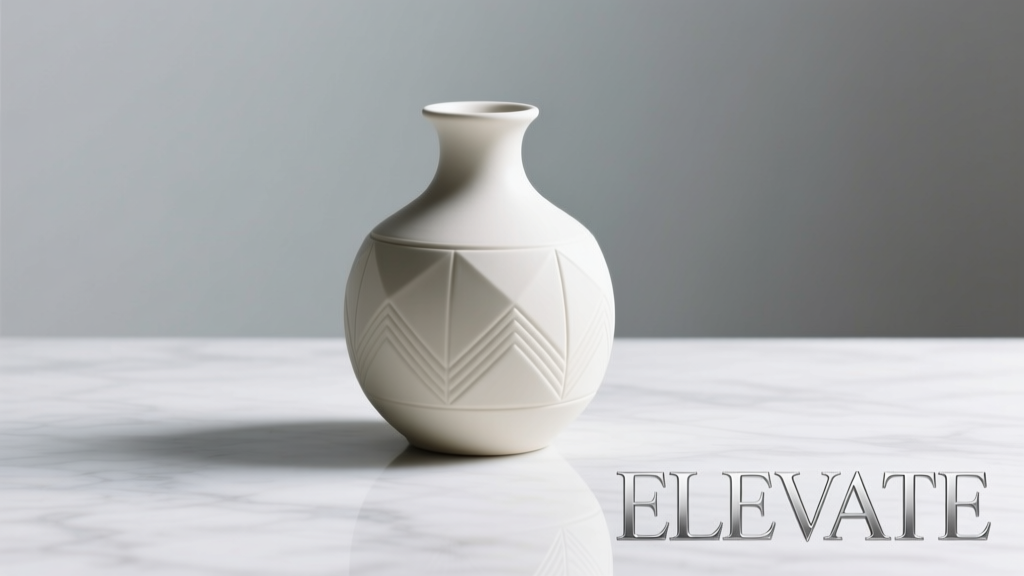
Types of Small Fruit Bowls: Function, Style, and Material Guide
Small fruit bowls are more than just functional kitchenware—they blend practicality with aesthetic appeal, enhancing both food presentation and home decor. While traditionally used for holding fresh fruit, modern designs have evolved to serve multiple purposes, from washing and serving to decorative display. The contemporary market offers a wide variety of small fruit bowls, each tailored to specific culinary needs, materials, and design preferences.
Berry Bowls
Specially designed for delicate fruits like strawberries, blueberries, grapes, and cherries, berry bowls feature a dual-container system: a slotted inner colander for rinsing and a solid outer bowl for holding. This smart design allows excess water to drain away, preventing fruit from becoming soggy or crushed.
Advantages
- Efficient rinsing and draining in one unit
- Protects delicate fruits from damage
- Doubles as a serving bowl after washing
- Available in matching sets for organized storage
Limitations
- Limited to small, washable fruits
- May take up more space than single bowls
- Plastic versions may retain odors over time
Best for: Daily fruit prep, households with children, health-conscious eaters
Chip and Dip Bowls
Though named for savory snacks, chip and dip bowls are highly versatile for serving fruit salads, yogurt parfaits, or fruit with dips like chocolate or nut butter. These bowls feature a large outer bowl and a smaller inner cup—perfect for portion control and presentation.
Advantages
- Great for portioned servings and party platters
- Keeps dip separate from fruit until serving
- Stylish addition to dining tables and buffets
- Individual bowls can be used separately
Limitations
- Inner bowl may shift if not secured
- Not ideal for very juicy fruits
- Custom designs may be pricier
Best for: Entertaining, snack stations, themed gatherings, and creative fruit pairings
Pasta Bowls
Characterized by their wide, shallow design and raised rim, pasta bowls are excellent for serving saucy dishes—but they’re also ideal for fruit salads, grain bowls, and desserts. Their shape allows for even distribution of dressings or sauces without spillage.
Advantages
- Spill-resistant design with high rim
- Perfect for mixed fruit salads with dressings
- Available in ceramic, glass, and stainless steel
- Microwave and dishwasher safe (depending on material)
Limitations
- Shallow depth may not suit large fruit portions
- Can be bulky for small kitchens
- Not stackable in some designs
Best for: Family meals, fruit salads, brunch dishes, and multi-use kitchenware
Ceramic Fruit Bowls
Renowned for their elegance and durability, ceramic fruit bowls come in endless styles—from glossy minimalist designs to hand-painted decorative pieces. They are a favorite for both everyday use and special occasions.
Advantages
- Available in a vast range of colors, patterns, and finishes
- Durable and long-lasting with proper care
- Often microwave and dishwasher safe
- Eco-friendly and recyclable material
Limitations
- Can chip or crack if dropped
- Heavier than plastic or wood alternatives
- Porous glazes may stain over time
Best for: Kitchen counters, dining tables, gift-giving, and decorative displays
Wooden Fruit Bowls
Exuding warmth and rustic charm, wooden fruit bowls bring a natural aesthetic to any space. Crafted from sustainable hardwoods like acacia, bamboo, or walnut, these bowls are often hand-carved, making each piece unique.
Advantages
- Natural, eco-friendly, and biodegradable
- Adds rustic elegance to kitchen or dining decor
- Lightweight yet sturdy
- Can double as artisanal decor or gift items
Limitations
- Not dishwasher safe—requires hand washing
- Can absorb moisture and odors if not oiled regularly
- Not suitable for very wet or acidic fruits long-term
Best for: Farmhouse kitchens, natural interiors, artisanal homes, and decorative fruit displays
| Type | Primary Use | Material | Durability | Care Instructions |
|---|---|---|---|---|
| Berry Bowls | Washing & serving delicate fruits | Plastic, stainless steel, silicone | Good | Dishwasher safe; dry thoroughly |
| Chip and Dip Bowls | Serving fruit with dips or sauces | Ceramic, melamine, bamboo | Very Good | Check manufacturer guidelines; some are microwave safe |
| Pasta Bowls | Serving saucy fruit salads or mixed dishes | Ceramic, glass, stainless steel | Excellent | Dishwasher and microwave safe (varies by material) |
| Ceramic Fruit Bowls | Everyday use & decorative display | Glazed ceramic | Very Good | Dishwasher safe; avoid thermal shock |
| Wooden Fruit Bowls | Decorative fruit display & rustic serving | Acacia, bamboo, walnut | Good (with maintenance) | Hand wash only; oil monthly |
Expert Tip: For wooden fruit bowls, apply food-grade mineral oil every 4–6 weeks to maintain luster and prevent drying or cracking. Avoid soaking in water to preserve the wood’s integrity.
Design Insight: When selecting a small fruit bowl, consider both function and placement. A ceramic or wooden bowl on the counter can enhance kitchen aesthetics, while a berry or chip-and-dip bowl is ideal for active food prep and entertaining.
Design of Small Fruit Bowls: Style, Function, and Cultural Expression
Small fruit bowls are more than just functional kitchen accessories—they serve as expressive design elements that enhance the aesthetic and usability of dining and kitchen spaces. From vibrant color palettes to sleek minimalist silhouettes, the variety in fruit bowl design allows homeowners to reflect personal taste, complement interior themes, and even celebrate global artistry. Whether used daily or for special occasions, these bowls blend practicality with visual appeal, making them essential accents in modern homes.
Key Design Categories of Fruit Bowls
Colorful Designs
Fruit bowls with colorful designs are crafted to energize and enliven interior spaces. These pieces often feature glossy finishes, hand-painted motifs, or decorative patterns inspired by fruits, florals, or abstract art. The vibrant hues and artistic detailing make them ideal centerpieces for breakfast nooks, dining tables, or kitchen countertops.
Available in ceramic, glass, or melamine, colorful fruit bowls suit a wide range of décor styles—from rustic farmhouse to contemporary bohemian. Their versatility allows them to be used not only for everyday fruit storage but also as festive serving dishes during holidays or gatherings.
Design Tip: Pair colorful bowls with matching or complementary kitchenware—such as plates, mugs, or napkins—to create a cohesive and lively table setting. A curated set of multi-colored bowls can also be displayed as a standalone art installation on open shelves.
Minimalist Fruit Bowls
In line with the "less is more" philosophy, minimalist fruit bowls emphasize clean lines, neutral tones (like white, gray, black, or natural wood), and unembellished forms. These designs prioritize utility and harmony with the surrounding space, avoiding visual clutter.
Often made from stoneware, matte ceramics, or sustainably sourced wood, minimalist bowls seamlessly integrate into modern, Scandinavian, or Japanese-inspired interiors. Their understated elegance ensures that the focus remains on the fresh produce they hold, turning apples, oranges, or bananas into natural works of art.
Ideal for small kitchens or minimalist lifestyles, these bowls offer functional storage while maintaining a sense of calm and order. Their timeless appeal means they rarely go out of style, making them a smart long-term investment.
Modern Geometric Designs
Geometric fruit bowls bring a bold, contemporary flair to home décor. Characterized by angular shapes, asymmetrical profiles, or folded metal structures, these bowls are inspired by modern architecture and industrial design.
Constructed from materials like brushed stainless steel, acrylic, powder-coated metal, or layered wood, geometric bowls often feature matte or high-gloss finishes that enhance their sculptural quality. Some designs incorporate interlocking rings or tiered platforms, adding dimension and visual interest.
Beyond their practical use, these bowls double as decorative art pieces. Placed on a console table, coffee table, or kitchen island, they serve as conversation starters and focal points. Whether used individually or grouped in a curated arrangement, geometric fruit bowls elevate the sophistication of any room.
International & Cultural Fruit Bowls
Cultural fruit bowls celebrate global craftsmanship and heritage, drawing inspiration from traditional art forms around the world. Examples include Egyptian-inspired enameled metal bowls, delicate Chinese porcelain with hand-painted dragons or cherry blossoms, and hand-glazed Mexican Talavera pottery featuring intricate cobalt and terra cotta patterns.
These bowls are not only functional but also tell a story—connecting the user to distant lands, historical techniques, and artisanal traditions. They make excellent collector’s items or meaningful gifts, especially for those who appreciate cultural diversity and handmade quality.
When incorporated into a kitchen or dining area, international fruit bowls add warmth, character, and a sense of travel. They pair beautifully with other globally inspired décor elements, such as Moroccan lanterns, Indian textiles, or Mediterranean tiles.
Expandable Fruit Bowls
Designed with compact living in mind, expandable fruit bowls offer smart, space-saving solutions for modern kitchens. These innovative bowls feature collapsible sides, accordion-style ribs, or slidable slats that allow the bowl to expand or contract based on the volume of fruit stored.
Made from flexible yet durable materials like food-grade silicone, bentwood, or lightweight metal alloys, these bowls adapt to changing needs—perfect for singles, small families, or urban dwellers with limited counter space.
When collapsed, the bowl takes up minimal space in a cabinet or drawer; when expanded, it provides ample room for a full basket of apples, citrus, or seasonal berries. The dynamic design supports sustainable habits by encouraging fresh fruit consumption without waste or overcrowding.
| Design Type | Best For | Material Options | Interior Style Match |
|---|---|---|---|
| Colorful Designs | Festive displays, family kitchens, vibrant homes | Ceramic, glass, melamine, enamel | Bohemian, farmhouse, eclectic, traditional |
| Minimalist Bowls | Small spaces, modern kitchens, clean aesthetics | Stoneware, matte ceramic, wood, concrete | Scandinavian, Japandi, contemporary, minimalist |
| Geometric Designs | Statement pieces, urban lofts, design-forward homes | Stainless steel, acrylic, powder-coated metal, wood | Industrial, modern, mid-century, luxury |
| International Bowls | Cultural expression, gift-giving, artisanal décor | Pottery, porcelain, hand-glazed ceramics, metalwork | Ethnic fusion, vintage, global, eclectic |
| Expandable Bowls | Compact kitchens, variable usage, functional design | Silicone, bentwood, metal with slats | Modern, smart homes, minimalist, urban |
Choosing the Right Fruit Bowl: A Practical Guide
Important: While aesthetics are important, always ensure that the fruit bowl is made from food-safe, non-toxic materials. Avoid bowls with chipped glaze or sharp edges, especially in homes with children. Regular cleaning prevents mold buildup and extends the life of your bowl, particularly for porous materials like wood or unglazed ceramic.
Scenarios of Small Fruit Bowls: Practical, Decorative & Lifestyle Uses
Small fruit bowls are more than just kitchen accessories—they are functional tools that enhance organization, promote healthy habits, and elevate home decor. Thoughtfully placed and styled, these bowls serve multiple purposes across different areas of the home. Below are key scenarios where small fruit bowls make a meaningful impact.
Kitchen Organization
Streamline your countertop and encourage healthy eating.
Small fruit bowls help maintain a tidy kitchen by centralizing daily fruits like bananas, apples, oranges, and pears. Instead of cluttering the counter with loose produce, a designated bowl keeps everything visible and accessible.
- Encourages quick, healthy snacking by placing nutritious options front and center
- Helps monitor ripeness and reduces food waste by making overripe fruits easier to spot
- Supports meal planning by keeping ingredients organized and visible
- Multiple small bowls can be used to separate fruit types, ideal for households with varied preferences
Pro tip: Use ceramic or glass bowls with a non-slip base to prevent sliding during daily use.
Dining Table Centerpiece
Blend beauty and functionality at mealtime.
A fruit bowl on the dining table doubles as a natural centerpiece and a practical serving dish. It adds color, freshness, and a touch of elegance to your table setting while keeping healthy snacks within reach during meals.
- Fruits like lemons, limes, or figs add visual appeal and a subtle citrus aroma
- Great for family dinners or entertaining guests—encourages mindful eating
- Seasonal fruits can be rotated to match holidays or themes (e.g., pomegranates in winter, berries in summer)
- Eliminates the need to get up for fruit refills, enhancing dining convenience
Design idea: Pair with a linen napkin or wooden tray for a rustic-chic aesthetic.
Healthy Snacking in Living Rooms
Make nutritious choices effortless during downtime.
Placing a small fruit bowl on the coffee table or side table in the living room makes healthy snacking convenient while watching TV, working from the couch, or hosting friends.
- Ideal for grab-and-go fruits: apples, grapes, clementines, and bananas
- Reduces temptation for processed snacks by offering a colorful, fresh alternative
- Especially effective for families with children—encourages fruit consumption through visibility and ease
- Consider placing peelable fruits (like kiwis or mangoes) in the kitchen, where cleanup is easier
Smart strategy: Refresh the bowl daily to maintain appeal and hygiene.
Gift and Decorative Use
Thoughtful presents and stylish home accents.
Small fruit bowls are not only functional but also make charming gifts and decorative elements. Their aesthetic versatility allows them to blend into various interior styles—from modern minimalism to farmhouse charm.
- Perfect as housewarming gifts, often presented filled with seasonal fruit or gourmet treats
- Ceramic, glass, or handcrafted bowls add personality and can be customized with patterns or monograms
- Used empty as decorative objects—filled with pinecones, potpourri, or faux fruit for year-round appeal
- Fruit bowl liners (fabric, silicone, or paper) protect surfaces and add seasonal flair (e.g., holiday prints)
Gift tip: Combine a decorative bowl with organic fruit or a recipe card for a personalized touch.
Expert Insight: The strategic placement of small fruit bowls influences behavior. Studies show that visible, accessible healthy foods increase consumption by up to 40%. Choose bowls that complement your kitchen or living space aesthetics to ensure they stay in use and enhance your home’s ambiance.
| Use Case | Recommended Bowl Type | Ideal Fruits | Placement Tips |
|---|---|---|---|
| Kitchen Countertop | Ceramic or stoneware with wide opening | Apples, bananas, oranges | Near coffee maker or breakfast area |
| Dining Table | Glass or decorative ceramic | Figs, lemons, grapes | Center of table, paired with candles |
| Living Room | Lightweight, spill-resistant (silicone or melamine) | Grapes, clementines, berries | On coffee table or entertainment center |
| Gift or Decoration | Hand-painted ceramic or artisan glass | Ornamental or faux fruit | Shelving, entryway, or mantel display |
Additional Considerations
- Material Matters: Ceramic retains coolness; glass offers transparency; wood adds warmth but requires dry fruits only
- Sizing: 6–8 inch diameter is ideal for small households; larger bowls suit families or entertaining
- Cleaning: Smooth, glazed surfaces are easiest to wipe clean—avoid porous materials for daily fruit use
- Eco-Friendly Options: Bamboo, recycled glass, or biodegradable composites support sustainable living
- Multi-Functionality: Use bowls for keys, jewelry, or office supplies when not holding fruit
Specification & Maintenance of Small Fruit Bowls
Choosing and maintaining the right small fruit bowl enhances both kitchen functionality and aesthetic appeal. From material and size to care and seasonal use, this guide covers everything you need to know to select the perfect fruit bowl and keep it in excellent condition for years to come.
Important Note: Always check manufacturer care instructions before cleaning or placing your fruit bowl near heat or moisture. Improper care can lead to discoloration, warping, or structural damage, especially in wooden or ceramic pieces.
1. Material Selection: Balancing Aesthetics and Functionality
Fruit bowls are available in a wide range of materials, each offering unique visual appeal and practical benefits. Your choice should reflect both your interior decor and intended usage.
- Stainless Steel: Ideal for modern, minimalist kitchens. Resistant to rust and stains, these bowls are durable and easy to clean. Opt for dishwasher-safe models for added convenience.
- Ceramic: Offers a classic, timeless look with a variety of glazes and designs. Choose microwave- and dishwasher-safe ceramic bowls for everyday practicality. Avoid placing hot fruits directly into cold ceramic to prevent thermal shock.
- Glass: Transparent or tinted glass bowls showcase colorful fruits beautifully. They are non-porous and easy to sanitize. However, avoid sudden temperature changes to prevent cracking.
- Wood: Adds warmth and a rustic charm to any space. Hardwoods like acacia or bamboo are naturally antimicrobial and durable. Wooden bowls require special care to prevent drying and cracking.
Design Tip: Match the bowl’s finish to your kitchen hardware—brushed metal for stainless steel, matte glaze for ceramic, or natural grain for wood—to create a cohesive look.
2. Size and Capacity: Choosing the Right Fit
Selecting the appropriate size ensures your fruit bowl is both functional and proportionate to your space.
- Small bowls (6–8 inches in diameter) are perfect for countertops, breakfast bars, or dining tables in compact kitchens or apartments.
- Medium bowls (9–11 inches) suit average-sized households and can hold a generous mix of apples, oranges, bananas, or citrus fruits.
- Larger bowls (12+ inches) work well as centerpieces for entertaining or for families with high fruit consumption.
Consider the available space and how much fruit you typically display. Overcrowding can lead to bruising, while an oversized bowl may look empty and unbalanced.
3. Washing & Cleaning Instructions by Material
Proper cleaning extends the life of your fruit bowl and keeps it hygienic for daily use.
| Material | Cleaning Method | Dishwasher Safe? | Special Care Tips |
|---|---|---|---|
| Stainless Steel | Wash with warm soapy water and a soft sponge; rinse and dry. | Yes (typically) | Avoid abrasive cleaners to prevent scratching. |
| Ceramic | Use mild detergent and a non-scratch sponge. | Yes (if labeled) | Hand wash if hand-painted or antique. |
| Glass | Soak in warm water, then clean with a soft cloth. | Yes (most) | Prevent thermal shock by avoiding extreme temperature changes. |
| Wood | Wipe with a damp cloth; never soak or submerge. | No | Occasionally condition with food-safe mineral oil to prevent drying. |
Note: Always dry your bowl thoroughly after cleaning, especially wooden and ceramic ones, to prevent moisture buildup and potential mold or warping.
4. Avoid Direct Sunlight: Protecting Your Bowl
Exposure to prolonged sunlight can degrade various materials over time:
- Ceramic: UV rays may cause fading, especially in brightly colored or glazed finishes.
- Wood: Sunlight dries out natural fibers, leading to cracks, warping, or discoloration.
- Glass: While generally stable, extreme heat from direct sun can cause stress fractures in low-quality or thermally sensitive glass.
Place your fruit bowl in a shaded area or rotate its position regularly to minimize uneven exposure. This helps preserve both appearance and structural integrity.
5. Seasonal Rotation: Enhancing Use and Appeal
Aligning your fruit bowl with seasonal produce not only keeps your kitchen fresh but also supports healthier eating habits.
- Winter: Store apples, pears, citrus (oranges, grapefruits), and grapes. These fruits have longer shelf lives and add vibrant color to cold-weather decor.
- Spring: Feature strawberries, kiwis, and early stone fruits. A light-colored ceramic or glass bowl complements the season’s freshness.
- Summer: Showcase berries, melons, peaches, and cherries. Use a wide, shallow bowl to display colorful arrangements.
- Fall: Highlight apples, pears, figs, and persimmons. A wooden or earth-toned ceramic bowl enhances the autumn aesthetic.
Rotating both fruits and bowls seasonally keeps your space feeling dynamic and encourages consumption of fresh, in-season produce.
Pro Tip: Line wooden bowls with a small linen napkin or parchment paper to protect the surface when displaying juicy fruits like citrus or melons.
Additional Maintenance Tips
- Inspect your bowl monthly for signs of wear, such as cracks, chips, or rough edges.
- For wooden bowls, reapply food-grade mineral oil every 2–3 months to maintain luster and moisture resistance.
- Avoid storing fruit in the bowl for more than 3–4 days to prevent spoilage and staining, especially in porous materials.
- Never use harsh chemicals, bleach, or steel wool on any fruit bowl surface.
- Store unused bowls in a dry, cool cabinet to prevent dust accumulation and environmental damage.
Selecting and caring for a small fruit bowl goes beyond mere decoration—it’s about creating a functional, beautiful centerpiece that supports healthy living. By choosing the right material, size, and maintenance routine, you ensure your fruit bowl remains a stylish and practical addition to your home for years to come.
Frequently Asked Questions About Fruit Bowls
Q1: What is the ideal size for a small fruit bowl?The ideal size for a small fruit bowl typically ranges from 6 to 8 inches in diameter and 3 to 4 inches in depth. This size comfortably holds common fruits like apples, oranges, bananas, and pears without overcrowding or allowing them to roll out. It's important to strike a balance—too small, and the bowl becomes impractical; too large, and it may dominate your countertop or dining table.
- Capacity: A 6–8 inch bowl can hold 4–6 medium-sized fruits, making it perfect for daily use or small households.
- Proportion: Ensure the bowl has enough depth to prevent fruits from spilling, especially when reaching in.
- Space Consideration: In compact kitchens, a smaller bowl (around 6 inches) is more practical than oversized pasta or salad bowls, which are often mistakenly used as fruit bowls.
Choosing the right size enhances both functionality and visual appeal on your kitchen island or dining table.
Q2: Which material is best for a fruit bowl?The best material for a fruit bowl depends on your lifestyle, aesthetic preferences, and intended use. Each material offers unique advantages:
| Material | Pros | Cons | Best For |
|---|---|---|---|
| Ceramic | Decorative, available in many colors and patterns, durable if glazed properly | Can chip or crack if dropped; heavy | Indoor display, matching kitchen decor |
| Wood | Warm, rustic appearance; naturally antimicrobial when sealed | Sensitive to moisture; requires occasional oiling | Traditional or farmhouse-style kitchens |
| Glass | Modern look; allows visibility of fruit; easy to clean | Can be fragile; may show fingerprints | Contemporary kitchens, elegant settings |
| Metal (Stainless Steel, Copper) | Durable, modern, resistant to corrosion | Can dent; may not suit all decors | Minimalist or industrial-style interiors |
| Plastic | Lightweight, shatterproof, affordable | Less elegant; can stain or absorb odors | Outdoor use, families with children |
Ultimately, the best choice blends durability, ease of maintenance, and harmony with your home’s interior design.
Q3: Can wooden fruit bowls be used outdoors?Wooden fruit bowls are primarily designed for indoor use due to their natural sensitivity to environmental conditions. While they add charm to outdoor gatherings, prolonged exposure to outdoor elements can damage them:
- Moisture: Rain or high humidity can cause wood to swell, warp, or develop mold if not properly sealed.
- Sunlight: UV rays may fade the finish and dry out the wood, leading to cracks over time.
- Temperature Changes: Frequent expansion and contraction from heat and cold can weaken the wood structure.
If using a wooden bowl outdoors, place it in a shaded area, avoid leaving it outside overnight, and wipe it dry after use. For regular outdoor use, consider weather-resistant materials like food-grade plastic or stainless steel instead.
Q4: How often should a fruit bowl be replaced?Fruit bowls don’t need frequent replacement, but their lifespan varies significantly by material and care:
- Wooden Bowls: Last 5–7 years with proper maintenance (regular oiling, avoiding soaking, and storing in dry areas).
- Ceramic Bowls: Can last 3–5 years or longer if not dropped or exposed to extreme temperature changes. Cracks or chips are signs it’s time to replace.
- Metal Bowls: Stainless steel can last 10–20 years; however, lower-quality metals may rust or dent, reducing usability.
- Glass Bowls: Extremely durable and can last indefinitely if not subjected to impact. Look for cracks or sharp edges as indicators for replacement.
- Plastic Bowls: May degrade after 2–3 years due to staining, scratching, or warping—especially when exposed to heat.
Replace your fruit bowl when you notice visible wear, structural damage, or hygiene concerns like deep stains or cracks that trap bacteria.
Q5: Is it safe to put fruits in a plastic bowl?Yes, it is safe to store fruits in a plastic bowl—provided it is made from food-grade, BPA-free materials. Here’s what to keep in mind:
- BPA and Toxins: Avoid plastics containing BPA, phthalates, or other harmful chemicals that can leach into acidic fruits like oranges, lemons, or tomatoes.
- Quality Matters: Opt for high-density polyethylene (HDPE) or polypropylene (PP) plastics, which are safer and more durable.
- Heat Sensitivity: Never use plastic bowls in microwaves or leave them in hot environments (e.g., direct sunlight), as heat accelerates chemical leaching.
- Cleaning: Wash with mild soap and avoid abrasive scrubbers to prevent micro-scratches where bacteria can grow.
While plastic lacks the elegance of ceramic or wood, it’s a practical, lightweight, and child-safe option—especially for picnics, outdoor events, or busy households. Always prioritize quality and safety certifications when purchasing.









