
For many pet owners, mealtime with a dog that inhales food in under 30 seconds is a familiar—and concerning—routine. Fast eating isn’t just messy; it can lead to serious health risks like bloating, choking, and gastrointestinal discomfort. Enter the slow feeder bowl: a specially designed dish meant to make dogs eat more slowly by forcing them to work around physical barriers. But do these bowls actually work, or are they just another gimmick in the pet product market? The answer lies in both behavioral science and veterinary insight.
Slow feeder bowls come in various shapes and sizes, from maze-like patterns to raised ridges and puzzle elements. Their purpose is simple: disrupt the vacuum-like speed at which some dogs consume meals. While anecdotal evidence abounds, understanding whether they deliver real benefits requires examining how they influence canine behavior, digestion, and long-term eating habits.
How Slow Feeder Bowls Work
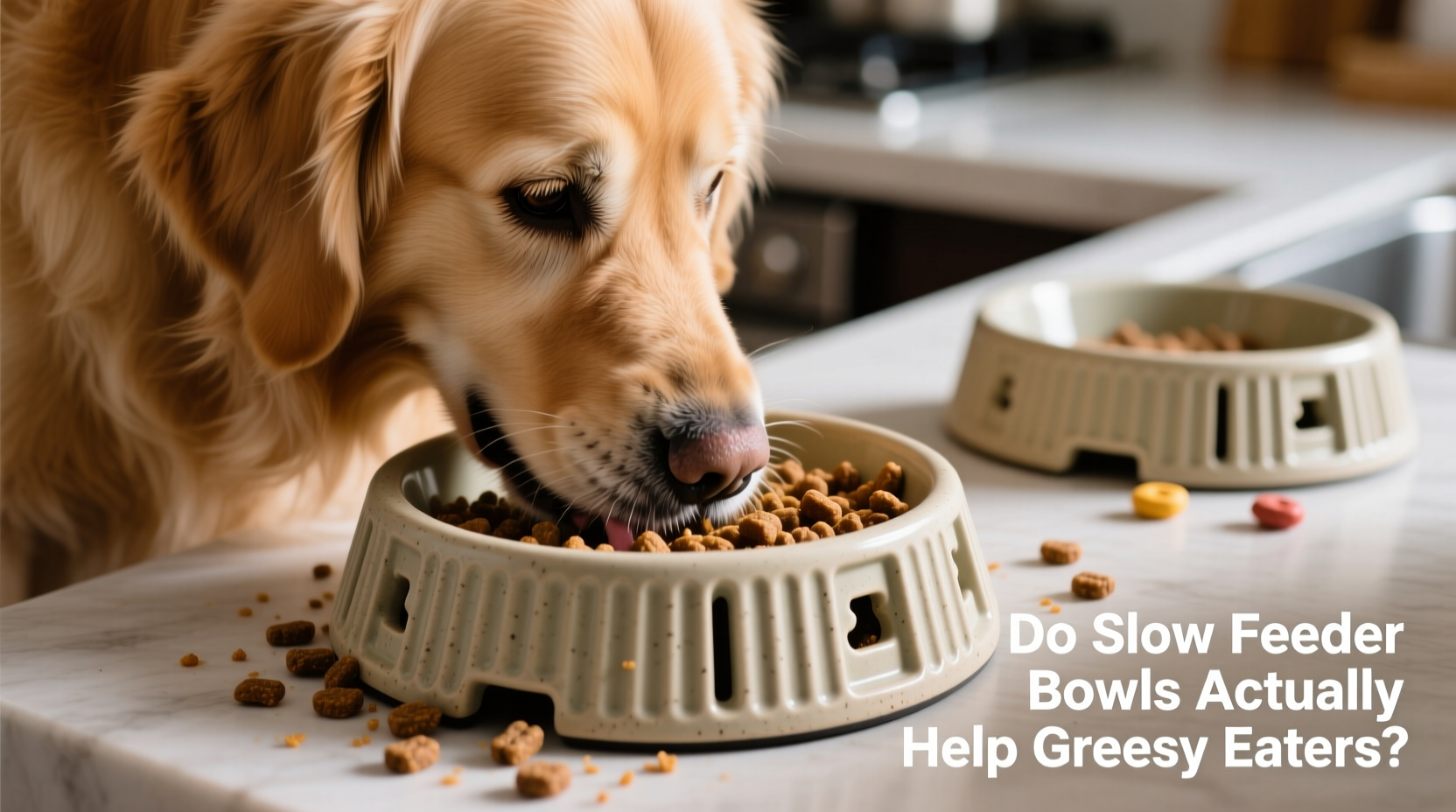
Traditional flat bowls allow dogs to scoop up large amounts of food with minimal effort. In contrast, slow feeders incorporate physical obstacles—ridges, compartments, or mazes—that require dogs to nudge, paw, or maneuver around to access kibble. This forces pauses between bites, naturally extending meal duration.
The principle behind this design draws from enrichment strategies used in animal cognition research. By adding complexity to feeding, dogs engage more mentally and physically during meals. This mimics natural foraging behaviors seen in wild canines, who spend hours searching for food rather than consuming it instantly.
Studies have shown that increasing mealtime duration leads to improved satiety signaling. A 2019 study published in *Applied Animal Behaviour Science* found that dogs using slow feeders took an average of 70% longer to finish their meals compared to those using standard bowls. More importantly, participants showed reduced signs of post-meal restlessness and digestive distress.
Tip: Introduce the slow feeder gradually—start by placing a few kibbles in visible areas so your dog learns how to use it without frustration.Health Benefits of Slower Eating
Rapid eating poses several documented health risks, particularly in deep-chested breeds prone to gastric dilatation-volvulus (GDV), commonly known as bloat. GDV occurs when a dog eats too quickly, swallows excessive air, and experiences a life-threatening twist in the stomach. According to the American Kennel Club, dogs that eat rapidly are twice as likely to develop bloat compared to slower eaters.
Slower consumption reduces aerophagia—the medical term for swallowing air—which directly lowers the risk of gas buildup and subsequent complications. Additionally, chewing and pacing improve saliva production and initial digestion, easing the burden on the gastrointestinal tract.
Beyond physical health, there are behavioral advantages. Dogs that gulp down food often remain mentally unstimulated, leading to boredom and attention-seeking behaviors. Slow feeders act as cognitive puzzles, promoting mental engagement and reducing anxiety around mealtimes.
“Slowing down a dog’s eating pace isn’t just about preventing bloat—it’s about restoring a more natural, mindful feeding rhythm.” — Dr. Lena Patel, Veterinary Behaviorist
Types of Slow Feeder Bowls: What Works Best?
Not all slow feeders are created equal. Effectiveness depends on design, material, size, and compatibility with your dog’s breed and temperament. Below is a comparison of common types available on the market.
| Type | Best For | Pros | Cons |
|---|---|---|---|
| Maze-style (e.g., Outward Hound FunFeeder) | Medium to large breeds, high-energy dogs | Highly effective at slowing intake, durable materials | Can be difficult to clean, may frustrate timid eaters |
| Raised ridge (e.g., PetSafe Busy Buddy) | Small to medium breeds, beginners | Easier transition, dishwasher safe | Less challenging over time, may not suffice for extreme gorgers |
| Puzzle feeder integration (e.g., Nina Ottosson models) | Dogs needing mental stimulation | Encourages problem-solving, extends mealtime significantly | Requires training, not ideal for daily full meals |
| Double bowl inserts (central obstacle) | All sizes, multi-dog households | Simple design, easy cleanup, affordable | Limited slowing effect for very fast eaters |
When selecting a slow feeder, consider your dog’s muzzle shape and jaw flexibility. Brachycephalic breeds (like Bulldogs or Pugs) may struggle with deep mazes due to shorter snouts, while sighthounds with narrow heads might bypass obstacles too easily. Always supervise initial use to ensure safe interaction.
A Real Example: Transforming a Greedy Eater’s Habits
Max, a three-year-old Labrador Retriever, had a reputation for finishing his dinner in less than 20 seconds. His owner, Sarah, noticed he frequently regurgitated undigested kibble shortly after eating and seemed restless afterward. Concerned about potential bloat—especially since Max was a deep-chested male—she consulted her veterinarian, who recommended trying a slow feeder.
Sarah started with a raised-ridge model, mixing half regular food and half in the new bowl. Within two days, Max adapted, taking nearly four minutes to finish what used to take seconds. Over the next week, she transitioned fully to the maze-style feeder. After one month, Sarah reported no episodes of regurgitation, improved post-meal calmness, and even better coat condition—likely due to more efficient digestion.
Interestingly, Max began showing less food guarding behavior around other pets in the home. The slower pace reduced his sense of urgency, making meals less competitive. This case illustrates how a simple tool can influence not only physical health but also social dynamics within a household.
Step-by-Step Guide to Introducing a Slow Feeder
Transitioning to a slow feeder should be gradual to avoid confusion or resistance. Follow this timeline for best results:
- Day 1–2: Place the slow feeder beside the regular bowl filled with treats or a portion of the meal. Let your dog explore it without pressure.
- Day 3–4: Transfer a small amount (¼ of the meal) into the slow feeder. Hand-feed remaining food from the regular bowl if needed.
- Day 5–6: Increase to half the meal in the slow feeder. Praise any attempts to interact with the device.
- Day 7: Serve the full meal in the slow feeder. Monitor for signs of frustration or giving up.
- Week 2 onward: Adjust based on performance. If your dog adapts quickly, consider a more complex model. If struggling, simplify or mix textures (e.g., add broth to make kibble slide easier).
If your dog refuses to eat from the slow feeder after consistent trials, reassess the design or consult a trainer. Some dogs may need hand-guided encouragement or pairing the bowl with higher-value food initially.
Tip: Warm water or low-sodium broth can help loosen dry kibble in tight spaces, making early use less frustrating.Common Misconceptions About Slow Feeders
Despite growing popularity, several myths persist about slow feeders:
- Myth: They’re only for dogs with health issues.
Reality: Even healthy dogs benefit from slower, more mindful eating. Prevention is key, especially for breeds at risk of GDV. - Myth: All slow feeders work the same way.
Reality: Designs vary widely in effectiveness. One dog may thrive with a simple insert, while another needs a multi-level puzzle. - Myth: They cause stress or anxiety.
Reality: When introduced properly, most dogs adapt positively. Frustration usually stems from improper fit or rushed introduction.
It's also important to note that slow feeders are not a substitute for proper portion control or dietary management. They complement good feeding practices but don’t address overfeeding or poor nutrition choices.
Frequently Asked Questions
Can slow feeder bowls prevent bloat completely?
No single intervention guarantees prevention of bloat (GDV), but slow feeders significantly reduce risk factors like rapid eating and air ingestion. Combining them with elevated feeding, avoiding exercise right after meals, and monitoring high-risk breeds offers the best protection.
Are slow feeders suitable for puppies?
Yes, with caution. Puppies can benefit from early exposure to enriched feeding methods, but the design must accommodate their smaller jaws and developing coordination. Opt for simpler models and always supervise use.
How do I clean a slow feeder bowl?
Most are dishwasher-safe (top rack recommended), but intricate mazes may require hand scrubbing with a bottle brush. Regular cleaning prevents bacterial buildup in crevices. Avoid harsh chemicals; mild dish soap and warm water are sufficient.
Final Thoughts: Are Slow Feeder Bowls Worth It?
The evidence supports a clear conclusion: yes, slow feeder bowls do help greedy eaters—when used correctly. They are not magic solutions, nor are they universally effective out of the box. Success depends on choosing the right design, introducing it patiently, and observing your dog’s response.
From reducing life-threatening conditions like bloat to improving digestion and mental engagement, the benefits extend far beyond simply slowing down a meal. For owners of fast-eating dogs, investing in a quality slow feeder is one of the simplest, most impactful changes you can make to support long-term wellness.
Like any behavioral adjustment, consistency matters. Don’t expect overnight transformation. Celebrate small wins—a few extra seconds per bite, a curious sniff at the maze, a completed meal without gulping. These moments signal progress toward healthier, more balanced eating habits.
💬 Have you tried a slow feeder for your dog? Share your experience, challenges, or favorite product in the comments below—your story could help another pet owner make a safer choice at mealtime.








