For many dog owners, the familiar jingle of a collar tag is part of daily life. But that constant noise can be more than just an annoyance—it can disrupt sleep, distract during training, or even cause stress for noise-sensitive pets. Whether you're sharing a small apartment, practicing quiet obedience work, or simply tired of the metallic clatter, there are proven ways to silence your dog’s tags without compromising identification or safety.
The good news: eliminating collar jingle doesn’t require removing essential ID tags. With thoughtful materials, smart attachments, and a few clever modifications, you can maintain full visibility and traceability while restoring peace to your home and walks.
Why Dog Tags Jingling Matters
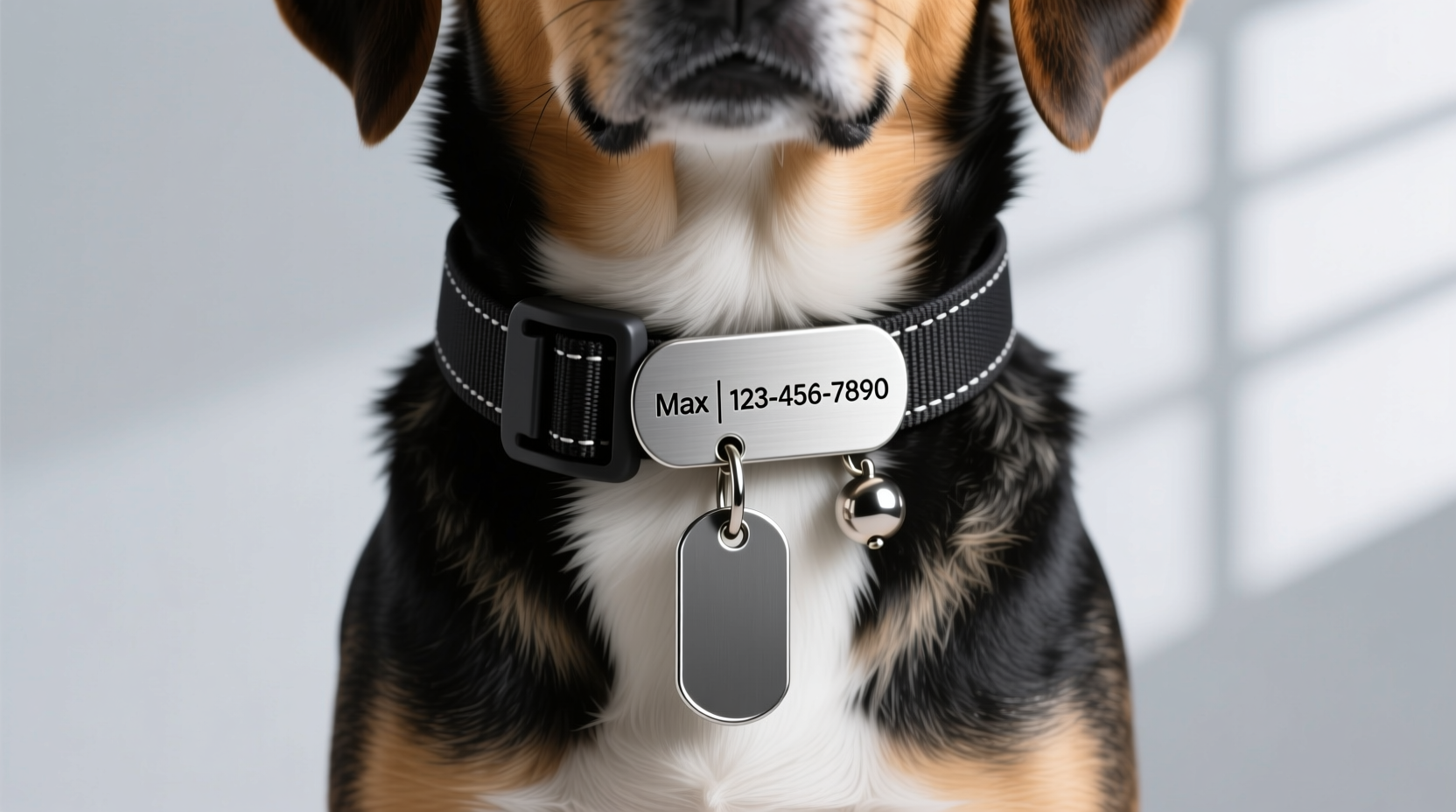
The sound of metal tags clinking together might seem harmless, but it can have real consequences. Dogs with anxiety or hyper-vigilance may become overstimulated by repetitive noises. In multi-pet homes, one noisy collar can trigger barking or agitation in other animals. For service dogs or working breeds, excess noise can interfere with focus during tasks.
Owners also feel the impact. Light sleepers report being woken by their dog shifting in bed. Trainers note that some commands are harder to reinforce when auditory distractions are present. And let’s be honest—after the tenth “clink” during a quiet evening, even the most patient pet parent can grow frustrated.
“Reducing unnecessary noise in a dog’s environment contributes to better mental well-being, especially for rescue dogs or those with past trauma.” — Dr. Lena Reyes, Canine Behavior Specialist
Top 5 Silent Dog Tag Solutions
Not all silent tag options are created equal. Some muffle sound temporarily; others eliminate it at the source. Below are the most effective, durable, and safe methods currently used by trainers, veterinarians, and quiet-conscious pet owners.
1. Rubber-Coated or Silicone Dog Tags
These replace traditional metal tags with durable, engraved silicone or rubber versions. They’re lightweight, waterproof, and completely silent. Most feature bold lettering and can include QR codes linking to digital profiles with emergency contact info.
Tip: Choose flexible silicone tags with rounded edges to prevent chafing against fur or skin.2. Tag Silencers (Rubber Sleeves)
Small rubber or neoprene sleeves slip over existing metal tags, cushioning them and preventing direct metal-to-metal contact. These are affordable, easy to install, and preserve your current tags. Look for split-ring compatible designs so you don’t need to remove the tag from the collar.
3. Magnetic or Clip-On Tags
Instead of dangling from a ring, these attach flat against the collar using magnets or secure clips. With no swinging motion, there’s minimal chance for noise. High-quality versions use weather-resistant materials and laser engraving for long-term legibility.
4. Custom Engraved Collars
Some collars now come with identification permanently engraved or printed directly onto the webbing. This eliminates tags altogether. Premium models integrate microchip-style backup data and are available in nylon, biothane, or leather.
5. DIY Foam Padding
A budget-friendly option involves cutting small pieces of closed-cell foam and placing them between stacked tags. While not as polished as commercial products, this method significantly reduces vibration and sound. Secure with a secondary split ring to keep padding in place.
Comparison Table: Silent Tag Options
| Solution | Noise Reduction | Durability | Cost | Best For |
|---|---|---|---|---|
| Rubber-Coated Tags | High (near-silent) | Medium-High | $$ | Daily wear, sensitive households |
| Tag Silencers | Medium-High | Medium | $ | Quick fix, temporary use |
| Magnetic Tags | High | High | $$$ | Active dogs, outdoor use |
| Engraved Collars | Total (no tags) | Very High | $$$ | Long-term investment, minimalist design |
| DIY Foam Padding | Low-Medium | Low | $ | Short-term trials, budget users |
Step-by-Step: How to Silence Your Dog’s Collar in 30 Minutes
Follow this simple process to reduce or eliminate collar noise efficiently:
- Evaluate Current Setup – Remove the collar and examine how many tags are attached, their size, and how they move. Identify whether they clink against each other or the buckle.
- Choose Your Method – Based on your dog’s lifestyle and your budget, select one of the five solutions above. For immediate results, start with tag silencers.
- Prepare Tools – You’ll likely need needle-nose pliers, replacement split rings, and possibly rubbing alcohol (for cleaning tags before applying new coatings).
- Install Solution – Slide rubber sleeves over tags, clip on magnetic versions, or swap in silicone alternatives. Ensure everything is securely fastened.
- Test and Adjust – Put the collar back on your dog and gently shake near the ear. If you still hear noise, check for loose rings or gaps between layers.
- Monitor Comfort – Observe your dog for 24 hours. Watch for signs of irritation, chewing, or attempts to remove the collar.
Real Example: Reducing Noise for a Rescue Dog
When Sarah adopted Max, a three-year-old Border Collie mix from a rural shelter, she noticed he flinched at sudden sounds. After bringing him home, she realized his metal tags echoed loudly in their compact condo, especially at night. Even soft movements triggered jingles that made Max tense up.
She tried stacking his tags tightly, but the noise persisted. Then she switched to a set of custom silicone tags with embossed text and added a neoprene silencer for her dog’s rabies tag, which needed to remain metal due to local regulations. Within two days, Max stopped reacting to nighttime sounds. His overall calmness improved, and Sarah finally got uninterrupted sleep.
“It wasn’t just about quiet,” she said. “It was about creating a safer sensory space for a dog learning to trust again.”
Checklist: Ensuring Safety Without Sound
- ✅ Confirm all contact information is up to date before switching tags
- ✅ Keep at least one form of physical ID (engraved tag or QR code)
- ✅ Maintain microchip registration independently of collar tags
- ✅ Avoid glue-based fixes that could fail outdoors
- ✅ Check local laws—some areas require visible metal tags for licensing
- ✅ Replace worn silencers or cracked silicone tags every 6–12 months
- ✅ Test new setups during daytime walks before overnight use
Frequently Asked Questions
Can I remove my dog’s tags if I use a microchip?
No. While microchips are invaluable for recovery, they require a scanner to read. Physical tags provide instant identification. Always keep a tag—even a silent one—as your first line of defense if your dog gets lost.
Do silent tags last as long as metal ones?
High-quality silicone or engraved polymer tags can last 1–2 years with regular use. They resist fading and cracking better than cheap metals. However, avoid prolonged exposure to extreme heat or sharp teeth, which can degrade materials faster.
Will silencing tags affect GPS trackers or electronic devices?
No. Most GPS collars operate independently of tag placement. Just ensure rubber covers don’t block signal ports or battery compartments if integrated into the same unit.
Final Thoughts: Peaceful Paws Start with Smart Choices
Eliminating collar jingle isn’t about convenience alone—it’s about creating a calmer, more comfortable environment for both dogs and their people. The right silent tag solution balances safety, durability, and tranquility. Whether you opt for sleek silicone replacements, reliable silencers, or a fully customized engraved collar, the goal remains the same: protect your pet without the noise.
💬 Have a favorite silent tag brand or DIY hack? Share your experience below and help fellow pet owners find quiet, effective solutions!








