Onion poisoning in dogs is a serious and potentially life-threatening condition that often goes unnoticed until symptoms become severe. Unlike humans, dogs lack the metabolic ability to safely process compounds found in all members of the Allium family—onions, garlic, leeks, chives, and shallots. These common kitchen staples can cause oxidative damage to red blood cells, leading to hemolytic anemia. Early recognition of clinical signs is critical for effective treatment. This article outlines the physiological mechanisms behind onion toxicity, identifies key warning signs, explains diagnostic procedures, and provides actionable steps for prevention and emergency response.
Understanding Onion Toxicity in Dogs
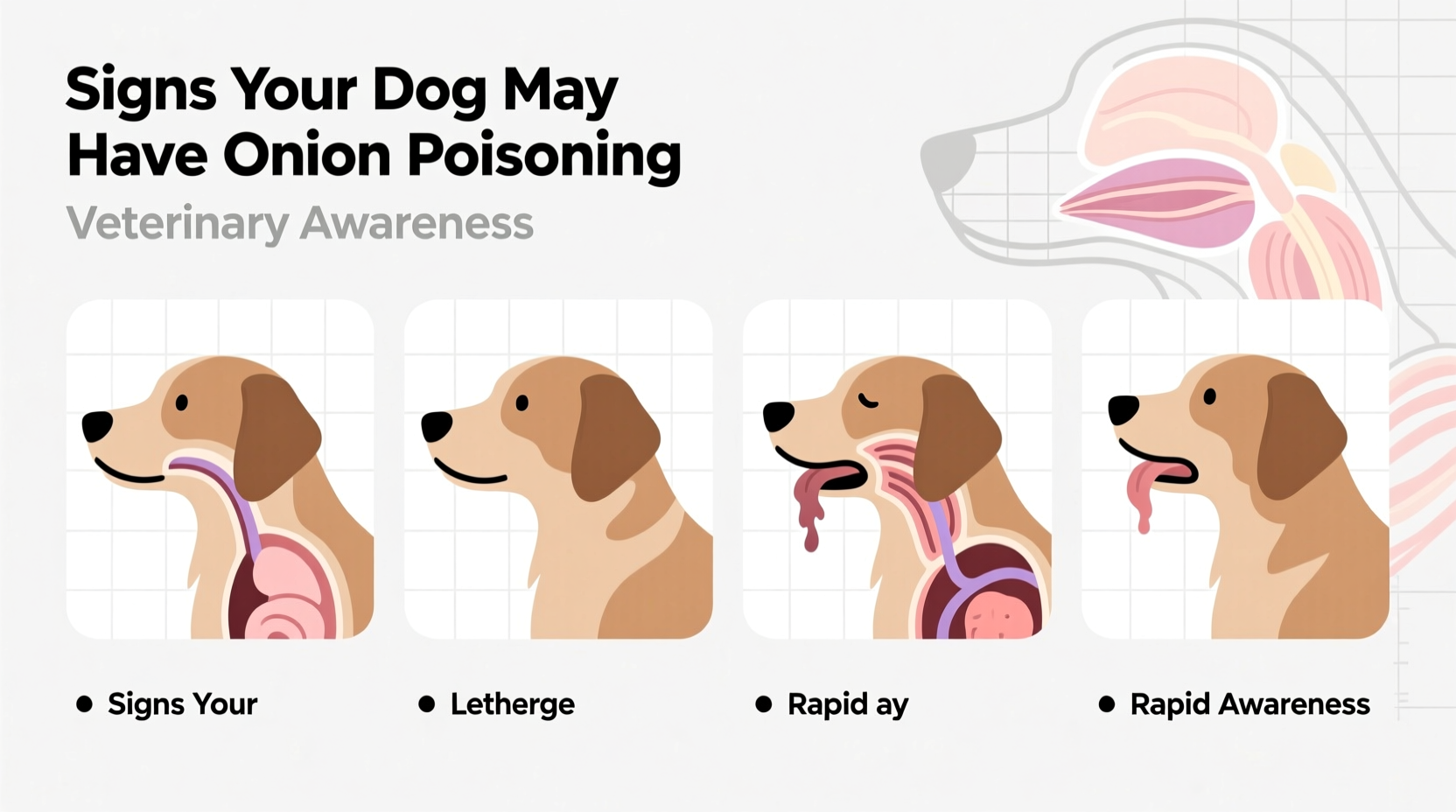
Onion poisoning, also known as Allium toxicosis, occurs when a dog ingests any form of onion—raw, cooked, powdered, dehydrated, or even present in processed foods like soups, baby food, or seasonings. The toxic agent is a sulfur-containing compound called N-propyl disulfide, which oxidizes hemoglobin within red blood cells, forming structures known as Heinz bodies. These damaged cells are then destroyed by the spleen and liver, resulting in hemolytic anemia—a condition where oxygen transport throughout the body becomes severely compromised.
The toxicity is dose-dependent, but there is no universally safe threshold. As little as 15 to 30 grams of onion per kilogram of body weight can trigger poisoning. For context, a medium-sized onion weighs approximately 150 grams—meaning just one onion could be dangerous for a 10-pound (4.5 kg) dog. Garlic is even more potent, estimated to be five times as toxic as onions.
Puppies, Japanese breeds such as Shiba Inus and Akitas, and dogs with pre-existing health conditions are especially vulnerable due to genetic predispositions affecting red blood cell stability.
Key Signs and Symptoms of Onion Poisoning
Clinical signs may not appear immediately; onset typically ranges from several hours to several days post-ingestion, depending on the amount consumed and individual sensitivity. Because symptoms evolve over time, pet owners must remain vigilant even if their dog initially seems unaffected.
- Vomiting and diarrhea: Often the first sign, occurring within a few hours of ingestion. Gastrointestinal irritation is common, especially with raw or concentrated forms.
- Drooling and abdominal pain: Indicative of nausea and stomach inflammation.
- Lethargy and weakness: Resulting from reduced oxygen delivery to tissues due to anemia. Dogs may sleep more than usual, resist walking, or collapse after mild exertion.
- Pale or bluish gums: A visible indicator of poor circulation and low red blood cell count. Check gum color regularly by lifting the lip gently.
- Rapid breathing and increased heart rate: Compensatory responses to oxygen deficiency.
- Dark urine: Urine may appear reddish-brown or coffee-colored due to hemoglobinuria—the presence of broken-down red blood cells in the urine.
- Jaundice: Yellowing of the skin, gums, or whites of the eyes, indicating liver involvement and advanced red blood cell destruction.
In severe cases, dogs may develop seizures, go into shock, or suffer organ failure. Without prompt veterinary intervention, onion poisoning can be fatal.
Pro Tip: If you suspect your dog has eaten onions—even in small amounts or as part of a meal—do not wait for symptoms to appear. Contact your veterinarian or an animal poison control center immediately. Time is crucial in preventing irreversible damage.
How Veterinarians Diagnose Onion Poisoning
Diagnosis begins with a thorough history, including potential exposure to onions or garlic. Owners should provide details about quantity, form (e.g., raw vs. powdered), and timing of ingestion. Physical examination will assess vital signs, hydration status, mucous membrane color, and abdominal tenderness.
Blood tests are essential for confirmation:
- Complete Blood Count (CBC): Reveals decreased red blood cell count, hemoglobin levels, and the presence of Heinz bodies on blood smear analysis.
- Packed Cell Volume (PCV): Measures the percentage of red blood cells in circulation. A PCV below 30% in dogs indicates anemia.
- Serum biochemistry: Evaluates kidney and liver function, which may be impaired secondary to toxin load.
- Urinalysis: Detects hemoglobin or bilirubin in urine, supporting the diagnosis of intravascular hemolysis.
Imaging such as ultrasound may be used to evaluate spleen and liver size, particularly if chronic exposure is suspected.
\"Early detection through owner awareness significantly improves outcomes. I’ve treated dogs who ate onion-containing baby food thinking it was safe—always read labels carefully.\" — Dr. Lena Torres, DVM, Veterinary Emergency Specialist
Immediate Actions and Treatment Protocols
If onion ingestion is recent—within the past two hours—and the dog is asymptomatic, a veterinarian may induce vomiting to prevent further absorption. Activated charcoal may also be administered to bind residual toxins in the gastrointestinal tract.
Once symptoms develop, treatment focuses on supportive care and stabilization:
- Intravenous fluids: Maintain hydration and support kidney function.
- Oxygen therapy: Administered via mask or oxygen cage for dogs struggling to breathe.
- Blood transfusion: Required in severe anemia to restore oxygen-carrying capacity.
- Antioxidants: Vitamin C and E may be given to reduce oxidative stress on remaining red blood cells.
- Hepatoprotectants: Medications like S-adenosylmethionine (SAMe) protect the liver during recovery.
Recovery time varies. Mild cases may resolve within a week with proper care, while severe cases require hospitalization for several days. Follow-up blood work ensures red blood cell regeneration and monitors long-term effects.
Common Sources of Hidden Onions in Dog Diets
Many pet owners are unaware that onions lurk in everyday human foods marketed as “healthy” or “natural.” Common culprits include:
- Leftover gravies, stews, and casseroles
- Commercial baby food (especially meat-based varieties)
- Processed lunch meats and sausages
- Flavored crackers, chips, and snack mixes
- Seasoned rice mixes and instant noodle packets
- Vegetarian or vegan meat substitutes
- Homemade broth or bone soup with added vegetables
- Dog treats made with onion or garlic powder
Even trace amounts in seasoning blends can accumulate over time, especially in small dogs fed table scraps regularly. Always check ingredient lists for terms like “dehydrated onion,” “onion powder,” “garlic powder,” “allium sativum,” or “flavorings,” which may indicate hidden risks.
Safe Alternatives for Flavoring Dog Food
Dogs benefit from palatable meals, especially when appetite drops due to illness or age. Instead of using toxic ingredients, consider these safe, natural flavor enhancers:
| Ingredient | Flavor Profile | Usage Tips |
|---|---|---|
| Pumpkin (pureed, unsweetened) | Mildly sweet, earthy | Add 1–2 tablespoons to kibble; supports digestion |
| Low-sodium chicken or beef broth (onion-free) | Savory, umami | Drizzle over dry food; ensure no garlic or onion extract |
| Carrots (cooked or grated) | Sweet, crisp | Great for texture and nutrients; high in beta-carotene |
| Green beans (steamed) | Neutral, slightly vegetal | Use as a topper or treat replacement |
| Cooked sweet potato | Sweet, creamy | Rich in fiber and vitamins; avoid butter or spices |
Herbs like parsley (in moderation), basil, or cilantro can also add freshness without risk. Always introduce new foods gradually to monitor for sensitivities.
Comparison: Onions, Garlic, Leeks, and Chives – Relative Toxicity
All Allium species pose risks, but their potency differs. Understanding these differences helps prioritize vigilance.
| Plant | Toxicity Level (Relative) | Notes |
|---|---|---|
| Garlic | ★★★★★ (Highest) | 5x more toxic than onions; commonly found in supplements and powders |
| Onions (white, yellow, red) | ★★★★☆ | All forms—raw, cooked, powdered—are hazardous |
| Chives | ★★★★☆ | Often used in garnishes; highly concentrated in disulfides |
| Leeks | ★★★☆☆ | Larger volume needed, but still dangerous in excess |
| Shallots | ★★★★☆ | Botanically closer to onions; similar toxicity profile |
No form of Allium is considered safe for canine consumption. Even fermented or aged products like black garlic retain toxic properties.
Prevention Strategies Every Dog Owner Should Follow
Preventing onion poisoning relies on education, diligence, and household management. Implement these practices to safeguard your pet:
- Never feed table scraps unless you’re certain they contain no onion or garlic derivatives.
- Store onions securely in cabinets or refrigerators inaccessible to pets.
- Avoid using onion-containing baby food as a medication mixer or appetite stimulant.
- Read all ingredient labels on commercial dog foods, treats, and supplements.
- Educate family members and guests about the dangers of feeding human food to dogs.
- Use caution with homemade diets; consult a veterinary nutritionist to ensure safety and balance.
- Keep emergency contacts handy: ASPCA Animal Poison Control (888-426-4435) and Pet Poison Helpline (855-764-7661).
Emergency Checklist: If your dog eats onions:
- Note the time, amount, and form ingested.
- Contact your vet or poison control immediately.
- Do not induce vomiting unless instructed.
- Bring packaging or food sample if available.
- Monitor for vomiting, lethargy, or changes in gum color.
Frequently Asked Questions
Can a small amount of onion hurt my dog?
Yes. While larger quantities increase risk, even small repeated exposures—such as daily scraps containing onion powder—can lead to cumulative toxicity. There is no established safe dose.
Is cooked onion safer than raw?
No. Cooking does not neutralize N-propyl disulfide. Cooked onions, fried onions, and onion soup are equally dangerous.
What about garlic supplements for fleas?
Garlic supplements are not safe for dogs. Despite anecdotal claims, scientific evidence shows they pose significant health risks without proven efficacy against parasites.
How long after eating onions will symptoms appear?
Symptoms can take 1 to 5 days to manifest. However, gastrointestinal signs like vomiting may occur within hours. Delayed onset doesn't mean the dog is safe.
Are some breeds more susceptible?
Yes. Japanese breeds (Shiba Inu, Akita) have red blood cells more prone to oxidative damage. Older dogs and those with underlying illnesses are also at higher risk.
Can cats get onion poisoning too?
Absolutely. Cats are even more sensitive than dogs and can develop severe anemia from minimal exposure. Keep all Allium products away from feline companions.
Summary & Key Takeaways
Onion poisoning is a preventable yet under-recognized threat to canine health. The toxic compounds in onions and related plants destroy red blood cells, leading to life-threatening anemia. Symptoms may be delayed, making early intervention based on exposure history essential.
Key points to remember:
- All forms of onions—including cooked, powdered, and dehydrated—are toxic to dogs.
- Garlic is significantly more potent and should never be fed intentionally.
- Watch for vomiting, lethargy, pale gums, rapid breathing, and dark urine.
- Diagnosis requires blood testing to detect Heinz bodies and anemia.
- Treatment includes decontamination, IV fluids, oxygen, and possibly blood transfusions.
- Prevention involves strict avoidance of onion-containing foods and careful label reading.
- When in doubt, contact a veterinary professional immediately.
Dogs rely on their owners to make safe dietary choices. By understanding the dangers of seemingly harmless ingredients like onions, caregivers can prevent tragic outcomes and promote lifelong wellness. Share this knowledge with other pet owners—it could save a life.









