Dog grooming is more than just a trim—it’s a skilled service that contributes to your pet’s health, comfort, and hygiene. As grooming appointments become routine for many pet owners, a common question arises: should you tip your dog groomer? And if so, how much is appropriate in 2025? Unlike restaurant servers or hair stylists, tipping norms for pet care professionals aren’t always clearly defined. Yet, with rising labor costs, inflation, and increased demand for specialized grooming services, understanding proper tipping etiquette has never been more relevant.
Groomers spend hours handling pets that may be anxious, matted, or difficult to manage. They use professional tools, follow breed-specific standards, and often spot early signs of skin issues, ear infections, or parasites. Recognizing their expertise with a fair tip not only shows appreciation but also supports an industry where wages often don’t reflect the level of skill required.
Why Tipping Dog Groomers Matters in 2025
Tipping is more than a gesture—it’s a meaningful part of income for many groomers. Most work on a commission or per-job basis, meaning base pay can be inconsistent or low, especially in independent salons or mobile units. In 2025, with the cost of living continuing to rise and pet ownership at record levels, tipping helps bridge the gap between minimum wage and a livable income for these skilled workers.
The American Pet Products Association reports that over 70% of U.S. households own a pet, and nearly 40% of dog owners use professional grooming services regularly. This growing demand places pressure on groomers, who often handle multiple dogs per day, each requiring individual attention, patience, and physical effort—especially larger or high-maintenance breeds.
“Grooming isn’t just about aesthetics. We’re managing stress in animals, preventing painful matting, and catching medical concerns early. A tip acknowledges both our emotional labor and technical skill.” — Lisa Tran, Certified Master Groomer & Instructor, National Dog Groomers Association
In industries like hospitality and personal care, tips are expected. While pet grooming hasn’t always followed the same standard, cultural shifts are changing this. More pet owners now view groomers as essential care providers, similar to veterinarians or trainers, making tipping a natural extension of respect and gratitude.
How Much Should You Tip Your Dog Groomer?
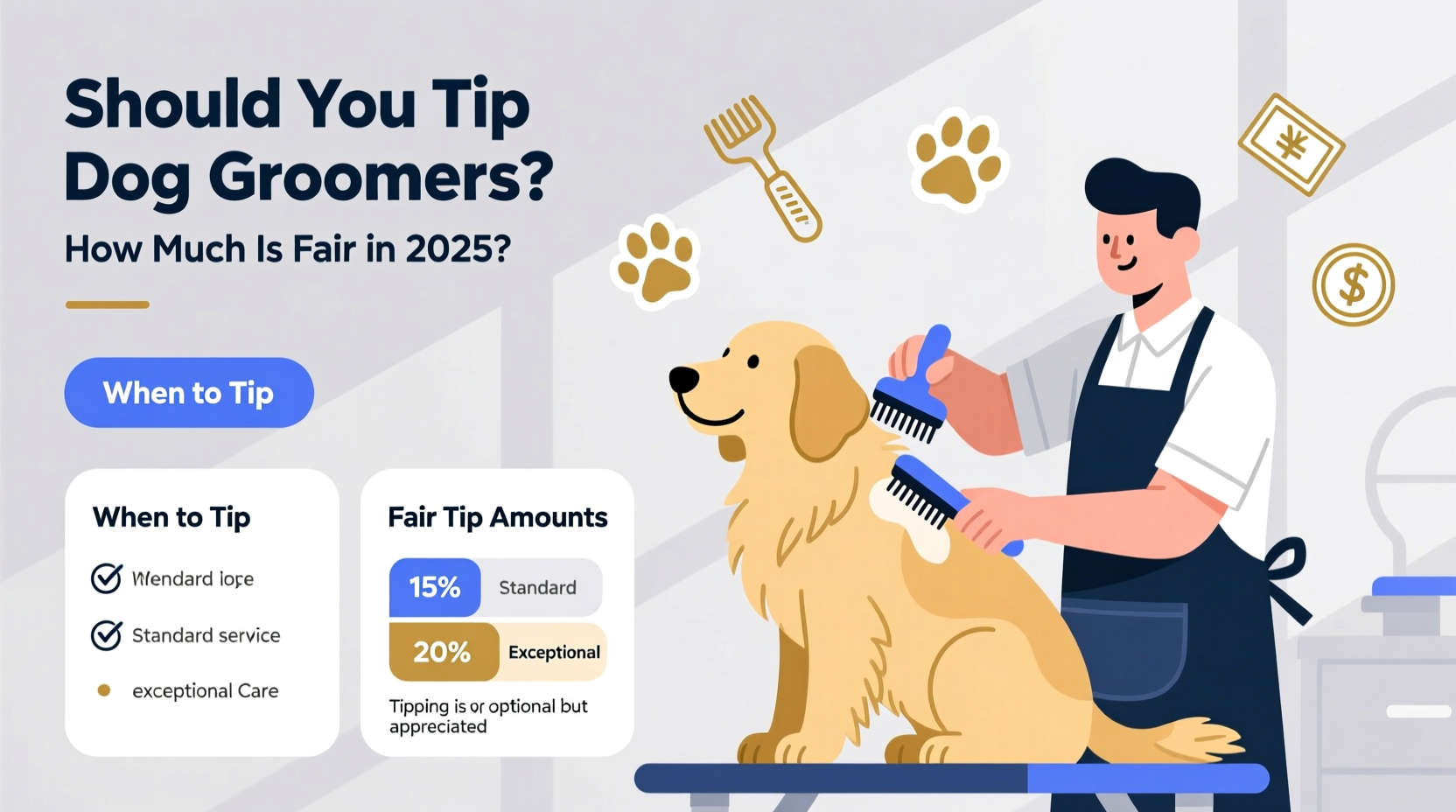
The general consensus among pet care experts and salon managers in 2025 is that a **15% to 20% tip** is considered fair and appreciated for standard grooming services. For exceptional work, difficult pets, or additional requests (like special styling or extra brushing), tipping 25% or more is a thoughtful way to recognize outstanding effort.
This range aligns with tipping standards for other personal service roles such as hairstylists and massage therapists. However, unlike restaurants, there’s no widespread expectation of automatic gratuity, so the decision remains largely up to the client.
Tip: If your groomer goes above and beyond—such as calming a fearful dog, removing severe mats without cutting skin, or accommodating last-minute requests—a 20–25% tip reflects that added value.For reference, here’s a breakdown of typical grooming costs and suggested tips in 2025:
| Service Type | Average Cost (2025) | 15% Tip | 20% Tip |
|---|---|---|---|
| Basic Bath & Brush (Small Dog) | $45 | $6.75 | $9.00 |
| Full Groom (Medium Breed, e.g., Cocker Spaniel) | $75 | $11.25 | $15.00 |
| Large Breed Groom (e.g., Golden Retriever) | $95 | $14.25 | $19.00 |
| Puppy’s First Groom | $60 | $9.00 | $12.00 |
| De-shedding Treatment + Groom | $110 | $16.50 | $22.00 |
Note: Prices vary by region, breed, coat condition, and salon type. Mobile groomers often charge more due to travel and overhead, and tipping at the higher end (20%) is especially appropriate in those cases.
When and How to Tip: Practical Guidelines
Tipping should be timely and direct. Most clients tip at the end of the appointment, either in cash or through digital payment platforms if the salon allows it. Cash remains the preferred method because it ensures the groomer receives the full amount immediately, without delays from payroll processing.
If you book through an app or online platform (such as Rover, Barkly, or a salon’s website), check whether the tip field is included during checkout. Some systems automatically distribute tips, while others may hold them until payroll. Clarify with the business if you're unsure.
- After every visit: Make tipping a regular habit, not just for “perfect” grooms. Consistency supports your groomer’s livelihood.
- For recurring issues: If your dog has chronic matting, behavioral challenges, or medical conditions affecting grooming, consider increasing your tip to acknowledge the extra time and care required.
- Holiday tipping: Many pet owners give an extra tip during the holidays—typically one week’s worth of grooming fees or $20–$50—as a year-end thank-you.
- Special circumstances: If your groomer stays late, opens early, or fits you in last minute, a generous tip reinforces goodwill and encourages continued flexibility.
Mini Case Study: The Impact of Regular Tipping
Sarah W., a poodle owner in Portland, OR, used to skip tipping, assuming groomers were well-paid by the salon. After her dog developed severe matting from seasonal shedding, the groomer spent nearly three hours carefully de-matting without causing discomfort. Sarah left a $25 tip on a $70 service—over 35%. The groomer later shared that it covered her gas for a week. Moved by the gesture, Sarah now tips 20% consistently and noticed a difference: her appointments are prioritized, and the groomer takes extra care with her dog’s sensitive ears.
This example illustrates how tipping strengthens client-groomer relationships and directly impacts job satisfaction in a high-stress profession.
Factors That Influence Fair Tip Amounts
Not all grooming jobs are equal. Several factors should influence your tipping decision:
- Dog size and coat type: Larger dogs with thick or double coats (e.g., Huskies, Newfoundlands) require significantly more time and physical effort.
- Behavioral challenges: Nervous, aggressive, or uncooperative dogs demand patience and safety awareness, increasing mental strain.
- Matting and skin conditions: Severe tangles or hot spots require careful handling and may extend service time.
- Custom styling: Creative cuts (teddy bear faces, lion trims) or color enhancements involve advanced skill.
- Salon policies: In some shops, groomers receive only a percentage of the service fee, making tips critical to their earnings.
Checklist: When to Increase Your Tip
- ✅ The groomer calmed your anxious dog without sedation
- ✅ Extra time was taken to address matting or skin issues
- ✅ You requested a complex or non-standard haircut
- ✅ The groomer provided helpful advice on at-home maintenance
- ✅ It’s a holiday, extreme weather, or off-hour appointment
- ✅ The groomer remembered your dog’s preferences or past issues
Common Misconceptions About Tipping Groomers
Despite growing awareness, several myths persist:
- Myth: “The salon pays them enough.”
Reality: Many groomers earn $12–$18/hour before tips, even with certifications. Salon owners face high overhead, limiting wage increases. - Myth: “Tipping isn’t expected in pet care.”
Reality: Industry standards are evolving. Major pet chains like PetSmart and Wag N’ Wash now encourage tipping via digital prompts. - Myth: “A good review is just as valuable.”
Reality: While reviews help, they don’t pay bills. Monetary appreciation has immediate impact.
Another misconception is that tipping is only necessary for perfect results. Dogs vary day to day—some are cooperative, others stressed. A groomer who safely handles a difficult session deserves recognition even if the final look isn’t flawless.
Frequently Asked Questions
Do you tip if you’re unhappy with the groom?
If the groom falls short due to error or miscommunication, address it politely with the groomer or manager. Withhold or reduce the tip only if the work was truly substandard. Often, minor imperfections stem from the dog’s behavior during the session, not the groomer’s skill.
Should you tip both the groomer and the bather?
If your salon separates bathing and grooming duties, tipping both staff members is ideal. Bathers prepare the coat for grooming and handle slippery, soapy dogs—work that’s physically taxing. A smaller tip (10–15%) for the bather and 15–20% for the groomer is appropriate.
Is it okay to tip in treats or toys instead of cash?
While appreciated, non-monetary gifts don’t replace a financial tip. Consider adding a small treat bag or toy *in addition* to your tip, especially around holidays. But remember: cash remains the most meaningful form of appreciation.
Conclusion: Recognize Skill, Build Relationships, and Tip Thoughtfully
Tipping your dog groomer in 2025 isn’t just polite—it’s a reflection of respect for a demanding, skilled profession. As pet care continues to professionalize, acknowledging groomers’ contributions through fair tipping supports better service, lower turnover, and stronger bonds between pet owners and caregivers.
Whether your dog gets a simple bath or a full breed-standard trim, the person handling your pet invests time, training, and empathy into every appointment. A consistent 15–20% tip sets a standard of fairness and appreciation that benefits everyone in the pet care ecosystem.
💬 What’s your tipping practice? Share your experience or questions below—let’s build a community standard for recognizing the professionals who keep our pets happy and healthy.








