For pet owners, grooming is more than just maintenance—it’s part of the bond with their animals. A good brush can reduce shedding, prevent matting, and improve skin health. But as technology advances, so do grooming tools. Self-cleaning pet brushes have entered the market with promises of convenience, better hygiene, and less mess. The question remains: is the higher price tag justified when compared to traditional, manually cleaned brushes?
This article dives deep into the functional differences, long-term value, user experience, and practical considerations that determine whether upgrading to a self-cleaning brush is a smart investment or simply a marketing gimmick.
How Self-Cleaning Brushes Work
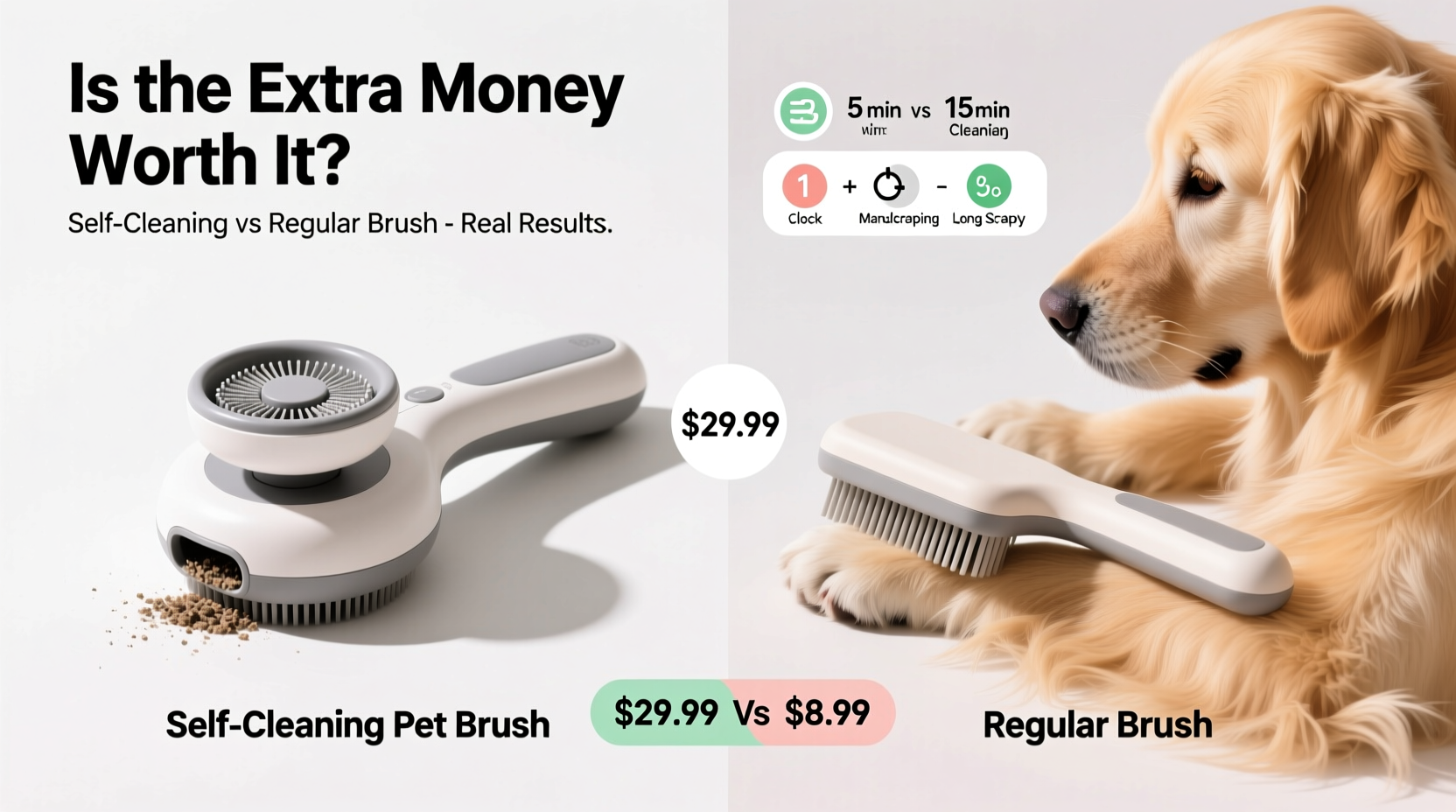
Self-cleaning pet brushes are designed with retractable bristles that can be extended for use and retracted with the press of a button or slide mechanism. When retracted, embedded fur and debris are automatically ejected from the brush head, minimizing direct contact with pet hair during cleanup.
Most models use a simple sliding bar or lever on the handle. As the bar moves forward, the bristles extend for brushing. When pulled back, the bristles retract into the base, pushing out trapped hair in one clean motion. This eliminates the need for fingers, tweezers, or scissors to remove clumps of fur—a common frustration with traditional brushes.
These brushes often feature soft-touch ergonomic handles, non-slip grips, and gentle bristle tips designed to be safe for sensitive skin. Some even include rubberized pads for massaging while detangling.
Tip: Always test the brush pressure on your hand first—what feels gentle to you may be too intense for your pet’s skin.Key Differences: Self-Cleaning vs Regular Brushes
| Feature | Self-Cleaning Brush | Regular Brush |
|---|---|---|
| Cleanup Time | 5–10 seconds per use | 1–3 minutes (manual removal) |
| Hygiene Level | High – minimal contact with loose fur | Moderate – hands touch debris directly |
| Average Price | $18–$35 | $6–$15 |
| Durability | Good (plastic mechanisms may wear over time) | Excellent (fewer moving parts) |
| Ease of Use | Very high, especially for elderly or arthritic users | Varies by design |
| Pet Comfort | Generally high due to smooth bristle action | Depends on brush type and user technique |
Real-World Benefits of Self-Cleaning Brushes
The primary advantage lies in efficiency and cleanliness. For multi-pet households or pets with heavy undercoats—like Huskies, Maine Coons, or Golden Retrievers—the volume of shed hair can make grooming sessions messy and time-consuming. Traditional slicker or pin brushes require frequent pausing to pull out clumps, which interrupts the flow and can frustrate both pet and owner.
With a self-cleaning model, grooming becomes continuous. After each stroke, a quick slide of the lever ejects the collected fur into a trash bin. There’s no need to dig through bristles, reducing exposure to allergens and improving post-grooming cleanup.
“Pet owners with allergies or limited dexterity find self-cleaning brushes transformative. They’re not just convenient—they promote consistency in grooming routines.” — Dr. Laura Bennett, DVM & Pet Wellness Consultant
In addition, these brushes often encourage more frequent grooming because the process feels less laborious. Regular brushing reduces shedding around the house, prevents painful mats, and allows early detection of skin issues like hot spots or parasites.
When a Regular Brush Still Makes Sense
Despite their advantages, self-cleaning brushes aren’t universally superior. Traditional brushes remain a strong choice for several reasons:
- Better durability: With no moving parts, standard brushes resist wear and tear longer.
- Lower cost: Ideal for budget-conscious owners or temporary use (e.g., puppies going through coat changes).
- Variety of types: Options like undercoat rakes, dematting combs, or curry brushes offer specialized functions not yet replicated in self-cleaning formats.
- Easier to clean thoroughly: Some self-cleaning models trap residue between bristle mechanisms, making deep sanitizing difficult.
If you own a short-haired dog or cat that sheds moderately, the added functionality of a self-cleaning brush may go underutilized. In such cases, spending extra might not yield proportional benefits.
Mini Case Study: The Johnson Family’s Grooming Shift
The Johnsons adopted a rescue Siberian cat named Luna, known for her thick, luxurious coat. Initially, they used a standard slicker brush. While effective, grooming took nearly 20 minutes, including five interruptions to clear tangled fur from the bristles. “It felt like we spent more time cleaning the brush than Luna,” said Sarah Johnson.
After switching to a self-cleaning model, their routine dropped to 12 minutes with no pauses. “The difference was instant. Luna stayed calm, and I didn’t dread the mess afterward,” Sarah added. Within two months, they noticed fewer hairballs and less furniture lint. Though the brush cost $28—four times their previous purchase—they considered it a worthwhile upgrade.
Step-by-Step Guide to Choosing the Right Brush
- Assess your pet’s coat type: Long, double-coated breeds benefit most from self-cleaning brushes. Short-haired pets may not need them.
- Consider grooming frequency: If you brush weekly or more, convenience features add up in value.
- Test ergonomics: Hold the brush; ensure it fits comfortably in your hand, especially if you have wrist or joint concerns.
- Check bristle quality: Look for rounded tips to avoid scratching sensitive skin.
- Read reviews for reliability: Some self-cleaning mechanisms jam after repeated use. Prioritize models with high durability ratings.
- Factor in long-term costs: A $30 brush lasting two years is cheaper than replacing three $10 brushes annually.
FAQ
Can self-cleaning brushes damage my pet’s skin?
Not when used correctly. Most are designed with safety in mind, featuring flexible bristles and smooth retraction. However, avoid excessive pressure, especially on thin-skinned areas like the belly or legs.
Are self-cleaning brushes suitable for all pets?
They work well for most dogs and cats, particularly medium to long-haired breeds. Very small pets (like rabbits or guinea pigs) may require gentler, smaller tools not commonly available in self-cleaning designs.
Do I still need to wash a self-cleaning brush?
Yes. While they eject visible hair, oils, dander, and bacteria can accumulate. Rinse the brush head monthly with mild soap and water, ensuring the mechanism is dry before reuse.
Final Checklist Before Buying
- ✅ Does my pet shed heavily or have a dense undercoat?
- ✅ Do I groom more than once a week?
- ✅ Am I frustrated by how hard it is to clean my current brush?
- ✅ Do I have physical limitations that make manual cleaning difficult?
- ✅ Is the brush made with durable materials and positive long-term reviews?
Conclusion: Is the Extra Money Worth It?
The answer depends on your lifestyle, pet, and grooming habits. For casual users with low-shedding pets, a regular brush remains a cost-effective and reliable option. But for those dealing with constant shedding, multiple pets, or physical discomfort during grooming, a self-cleaning brush offers tangible improvements in hygiene, speed, and comfort.
The initial investment pays off in saved time, reduced mess, and increased grooming consistency—factors that ultimately contribute to better pet health. Like many modern pet care tools, self-cleaning brushes aren’t essential, but they are a meaningful upgrade for the right owner.
💬 Have you tried a self-cleaning pet brush? Share your experience below and help fellow pet lovers decide if the upgrade is right for them!








