
For cat owners, managing litter box odor is a constant balancing act between convenience, hygiene, and household comfort. The choice between a self-cleaning litter box and a traditional scooped box plays a major role in how well smells are controlled. While both systems aim to keep homes fresh, they differ significantly in design, maintenance frequency, and long-term effectiveness at containing odors. Understanding these differences helps pet owners make informed decisions that benefit both their cats and their living environment.
How Litter Box Odor Forms
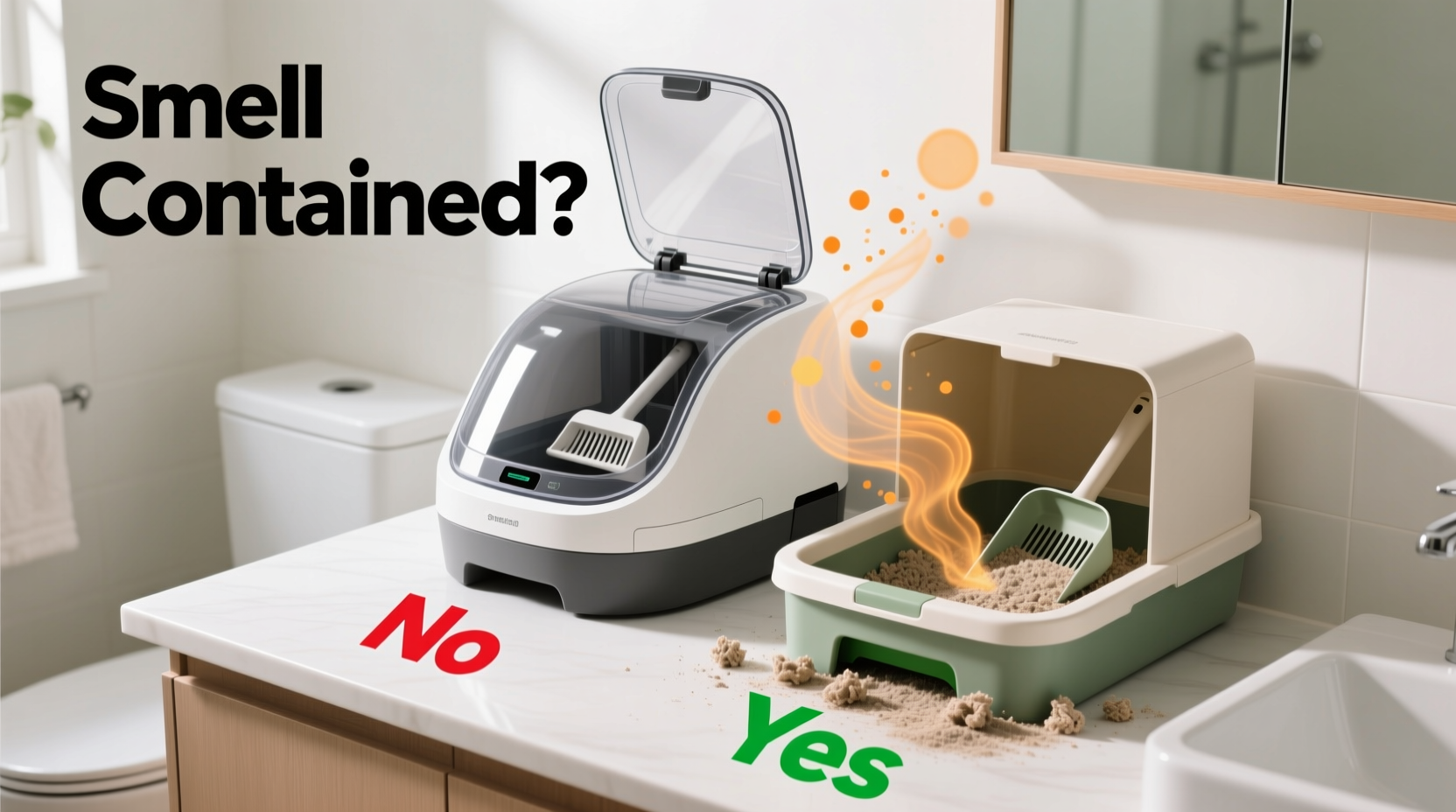
Before comparing self-cleaning and traditional litter boxes, it’s essential to understand what causes the smell. Cat urine contains urea and uric acid, which bacteria break down into ammonia—a pungent gas responsible for the sharp, unpleasant odor. Feces contribute additional volatile organic compounds (VOCs) that intensify the stench. When waste sits in litter, especially in warm or humid conditions, bacterial activity accelerates, leading to faster odor development.
Litter material plays a supporting role. Clumping clay, silica gel crystals, and plant-based litters absorb moisture and mask smells to varying degrees. However, no litter completely eliminates odor over time—especially if waste isn’t removed promptly. This is where the method of waste removal becomes critical.
The Role of Timely Waste Removal
The longer waste remains in contact with clean litter, the more odor spreads. Traditional scooping relies on the owner removing solids daily and clumps every 24–48 hours. In contrast, self-cleaning boxes automate this process, often removing waste within minutes of use. This immediacy is a key factor in odor containment.
Tip: Even with a self-cleaning box, replacing the entire litter every 2–3 weeks prevents deep-seated odor buildup.Traditional Scoop Litter Boxes: Simplicity vs. Smell Control
Traditional litter boxes have been the standard for decades. They’re low-cost, simple to use, and compatible with nearly all litter types. But when it comes to odor control, their effectiveness depends almost entirely on user consistency.
Most veterinarians and feline behaviorists recommend scooping waste at least once per day. In practice, however, many owners skip days due to busy schedules or aversion to the task. This delay allows urine-soaked clumps to degrade, releasing ammonia into the air. Over time, even sealed litter boxes can emit a noticeable scent, particularly in small or poorly ventilated rooms.
Some owners attempt to mitigate odor with covered boxes, carbon filters, or scented litter. While these help, they don’t address the root cause: stagnant waste. Covered boxes can trap odors near the cat, discouraging use, and heavily perfumed litters may irritate sensitive feline noses.
Advantages and Limitations of Manual Scooping
- Affordability: Initial cost is minimal—often under $30.
- Familiarity: Cats typically adapt quickly to open trays.
- Control: Owners choose litter type and cleaning schedule.
- Odor Risk: Delayed scooping leads to persistent smells.
- Labor: Requires daily effort; easy to neglect.
“Consistency is everything with traditional litter boxes. One missed scoop can lead to a week of lingering odor.” — Dr. Lena Patel, DVM, Feline Wellness Specialist
Self-Cleaning Litter Boxes: Automation and Air Quality
Self-cleaning litter boxes use sensors, rakes, and waste receptacles to remove clumps automatically after a cat exits. Most models activate 7–15 minutes post-use, sealing waste in a lined compartment. This rapid response drastically reduces the time waste interacts with ambient air, directly limiting odor dispersion.
High-end models include features like charcoal filters, sealed waste drawers, and mobile app alerts. Some even detect usage patterns and alert owners when the waste drawer is full or when a cat hasn’t used the box—useful for monitoring health.
Because waste is isolated quickly, these boxes generally maintain better air quality between full cleanings. However, they aren’t foolproof. If the waste drawer isn’t emptied regularly, trapped feces and urine can begin to off-gas through seams or filter systems. Additionally, malfunctioning rakes or misaligned sensors can leave waste behind, creating hotspots of odor.
Common Self-Cleaning Models and Their Odor Control Features
| Model | Waste Sealing | Filter Type | Odor Rating (1–5) |
|---|---|---|---|
| Litter-Robot 4 | Sealed drawer with carbon filter | Replaceable charcoal | 4.7 |
| ScoopFree Ultra | Crystal tray with hooded disposal | Integrated scent disc | 4.3 |
| PetSafe Simply Clean | Open rake system (no seal) | None | 3.0 |
| Tidy Cats Breeze | Pellet system with bottom tray | Optional carbon layer | 4.1 |
Note: Odor ratings based on independent consumer surveys and lab tests simulating 7-day use in a 100 sq ft room.
Real-World Comparison: A 30-Day Home Test
In a documented case study, two households with identical ventilation and one indoor cat each compared odor levels over a month. Household A used a traditional open-top box with daily scooping and unscented clumping litter. Household B used a Litter-Robot 4 with weekly litter changes and bi-weekly filter replacements.
Both homes measured airborne ammonia levels using digital sensors placed three feet from the litter box. Results showed:
- Household A averaged 8–12 ppm (parts per million) of ammonia, peaking at 15 ppm after a missed scoop.
- Household B maintained levels below 3 ppm, with brief spikes to 5 ppm only when the waste drawer wasn’t emptied for over five days.
Residents in Household A reported needing to use air fresheners daily and noted visitors commenting on “a slight cat smell.” Household B received no such feedback. The cat in both homes showed no behavioral issues, indicating acceptance of both systems.
Tip: Place your self-cleaning box in a semi-ventilated area—not an enclosed closet—to allow heat and moisture to dissipate without spreading odor.Factors That Influence Smell Containment in Both Systems
While automation gives self-cleaning boxes an edge, several factors determine real-world performance:
1. Litter Choice
Clay and silica litters absorb liquids well but vary in odor control. Natural litters like pine or wheat may produce less dust but break down faster, potentially increasing microbial growth. Scented litters can clash with automated systems that already use carbon filters.
2. Ventilation
A well-ventilated room reduces odor concentration regardless of box type. Placing a small fan nearby or using an air purifier with a HEPA + carbon filter enhances results.
3. Maintenance Discipline
Even the most advanced self-cleaning box fails if the waste drawer isn’t emptied weekly. Similarly, traditional boxes stay fresher with twice-daily scooping and monthly deep cleans.
4. Number of Cats
Multi-cat households generate more waste, accelerating odor development. Self-cleaning boxes may struggle with back-to-back use, while traditional boxes require more frequent attention.
“Automated boxes reduce human error, which is the biggest contributor to poor odor control.” — James Wu, Pet Tech Reviewer, SmartHomePaws.com
Step-by-Step Guide to Maximizing Odor Control
Whether you use a traditional or self-cleaning box, follow this routine to minimize smells:
- Choose a high-clumping, low-dust litter with natural odor-neutralizing properties (e.g., activated charcoal-infused).
- Place the box in a stable, accessible location away from direct sunlight and humidity (e.g., not next to a washing machine).
- For traditional boxes: Scoop solids every morning and check for clumps at night.
- For self-cleaning boxes: Confirm sensor calibration weekly and empty the waste drawer every 3–5 days.
- Replace all litter every 2–3 weeks and wash the box with mild soap and water.
- Add an air purifier with a carbon filter within 6 feet of the box.
- Inspect seals and filters monthly—replace as needed.
Checklist: Is Your Litter Box Containing Smell Effectively?
- ✅ Do you scoop or auto-clean waste within 24 hours?
- ✅ Is the litter box cleaned thoroughly every 2–3 weeks?
- ✅ Are waste compartments sealed and filters replaced regularly?
- ✅ Can you smell ammonia within 3 feet of the box?
- ✅ Is the surrounding area well-ventilated?
- ✅ Has your cat shown avoidance behaviors (circling, hesitation)?
If you answered “no” to any of the first five, odor control can be improved. If the last item is checked, your cat may be reacting to poor air quality.
FAQ
Do self-cleaning litter boxes eliminate all smell?
No system eliminates odor completely, but self-cleaning boxes reduce it significantly by isolating waste quickly. Residual smells may still occur if maintenance is delayed or ventilation is poor.
Can I use any litter in a self-cleaning box?
No. Most manufacturers specify compatible litter types. Using non-recommended litter (e.g., lightweight plant-based or crystal varieties) can clog mechanisms or trigger false sensor readings, leading to incomplete cleaning and odor buildup.
Why does my self-cleaning box still smell after emptying?
Residual bacteria may remain in crevices or the waste drawer. Clean the entire unit with a pet-safe disinfectant monthly. Also, replace carbon filters as directed—used filters can release trapped odors.
Conclusion: Balancing Technology, Cost, and Comfort
The question of whether a self-cleaning litter box contains smell better than a traditional scooped one has a clear answer: yes, when properly maintained. Automation ensures faster waste removal, sealed storage, and reduced exposure to odor-causing compounds. However, this advantage diminishes without consistent upkeep.
Traditional boxes can perform well in odor control—but only with rigorous daily scooping and ideal conditions. For most modern households, the reliability and convenience of a self-cleaning system offer a superior solution for maintaining a fresh-smelling home.
Ultimately, the best choice depends on lifestyle, budget, and sensitivity to odor. But for those seeking peace of mind and fewer trips to the litter scoop, investing in a high-quality self-cleaning box with strong sealing and filtration is a worthwhile upgrade.
💬 Have experience with both systems? Share your insights below. Help fellow cat owners decide which option keeps their homes smelling cleaner.








