Every dog owner knows the routine: leash on, walk out, and inevitably, it’s time to scoop. But behind this simple act lies a surprisingly complex choice—scented or unscented poop bags? At first glance, the decision may seem trivial, even comical. Yet for many pet owners, especially those living in urban apartments, walking densely populated sidewalks, or simply sensitive to odors, the type of bag used can significantly affect their daily experience. The promise of a \"fresh scent\" sounds appealing, but does it actually improve functionality? Or is it just marketing smoke?
This article dives deep into the practical, environmental, and sensory differences between scented and unscented dog waste bags. We’ll examine real-world performance, health considerations, sustainability, and user experiences to determine whether fragrance truly makes a meaningful difference—or if it’s better left out entirely.
The Science Behind the Smell
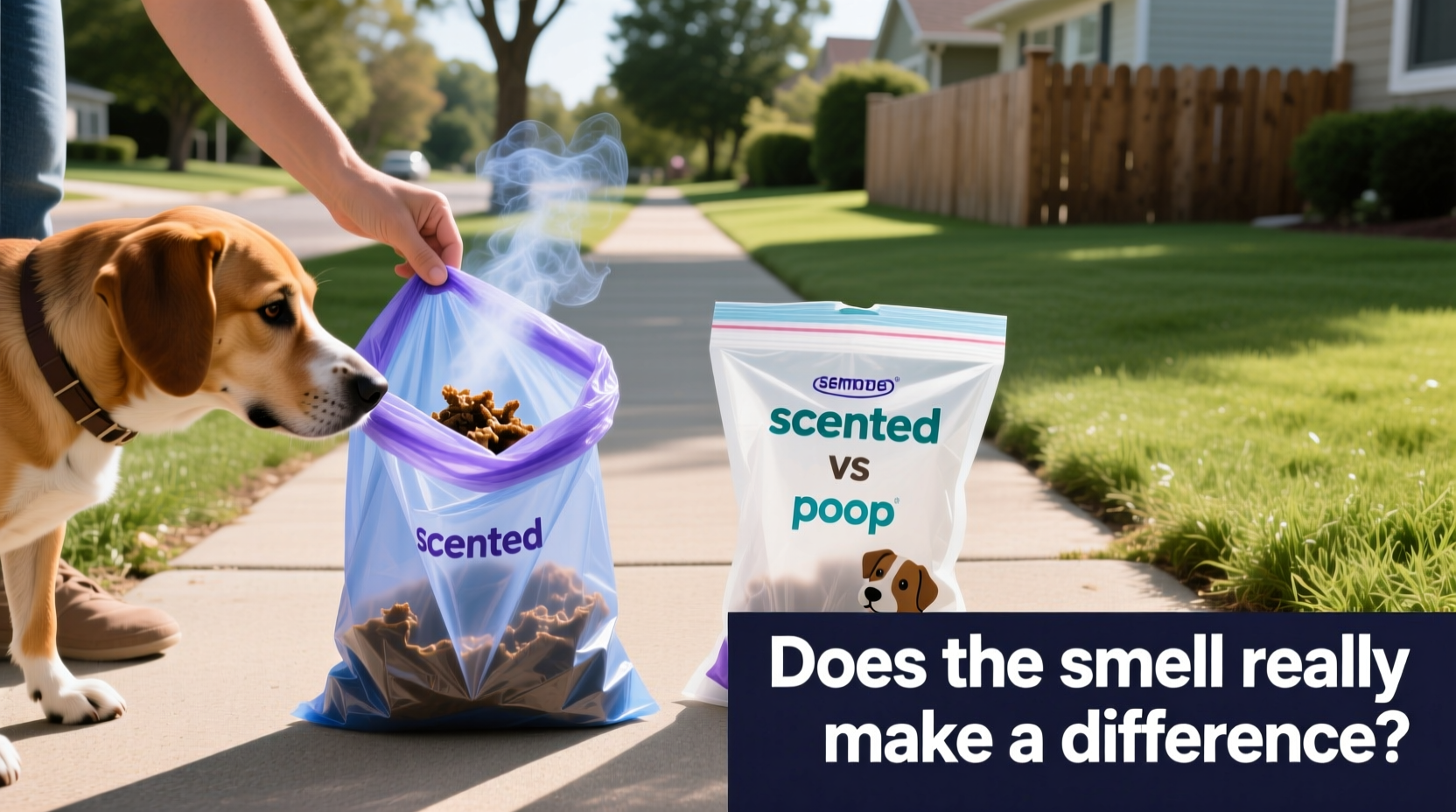
Dog feces emit volatile organic compounds (VOCs) such as hydrogen sulfide, ammonia, and skatole—chemicals responsible for that unmistakable, pungent odor. Scented poop bags are designed to mask these smells using added fragrances, often floral, citrus, or pine-based. These fragrances are typically infused into the plastic during manufacturing, either through micro-encapsulation (tiny scent beads that break upon use) or direct integration into the resin.
Unscented bags, by contrast, contain no added perfumes. Their goal isn’t to mask odor but to contain it physically through thickness, material quality, and proper sealing. While they don’t actively combat smell, high-quality unscented bags can still minimize odor transfer when used correctly.
“Fragrance doesn’t neutralize bacteria or decomposition—it only masks the perception of odor temporarily.” — Dr. Lena Peterson, Environmental Health Specialist
Performance Comparison: Scented vs Unscented
When evaluating effectiveness, several factors come into play: odor control, durability, ease of use, and environmental footprint. Below is a comparative overview:
| Feature | Scented Bags | Unscented Bags |
|---|---|---|
| Odor Masking | High – provides immediate fragrance upon opening | None – relies solely on physical containment |
| Durability | Variable – some thinner due to chemical additives | Often higher – fewer additives mean stronger material |
| Allergen Risk | Moderate to high – artificial fragrances may irritate | Low – ideal for sensitive users |
| Decomposition Rate | Slower – fragrances may inhibit microbial breakdown | Faster – cleaner composition supports biodegradation |
| User Preference | Popular in cities and shared spaces | Favored by eco-conscious and minimalist owners |
Environmental and Health Considerations
While masking unpleasant odors might seem like a win, scented bags often carry hidden costs. Many fragrances used in plastics are synthetic and derived from petroleum-based compounds. When these bags break down—especially in landfills—they can release phthalates and other endocrine-disrupting chemicals into the environment.
Moreover, composting facilities frequently reject scented bags, even if labeled “biodegradable,” because the fragrance residues can contaminate soil and disrupt microbial ecosystems. This makes unscented, certified compostable bags a better choice for eco-conscious pet owners.
From a health perspective, artificial fragrances can trigger allergies, asthma, or skin irritation in both humans and pets. Handlers who frequently pick up waste may develop sensitivities over time, particularly with repeated exposure to strong chemical scents.
Mini Case Study: The Apartment Complex Dilemma
In a six-story apartment building in Portland, residents began complaining about lingering bathroom odors in common areas. After investigation, property managers traced the issue not to poor plumbing—but to the janitorial staff disposing of dog waste collected from hallways in standard scented bags. The floral fragrance, while pleasant at first, mixed with decomposing waste and created a cloying, sour smell that clung to walls and vents.
The solution? Switching to thick, unscented, compost-certified bags and improving disposal frequency. Within two weeks, odor complaints dropped by 80%. Residents reported the space felt “cleaner,” even though no actual cleaning products had changed.
Choosing the Right Bag: A Step-by-Step Guide
Selecting between scented and unscented poop bags shouldn’t be arbitrary. Follow this logical process to make an informed decision based on your lifestyle and values:
- Assess Your Environment: Do you live in a densely populated area with shared sidewalks or indoor pickup zones? Stronger odor control may be beneficial.
- Evaluate Sensitivities: Are you, family members, or pets prone to allergies or respiratory issues? Avoid synthetic fragrances.
- Check Disposal Methods: Do you compost, use curbside pickup, or throw waste in public bins? Composting requires unscented, certified compostable bags.
- Test Material Quality: Thicker bags (measured in microns) prevent leaks regardless of scent. Look for 20+ microns for reliability.
- Review Certifications: Look for ASTM D6400 (compostable), BPI certification, or TÜV Austria OK Compost labels.
- Try a Sample Pack: Many brands offer trial bundles. Test both scented and unscented versions over a week to compare real-world performance.
Expert Insight: What Veterinarians and Eco-Specialists Say
Veterinarians generally remain neutral on scent preference but emphasize hygiene and containment. However, environmental experts consistently advocate for minimizing unnecessary additives.
“The safest bag is one that contains waste effectively without introducing new pollutants. Fragrance adds nothing to safety and everything to chemical load.” — Dr. Arjun Mehta, Sustainable Materials Researcher
Some holistic vets also caution against exposing dogs to residual fragrances, especially if they have a habit of sniffing near the cleanup zone. While direct harm is rare, repeated low-level exposure to synthetic aromas is poorly studied in animals.
FAQ
Do scented poop bags actually eliminate odor?
No. They only mask the smell temporarily with perfume. Once the fragrance fades, the underlying odor remains. True odor control comes from tight seals, double-layered bags, and prompt disposal.
Are unscented bags less effective?
Not inherently. An unscented bag made from high-density polyethylene or plant-based PLA with good thickness will contain odor just as well as a scented one—without adding artificial chemicals.
Can I compost scented dog waste bags?
Generally, no. Most industrial composting facilities reject scented bags due to contamination risks. Even if labeled “biodegradable,” the fragrance components may not break down safely in soil.
Final Checklist Before You Buy
- ✅ Decide whether odor masking is necessary for your routine
- ✅ Choose thickness (minimum 20 microns recommended)
- ✅ Confirm if bags are compostable, recyclable, or landfill-only
- ✅ Avoid parabens, phthalates, and vague “fragrance” ingredients
- ✅ Opt for dark-colored bags—they hide stains and give visual confidence
- ✅ Check roll size and dispenser compatibility
Conclusion
The debate between scented and unscented poop bags ultimately comes down to personal priorities. If immediate olfactory comfort in close quarters is your top concern, a well-made scented bag might offer short-term relief. But for long-term health, environmental responsibility, and reliable performance, unscented bags—especially those that are compostable and durable—emerge as the superior choice.
The smell might make a difference in perception, but it rarely improves actual function. In fact, it often introduces unnecessary complications. As pet ownership evolves toward more sustainable practices, the trend is clear: simplicity, transparency, and safety are winning over artificial fragrance.
🚀 Ready to make a smarter choice? Try switching to unscented, compostable bags for one month and track how you feel about cleanliness, convenience, and conscience. Share your experience with fellow pet owners and help normalize responsible pet care.








