Seeing scabs on your scalp can be alarming, but they’re more common than many realize. These crusty patches may appear after scratching, due to dryness, or as a symptom of an underlying skin condition. While occasional flaking is normal, persistent scabbing often signals the need for targeted care. Understanding the root cause is essential—not only to treat existing scabs but also to prevent future flare-ups and maintain scalp health.
Common Causes of Scalp Scabs
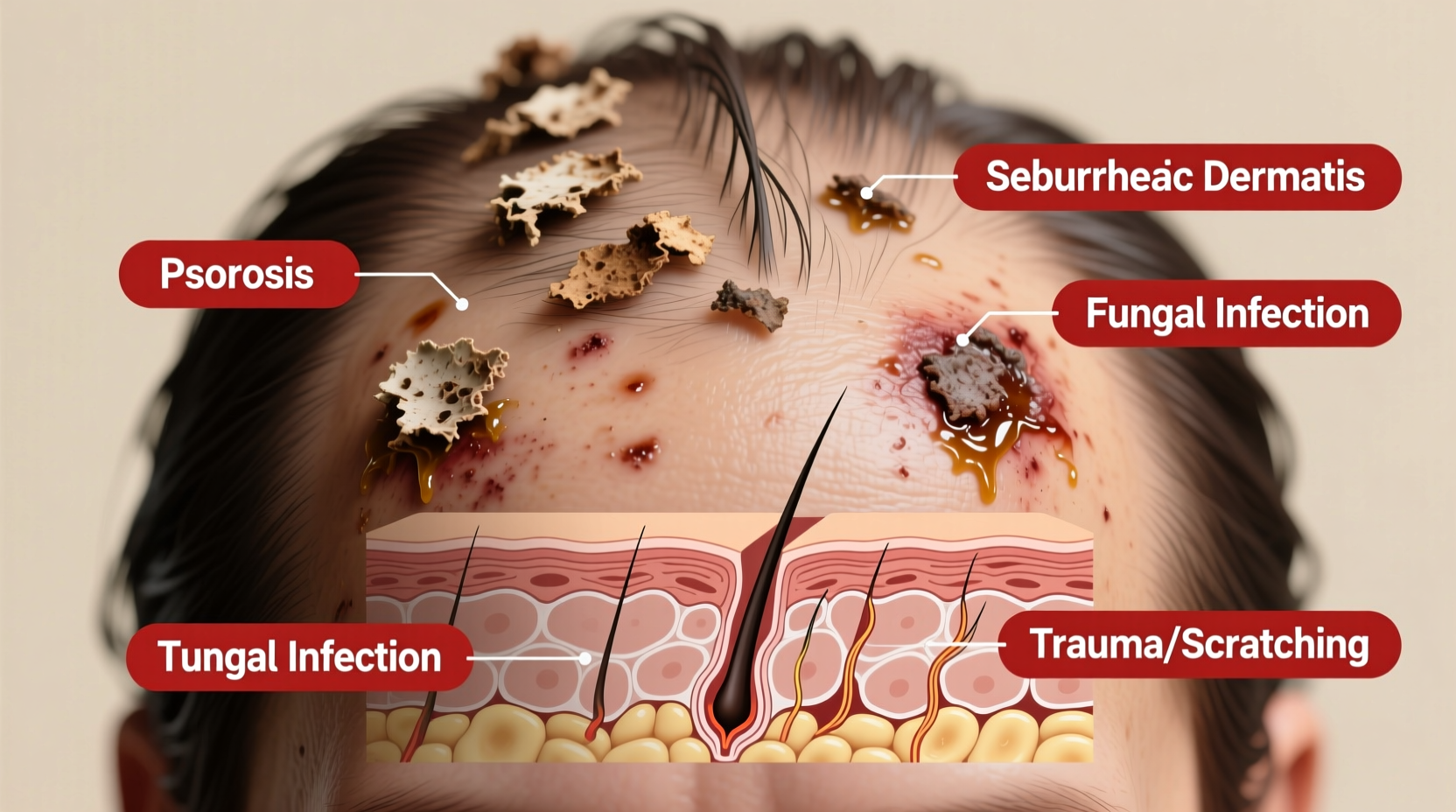
Scalp scabs form when the skin is damaged, inflamed, or infected, prompting the body’s natural healing process. Blood clots and dead skin cells accumulate, creating a protective crust. The triggers vary widely, from mild irritation to chronic dermatological conditions.
- Dandruff (Seborrheic Dermatitis): One of the most frequent culprits, dandruff causes oily, flaky skin that can become irritated and break open, leading to minor scabbing.
- Pityriasis Amiantacea: A rare but serious condition where thick scales encase hair shafts, forming silvery-white plaques that resemble scabs.
- Psoriasis: An autoimmune disorder causing rapid skin cell turnover. On the scalp, it manifests as red, raised patches covered with silvery scales that crack and bleed.
- Eczema (Atopic Dermatitis): Leads to dry, itchy skin that easily breaks from scratching, increasing scab formation.
- Fungal Infections (e.g., Tinea Capitis): Ringworm of the scalp causes patchy hair loss, inflammation, and crusting—often accompanied by itching and swelling.
- Bacterial Infections: Staph or strep bacteria can infect hair follicles (folliculitis), resulting in pustules that scab over.
- Lice Infestation: Intense itching from lice bites leads to excessive scratching, breaking the skin and forming scabs.
- Allergic Reactions or Contact Dermatitis: Harsh shampoos, dyes, or styling products may irritate the scalp, triggering inflammation and scabbing.
- Autoimmune Conditions (e.g., Lupus): In some cases, systemic diseases affect the scalp, causing sores and scarring alopecia.
Treatment Options Based on Cause
Effective treatment depends on identifying the underlying issue. Self-diagnosis can be misleading, so consult a dermatologist for persistent or worsening symptoms. That said, here are evidence-based approaches for common causes:
Dandruff and Seborrheic Dermatitis
Use medicated shampoos containing ketoconazole, selenium sulfide, or zinc pyrithione. Wash every other day initially, then reduce frequency as symptoms improve.
Psoriasis
Topical corticosteroids and vitamin D analogs (like calcipotriene) help reduce inflammation and scaling. For severe cases, phototherapy or systemic medications may be prescribed.
Eczema
Moisturize regularly with fragrance-free emollients. Topical steroids or calcineurin inhibitors (e.g., tacrolimus) control flare-ups.
Fungal Infections
Oral antifungals such as griseofulvin or terbinafine are typically required, along with antifungal shampoos to reduce spread.
Bacterial Folliculitis
Mild cases respond to antibacterial washes (e.g., benzoyl peroxide). Moderate to severe infections may require oral antibiotics like cephalexin.
“Scalp scabs aren’t a diagnosis—they’re a sign. Treating the symptom without addressing the cause often leads to recurrence.” — Dr. Lena Patel, Board-Certified Dermatologist
Step-by-Step Guide to Healing Scalp Scabs
If you're dealing with scabs at home, follow this structured approach to promote healing and prevent complications:
- Stop Scratching: Trim nails and wear gloves at night if necessary to avoid reopening wounds.
- Cleanse Gently: Use a mild, sulfate-free shampoo daily. For medicated options, alternate with a gentle cleanser to avoid over-drying.
- Apply Treatment: Apply prescribed or OTC creams directly to affected areas using a cotton swab for precision.
- Soften Scales: Before washing, apply warm coconut or olive oil to loosen crusts. Cover with a shower cap for 30 minutes, then shampoo thoroughly.
- Hydrate the Scalp: Use a non-comedogenic scalp serum with ingredients like hyaluronic acid or ceramides to restore moisture barrier.
- Monitor Progress: Take weekly photos to track improvement. If no change occurs in 2–3 weeks, see a specialist.
- Avoid Irritants: Temporarily discontinue use of hair dyes, gels, sprays, and heat tools.
Do’s and Don’ts: Managing Scalp Scabs
| Do’s | Don’ts |
|---|---|
| Use lukewarm water when washing hair | Use hot water—it can worsen dryness and irritation |
| Pat hair dry; avoid vigorous rubbing | Rub scalp harshly with a towel |
| Wash hats, pillowcases, and combs weekly | Share personal items like brushes or hats |
| Seek medical advice for bleeding or spreading scabs | Pop or peel scabs—they protect healing tissue |
| Stay hydrated and eat a balanced diet rich in omega-3s | Ignore signs of infection like pus or swelling |
Real-Life Example: Resolving Chronic Scalp Flare-Ups
Sarah, a 34-year-old teacher, struggled with recurring scalp scabs for over a year. She assumed it was dandruff and used anti-dandruff shampoos inconsistently. When the condition worsened—accompanied by hair thinning and tenderness—she visited a dermatologist. After a scalp biopsy, she was diagnosed with scalp psoriasis complicated by secondary bacterial infection.
Her treatment plan included a prescription steroid solution applied twice daily, weekly coal tar shampoo, and a short course of oral antibiotics. She also switched to fragrance-free hair products and began using a humidifier at night. Within six weeks, her scabs cleared, and itching subsided. Sarah now schedules biannual checkups and manages flare-ups early with spot treatments.
Prevention Checklist
Preventing scalp scabs involves consistent care and awareness. Follow this checklist to maintain a healthy scalp:
- ✅ Wash hair regularly based on your scalp type (oily, dry, sensitive)
- ✅ Choose shampoos free from sulfates, parabens, and synthetic fragrances
- ✅ Condition only the lengths of hair, not the scalp, unless formulated for it
- ✅ Manage stress through sleep, exercise, or mindfulness practices
- ✅ Treat dandruff or dryness promptly before it escalates
- ✅ Replace old hairbrushes and clean styling tools monthly
- ✅ Protect scalp from extreme weather with hats or scarves
Frequently Asked Questions
Can stress cause scabs on the scalp?
Yes. Stress doesn’t directly create scabs, but it can trigger or worsen conditions like psoriasis, eczema, and seborrheic dermatitis. It also increases itching and unconscious scratching during sleep or work, leading to skin breaks and scab formation.
Are scalp scabs contagious?
It depends. Scabs from dandruff or psoriasis are not contagious. However, those caused by fungal infections (like ringworm) or lice can spread through direct contact or shared items such as combs, hats, or towels.
How long do scalp scabs take to heal?
With proper care, minor scabs from scratching or dryness typically heal within 7–14 days. Those linked to infections or chronic conditions may take several weeks, especially if medication is required. Healing time improves significantly when the root cause is addressed.
Conclusion: Take Control of Your Scalp Health
Scabs on the scalp are rarely dangerous but should never be ignored. They’re often a visible clue pointing to deeper imbalances—whether environmental, immunological, or behavioral. With the right diagnosis and consistent care, most causes are manageable, and healing is achievable. Don’t rely on guesswork or temporary fixes. Instead, adopt a proactive approach: listen to your body, respond with informed action, and seek professional guidance when needed.
💬 Your scalp deserves attention. If you’ve dealt with scabs before, share your experience or tips in the comments—your insight could help someone find relief faster.








