
Sagging eyelids, medically known as ptosis, affect millions of people worldwide. While often considered a cosmetic concern, drooping eyelids can impair vision, alter facial expression, and impact self-confidence. Understanding the underlying causes, recognizing early signs, and knowing your treatment options are critical steps in managing this condition effectively. Whether due to aging, genetics, or an underlying medical issue, sagging eyelids are more than skin deep—and addressing them begins with accurate knowledge.
What Causes Sagging Eyelids?
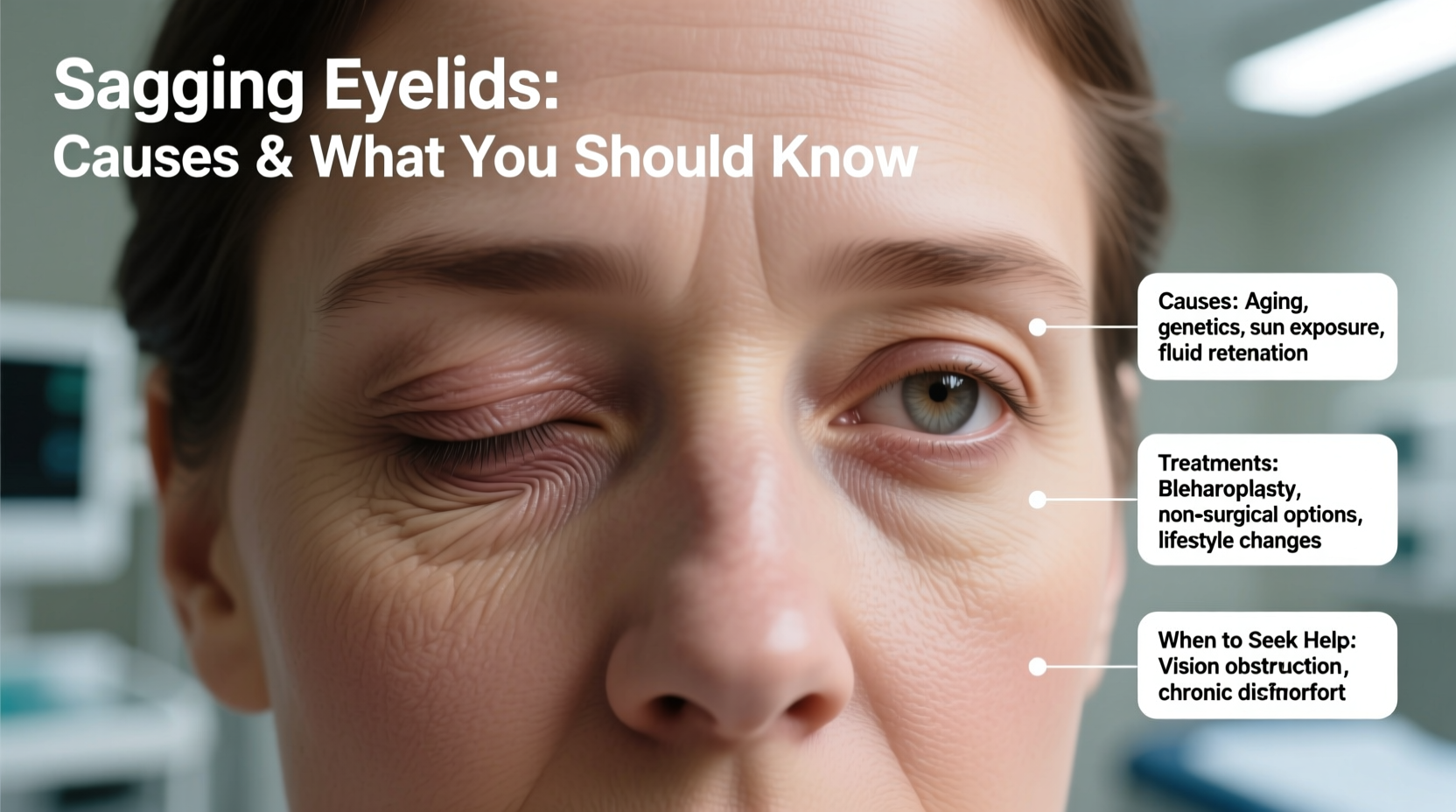
The eyelid is a complex structure supported by muscles, tendons, and connective tissue. Over time, these components weaken or stretch, leading to a drooping appearance. The most common cause is age-related degeneration, but several other factors contribute:
- Aging: As collagen and elastin decline, skin loses elasticity. The levator muscle, responsible for lifting the eyelid, can also stretch or detach.
- Genetics: Some individuals inherit weaker eyelid muscles or develop ptosis at a younger age due to congenital conditions.
- Injury or trauma: Damage to the nerves or muscles controlling the eyelid can lead to sudden or gradual drooping.
- Nerve disorders: Conditions like Horner’s syndrome or myasthenia gravis interfere with nerve signals to the eyelid muscles.
- Long-term contact lens use: Frequent manipulation of the eyelid may strain supporting tissues over decades.
- Chronic eye rubbing: Common in allergies, this habit can accelerate tissue laxity.
- Blepharitis or chronic inflammation: Inflammation weakens structural integrity over time.
“Ptosis isn’t just about appearance—it can be a window into neurological or muscular health. A sudden onset warrants immediate evaluation.” — Dr. Lena Torres, Oculoplastic SurgeonTip: Monitor changes in eyelid symmetry daily. Use consistent lighting and avoid puffiness from sleep or salt intake when assessing.
Treatment Options: From Conservative to Surgical
Not all cases of sagging eyelids require surgery. Treatment depends on severity, underlying cause, and functional impact. Here’s a breakdown of available approaches:
Non-Surgical Treatments
For mild cases or those not ready for surgery, non-invasive methods can offer temporary relief or delay progression:
- Eyelid exercises: Strengthening routines may improve muscle tone, though evidence is anecdotal.
- Cosmetic tapes or glues: These temporarily lift the lid but don’t address root causes.
- Botox (carefully applied): Can balance asymmetry by relaxing the opposing eyebrow muscle, lifting the brow indirectly.
- Managing underlying conditions: Treating allergies, dry eye, or systemic diseases like diabetes may slow progression.
Surgical Correction (Blepharoplasty & Ptosis Repair)
When vision is obstructed or quality of life declines, surgery becomes the gold standard. Two primary procedures exist:
- Blepharoplasty: Removes excess skin and fat from upper or lower lids. Often performed for cosmetic reasons but can relieve visual obstruction.
- Ptosis repair: Tightens or reattaches the levator muscle. This addresses the functional problem and restores a natural lid position.
Surgery typically takes 1–2 hours under local anesthesia. Recovery spans 1–2 weeks, with full results visible after several months. Success rates exceed 90% when performed by experienced surgeons.
Do’s and Don’ts: Managing Sagging Eyelids
| Do | Don’t |
|---|---|
| Monitor changes in vision or eyelid movement | Ignore sudden drooping in one eye |
| Use sunglasses to reduce squinting and UV damage | Rub your eyes aggressively |
| Seek evaluation from an oculoplastic specialist | Assume it’s only cosmetic without assessment |
| Treat allergies to minimize eye strain | Delay surgery if vision is impaired |
| Maintain healthy sleep and hydration | Use expired eye products or unapproved lifts |
Real-Life Example: Recognizing the Warning Signs
Sarah, a 58-year-old teacher, began noticing she had to tilt her head back to see her students’ faces clearly. At first, she attributed it to needing new glasses. But when her right eyelid started drooping noticeably within weeks, she consulted an ophthalmologist. Imaging ruled out tumors, but a blood test revealed elevated antibodies linked to myasthenia gravis—an autoimmune disorder affecting neuromuscular transmission. Early diagnosis allowed prompt treatment with immunosuppressants, stabilizing her condition before significant weakness developed. Her case underscores that sudden ptosis can signal serious systemic illness.
Step-by-Step Guide to Addressing Sagging Eyelids
If you suspect ptosis, follow this practical timeline to ensure proper care:
- Week 1: Self-Assessment
Take front-facing photos in good light. Note asymmetry, heaviness, or difficulty keeping eyes open. - Week 2: Consult an Eye Specialist
Visit an ophthalmologist or oculoplastic surgeon. Request a slit-lamp exam and eyelid strength test. - Week 3–4: Diagnostic Workup
If indicated, undergo blood tests (e.g., acetylcholine receptor antibodies), imaging, or nerve conduction studies. - Month 2: Review Treatment Plan
Determine whether observation, non-surgical management, or surgery is appropriate. - Month 3+: Intervention & Follow-Up
Proceed with treatment and schedule post-op checkups every 2–6 weeks until healing completes.
Frequently Asked Questions
Can sagging eyelids be prevented?
While aging is inevitable, you can slow progression by protecting your eyes from UV exposure, avoiding chronic rubbing, managing allergies, and maintaining overall health. Strong cardiovascular function supports microcirculation in delicate eye tissues.
Is eyelid surgery covered by insurance?
Yes, if documented visual field testing shows obstruction—typically when the lid covers part of the pupil. Cosmetic blepharoplasty is usually not covered, but functional ptosis repair often qualifies. Pre-authorization is required.
Are there risks to eyelid surgery?
As with any surgery, risks include infection, bleeding, scarring, dry eyes, and asymmetry. Rarely, patients experience difficulty closing the eye completely. Choosing a board-certified oculoplastic surgeon minimizes complications.
Key Takeaways and Next Steps
Sagging eyelids are more than a sign of aging—they can reflect deeper health issues or significantly impair daily function. Ignoring persistent drooping risks delayed diagnosis of neurological or muscular disorders. Conversely, timely intervention can restore vision, comfort, and confidence.
Whether you're exploring non-surgical options or considering surgery, informed decisions start with expert evaluation. Don’t rely on internet filters or makeup tricks as long-term solutions. Your eyes deserve precise care grounded in medical expertise.
💬 Have you or someone you know experienced changes in eyelid position? Share your story or questions below—your experience could help others recognize symptoms earlier and seek the right care.








