
Fleas are more than just a nuisance—they pose real health risks to dogs, including allergic reactions, anemia, and disease transmission. When your dog uses a carrier regularly, whether for travel or temporary housing, it can become a hidden reservoir for fleas and their eggs. Treating the dog is only half the battle; if the carrier isn’t thoroughly cleaned, reinfestation is almost guaranteed. The challenge lies in eliminating fleas effectively while ensuring no toxic residues remain that could harm your pet. This guide outlines safe, science-backed methods to clean and protect your dog’s carrier—without compromising their well-being.
Why Fleas Linger in Carriers
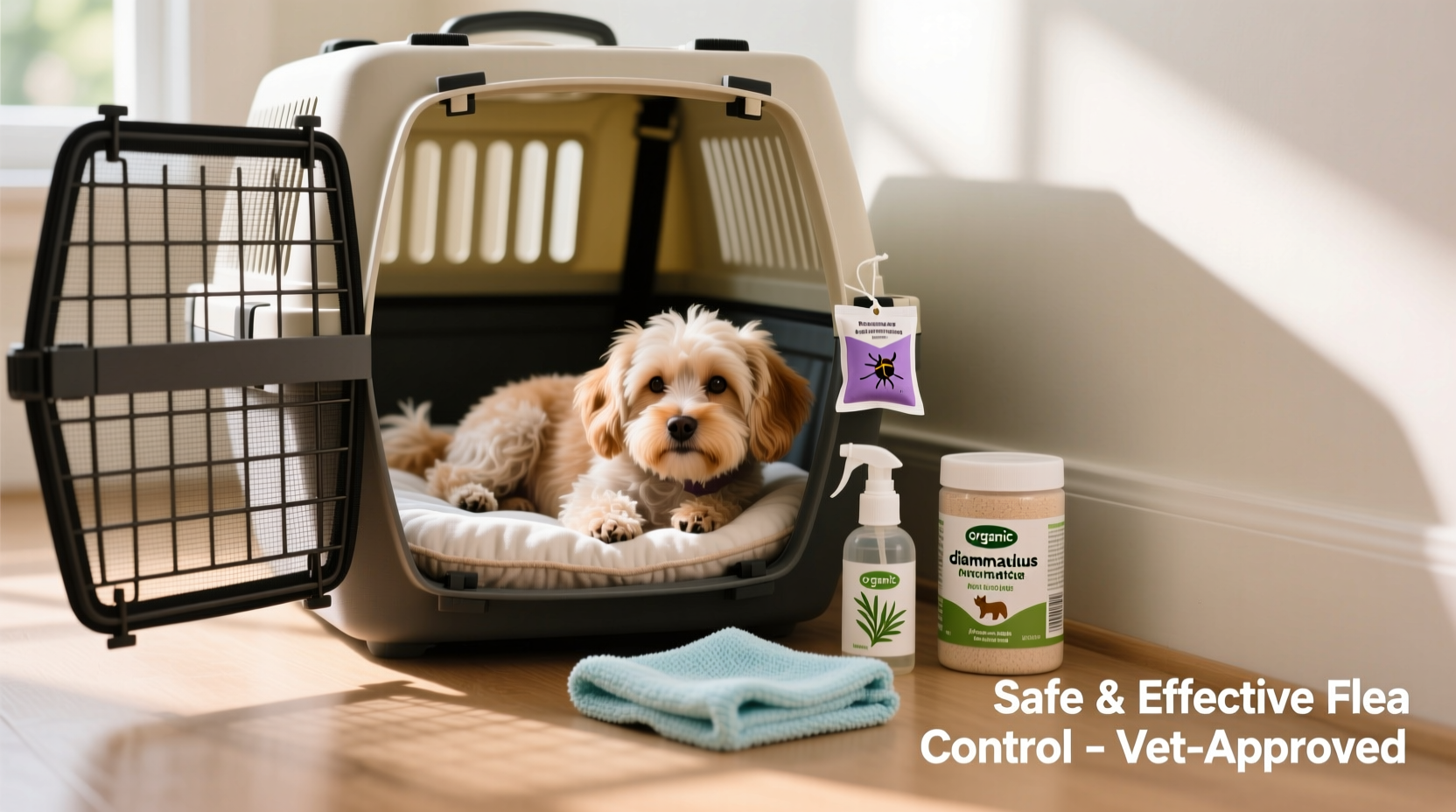
Dog carriers often go overlooked in flea treatment routines. Unlike beds or couches, they may not be cleaned frequently, especially if used only occasionally. However, the dark, enclosed space with fabric linings, padding, and crevices provides an ideal environment for flea eggs, larvae, and pupae to survive. A single female flea can lay up to 50 eggs per day, many of which fall off the host and settle into surrounding materials like those found in carriers.
The pupal stage of fleas is particularly resilient. These cocoons can remain dormant for months, resisting most insecticides and environmental changes. This means that even after treating your dog, fleas can “hatch” weeks later from within the carrier, restarting the infestation cycle.
“Flea control must include all environments the pet frequents—even short-term spaces like carriers. Ignoring them is like locking the front door but leaving the back window open.” — Dr. Laura Bennett, DVM, Parasitology Specialist
Step-by-Step: How to Safely Eliminate Fleas from a Dog Carrier
Cleaning a dog carrier requires more than a quick wipe-down. To break the flea life cycle, you need a comprehensive approach that targets all stages—adults, eggs, larvae, and pupae—using non-toxic, pet-safe methods.
- Remove all removable parts: Take out cushions, blankets, and fabric liners. Check manufacturer instructions for washing guidelines.
- Vacuum thoroughly: Use a vacuum with a HEPA filter to suction all interior surfaces, seams, corners, and mesh areas. Pay special attention to stitching and under padding. Immediately dispose of the vacuum bag or empty the canister into a sealed plastic bag and place it outside.
- Wash fabrics in hot water: Launder all washable items in water at least 140°F (60°C) to kill fleas and eggs. Add a mild, fragrance-free detergent. Avoid bleach or strong chemicals unless specified by the manufacturer.
- Treat non-washable surfaces: For carriers with plastic, metal, or non-removable padding, use a natural enzyme-based cleaner or diluted white vinegar solution (1 part vinegar to 3 parts water). Spray lightly and wipe down all surfaces. Allow to air dry completely.
- Use food-grade diatomaceous earth (DE): Apply a thin layer of food-grade DE into cracks, crevices, and under fixed padding. This powder dehydrates fleas on contact but is safe for pets when used correctly. Leave for 12–24 hours, then vacuum thoroughly.
- Air out in sunlight: Place the carrier in direct sunlight for several hours. UV rays and heat help kill remaining eggs and speed drying, reducing moisture that larvae thrive on.
- Inspect before reuse: Check once more for any signs of pests or dampness. Only return your dog to the carrier once it’s completely dry and clean.
Safe vs. Unsafe Cleaning Methods: What to Use and What to Avoid
Not all flea treatments are safe for confined spaces where pets spend time. Some commercial sprays contain pyrethroids or organophosphates, which can linger and cause neurological issues in dogs, especially in poorly ventilated enclosures.
| Method | Safe? | Notes |
|---|---|---|
| Hot water washing (≥140°F) | ✅ Yes | Kills all flea stages; ideal for fabrics. |
| Food-grade diatomaceous earth | ✅ Yes | Non-toxic when food-grade; avoid inhalation. |
| White vinegar solution (diluted) | ✅ Yes | Natural disinfectant; safe when aired out. |
| Enzyme-based cleaners | ✅ Yes | Breaks down organic matter; pet-safe. |
| Commercial flea foggers | ❌ No | Toxic residues; unsafe for enclosed pet spaces. |
| Essential oil sprays | ❌ No | Many oils are neurotoxic to dogs. |
| Bleach (undiluted or excessive) | ⚠️ With caution | Only if carrier is fully non-porous; must rinse and air thoroughly. |
Preventing Reinfestation: Ongoing Carrier Care
Once the carrier is flea-free, maintaining its cleanliness is crucial. Fleas can return quickly if preventive measures aren’t taken.
- Wash carrier linens weekly during flea season (spring through fall).
- Store the carrier in a dry, well-lit area—fleas prefer dark, humid environments.
- Inspect the carrier after each use, especially if your dog has been outdoors or to boarding facilities.
- Rotate between two carriers if possible, allowing one to remain unused and flea-free as backup.
- Keep your dog on a veterinarian-approved flea preventive year-round.
Real-Life Example: Clearing a Persistent Infestation
Sarah, a dog owner from Colorado, noticed her rescue terrier scratching excessively after car rides. Despite monthly flea treatments, the itching continued. Upon inspecting the carrier stored in her garage, she found tiny black specks (flea dirt) and small white dots (eggs) embedded in the foam lining. She followed the cleaning steps outlined here: vacuumed thoroughly, washed the removable pad, applied food-grade DE in the seams, and left the carrier in the sun for two days. Within a week, her dog’s scratching decreased significantly. Sarah now cleans the carrier monthly during summer and stores it indoors, preventing recurrence.
Frequently Asked Questions
Can I use a steam cleaner on my dog’s carrier?
Yes, steam cleaning is highly effective. Temperatures above 180°F kill fleas at all life stages. Use a handheld steamer on fabric and hard surfaces, ensuring full coverage. Let the carrier dry completely before reuse.
How long can fleas live in a carrier without a host?
Flea pupae can remain dormant for up to 5 months, waiting for vibrations, heat, or carbon dioxide to signal a host’s presence. Adult fleas, however, typically die within a few days without blood. The pupal stage is the main concern during cleaning.
Is baking soda safe to use in a dog carrier?
Baking soda alone does not kill fleas effectively. While it can deodorize and absorb moisture, it lacks the desiccant properties needed to destroy exoskeletons. It’s safe to use in small amounts but should not replace proven methods like DE or heat treatment.
Final Checklist for Flea-Free Carrier Maintenance
- ✔ Remove and wash all fabric components in hot water
- ✔ Vacuum every surface, including seams and corners
- ✔ Wipe down hard surfaces with vinegar or enzyme cleaner
- ✔ Apply food-grade diatomaceous earth in crevices (if needed)
- ✔ Dry completely in sunlight or a warm, ventilated area
- ✔ Inspect weekly during high-risk seasons
- ✔ Use ongoing flea prevention for your dog
Conclusion: Protect Your Pet’s Safe Space
Your dog’s carrier should be a secure, comfortable haven—not a breeding ground for pests. By using safe, effective cleaning techniques, you eliminate fleas without exposing your pet to harmful chemicals. Regular maintenance, combined with veterinary-recommended preventives, ensures long-term protection. Flea control is not just about treating the animal; it’s about managing their entire environment. Take action today to keep your dog’s carrier truly clean, safe, and healthy.
💬 Have a flea-fighting tip that worked for your dog’s carrier? Share your experience in the comments to help fellow pet owners create safer spaces for their furry friends.








