In recent years, a quiet revolution has been unfolding in the world of fashion jewelry. Once dominated by sparkling gemstones and classic solitaires, the spotlight is shifting toward bold, symbolic designs—none more striking than the s925 snake ring. With its coiled elegance and mythic resonance, the serpent motif is making a powerful statement on fingers everywhere. But how does it truly stack up against the long-reigning favorite—the gemstone ring? Is the snake really slithering past gems in popularity, or is this just a fleeting trend?
To understand the growing appeal of snake rings, we need to look beyond aesthetics. The shift reflects deeper cultural currents: a desire for personal symbolism, a move toward minimalist-yet-meaningful accessories, and an appetite for storytelling through style.
The Symbolism Behind the Serpent
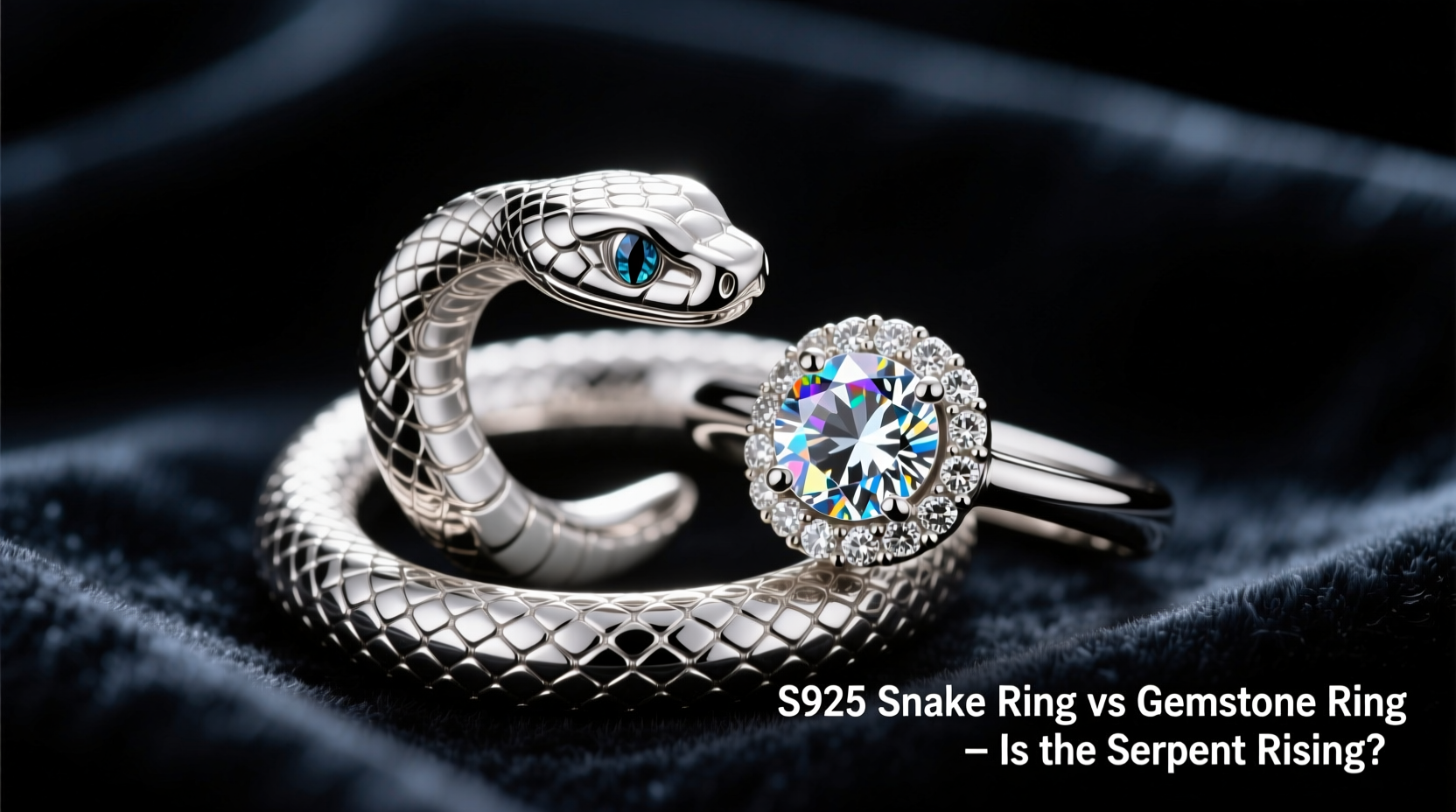
The snake has carried layered meanings across civilizations. In ancient Egypt, it symbolized protection and divine authority. In Greek mythology, the ouroboros—a serpent eating its tail—represented eternity and renewal. In Hindu traditions, serpents guard spiritual energy at the base of the spine. Even in modern psychology, Carl Jung saw the snake as a symbol of transformation and the unconscious.
Wearing a snake ring isn’t just about fashion—it’s a declaration of identity. It speaks to rebirth, resilience, and mystery. This depth of meaning resonates strongly with younger consumers who value authenticity and narrative in their accessories.
“Jewelry is no longer just adornment; it’s identity. The snake ring offers wearers a chance to carry a personal talisman.” — Lila Chen, Jewelry Historian & Curator at the Metropolitan Design Archive
In contrast, gemstone rings often emphasize beauty, status, or romance. A diamond signifies commitment; an emerald evokes luxury; a sapphire suggests wisdom. While these stones carry symbolic weight, their meanings are often prescribed rather than personal. The snake ring, by comparison, invites interpretation and introspection.
Material & Craftsmanship: S925 Silver vs Gemstone Settings
S925 refers to sterling silver—92.5% pure silver alloyed with 7.5% other metals (usually copper) for strength. It’s durable enough for daily wear, hypoallergenic for most people, and develops a unique patina over time that many collectors appreciate.
Gemstone rings vary widely in material quality. While high-end versions use precious metals like platinum or 18k gold, many affordable options feature base metals with plated finishes that tarnish quickly. The gemstones themselves can range from lab-created simulants to natural diamonds or colored stones, drastically affecting both price and longevity.
Tip: Always check for hallmarks like \"925\" or \"S925\" when purchasing silver jewelry to ensure authenticity.Comparison: S925 Snake Ring vs Gemstone Ring
| Feature | S925 Snake Ring | Gemstone Ring |
|---|---|---|
| Average Price | $25–$120 | $50–$500+ (highly variable) |
| Durability | High (silver resists scratches well) | Moderate (gems can chip; settings loosen) |
| Hypoallergenic | Generally yes (if nickel-free) | Depends on metal used |
| Skin Contact Safety | Excellent | May cause reactions with low-quality plating |
| Symbolic Flexibility | High (personal, mystical, empowering) | Moderate (often tied to tradition) |
| Trend Longevity | Rising steadily since 2020 | Consistently popular but cyclical |
Fashion Trends Driving the Snake Ring Surge
On platforms like Instagram and TikTok, the snake ring has become a staple in curated stacks—worn alongside delicate bands, signet rings, and midi rings. Its sinuous shape adds visual movement and breaks the monotony of geometric designs.
Designers like Mejuri, Monica Vinader, and local artisan brands have embraced the motif, offering variations from minimalist single-coil bands to intricate double-headed serpents with enamel eyes. These pieces cater to the modern aesthetic: understated yet expressive, elegant without being ostentatious.
Gemstone rings remain popular, especially engagement and anniversary styles. However, their dominance in everyday fashion wear is waning. Many consumers now prefer versatile pieces that transition seamlessly from day to night. A sleek s925 snake ring fits this need better than a large center stone that may feel too formal or fragile for casual use.
Mini Case Study: Emma’s Style Evolution
Emma, a 29-year-old graphic designer from Portland, used to collect gemstone rings—amethyst for calm, rose quartz for love, citrine for creativity. But after a move to a more minimalist lifestyle, she found herself overwhelmed by her collection. “They were beautiful, but I only wore three regularly,” she says.
She discovered an s925 snake ring during a trip to a local artisan market. Drawn to its fluid design and subtle symbolism of personal growth, she bought it on impulse. Within weeks, it became her signature piece. “It feels like armor and art at the same time,” she explains. Now, she pairs it with a thin band and rarely reaches for her gemstones anymore.
Emma’s story mirrors a broader shift: from external display to internal significance.
Care & Maintenance: What Lasts Longer?
While both types of rings require care, their maintenance differs significantly.
- S925 Snake Rings: Can be cleaned with mild soap and water. Tarnishing is normal but easily polished away. Store separately to avoid scratching.
- Gemstone Rings: Require gentle cleaning to avoid loosening prongs. Ultrasonic cleaners can damage certain stones (e.g., opals, emeralds). Professional inspections every 6–12 months are recommended.
Step-by-Step Guide: Caring for Your S925 Snake Ring
- Remove the ring before swimming, showering, or applying lotions.
- Once a week, soak in warm water with a few drops of mild dish soap for 5 minutes.
- Gently scrub with a soft-bristle brush, focusing on detailed areas.
- Rinse under clean water and dry thoroughly with a lint-free cloth.
- Store in an anti-tarnish pouch or airtight container when not in use.
- Polish monthly with a silver polishing cloth to maintain shine.
FAQ: Common Questions About Snake Rings vs Gemstone Rings
Are snake rings only for women?
No. The snake motif transcends gender. Many men embrace snake rings as symbols of strength, cunning, or personal transformation. Unisex designs are increasingly common in contemporary collections.
Do s925 silver rings turn your finger green?
Rarely. Sterling silver itself doesn’t cause discoloration. However, if the alloy contains copper and reacts with skin acidity, a slight green tint may appear. This is harmless and can be prevented by keeping the ring clean and dry.
Can I wear a snake ring every day?
Yes, especially if made from s925 silver. Its durability makes it suitable for daily wear. Just avoid heavy physical work or exposure to harsh chemicals to preserve its finish.
Conclusion: The Serpent’s Rise Is More Than a Trend
The ascent of the s925 snake ring isn’t merely a fashion blip—it’s a reflection of evolving values. People no longer want jewelry that simply sparkles; they want pieces that speak. That tell stories. That endure.
While gemstone rings will always hold a place in ceremonial and sentimental contexts, the snake ring answers a different need: one of identity, subtlety, and enduring symbolism. It’s not that gems are losing relevance—they’re being reevaluated. And in the realm of everyday expression, the serpent is indeed slithering ahead.
Whether you're drawn to the mystique of the serpent or the brilliance of a well-cut stone, the best choice is one that aligns with your story. If you’ve been curious about the snake ring, now might be the perfect time to try one. Let it coil around your finger not just as an accessory, but as a reminder of your own evolution.
💬 Have you made the switch to symbolic jewelry? Share your thoughts or show off your favorite ring in the comments below!








