Dog owners often focus on their pet’s coat, diet, and dental health—but paw pad care is just as vital. Rough, cracked, or dry paw pads are more than a cosmetic concern; they can cause discomfort, reduce traction, and even lead to infection. Whether your dog spends hours hiking rocky trails or simply walks across hot pavement, their paws endure constant wear. Understanding the root causes of rough paw pads and knowing how to treat them properly ensures your dog stays active, pain-free, and protected year-round.
Common Causes of Rough Dog Paw Pads
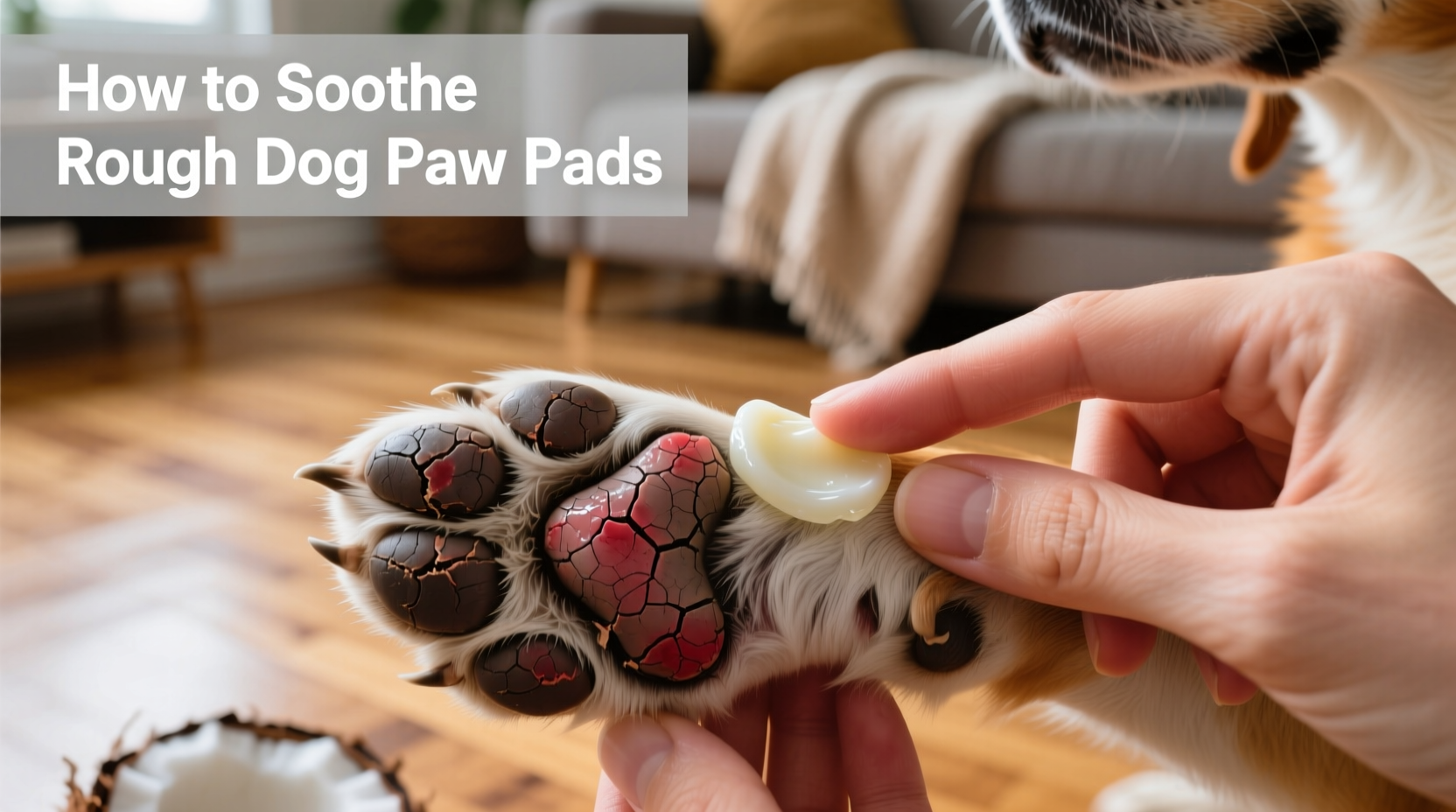
Rough paw pads rarely develop overnight. They are usually the result of prolonged exposure to harsh conditions or underlying health issues. Identifying the cause is the first step toward effective treatment.
- Extreme weather: Hot pavement in summer can burn paw pads, while ice, snow, and road salt in winter cause chapping and cracking.
- Excessive walking or running: Dogs that hike frequently or play on abrasive surfaces like concrete or asphalt may develop thickened, calloused pads.
- Dehydration: Just like human skin, paw pads need moisture. Insufficient hydration can lead to dryness and flaking.
- Allergies: Environmental or food allergies often manifest in the paws, causing inflammation, licking, and secondary roughness.
- Bacterial or fungal infections: Moisture trapped between toes or cuts in the pad can invite infections that alter texture and integrity.
- Aging: Older dogs naturally experience reduced elasticity and moisture in their paw pads, making them more prone to cracking.
How to Soothe Rough Paw Pads: A Step-by-Step Guide
Once you’ve identified that your dog has rough or cracked paw pads, immediate soothing and long-term protection are key. Follow this timeline-based approach for best results.
- Inspect and clean: Gently wash each paw with lukewarm water and a mild pet-safe cleanser. Look for debris, cuts, or signs of infection (redness, swelling, odor).
- Soak if necessary: For severely dry or cracked pads, soak in warm water with a teaspoon of Epsom salt for 5–10 minutes to soften tissue and reduce inflammation.
- Dry thoroughly: Pat paws completely dry, especially between the toes, to prevent moisture buildup and fungal growth.
- Apply a healing balm: Use a veterinarian-recommended paw balm containing natural moisturizers like shea butter, coconut oil, or beeswax. Avoid products with artificial fragrances or chemicals.
- Protect during recovery: Limit outdoor activity on rough surfaces. Consider using dog booties when going outside until the pads heal.
- Repeat daily: Apply balm 1–2 times per day for at least one week, or until texture improves.
When to See a Veterinarian
If your dog shows signs of limping, excessive licking, bleeding, or pus, consult a vet immediately. These could indicate deeper injury or infection requiring prescription treatment.
Do’s and Don’ts of Paw Pad Care
| Action | Recommendation |
|---|---|
| Do use a pet-safe paw balm | ✓ Yes – Choose balms with natural ingredients like shea butter or vitamin E |
| Don’t use human lotions | ✗ No – Many contain ingredients toxic if licked, like glycerin or essential oils |
| Do trim excess hair between toes | ✓ Yes – Prevents ice ball formation and improves traction |
| Don’t ignore persistent licking | ✗ No – Can lead to hot spots and worsen pad damage |
| Do check paws seasonally | ✓ Yes – Especially before and after winter or hiking season |
Real-Life Example: Max the Labrador’s Winter Recovery
Max, a 5-year-old Labrador from upstate New York, began limping after several days of playing in the snow. His owner noticed his paw pads were deeply cracked and peeling, with salt residue stuck between his toes. After consulting her vet, she started a daily routine: soaking Max���s paws in warm Epsom salt water, drying them thoroughly, and applying a veterinarian-approved balm. She also began using waterproof booties on walks. Within two weeks, Max’s pads were significantly smoother, and he stopped limping. His owner now maintains a monthly paw conditioning schedule and checks his feet after every winter walk.
“Paw pad health is often overlooked, but it's directly linked to a dog’s mobility and comfort. Early intervention prevents chronic issues.” — Dr. Laura Simmons, DVM, Canine Dermatology Specialist
Preventive Checklist for Healthy Paw Pads
Prevention is always better than cure. Use this checklist to keep your dog’s paws resilient and smooth all year.
- ✔️ Inspect paws weekly for cracks, redness, or embedded debris
- ✔️ Wipe paws with a damp cloth after walks to remove salt, dirt, or allergens
- ✔️ Apply paw balm 2–3 times per week during extreme weather
- ✔️ Keep nails trimmed to reduce pressure on pads
- ✔️ Use protective booties in winter or on hot pavement
- ✔️ Provide plenty of fresh water to support overall skin hydration
- ✔️ Feed a balanced diet rich in omega-3 fatty acids for skin and coat health
Frequently Asked Questions
Can I use coconut oil on my dog’s rough paw pads?
Yes, pure, organic coconut oil is safe and effective for moisturizing dry paw pads. It has natural antibacterial and antifungal properties. However, since dogs tend to lick their paws, ensure only small amounts are applied and consider using a sock or bootie to prevent over-ingestion.
How long does it take for rough paw pads to heal?
Mild cases improve within 7–10 days with consistent care. More severe cracking or environmental exposure may require 2–4 weeks. Healing time also depends on the dog’s age, activity level, and whether underlying conditions like allergies are managed.
Are cracked paw pads a sign of a serious health issue?
Occasionally. While most cases stem from environmental factors, persistent cracking despite care can signal hypothyroidism, autoimmune disorders, or zinc deficiency. If improvement isn’t seen after two weeks of proper treatment, consult your vet for further evaluation.
Final Thoughts: Proactive Care for Happy, Healthy Paws
Rough dog paw pads are common but not inevitable. With regular inspection, proper hygiene, and timely treatment, most cases can be reversed before they become painful. The key is consistency—just like brushing teeth or grooming fur, paw maintenance should be part of your dog’s routine care. By understanding the causes and applying simple, effective remedies, you give your dog the foundation for comfortable movement, better traction, and long-term foot health.
💬 Your dog’s paws tell a story—listen to them. Start a paw care routine today, and share your tips or experiences in the comments to help fellow pet owners keep their furry friends stepping strong!








