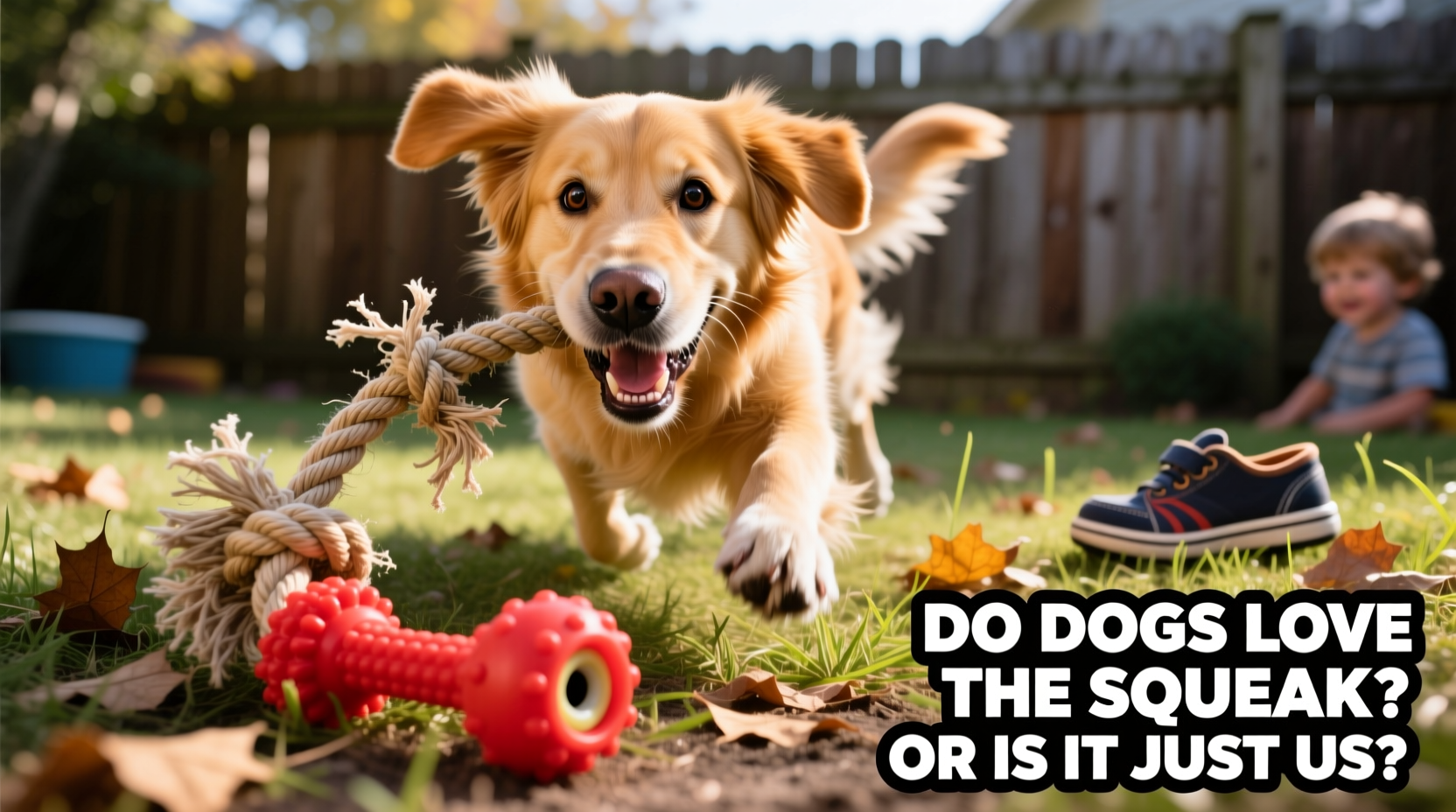
Dogs leap, bite, and toss their toys with unmistakable enthusiasm—especially when a high-pitched squeak erupts from within. For many pet owners, the sound of a squeaky toy is synonymous with joy, energy, and connection. But have you ever paused to wonder: Is the squeak truly exciting for the dog, or are we the ones emotionally invested in that little noise? When comparing rope toys to squeaky ones, the answer isn’t as simple as preference—it’s rooted in biology, instinct, and individual personality.
Understanding what drives your dog’s reaction to different toys can improve playtime, reduce destructive behaviors, and deepen the bond between pet and owner. Let’s explore the science behind canine play, dissect the role of the squeak, and compare how rope and squeaky toys serve different—but equally valuable—purposes in a dog’s life.
The Science Behind the Squeak: Instinct Over Sound
The fascination dogs often show with squeaky toys may seem irrational, but it’s deeply tied to ancestral hunting instincts. In the wild, canines hunted small prey such as rodents and rabbits. The high-pitched squeal emitted by these animals when distressed or captured served as an auditory cue—signaling vulnerability and triggering pursuit or killing behavior.
Modern squeaky toys mimic this distress call. When a dog bites down and hears the sudden noise, it activates primal neural pathways associated with predation. This doesn’t mean the dog thinks the toy is alive, but the sound triggers a behavioral loop: bite → squeak → excitement → repeat. Studies in canine ethology suggest that the unpredictability of the sound—when it will occur, how long it lasts—adds to the reinforcement effect.
“Dogs aren’t necessarily drawn to the squeak itself, but to what it represents: the thrill of the hunt.” — Dr. Lena Patel, Canine Behavior Researcher, University of Colorado
Interestingly, not all dogs react the same way. Some go berserk at the first squeak, while others ignore it entirely. This variation underscores that while instinct plays a role, individual temperament, breed tendencies, and learned experiences shape a dog’s toy preferences.
Rope Toys: Functionality, Dental Health, and Tug-of-War Psychology
Rope toys lack the auditory drama of squeakers, yet they remain a staple in many homes. Their appeal lies in texture, utility, and interactive potential. Unlike plush squeaky toys, rope toys are designed for durability and engagement through physical interaction—especially tug-of-war.
Tugging isn’t just fun; it’s a social ritual. In canine packs, controlled pulling games reinforce hierarchy, trust, and cooperation. When you play tug with your dog using a rope toy, you’re participating in a behavior that strengthens mutual respect—provided rules are clear (e.g., releasing on command).
Beyond bonding, rope toys offer practical benefits:
- Dental hygiene: The fibers help floss teeth and reduce plaque buildup.
- Jaw exercise: Chewing strengthens jaw muscles and relieves teething discomfort in puppies.
- Longevity: Most rope toys withstand aggressive chewing better than plush squeakers.
Comparing Squeaky and Rope Toys: A Practical Breakdown
To understand which toy type suits your dog best, consider their function, safety, and behavioral impact. The following table outlines key differences:
| Feature | Squeaky Toys | Rope Toys |
|---|---|---|
| Primary Appeal | Auditory stimulation, prey drive activation | Tactile feedback, tugging interaction |
| Best For | Puppies, high-energy breeds, solo play | Interactive play, dental health, strong chewers |
| Lifespan | Short (especially with aggressive chewers) | Moderate to long with proper care |
| Safety Concerns | Swallowing squeaker mechanism, stuffing ingestion | Frayed fibers, rope unraveling |
| Behavioral Risk | Possessiveness, overstimulation | Resource guarding if rules aren't set |
Real Example: Two Dogs, Two Preferences
Consider Max, a 3-year-old Border Collie, and Bella, a 5-year-old Bulldog, both living in the same household. Max receives a new squeaky squirrel toy. Within minutes, he’s shaking it violently, tossing it in the air, and barking at intervals—classic predatory sequence behavior. After the squeaker fails, he loses interest completely.
Bella, on the other hand, ignores the deflated squirrel. But when her owner picks up the frayed cotton rope toy, she lumbers over eagerly. They engage in a five-minute tug session, ending with a clear “drop it” command and a treat reward. Bella walks away satisfied, while Max is already searching for another squeaky victim.
This contrast illustrates that toy preference isn’t about superiority—it’s about alignment with instinct, energy level, and personality. Max thrives on sensory stimulation and simulated hunting. Bella values physical interaction and oral satisfaction.
How to Choose the Right Toy: A Checklist
Selecting the right toy isn’t guesswork. Use this checklist to make informed decisions based on your dog’s needs:
- Assess energy level: High-drive dogs may benefit from squeaky toys for mental stimulation.
- Observe chewing habits: Aggressive chewers need durable rope or rubber toys, not plush squeakers.
- Monitor reactions: Does your dog destroy toys quickly? Focus on safety and supervision.
- Rotate toys: Introduce variety to prevent boredom and extend toy lifespan.
- Match to breed tendencies: Terriers may love squeakers; retrievers often prefer tugging and fetching.
- Prioritize safety: Avoid small parts, toxic materials, or strings that can be swallowed.
- Use toys for training: Incorporate tug rewards or puzzle toys to reinforce commands.
FAQ: Common Questions About Dog Toys
Do dogs get tired of squeaky toys once the squeak stops?
Many do. The loss of the squeak often removes the primary stimulus, especially for dogs driven by sound. However, some dogs continue to enjoy the toy for its texture or scent. Replacing the squeaker (if possible) or rotating toys can renew interest.
Are rope toys safe for puppies?
Yes, but with caution. Rope toys can help soothe teething pain and promote healthy chewing habits. Always supervise young puppies to ensure they don’t pull off and swallow strands of fiber.
Can too much squeaky play encourage aggression?
In sensitive dogs, excessive high-arousal play without calm-down periods may contribute to overexcitement. Balance squeaky toy sessions with obedience drills or quiet activities to maintain emotional regulation.
Conclusion: It’s Not About the Squeak—It’s About the Story
The question isn’t whether dogs “like” the squeak more than rope—it’s whether we understand what each toy represents in their world. The squeak taps into ancient instincts, offering a fleeting but powerful simulation of the hunt. Rope toys foster connection, provide physical relief, and support dental health through sustained interaction.
Ultimately, the best toy is the one that aligns with your dog’s nature—not human nostalgia or assumptions. Some dogs dismantle squeaky toys in seconds, not because they hate them, but because they’ve “killed” the prey and moved on. Others carry their silent, mangled plush friends everywhere—a sign of attachment beyond sound.
Instead of asking what we think they should like, observe what truly engages them. Rotate toys, mix types, and pay attention to body language. A dog lying quietly with a rope in their mouth may be just as fulfilled as one racing around with a squeaking duck.
💬 What does your dog prefer—squeaky chaos or quiet tugging? Share your experience and help fellow pet owners discover what really makes tails wag.








